Con el fin de analizar la práctica de la educación democrática como un modo de convivencia escolar que trastoca los cimientos de la subjetividad política de los estudiantes, esta investigación etnográfica se adentra en las dinámicas cotidianas de la Escuela Mediática del Centro Educativo Libertad, un colegio de educación media alternativa.
Varied approaches to an overlooked time period in the history and archaeology of the MediterraneanThis book presents multidisciplinary perspectives on Greece, Corsica, Malta, and Sicily from the fourth to the thirteenth centuries, an often-overlooked time in the history of the central Mediterranean.
Post-Carbon Futures: Imagining (and Enacting) New Worlds through Transition Studies explores the multitude of possibilities for conceiving and creating fulfilling post-carbon ways of life.
Unravels the complexity of pervasive mistrust across the primary medical sectors of Niger Negotiating Mistrust examines a wide diversity of patients and healers-and interactions between them-in Niamey, Niger through the analytical prism of mistrust.
In Becoming a Plebeian Leader, Jose Antonio Villarreal Velasquez examines situations where ordinary women and men become plebeian leaders in urban-popular neighborhoods.
Fifty-five burials with their accompanying artifacts were uncovered during the excavation of the Dover Mound, located in Mason County, Kentucky, yielding new data on the cultural group known as the Adena which is reported in detail by the authors.
Most Americans know Appalachia through stereotyped images: moonshine and handicrafts, poverty and illiteracy, rugged terrain and isolated mountaineers.
Hunters, Seamen, and Entrepreneurs: The Tuna Seinermen of San Diego is an ethnographic exploration of the lives, work, and cultural systems of the high-seas tuna fishermen from San Diego, California.
Hunters, Seamen, and Entrepreneurs: The Tuna Seinermen of San Diego is an ethnographic exploration of the lives, work, and cultural systems of the high-seas tuna fishermen from San Diego, California.
Based on extensive ethnographic research, this book delves into the thriving industry of religious infrastructure in Romania, where 4,000 Orthodox churches and cathedrals have been built in three decades.
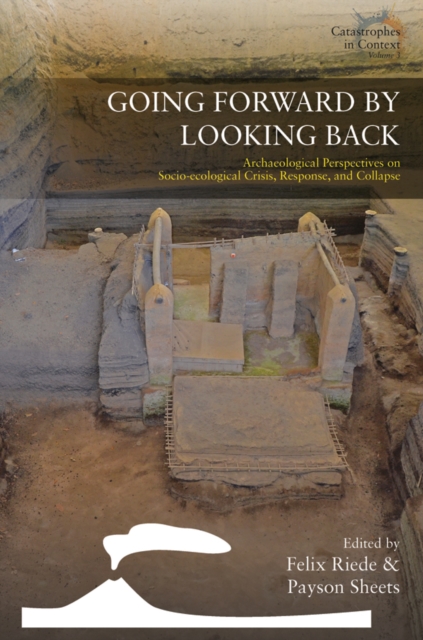
Catastrophes are on the rise due to climate change, as is their toll in terms of lives and livelihoods as world populations rise and people settle into hazardous places.
Moving from People magazine to publicists' offices to tours of stars' homes, Joshua Gamson investigates the larger-than-life terrain of American celebrity culture.
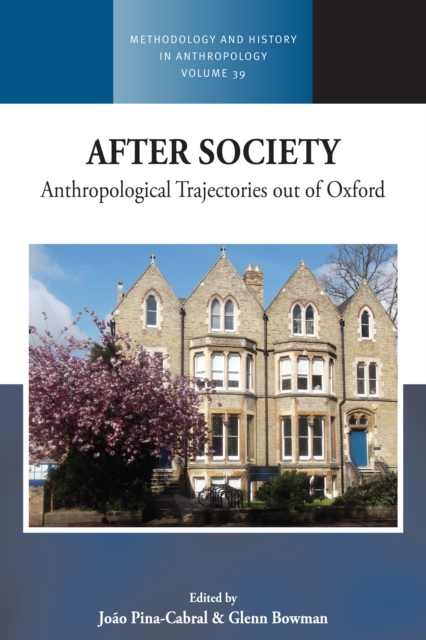
In the early 1980s, when the contributors to this volume completed their graduate training at Oxford, the conditions of practice in anthropology were undergoing profound change.
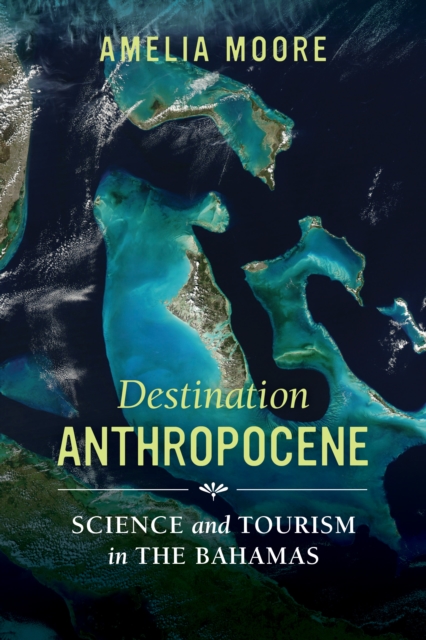
Destination Anthropocenedocuments the emergence of new travel imaginaries forged at the intersection of the natural sciences and the tourism industry in a Caribbean archipelago.
Liberalism in Modern Japan: Ishibashi Tanzan and His Teachers, 1905-1960 offers a compelling exploration of the evolution of liberal thought in Japan during a period of profound social, political, and economic transformation.
The Supplemental Nutrition Assistance Program (SNAP), formerly known as food stamps, is one of the most controversial forms of social welfare in the United States.
Morality and Power in a Chinese Village: The Peasant as Moral Philosopher delves into the intricate interplay of moral philosophy, communal values, and political transformations in Chen Village, a small farming community in Guangdong Province, China.
From the fashion label Dior being accused of cultural appropriation after using American Indian imagery in an ad campaign for its a Sauvagea fragrance, to the backlash against Kendall Jenners afro-esque hairstyle in Vogue, debates about cultural appropriation have reached a fever pitch.
Morality and Power in a Chinese Village: The Peasant as Moral Philosopher delves into the intricate interplay of moral philosophy, communal values, and political transformations in Chen Village, a small farming community in Guangdong Province, China.
Based on extensive field research, the essays in this volume illuminate the experiences of migrants from their own point of view, providing a critical understanding of the complex social reality in which each experience is grounded.
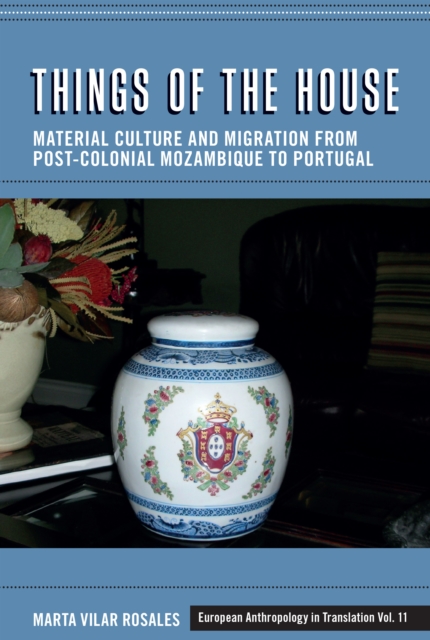
Discussing multiple aspects of material culture and domestic consumption, this book tackles the relationship between the trajectories and biographies of people, families, houses and objects and how they intertwine and produce each other.
This book is an extrapolation of the research I conducted for my doctoral thesis about my people's struggle to come to terms with native title claim processes, in which we are required to prove our connection to land, culture and kin.
"e;This handsome volume, one of a group commemorating the seventy-fifth anniversary of the University of California, caps the prolific and extraordinarily varied publications of the most distinguished of living American anthropologists.
This volume delves into the colonial past and identifies papers on nature and natural phenomenon that were deemed 'primitive' and 'superstitious' by those who narrated them and analyzed them in the pages of the Journal of the Anthropological Society of Bombay, published from 1886 to 1936; the period covered by the papers that have been reproduced in this volume.
The Road: Indian Tribes and Political Liberty offers a rigorous constitutional and methodological rethinking of the United States' relationship to Indigenous polities.