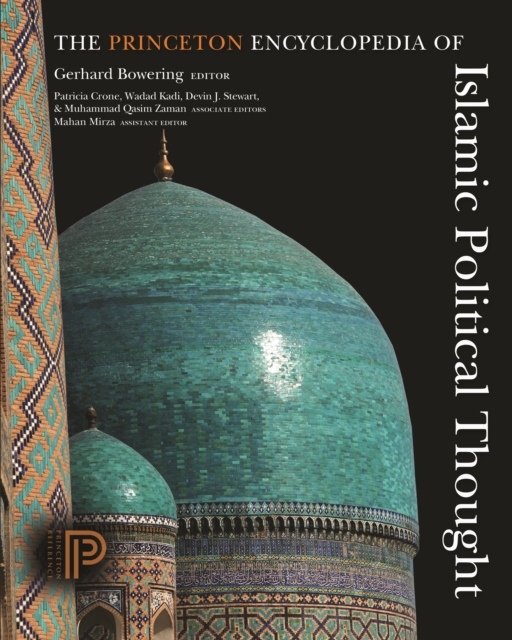
An indispensable guide to Islamic political thought from Muhammad to the twenty-first centuryThe first encyclopedia of Islamic political thought from the birth of Islam to today, this comprehensive, authoritative, and accessible reference provides the context needed for understanding contemporary politics in the Islamic world and beyond.
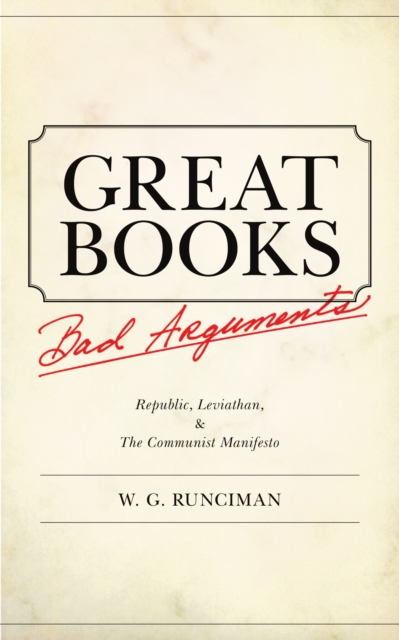
Why Plato, Hobbes, and Marx are great-despite their argumentsPlato's Republic, Hobbes's Leviathan, and Marx's Communist Manifesto are universally acknowledged classics of Western political thought.
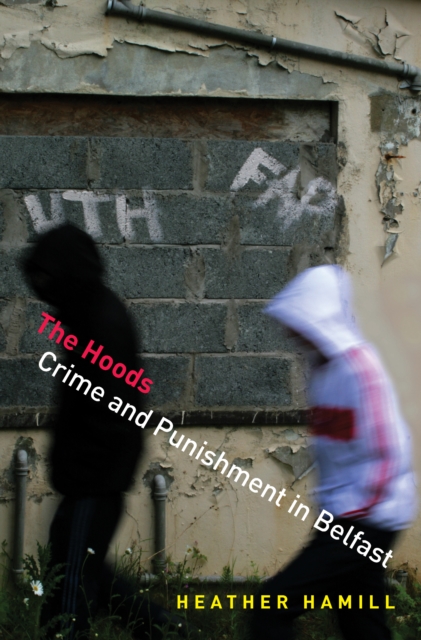
A distinctive feature of the conflict in Northern Ireland over the past forty years has been the way Catholic and Protestant paramilitaries have policed their own communities.
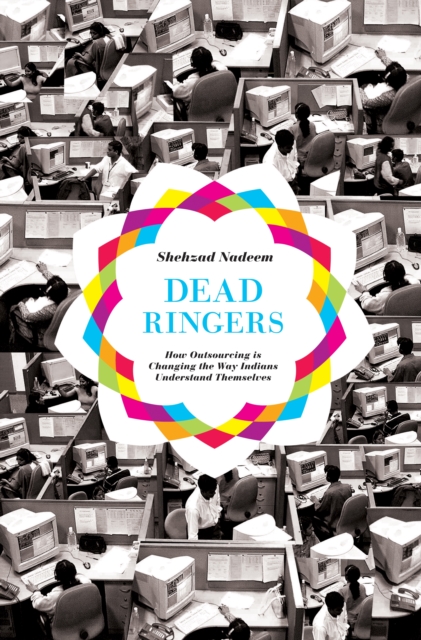
A vivid portrait of India's outsourcing industryIn the Indian outsourcing industry, employees are expected to be "e;dead ringers"e; for the more expensive American workers they have replaced-complete with Westernized names, accents, habits, and lifestyles that are organized around a foreign culture in a distant time zone.
Revealing the human side of economic lifeOver the past three decades, economic sociology has been revealing how culture shapes economic life even while economic facts affect social relationships.
How ordinary citizens band together to bring about real changeIn an America where the rich and fortunate have free rein to do as they please, can the ideal of liberty and justice for all be anything but an empty slogan?
Is the United States "e;the land of equal opportunity"e; or is the playing field tilted in favor of those whose parents are wealthy, well educated, and white?
Along the Archival Grain offers a unique methodological and analytic opening to the affective registers of imperial governance and the political content of archival forms.
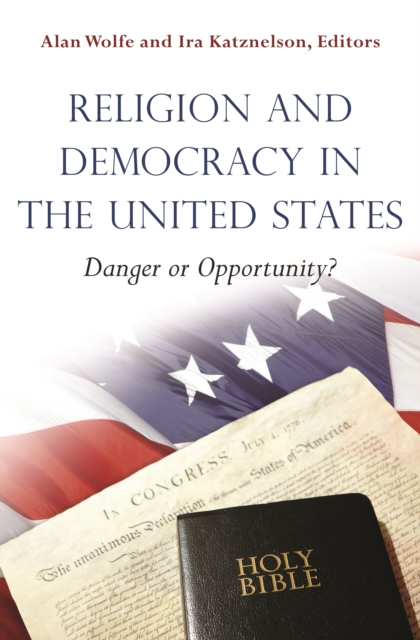
Why religion must be separated from politics if democracy is to thrive around the worldFor eight years the president of the United States was a born-again Christian, backed by well-organized evangelicals who often seemed intent on erasing the church-state divide.
How identity influences the economic choices we makeIdentity Economics provides an important and compelling new way to understand human behavior, revealing how our identities-and not just economic incentives-influence our decisions.
In The Religious Left and Church-State Relations, noted constitutional law scholar Steven Shiffrin argues that the religious left, not the secular left, is best equipped to lead the battle against the religious right on questions of church and state in America today.
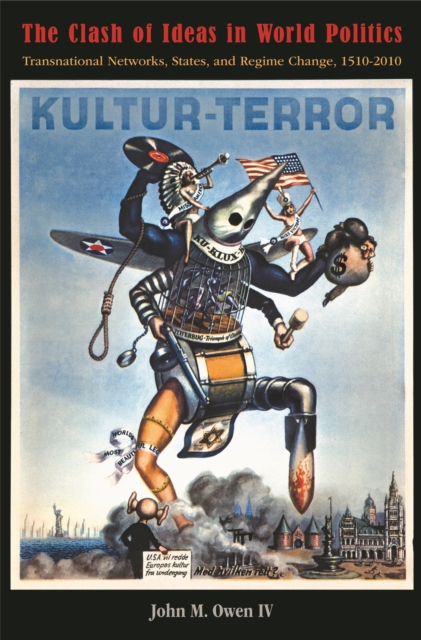
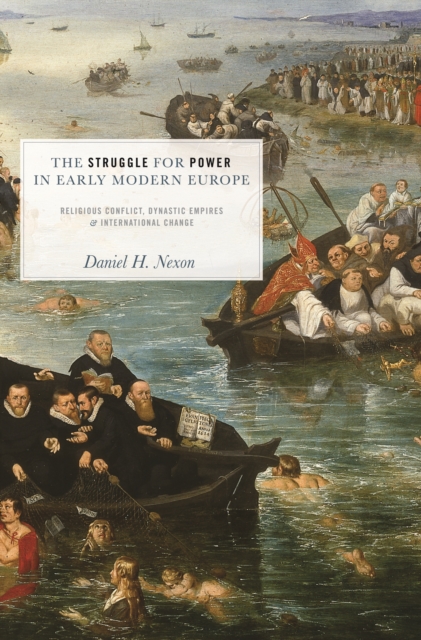
Scholars have long argued over whether the 1648 Peace of Westphalia, which ended more than a century of religious conflict arising from the Protestant Reformations, inaugurated the modern sovereign-state system.
The project of twentieth-century sociology and political science--to create predictive scientific theory--resulted in few full-scale theories that can be taken off the shelf and successfully applied to empirical puzzles.
Where do neighborhoods come from and why do certain resources and effects--such as social capital and collective efficacy--bundle together in some neighborhoods and not in others?
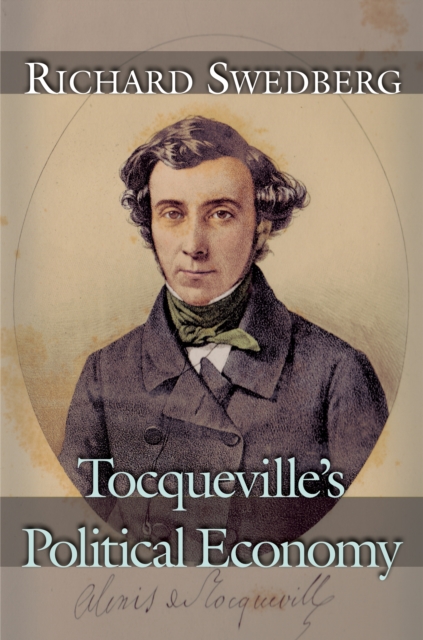
Alexis de Tocqueville (1805-59) has long been recognized as a major political and social thinker as well as historian, but his writings also contain a wealth of little-known insights into economic life and its connection to the rest of society.
The analysis of how institutions are formed, how they operate and change, and how they influence behavior in society has become a major subject of inquiry in politics, sociology, and economics.
Since the 1980s, there has been explosive growth in the use of experimental methods in economics, leading to exciting developments in economic theory and policy.
Timely and pathbreaking, Securing the Peace is the first book to explore the complete spectrum of civil war terminations, including negotiated settlements, military victories by governments and rebels, and stalemates and ceasefires.
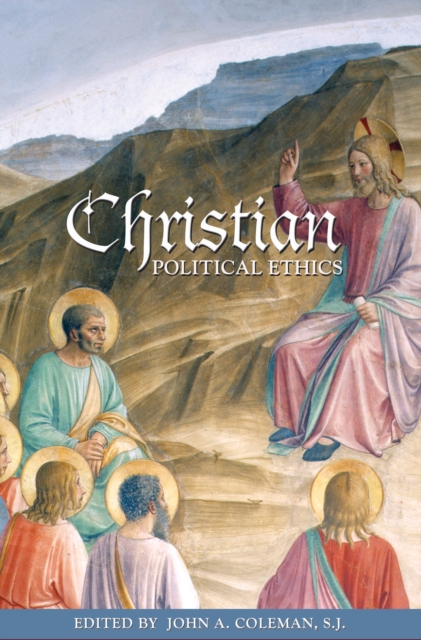
Christian Political Ethics brings together leading Christian scholars of diverse theological and ethical perspectives--Catholic, Lutheran, Calvinist, and Anabaptist--to address fundamental questions of state and civil society, international law and relations, the role of the nation, and issues of violence and its containment.
There's a scene in Lewis Carroll's Through the Looking Glass in which the Red Queen, having just led a chase with Alice in which neither seems to have moved from the spot where they began, explains to the perplexed girl: "e;It takes all the running you can do, to keep in the same place.
This book presents results of a cross-national research project on self-employment in eleven advanced economies and demonstrates how and why the practice is reemerging in modern societies.