A vital and underappreciated dimension of social interaction is the way individuals justify their actions to others, instinctively drawing on their experience to appeal to principles they hope will command respect.
Emilio Gentile, an internationally renowned authority on fascism and totalitarianism, argues that politics over the past two centuries has often taken on the features of religion, claiming as its own the prerogative of defining the fundamental purpose and meaning of human life.
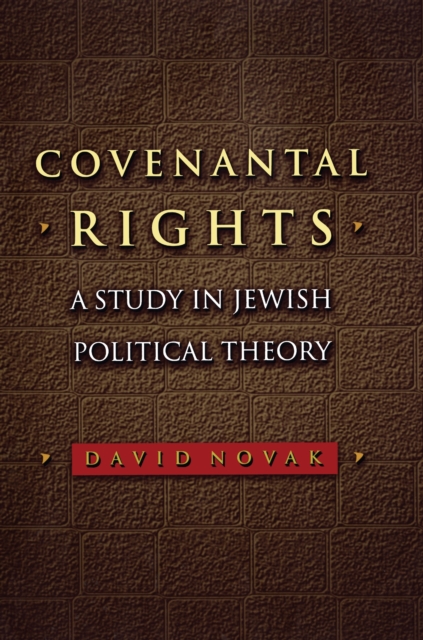
Covenantal Rights is a groundbreaking work of political theory: a comprehensive, philosophically sophisticated attempt to bring insights from the Jewish political tradition into current political and legal debates about rights and to bring rights discourse more fully into Jewish thought.
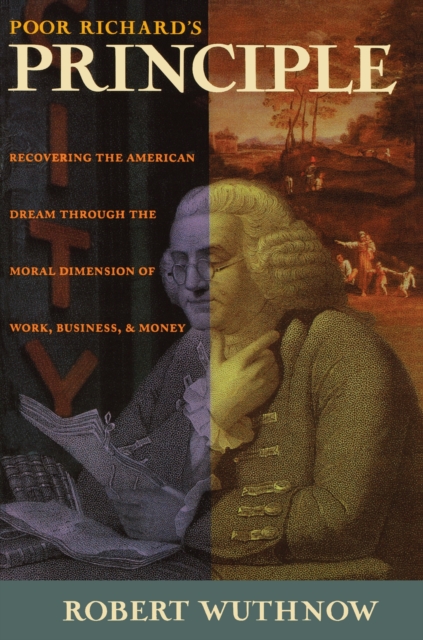
The American Dream is in serious danger, according to Robert Wuthnow--not because of economic conditions, but because its moral underpinnings have been forgotten.
This book offers a compelling and comprehensive account of what happened to the KGB when the Soviet Union collapsed and the world's most powerful and dangerous secret police organization was uncloaked.
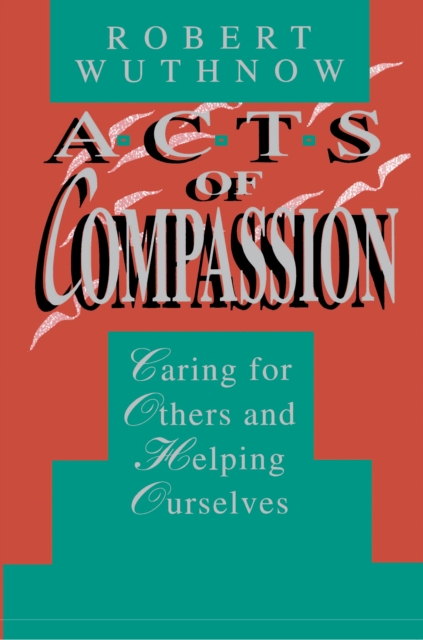
Robert Wuthnow finds that those who are most involved in acts of compassion are no less individualistic than anyone else--and that those who are the most intensely individualistic are no less involved in caring for others.
The book provides a clear and straightforward presentation of Christian truth for the average Christian believer in understandable, non-ecclesiastical, language.
The ideology of the American dream--the faith that an individual can attain success and virtue through strenuous effort--is the very soul of the American nation.
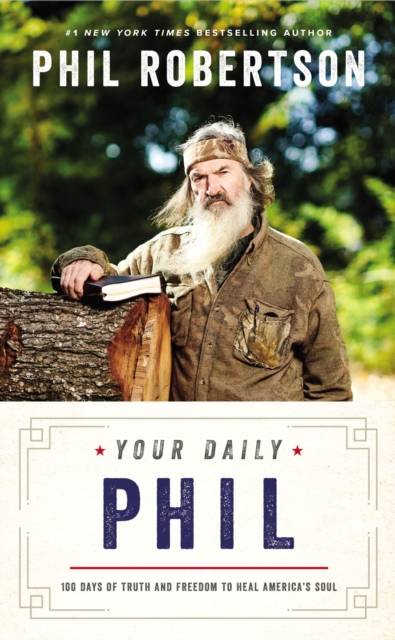
Strengthen your faith with a daily dose of truth, morality, and biblical wisdom from A&E Duck Dynasty patriarch Phil Robertson in this 100-day devotional.
The president of Southern Seminary reveals how secularism has infiltrated every aspect of society and how Christians, equipped with the gospel of Jesus Christ, can meet it head on with hope, confidence, and steadfast conviction.
Past Present shows readers how to change destructive relationship patterns by identifying the root issues from their pasts and finding the source of healing for their unique stories.
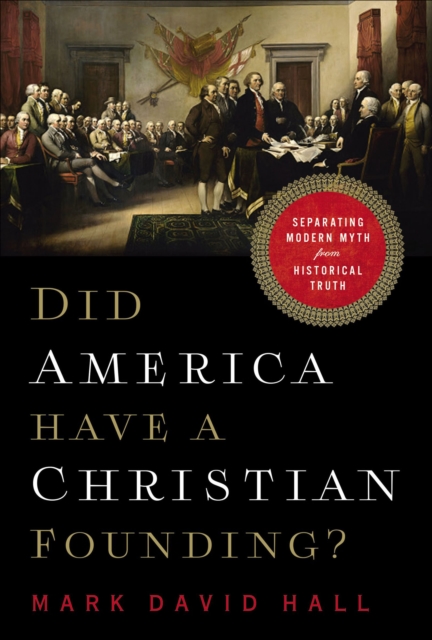
A distinguished professor debunks the assertion that America's Founders were deists who desired the strict separation of church and state and instead shows that their political ideas were profoundly influenced by their Christian convictions.
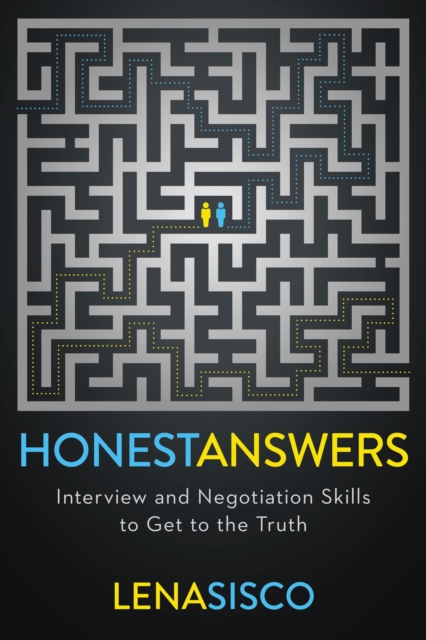
BECOME A MASTER AT NEGOTIATION AND COMMUNICATIONNever go into an important conversation feeling unheard, unprepared, or uninformed againapply the proven SISCO method for communication to become a master negotiator, trusted interviewer, and engaging conversationalist.
Learn how to cultivate the most incredible customer experiences on earth through this essential guide by Colin Cowie, distinguished purveyor of unforgettable ';wow' events for the world's most demanding clients.
An unvarnished portrait of gentrification in an underprivileged, majority-minority small cityNewburgh is a small postindustrial city of some twenty-eight thousand people located sixty miles north of New York City in the Hudson River Valley.
A philosophical investigation into the connections between trust and violenceThe limiting of violence through state powers is one of the central projects of the modern age.
A fascinating exploration of the urbanism at the heart of Utopian thinkingThe vision of Utopia obsessed the nineteenth-century mind, shaping art, literature, and especially town planning.
Covenantal Rights is a groundbreaking work of political theory: a comprehensive, philosophically sophisticated attempt to bring insights from the Jewish political tradition into current political and legal debates about rights and to bring rights discourse more fully into Jewish thought.
Building on their important findings in The Source of the River, the authors now probe even more deeply into minority underachievement at the college level.
How songs achieve commercial success on the radioDespite the growth of digital media, traditional FM radio airplay still remains the essential way for musicians to achieve commercial success.
Perfect for fans of Conversations with Friends, Luster and My Year of Rest and Relaxation, Wet Paint is a novel exploring the highs and lows of friendship, love and loss that is incisive, darkly funny and achingly poignant.
For more than a century, the American medical profession insisted that doctors be rigorously trained in medical science and dedicated to professional ethics.
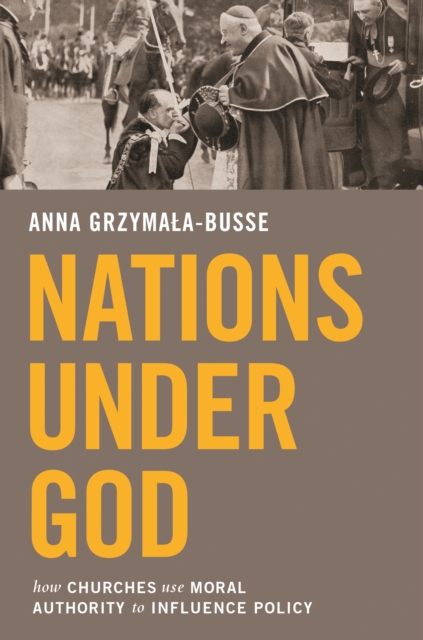
Why churches in some democratic nations wield enormous political power while churches in other democracies don'tIn some religious countries, churches have drafted constitutions, restricted abortion, and controlled education.
Since the 1980s, there has been explosive growth in the use of experimental methods in economics, leading to exciting developments in economic theory and policy.
Advances in the social sciences have emerged through a variety of research methods: field-based research, laboratory and field experiments, and agent-based models.
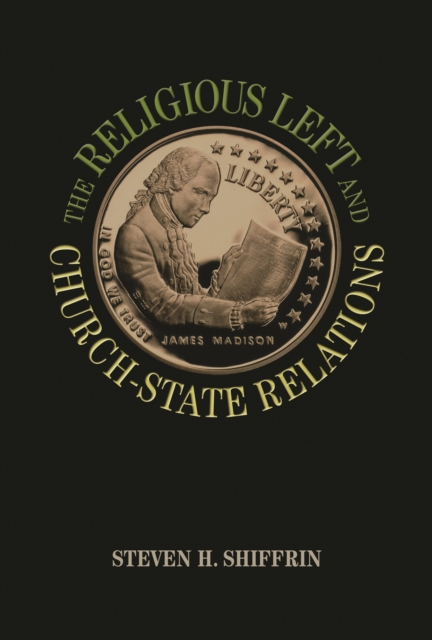
In The Religious Left and Church-State Relations, noted constitutional law scholar Steven Shiffrin argues that the religious left, not the secular left, is best equipped to lead the battle against the religious right on questions of church and state in America today.
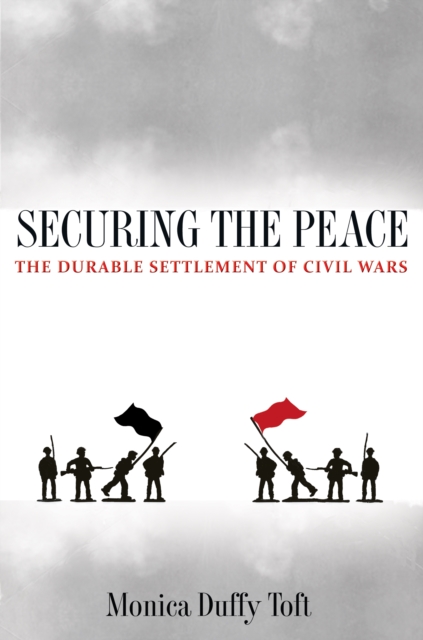
Timely and pathbreaking, Securing the Peace is the first book to explore the complete spectrum of civil war terminations, including negotiated settlements, military victories by governments and rebels, and stalemates and ceasefires.
The American Dream is in serious danger, according to Robert Wuthnow--not because of economic conditions, but because its moral underpinnings have been forgotten.
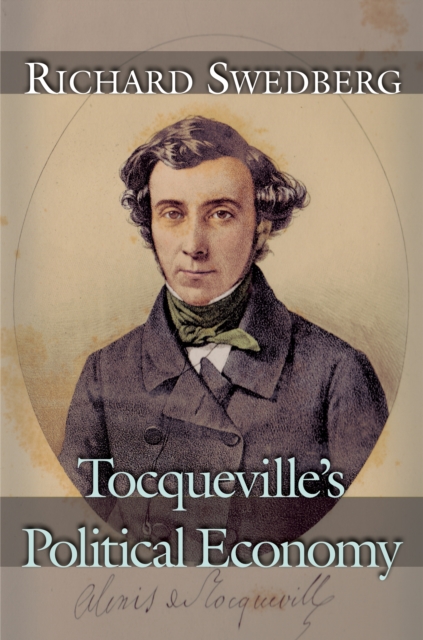
Alexis de Tocqueville (1805-59) has long been recognized as a major political and social thinker as well as historian, but his writings also contain a wealth of little-known insights into economic life and its connection to the rest of society.
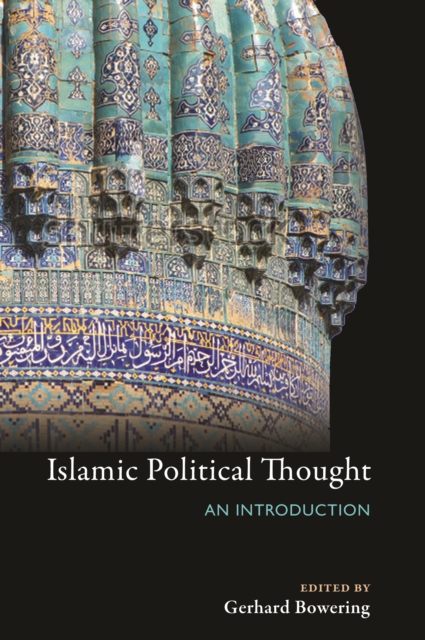
A concise and authoritative introduction to Islamic political ideasIn sixteen concise chapters on key topics, this book provides a rich, authoritative, and up-to-date introduction to Islamic political thought from the birth of Islam to today, presenting essential background and context for understanding contemporary politics in the Islamic world and beyond.