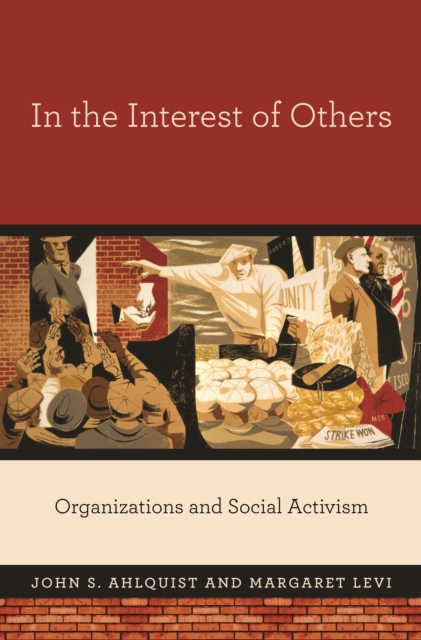
A groundbreaking study of labor unions that advances a new theory of organizational leadership and governanceIn the Interest of Others develops a new theory of organizational leadership and governance to explain why some organizations expand their scope of action in ways that do not benefit their members directly.
Descubre la esencia del 'hygge', el secreto danés para una vida más feliz y significativa, en esta guía práctica y acogedora que te llevará por un viaje transformador hacia el bienestar y la felicidad cotidiana.
The relationship between colonial pluralism and nationalist civil war in former British coloniesWhy do some communities fight civil wars over national self-rule while others do not?
This best-selling text on marriages, families, and relationships combines an authoritative, yet applied approach with a theme that is especially relevant today: making choices in a diverse society.
Using engaging stories and clear writing, HUMANITY: AN INTRODUCTION TO CULTURAL ANTHROPOLOGY, Eleventh Edition, introduces cultural anthropology within a solid framework centered on globalization and culture change.
As globally recognized arbitration experts, the authors of THE LABOR RELATIONS PROCESS bring nearly a century of combined experience with the labor movement, labor relations, and collective bargaining to this popular text.
The latest addition to the acclaimed series showcasing the best sports writing from the past yearFor over twenty-five years, The Best American Sports Writing has built a solid reputation by showcasing the greatest sports journalism of the previous year, culled from hundreds of national, regional, and specialty print and digital publications.
'A roadmap back to yourself Mel Robbins Opens us to a different way of thinking Dr Ramani Durvasula Her compassionate approach, rigorous research, and insightful analysis make this book a must-read' Paul Brunson*FOREWORD BY MEL ROBBINS*A tried-and-tested handbook for understanding why you are experiencing High-Functioning Depression and how you can find the way back to hope and your true self.
The instant New York Times bestselling memoir that everyone is talking about'This book about open marriage is going to blow up your group chat' The Washington PostMolly Roden Winter was a mother of small children with a husband, Stewart, who often worked late.
*; Explains Aikido solutions for peacefully resolving difficulties that arise with intimidating and unpredictable people, those who are stubborn or don't listen, insincere people who want something from you, and chaotic situations*; Presents Aikido's step-by-step protocol for developing the receptiveness of the beginner's mind and deescalating potentially violent or dangerous situations*; Shares stories of how Aikido helped the author transform interpersonal difficulties into peaceful interactionsIlluminating the inner philosophical and practical aspects of Aikido, 47-year Aikido practitioner and 6th-degree black belt Susan Perry, Ph.
How a largely Latino/a workforce of immigration agents reconciles the moral ambiguities of its workImmigration agents have a frontline view of the racial, economic, and legal inequalities that undocumented migration reflectsand yet most agents do not think of the role their jobs play in those inequalities.
Immerse yourself in the fascinating world of the samurai with "e;The Great Age of the Samurai - The Warrior's Long Journey from Ancient Japan to Modern Times"e;.
This book offers a compelling and comprehensive account of what happened to the KGB when the Soviet Union collapsed and the world's most powerful and dangerous secret police organization was uncloaked.
Longlisted for the Financial Times and Schroders Business Book of the Year AwardA novel economic interpretation of how religions have become so powerful in the modern worldReligion in the twenty-first century is alive and well across the world, despite its apparent decline in North America and parts of Europe.
A follow-up to the wildly successful What My Mother and I Don't Talk About, this ';moving and deeply relatable' (Qian Julie Wang, New York Times bestselling author of Beautiful Country) collection of essays from sixteen notable writers breaks the silence on the complexand sometimes contentiousrelationships we have with our fathers.
This thorough revision of Babbie's standard-setting text presents a succinct, straightforward introduction to the field of research methods as practiced by social scientists.
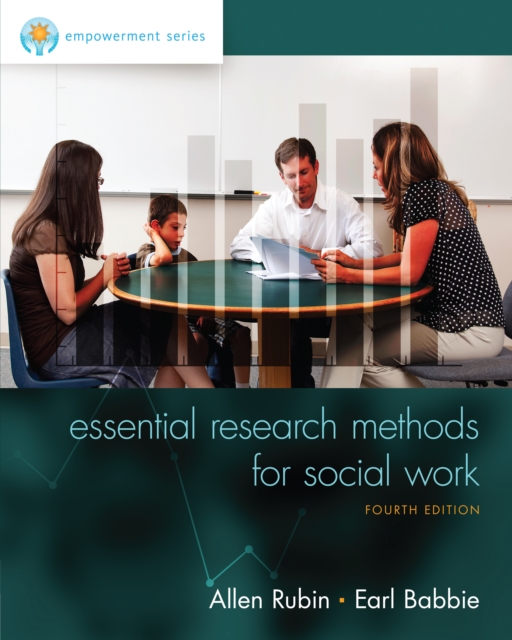
Reader friendly and clear, Rubin and Babbie's concise and social work-specific research methods text provides you with the tools you need to understand the essential content for the course.
This practical, easy-to-follow book explains the basics of statistics, emphasizing useful applications and skill development rather than complicated math.
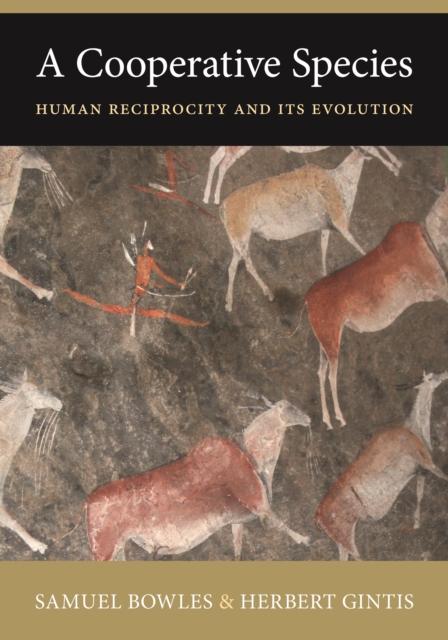
A fascinating look at the evolutionary origins of cooperationWhy do humans, uniquely among animals, cooperate in large numbers to advance projects for the common good?
How only violence and catastrophes have consistently reduced inequality throughout world historyAre mass violence and catastrophes the only forces that can seriously decrease economic inequality?
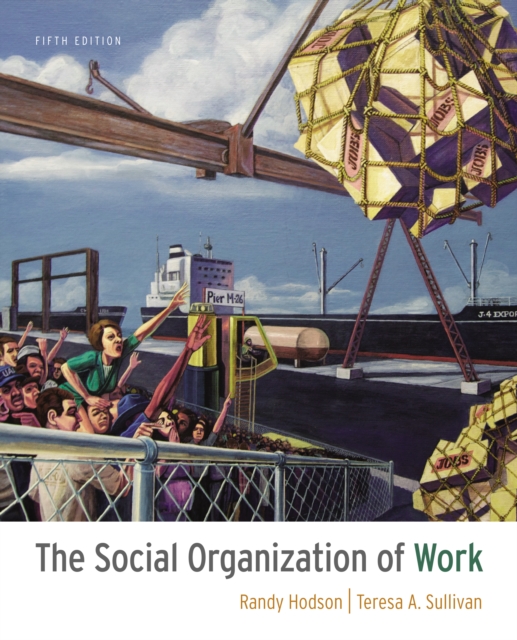
THE SOCIAL ORGANIZATION OF WORK, Fifth Edition, follows a simple structure and uses clear writing to present the material you need in an easily accessible format.
A provocative look at the central role of slavery in Augustine's religious, ethical, and political thoughtAugustine believed that slavery is permissible, but to understand why, we must situate him in his late antique Roman intellectual context.
Understanding Girls' Problem Behavior presents an overview of recent studies by leading researchers into key aspects of the development of problem behavior in girls.
Sociology For Dummies helps you understand the complex field of sociology, serving as the ideal study guide both when you're deciding to take a class as well as when you are already participating in a course.
Applying Theory to Educational Research provides educational researchers with an accessible introduction to the process of selecting and applying theories in their work.
Sociology For Dummies helps you understand the complex field of sociology, serving as the ideal study guide both when you're deciding to take a class as well as when you are already participating in a course.
Die spürbaren Konsequenzen der Veränderungsdynamik in der Arbeitswelt (Digitalisierung, Globalisierung, demografischer Wandel) erfordern Konzepte und Methoden, die eine den Menschen gleichermaßen fördernde wie gesund erhaltende Arbeitsgestaltung und Kompetenzentwicklung umfassen.