The Russian invasion of Ukraine in February 2022 produced not only military and humanitarian responses but also scholarly and artistic ones from Ukrainians looking to the future of their country.
This book argues that, even by the transactional metrics of the Trump administration, the transatlantic Alliance is of enduring value to both the US and Europe.
This book argues that, even by the transactional metrics of the Trump administration, the transatlantic Alliance is of enduring value to both the US and Europe.
How did the evolution of new gunpowder weapons change the nature, structure and composition of the Florentine militias during the first decades of the sixteenth century?
This book examines the strategic role of weaponized narratives and foreign information manipulation and interference (FIMI) in international relations.
This book examines the strategic role of weaponized narratives and foreign information manipulation and interference (FIMI) in international relations.
This book offers a comprehensive analysis of the evolution of US naval presence and strategy in one of the world's most strategically significant regions.
This book offers a comprehensive analysis of the evolution of US naval presence and strategy in one of the world's most strategically significant regions.
This book explores the nuances of settlement, migration, development, and geopolitics in the region known as the Siliguri Corridor, located in eastern India.
This book explores the nuances of settlement, migration, development, and geopolitics in the region known as the Siliguri Corridor, located in eastern India.
A SPECIAL ANNIVERSARY EDITION TO COMMEMORATE 80 YEARS SINCE THE EXTRAORDINARY EVENTS OF 1943 Sophie Scholl and the White Rose tells the gripping true story of five Munich university students who set up an underground resistance movement in World War II.
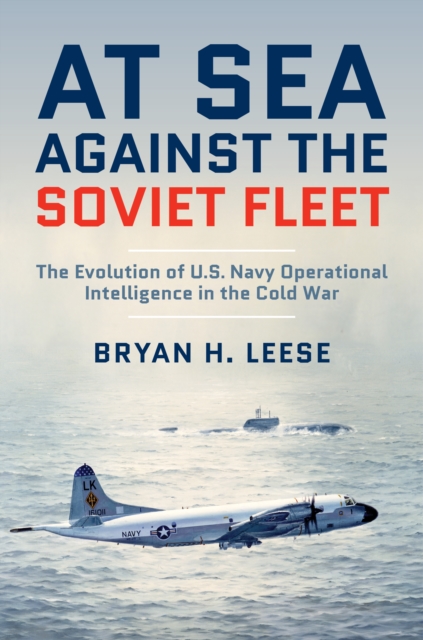
At Sea Against the Soviet Fleet is a history of the evolution of the United States Navys Operational Intelligence culture that informs great power competition with China today.
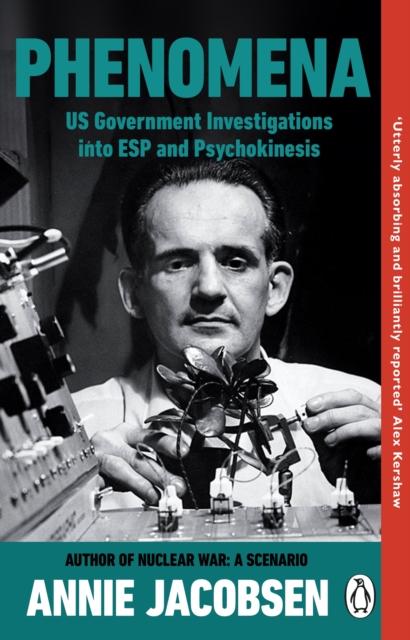
From the author of Nuclear War: A Scenario, this is the gripping story of how a select group of scientists, under the watchful eye of the CIA, sought to harness the power of the mind as tools of espionage and warfare.
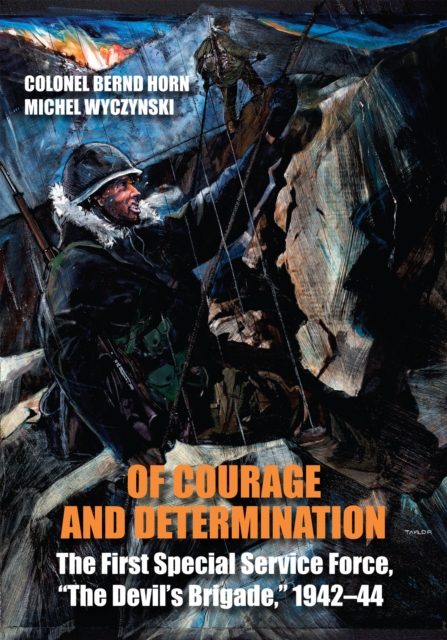
An Allied unit comprised of Canadian and American troops, the First Special Service Force or "e;Devil's Brigade"e; struck fear into the very heart of the Axis.