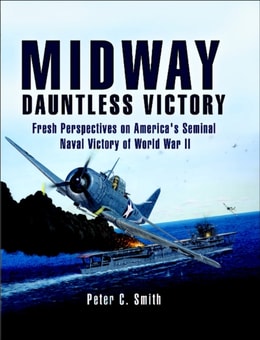
This is an in-depth study of the battle of Midway that reviews the many previous accounts and compares their accuracy and veracity with fresh documentation that has been released recently, including new material on the post-war analysis made by a US select committee.
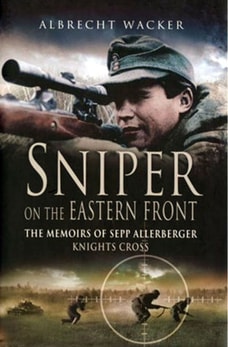
A biography of the second most successful sniper of the German Wehrmacht and one of the few private soldiers to be honored with the Knights Cross award.
In Dawn of D-Day David Howarth weaves together the testimony of hundreds of eye-witnesses and has produced a breath-taking and atmospheric account of the greatest amphibious landing ever attempted.
In Dawn of D-Day David Howarth weaves together the testimony of hundreds of eye-witnesses and has produced a breath-taking and atmospheric account of the greatest amphibious landing ever attempted.
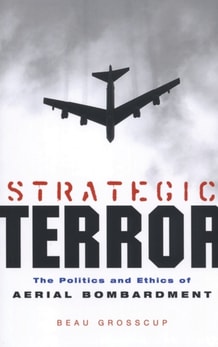
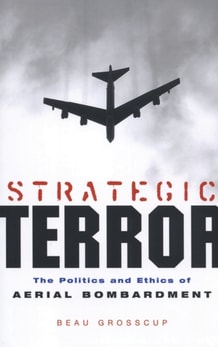
Presenting a global history of aerial bombardment, this book shows how certain European powers initiated aerial bombardment of civilians after World War I, and how it was an instrument of choice in World War II.
Presenting a global history of aerial bombardment, this book shows how certain European powers initiated aerial bombardment of civilians after World War I, and how it was an instrument of choice in World War II.
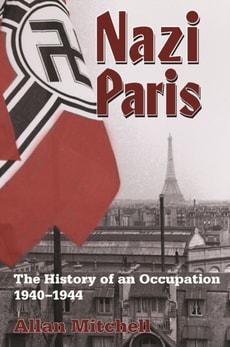
Basing his extensive research into hitherto unexploited archival documentation on both sides of the Rhine, Allan Mitchell has uncovered the inner workings of the German military regime from the Wehrmacht s triumphal entry into Paris in June 1940 to its ignominious withdrawal in August 1944.
In this first interdisciplinary study of this contentious subject, leading experts in politics, history, and philosophy examine the complex aspects of the terror bombing of German cities during World War II.
The early twentieth-century advent of aerial bombing made successful evacuations essential to any war effort, but ordinary people resented them deeply.
The exodus of refugees from Nazi Germany in the 1930s has received far more attention from historians, social scientists, and demographers than many other migrations and persecutions in Europe.
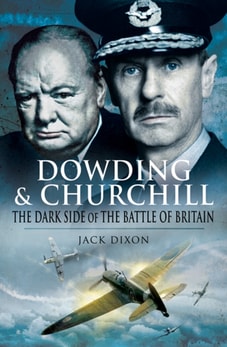
Winston Churchill was an extraordinary person - a politician, a statesman, a man of letters and a soldier but it was for his wartime leadership during the Second World War that he is chiefly remembered.
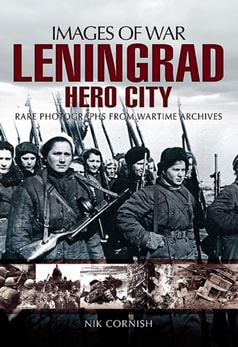
The 900-day siege of the Soviet city of Leningrad by the combined forces of the Germans and the Finns is one of the most remarkable, and terrible, events of the Second World War, yet until recently it has not received the attention it deserves it has been overshadowed by other massive confrontations on the Eastern Front, at Stalingrad and Kursk.
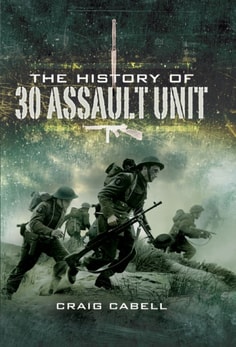
The Second World War spawned a plethora of crack special forces units (Long Range Desert Group, SAS, SBS, Phantom and Commandos) but 30 Assault Unit remains, even today, far more secretive and exclusive than the others.
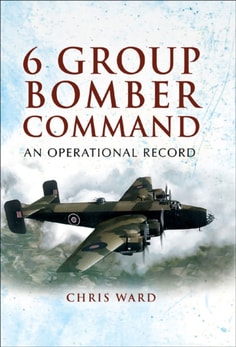
6 Group was born out of the British Commonwealth Air Training Plan (BCATP), which, among other things called for the formation of 25 Canadian Squadrons in Britain.
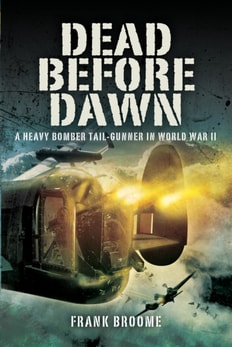
Frank Broome was a 15 year old schoolboy when he experienced the three major blitzes in his home city of Coventry and at the age of 17 volunteered for the Royal Air Force Volunteer Reserve in 1942 for pilot training.
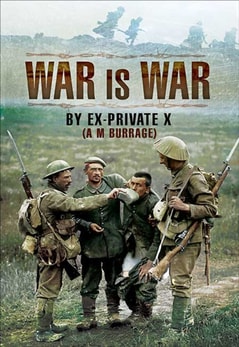
Alfred Burrages War is War is his sincere and successful attempt to record his experiences as a private soldier in France during the First World War, his reactions to abnormal conditions and his observations.
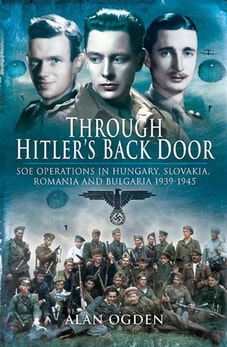
Romania, Bulgaria, Hungary and Slovakia were all German allies in the Second World War, unlike the other countries of Europe which had either been forcibly occupied by the Nazis or remained neutral.
This book examines the period between the unconditional surrender of Japan on 14 August 1945, and the arrival of Allied liberation forces in Japanese-occupied territories after 2 September 1945.
In Part One Powdrill describes his experiences in France during 'the Phoney War and then their baptism by fire in May 1940, culminating in the evacuation from Dunkirk having left their disabled guns behind.
Written by an authority on Adolf Hitler, this book charts new ground and shows how the writings of a deluded ex-monk, Lanz von Liebenfels and the pseudo-science of Liebenfels and other writers, convinced Hitler that Germanys destiny was to save the world from a Jewish-Bolshevik conspiracy.
When the top secret code breaking activities at Bletchley Park were revealed in the 1970s, much of the history of the Second World War had to be rewritten.
The heroic life of the pilot who became an ace with one of the most successful fighter squadrons in the RAF and a captive in a notorious Nazi POW camp.