The Literary Spy provides a unique view of the intelligence world through the words of its own major figures (and those fascinated with them) from ancient times to the present.
Savant Singh (16941764), the Rajput prince of Kishangarh-Rupnagar, is famous for commissioning beautiful works of miniature painting and composing devotional (bhakti) poetry to Krishna under the nom de plume Nagaridas.
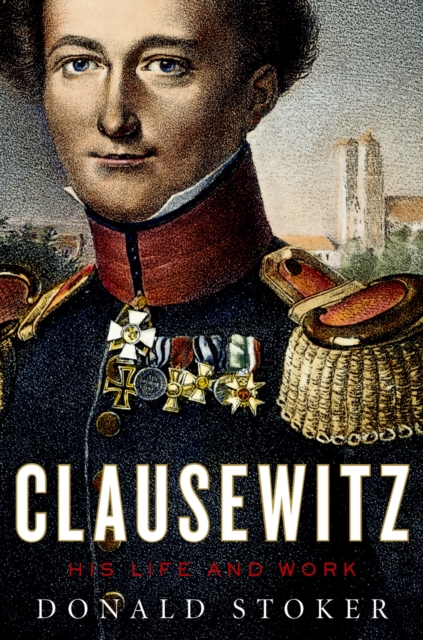
This book reintroduces readers to the lives and writings of the greatest military minds of the modern era, writers whose ideas and teachings continue to shape the conduct of war in the 21st century.
How political regimes have responded when certain modes of transportation—from carrier pigeons to canal boats—have been associated with politically subversive activities.
This book improves our understanding of battlefield coalitions, providing novel theoretical and empirical insight into their nature and capabilities, as well as the military and political consequences of their combat operations.
The definitive account of the rise and fall of the iconic Concorde plane from British Airways' former Chief Concorde Pilot'A remarkable story' DAILY EXPRESS'A stonking good read' FLYER_________What's it like to fly faster than a bullet?
From the former director of GCHQ, learn the methodology used by British intelligence agencies to reach judgements, establish the right level of confidence and act decisively.
*WINNER OF THE DUKE OF WELLINGTON MEDAL FOR MILITARY HISTORY**A DAILY TELEGRAPH BOOK OF THE YEAR 2022*'No one interested in the history of Europe can afford not to read this stupendous book' Simon Heffer, Daily TelegraphIron and Blood is a startlingly ambitious and absorbing book, encompassing five centuries of political, military, technological and economic change to tell the story of the German-speaking lands, from the Rhine to the Balkan frontier, from Switzerland to the North Sea.
John Lewis Gaddis, the distinguished historian and acclaimed author of The Cold War, has for almost two decades co-taught the grand strategy seminar at Yale University with his colleagues Charles Hill and Paul Kennedy.
The recent dedication of the World War II memorial and the sixtieth-anniversary commemoration of D-Day remind us of the hold that World War II still has over America's sense of itself.
The complete war memoirs of the resistance leader Charles de Gaulle, who led France out of its darkest hour during the Nazi occupation during World War II.
Waging Peace offers the first fully comprehensive study of Eisenhower's "e;New Look"e; program of national security, which provided the groundwork for the next three decades of America's Cold War strategy.
Despite their immense war-fighting capacity, the five most powerful states in the international system have failed to attain their primary political objective in almost 40% of their military operations against weak state and non-state targets since 1945.
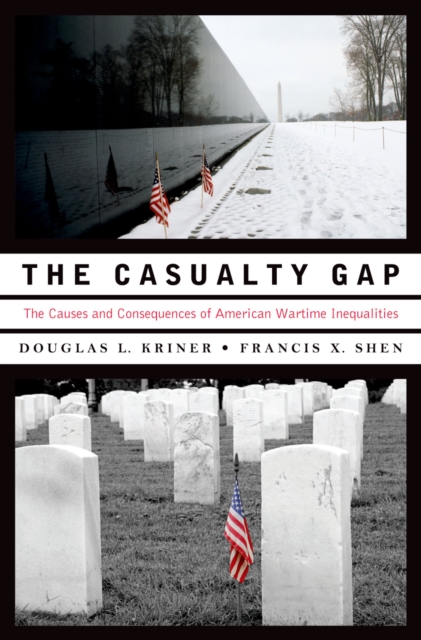
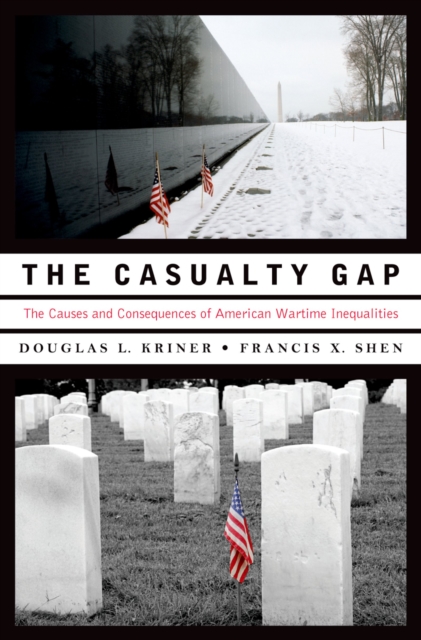
The Casualty Gap shows how the most important cost of American military campaigns--the loss of human life--has been paid disproportionately by poorer and less-educated communities since the 1950s.
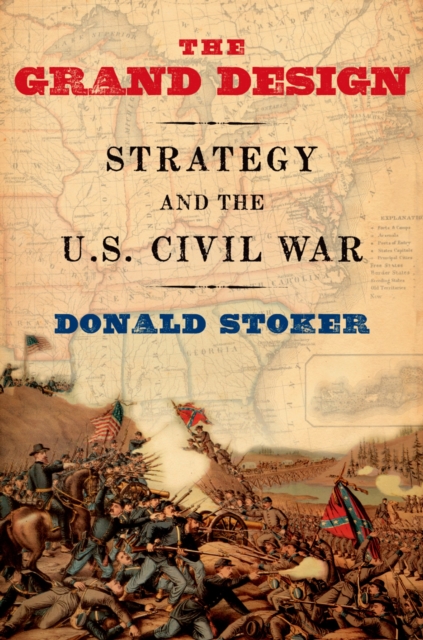
Despite the abundance of books on the Civil War, not one has focused exclusively on what was in fact the determining factor in the outcome of the conflict: differences in Union and Southern strategy.
Michael Oppenheimer's Pivotal Countries, Alternate Futures is both a synthesis of our knowledge on scenario planning and a practical guide for policymakers.
Narrative medicine is a fresh discipline of health care that helps patients and health professionals to tell and listen to the complex and unique stories of illness.
Narrative medicine is a fresh discipline of health care that helps patients and health professionals to tell and listen to the complex and unique stories of illness.
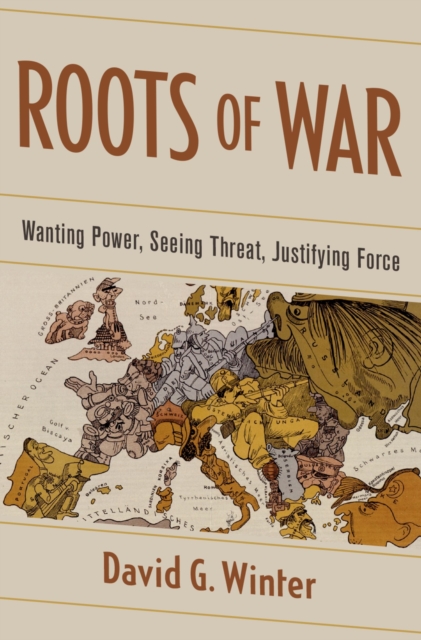
Ever since Thucydides pondered reasons for the outbreak of the Peloponnesian War, writers, philosophers, and social scientists have tried to identify factors that promote conflict escalation: for example, history (tomorrow's wars are often rooted in yesterday's conflicts), changing balance of power among nations, or domestic political forces.
Ever since Thucydides pondered reasons for the outbreak of the Peloponnesian War, writers, philosophers, and social scientists have tried to identify factors that promote conflict escalation: for example, history (tomorrow's wars are often rooted in yesterday's conflicts), changing balance of power among nations, or domestic political forces.
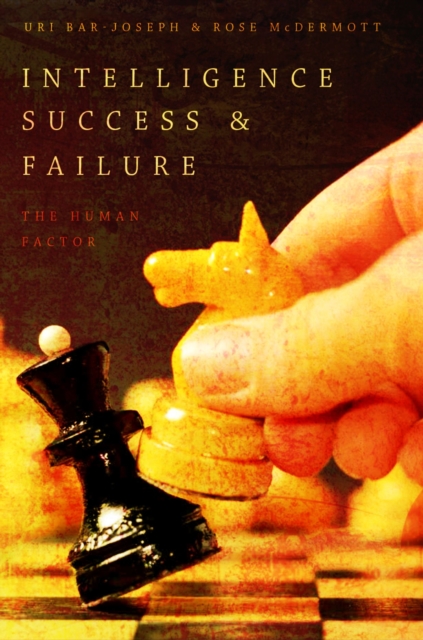
The study of strategic surprise has long concentrated on important failures that resulted in catastrophes such as Pearl Harbor and the September 11th attacks, and the majority of previously published research in the field determines that such large-scale military failures often stem from defective information-processing systems.
Long acknowledged as a classic text on strategy, Sun Tzu's The Art of War had been admired by leaders as diverse as Mao Zedong and General Norman Schwartzkopf.