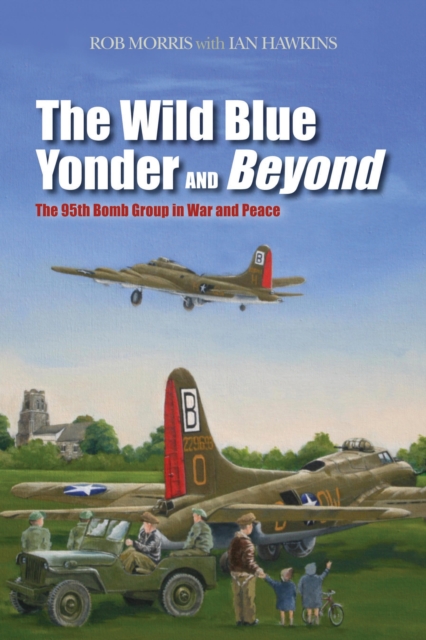
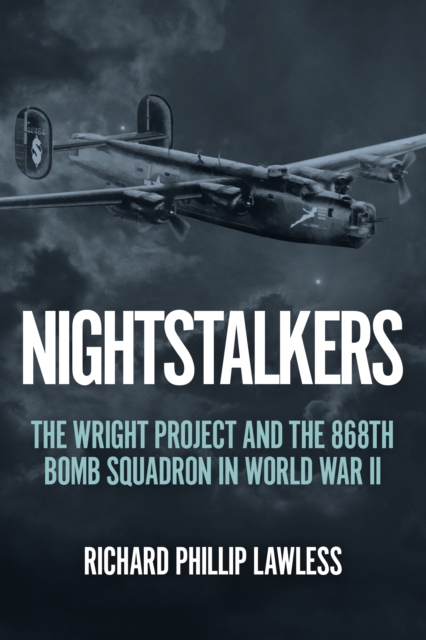
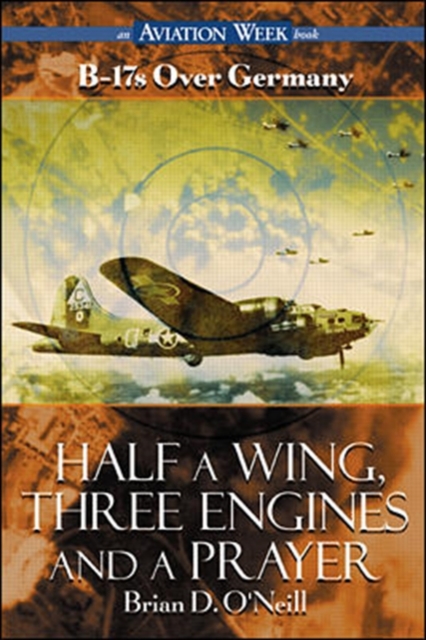
The 95th Bomb Group (Heavy), the most highly decorated bomb group of World War II, participated in every major mission of the war in Europe from May 1943 through the wars end and was awarded an unprecedented three Presidential Unit Citations.
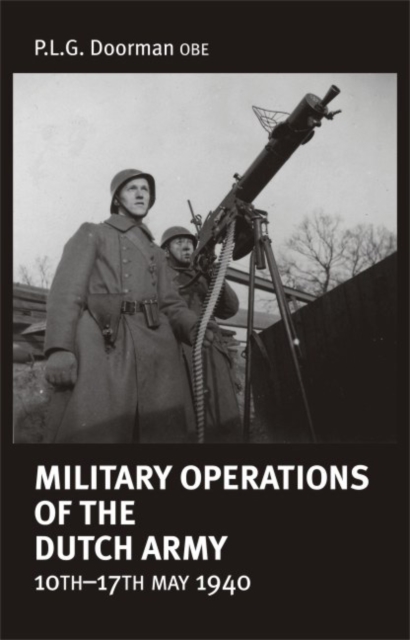
Most studies of the 1940 Western Campaign have tended to focus on a narrow range of topics, principally those relating the German forces or the epic of Dunkirk.
The Battle of Kursk in the summer of 1943 was one of the greatest battles in military history involving more than 3 million soldiers, 10,000 tanks and 8,000 aircraft.
In the later years of the Second World War Germany was subjected to a tremendous onslaught by the bomber commands of both the RAF and USAAF, as well as being assaulted by land.
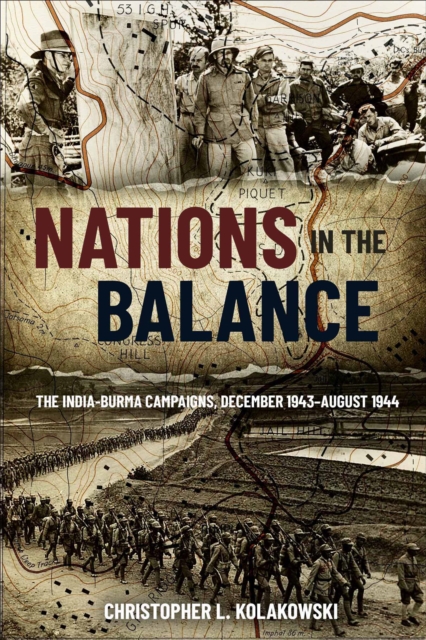
An account of the decisive WWII battles that helped shape Asia's future: "e;Reminds us of the high stakes at risk for both Allies and Axis powers in Burma.
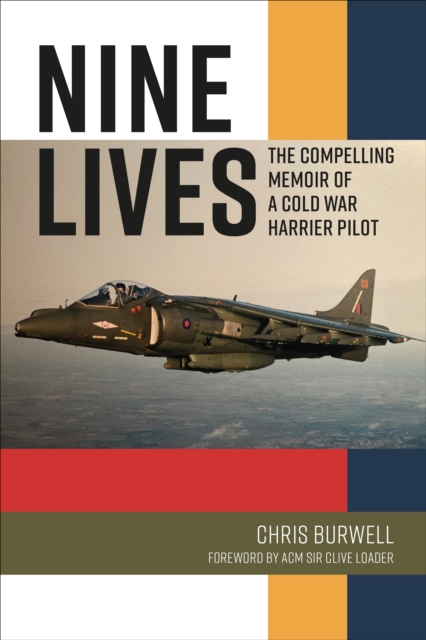
Chris Burwell charts one man's career in aviation from joining the RAF in 1969 aged 18, to having responsibility for training pilots for the world's major airlines nearly 50 years later.
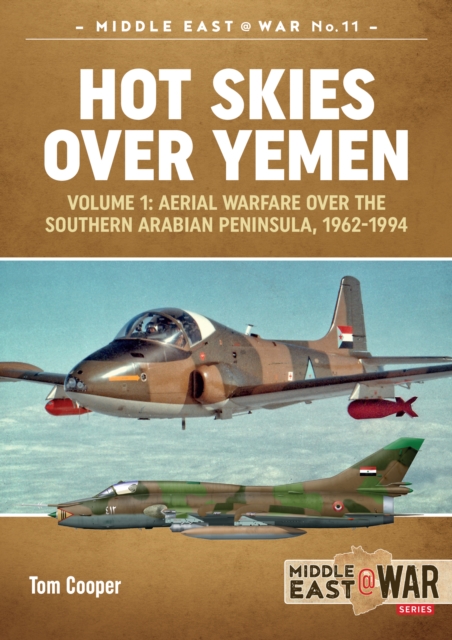
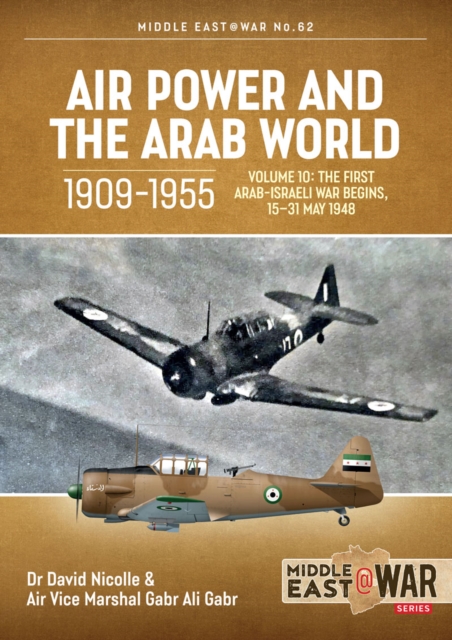
This entry in the MiddleEast@War series is illustrated with abundant photographs from previously unused, or very rarely used, private and official sources.
This book traces the life of Maria Mia Truskier, who fled the Nazis as a young Polish Jew in early 1940 and once safely resettled in the United States, became an activist for other refugees, earning renown in the Bay Area as "e;the oldest refugee"e; of the East Bay Sanctuary Covenant.
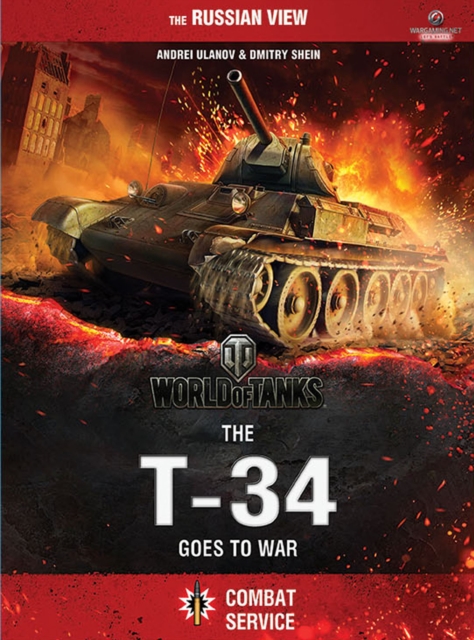
In 2012, the company that created World of Tanks, the phenomenal worldwide massive, multi-player online game, started publishing a series of books in Russian that utilized Soviet documents and archival materials that had never before been seen by outsiders or published in any language about the design, procurement, development, manufacturing, and combat employment of Soviet armored fighting vehicles (AFVs) during World War Two (the Great Patriotic War to Russians).
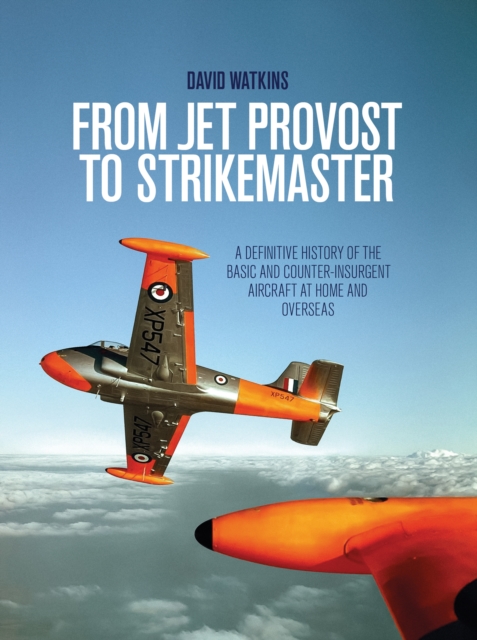
This book covers the complete and long overdue history of the Hunting/BAC Jet Provost and Strikemaster, which for thirty-eight years trained generations of pilots and pioneered the RAF’s all-through flying training program.
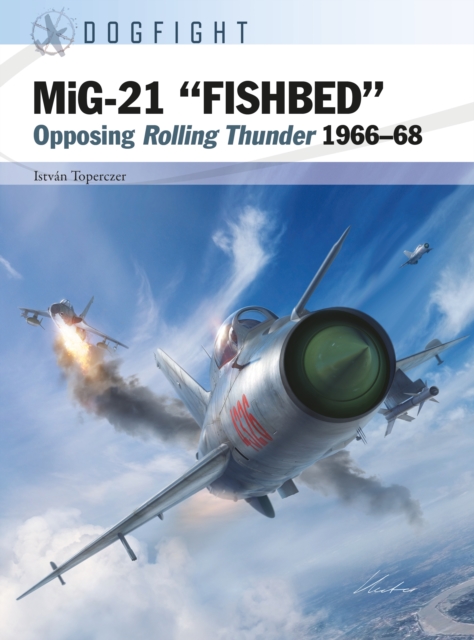
Using archival photographs sourced directly from Vietnam, specially commissioned diagrams and combat accounts from veterans, Istv n Toperczer reveals how the MiG-21 defended Vietnam between 1966 and 1968.
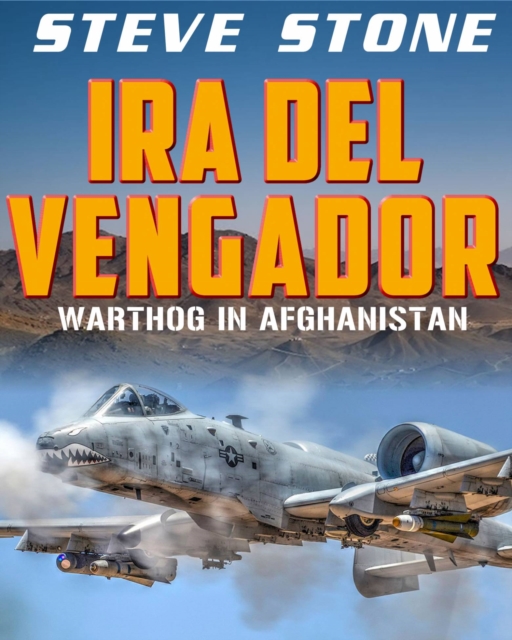
Avenger Wrath es la historia de un Hog Driver y su viaje durante la guerra en Afganistán, que opera desde la base aérea de Bagram con la hermosa, aunque mortal, cadena montañosa afgana como telón de fondo.
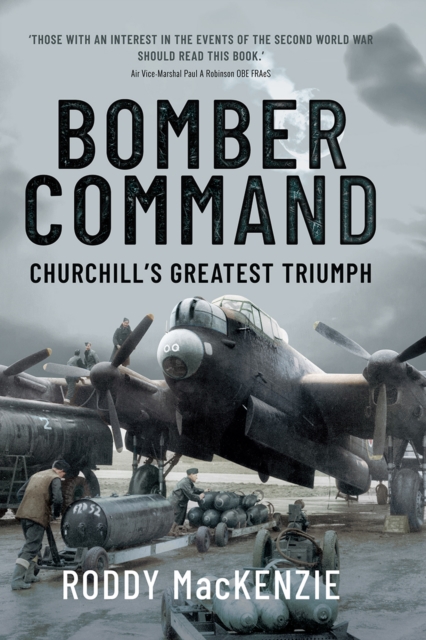
Roddy MacKenzie's father served in Bomber Command during the Second World War, but like so many brave veterans who had survived the war, he spoke little of his exploits.
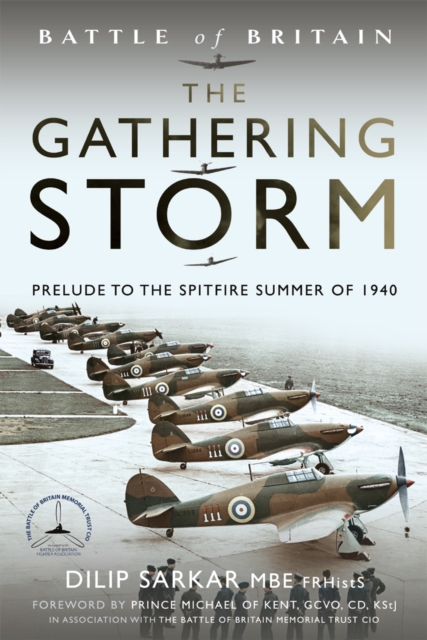
Dilip Sarkar has studied the Battle of Britain period for a lifetime and is renowned for his meticulous research and evidence-based approach, setting events within the broadest possible context.
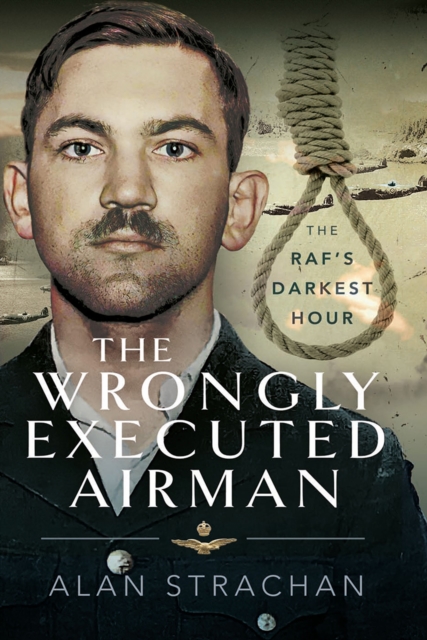
Utilizing forensic evidence that was ignored by the police, and documents that have never before been released to the public, Alan Strachan has produced the horrific account of a man who was wrongfully executed for rape and murder -- even though it is quite possible that there was neither a rape nor a murder.
On June 28, 1976, into the all-male bastion of the United States Air Force Academy 157 women stepped, challenging the slogan over the entrance ramp that read "e;Bring Me Men.
Virginia Hall left her Baltimore home in 1931 to enter the Foreign Service and went to work for the British Special Operations Executive (SOE) when Hitler was building toward the peak of his power in Europe.
On June 28, 1976, into the all-male bastion of the United States Air Force Academy 157 women stepped, challenging the slogan over the entrance ramp that read "e;Bring Me Men.
Virginia Hall left her Baltimore home in 1931 to enter the Foreign Service and went to work for the British Special Operations Executive (SOE) when Hitler was building toward the peak of his power in Europe.
Without what the Allies learned in the Mediterranean air war in 1942-1944, the Normandy landingsand so, perhaps, the Second World War IIwould have ended differently.
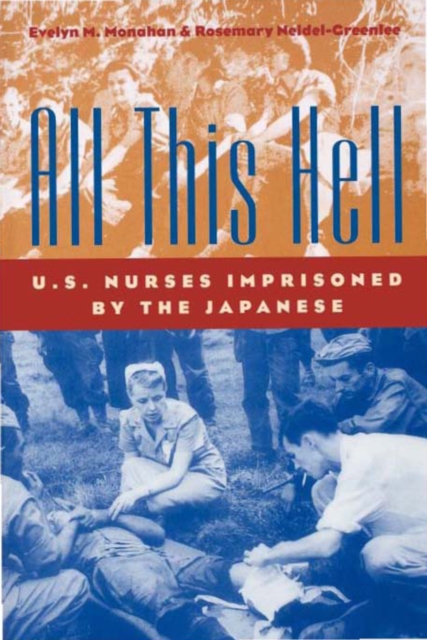
Weaving together information from official sources and personal interviews, Barbara Tomblin gives the first full-length account of the US Army Nurse Corps in the Second World War.
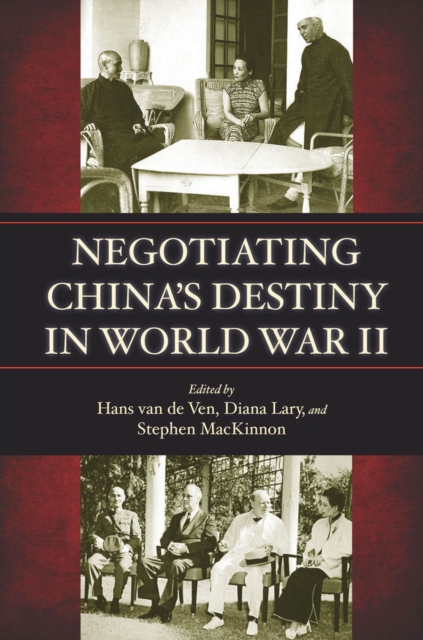
Negotiating China's Destiny explains how China developed from a country that hardly mattered internationally into the important world power it is today.
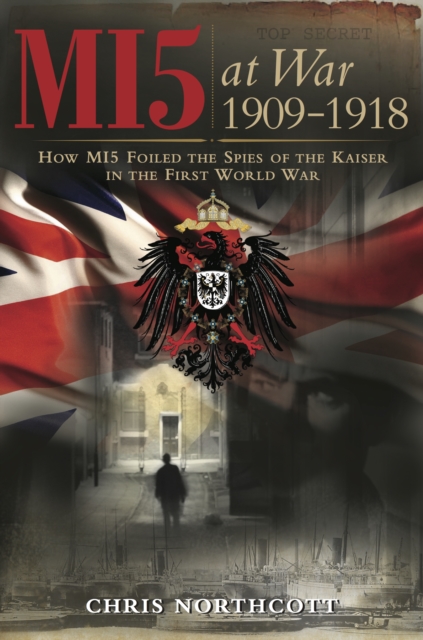
The years 1909-1918 can be regarded as formative for MI5, an era in which it developed from a small counterespionage bureau into an established security intelligence agency.
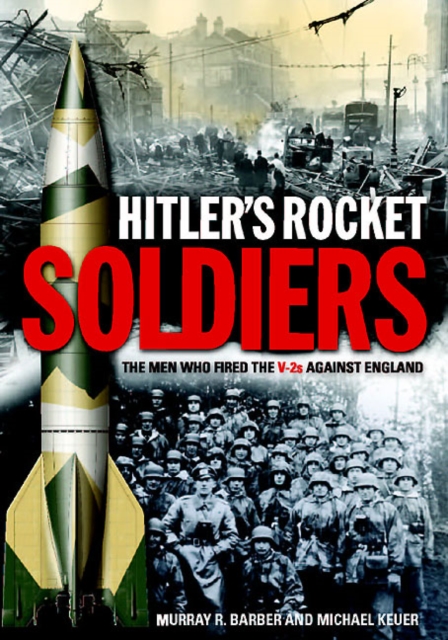
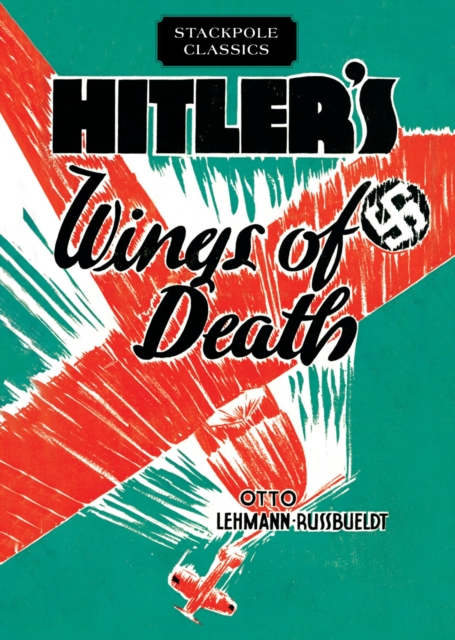
In the final, desperate months of World War Two, at a time when the German war machine was considered by the Allies to be an almost spent force, Adolf Hitler unleashed a new weapon against England and western Europe that fell from the silence of the Earth’s upper atmosphere and the edge of space.
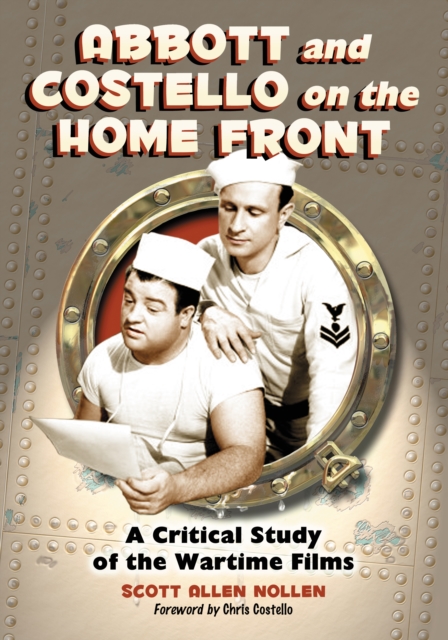
As two of the most popular entertainers of the mid-century film industry, comic greats Bud Abbott and Lou Costello offered an essential balm to the American public following the sorrows of the Great Depression and during the trauma of World War II.
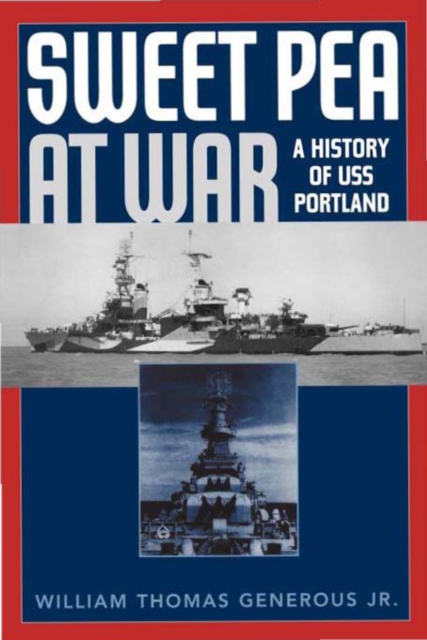
Few ships in American history have had as illustrious a history as the heavy cruiser USS Portland (CA-33), affectionately known by her crew as 'Sweet Pea.
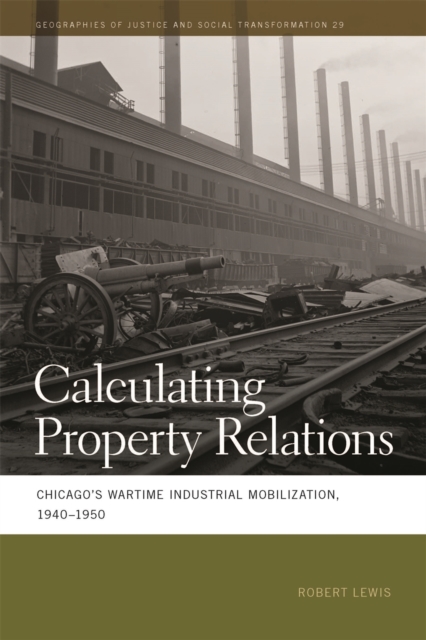
Combining theories of calculation and property relations and using an array of archival sources, this book focuses on the building and decommissioning of state-owned defense factories in World War II-era Chicago.
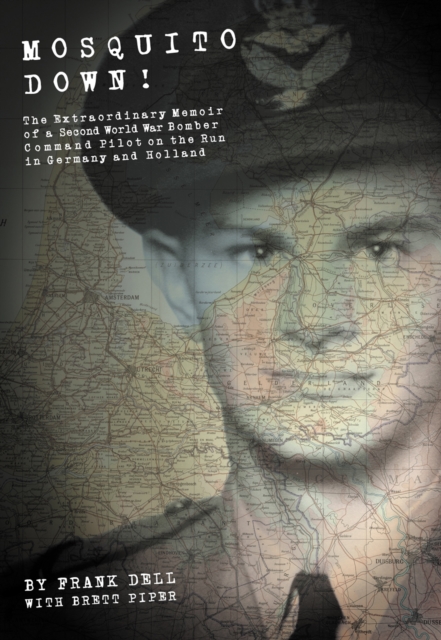
Frank Dell’s experience as a Second World War pilot with the Royal Air Force’s Light Night Striking Force takes an even more dramatic turn when his Mosquito is shot down over Germany on the night of 14/15 October 1944.
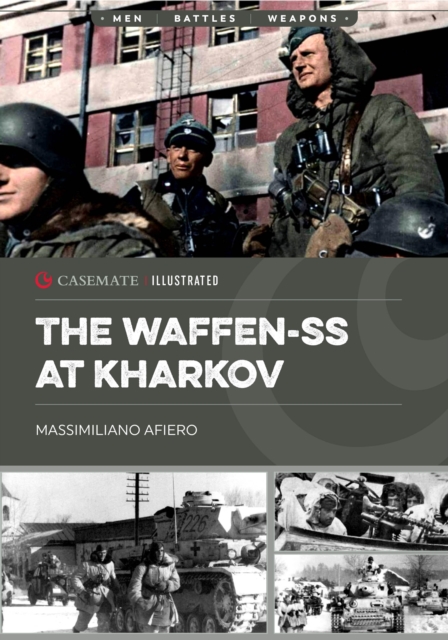
In 1943, German forces launched a counteroffensive, reclaiming Kharkov during a crucial Eastern Front crisisAt the beginning of 1943, the German armed forces were in crisis on the southern front in Russia.
Incorporating a wealth of new material, here is the riveting story of the bombing raids that broke the back of Nazi Germany, praised as "e;a well-researched, highly readable account of a B-17 combat crew's experience .