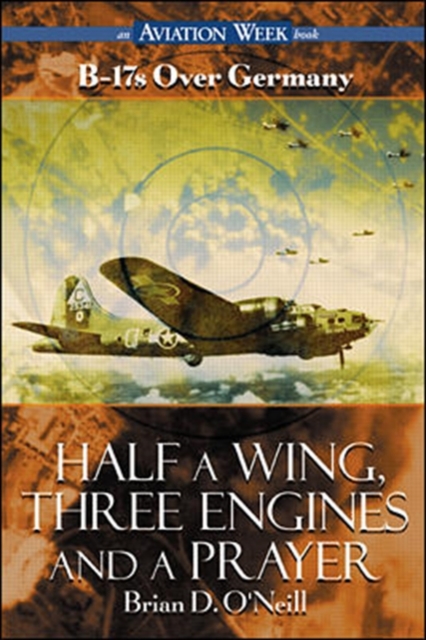
Incorporating a wealth of new material, here is the riveting story of the bombing raids that broke the back of Nazi Germany, praised as "e;a well-researched, highly readable account of a B-17 combat crew's experience .
The Second World War in Eastern Europe is far from a neglected topic, especially since social, cultural, and diplomatic historians have entered a field previously dominated by operational histories, and produced a cornucopia of new scholarship offering a more nuanced picture from both sides of the front.
The master historian John Lukacs explores lasting questions and enigmas about World War II, its consequences, and its persistent legacy Sixty-five years after the conclusion of World War II, its consequences are still with us.
More than three-and-a-half million men served in the British Army during the Second World War, the vast majority of them civilians who had never expected to become soldiers and had little idea what military life, with all its strange rituals, discomforts, and dangers, was going to be like.
Historian John Buckley offers a radical reappraisal of Great Britain’s fighting forces during World War Two, challenging the common belief that the British Army was no match for the forces of Hitler’s Germany.
This reexamination of the controversial role Emperor Hirohito played during the Pacific War gives particular attention to the question: If the emperor could not stop Japan from going to war with the Allied Powers in 1941, why was he able to play a crucial role in ending the war in 1945?
This fascinating account of the development of aviation in Alaska examines the daring missions of pilots who initially opened up the territory for military positioning and later for trade and tourism.
Finalist, Templer MedalIn the spring of 1944, on the eastern front of India near the Burmese border, the seemingly unstoppable Imperial Japanese Army suffered the worst defeat in its history at the hands of Lieutenant General William Slims British XIV Army, most of whose units were drawn from the little-esteemed Indian Army.
Starting with the background of Japan’s rise to military prominence and the Asian country’s aggressive behavior against its neighbors, this graphic history covers all the significant events leading up to that fateful aerial attack on December 7, 1941.
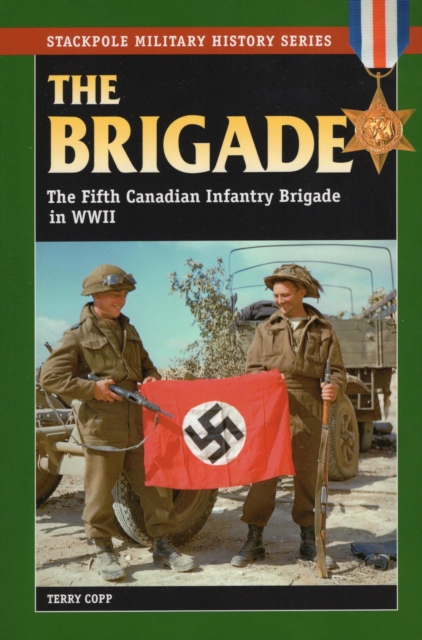
Battalion- and company-level account of the vital contributions of Canadian soldiers to victory in Europe in World War IIBased on war diaries, casualty reports, and after-action interviewsThe author is one of Canada's preeminent military historiansConsisting of the Calgary Highlanders, the Black Watch, and the French-speaking Rgiment de Maisonneuve, the 5th Canadian Infantry Brigade landed in France in early July 1944 as part of British General Bernard Montgomery's 21st Army Group.
A classic about real-life WWII espionage, as conducted by its modern master*A Man Called Intrepid is the classic true story of Sir William Stephenson (codenamed Intrepid) and the spy network he founded that would ultimately stall the Nazi war machine and help win World War II.
The mother of 11 year old Ilse Glaus turned down the last plane out of East Prussia ahead of the advancing Russians in order to stay back with her aged parents.
During World War II, an eccentric band of barnstormers, stunt flyers and commercial pilots joined military recruits to form the Pan American Air Ferries.
As the United States began its campaign against numerous Japanese-held islands in the Pacific, Japanese tactics required them to develop new weapons and strategies.
Marie Marvingt (1875-1963) set the world's first women's aviation records, won the only gold medal for outstanding performance in all sports, invented the airplane ambulance, was the first female bomber pilot in history, fought in World War I disguised as a man, took part in the Resistance of World War II, was the first to survive crossing the English Channel in a balloon, worked all her life as a journalist, spent years in North Africa and invented metal skis.
Among the many German immigrants to the United States over the years, one group is unusual: former prisoners of war who had spent between one and three years on American soil and who returned voluntarily as immigrants after the war.
World War II began for the United States with the Japanese attack on Pearl Harbor December 7, 1941, followed by the invasion of the Philippine Islands the next day.
The story of Hitler's Wehrmachtsgefolge (armed forces auxiliaries) is less well known than that of Germany's other armed forces in World War II, such as the panzer divisions, the Luftwaffe and the Kriegsmarine.
In the five months after Pearl Harbor, the Imperial Japanese Navy won a string of victories in a campaign to consolidate control of Southeast Asia and the South Pacific.
Creating a guerrilla movement to fight the Japanese occupation of the Philippines (1942-1945) presented Colonel Wendell Fertig with some formidable challenges.
Mid-flight noncombat mishaps and blunders occur frequently in the USAF during training and utility flights--sometimes with the loss of life and regularly with the destruction of expensive aircraft.