Pitched into the maelstrom of air fighting in the summer of 1940, twenty-four-year-old Gordon Olive barely lived to tell this extraordinary tale of courage and endurance.
This is a fighter pilot's memoir of four tumultuous years, 1938-1942, when he was first trained, then fought and survived in not one but two of the biggest aerial campaigns of the war, the Battle of Britain and the equally epic, but lesser known, Siege of Malta.
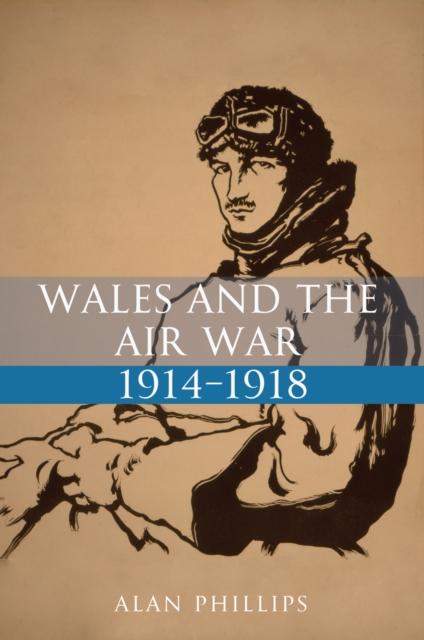
During the First World War, there were five air bases in Wales: two airship stations, one at Llangefni on Anglesey (RNAS Anglesey) and one at Milton in Pembrokeshire (RNAS Pembroke), a fighter/bomber station at Aber (RNAS Bangor) and a seaplane base at Fishguard (RNAS Fishguard).
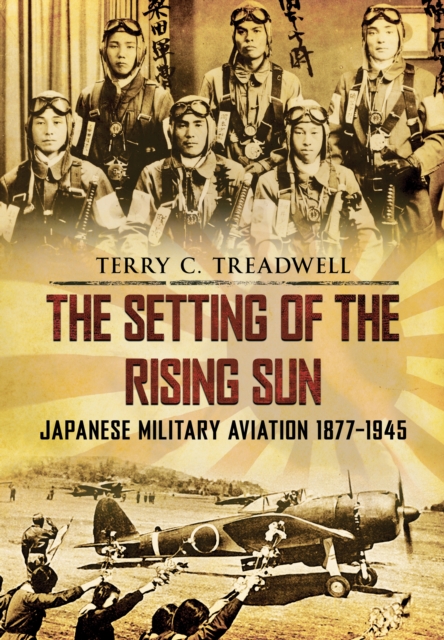
Ryuji Nagatsuka did not know, when he made an application to become a pilot in October 1943, that by the following autumn Japan's situation in the war would be so critical that the role for which he was destined would be part of the most incomprehensible phenomenon of the hostilities - that of a suicide pilot, known to the world as a kamikaze.
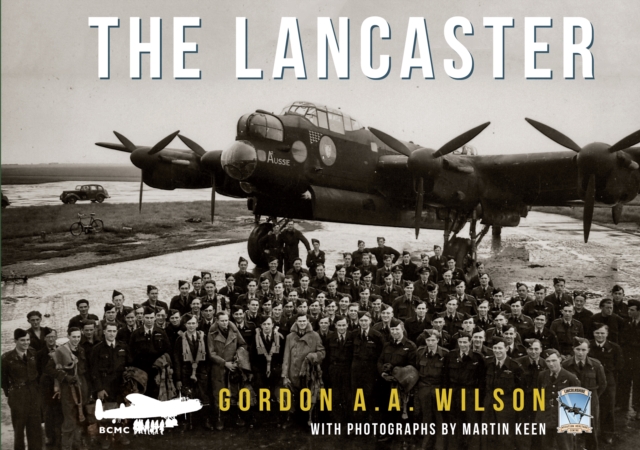
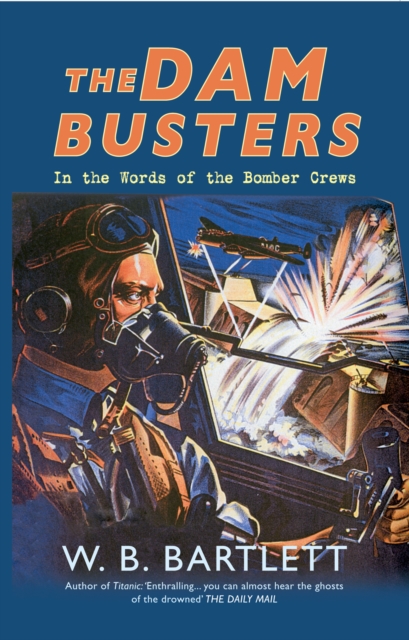
The Avro Lancaster took the RAF's bombing campaign right to the heart of Nazi Germany, night after night, despite sometimes suffering appalling losses.
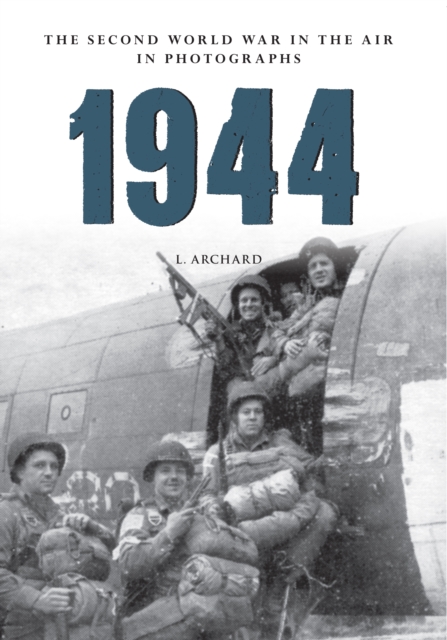
On 21 August 1944 German Army Group B was destroyed in Normandy and Allied troops began pressing east from the beachhead they had occupied since the D-Day landings.
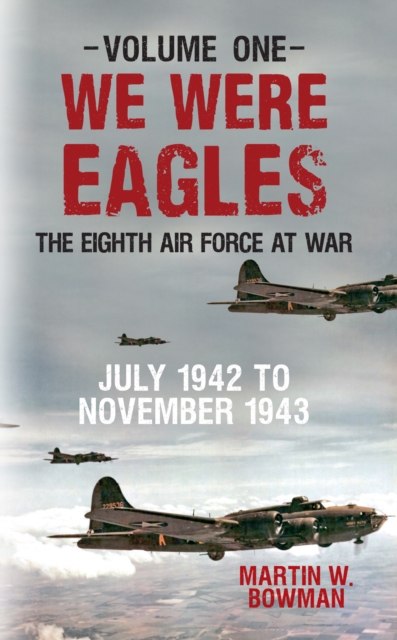
Volume 4 of We Were Eagles reaches the climax of the daylight bomber war which saw the Eighth Air Force B-17s and B-24s push back the boundaries and huge fleets of bombers penetrate further into the diminishing Reich.
Volume 3 of We Were Eagles covers the turning of the tide, when the air war was redirected to bombing communications targets in northern France in support of the 6 June D-Day invasion and the eventual breakout by Allied forces from the beachheads.
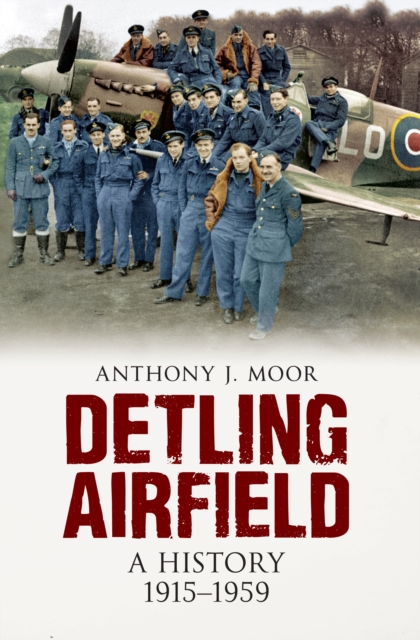
This is the story of Detling airfield, from its earliest days through its role in the Second World War - when several dramatic and tragic events occurred - and finally to more peaceful times, when the airfield became a popular base for recreational gliding.
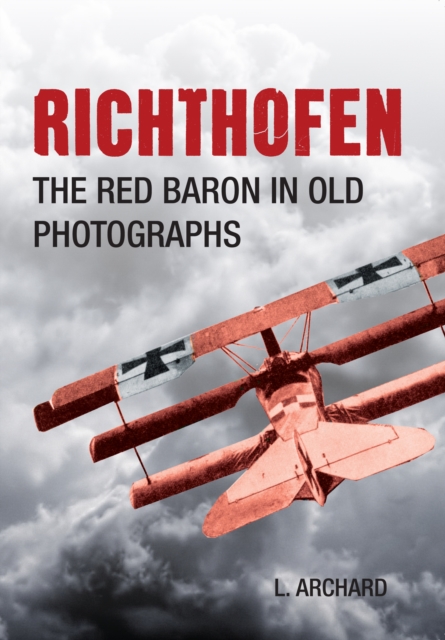
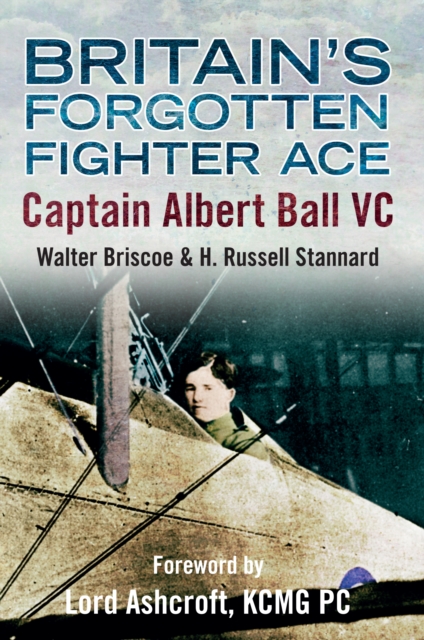
What Manfred von Richthofen was to Germany, Albert Ball was to Great Britain: each, at the time, was the star turn of his country and Richthofen would describe Ball as 'by far the best English flying man'.
This is the Battle of Britain memoir of Roger Hall, a 152 Squadron Spitfire pilot based in southern England, the heart of the fighting during the epic battle.
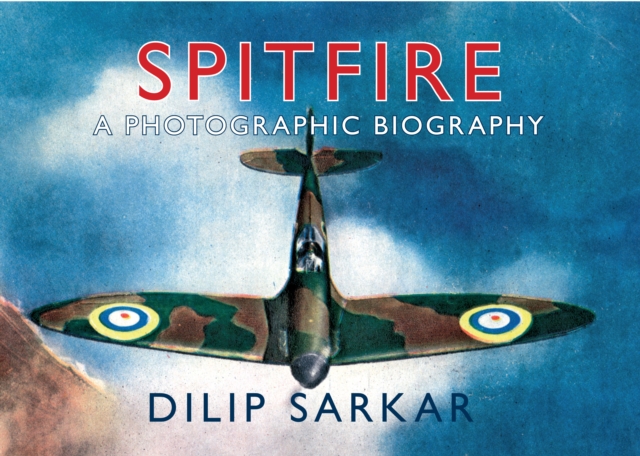
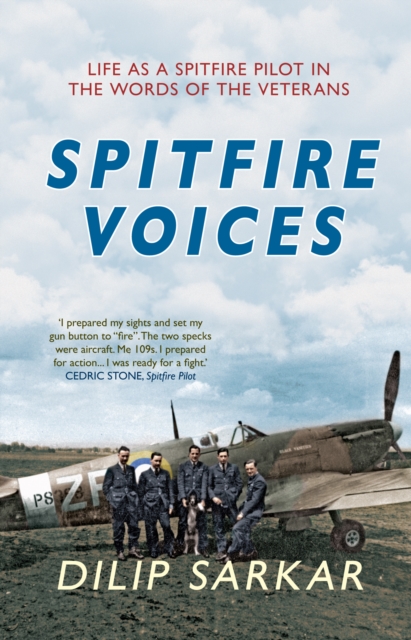
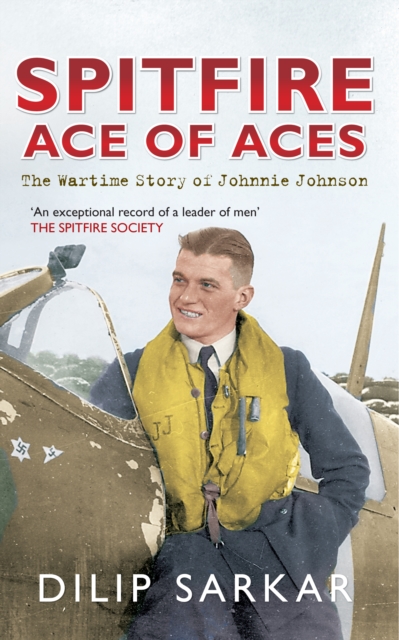
Although there were many more Hawker Hurricanes than Supermarine Spitfires engaged in the epic conflict fought over southern England in the summer of 1940, the public's imagination was captured by the shapely and charismatic Spitfire.
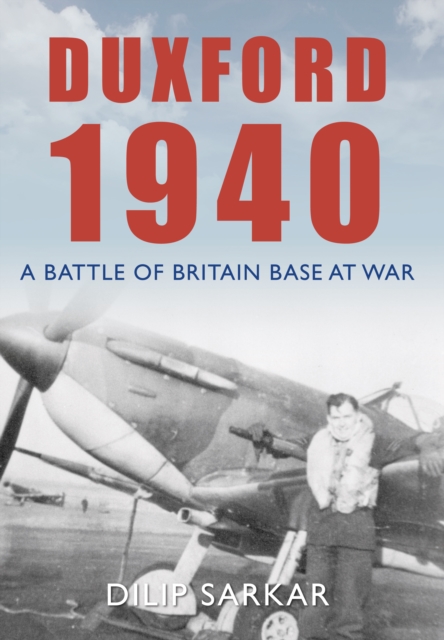
The Imperial War Museum site at Duxford is rightly recognised as the premier aviation museum in Europe, hosting exciting air shows and where the evocative sight and sound of an airborne Spitfire can be experienced most days.
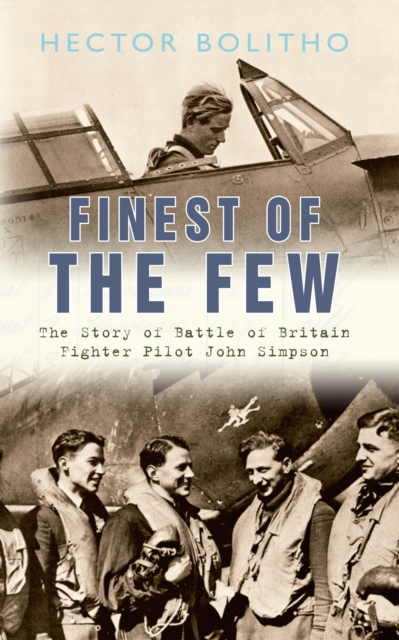
Written by 43 Squadron's intelligence officer, Hector Bolitho, Finest of the Few is full of John's first-hand accounts of his combat missions against German Me 109s, Heinkel 111s and Dorniers.
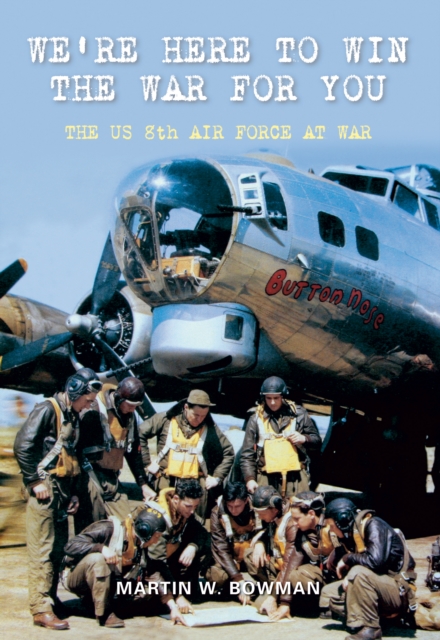
Asked why he was in Britain, a US serviceman, fighting the war in the skies over Germany with the US 8th Air Force quipped, 'We're here to win the war for you'.
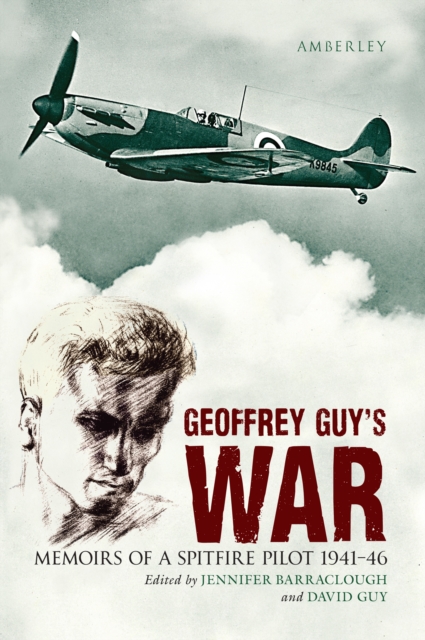
Geoffrey's memoir opens in May 1940, when he was eighteen years old and his grammar school in Kent was being evacuated to Staffordshire, away from the danger of German invasion.
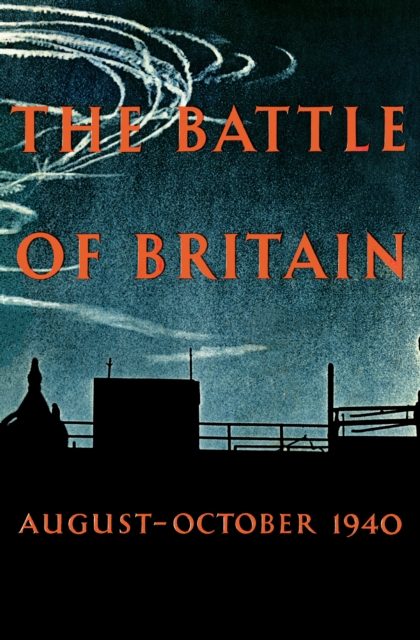
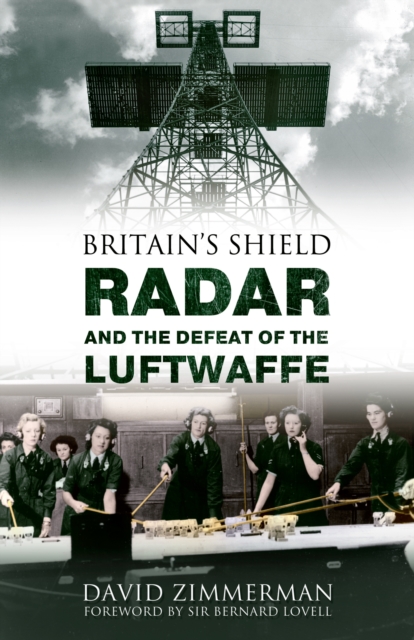
The individual bravery and skill of the Battle of Britain pilots and the fighting qualities of their aircraft would have been in vain if they had not been part of a highly complex and sophisticated air defence system based on radar.