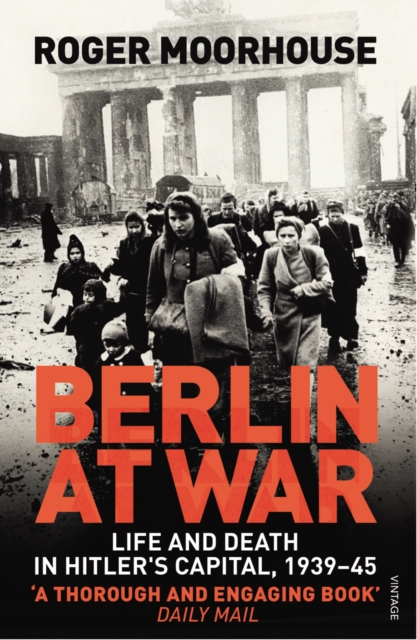
Berlin was the nerve-centre of Hitler's Germany - the backdrop for the most lavish ceremonies, it was also the venue for Albert Speer's plans to forge a new 'world metropolis' and the scene of the final climactic bid to defeat Nazism.
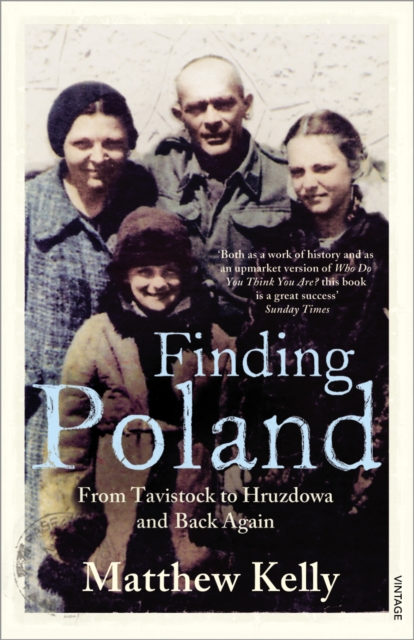
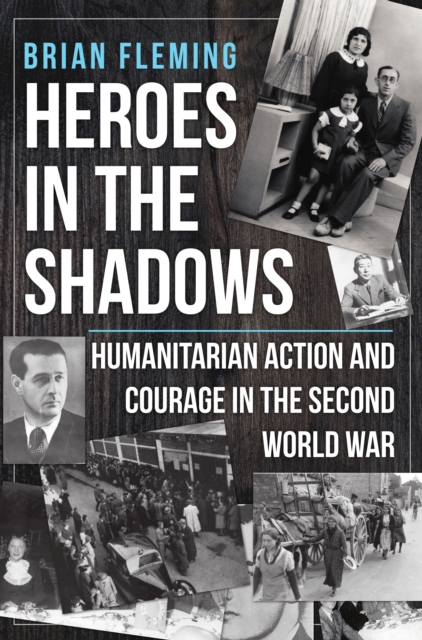
Following the partitioning of Poland by Germany and the Soviet Union in 1939, Matthew Kelly's great grandmother and her two daughters were deported to the East.
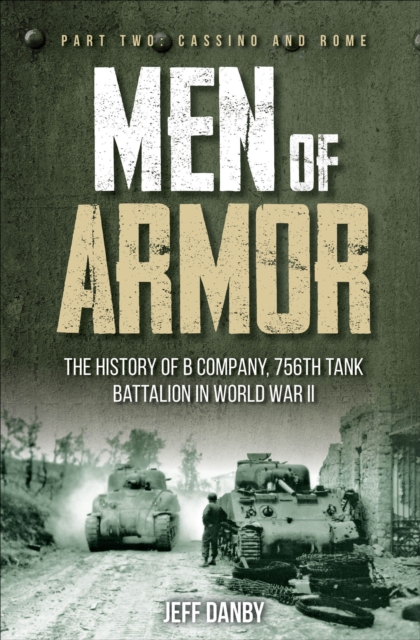
Winner, 2022 Army Historical Foundation Distinguished Writing Awards, Unit HistoryThis second volume follows on from the first in recounting the WWII history of B Company, 756th Tank Battalion in vivid detail.
Most people have heard of the Stauffenberg Plot but it is not widely known that this was only one of a long series of attempts on the life of Adolf Hitler.
The Road to 1945 is a rigorously researched study of the crucial moment when political parties put aside their differences to unite under Churchill and focus on the task of war.
Bomber Command is a richly illustrated account of the Royal Air Force organisation from its inception prior to the Second World War in 1936 to its final years during the Cold War.
This is the story of a man from early twentieth century rural Cork who rose to the heights of the RAF and excelled as a major figure in international rugby in the 1920s and 1930s.
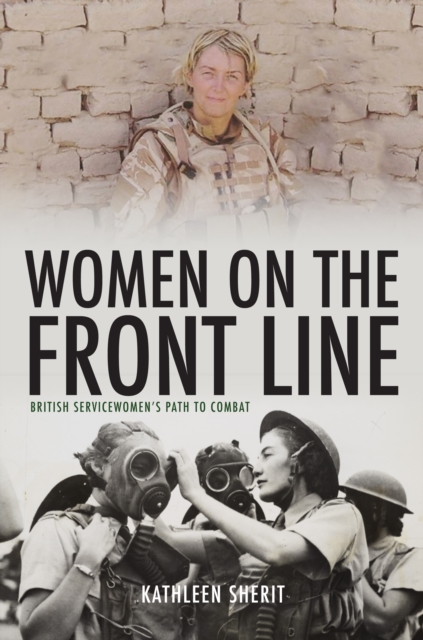
Women on the Front Line explains how women went from unacknowledged participation in combat in the Second World War to the opening of all combat roles by 2018.
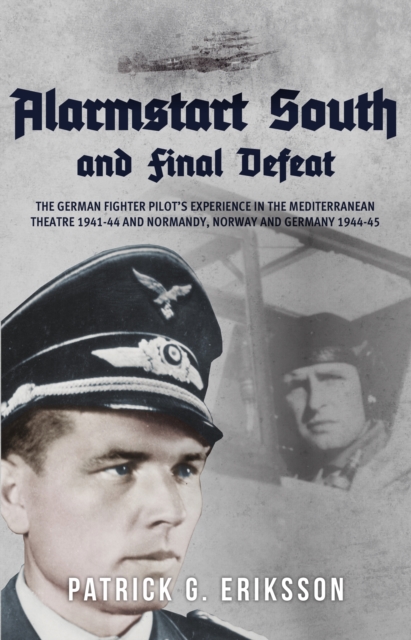
Alarmstart South completes Patrick Eriksson's Alarmstart trilogy on Second World War German fighter pilots, detailing their experiences in the Mediterranean theatre (1941-1944), and during the closing stages of the war over Normandy, Norway and Germany (1944-1945).
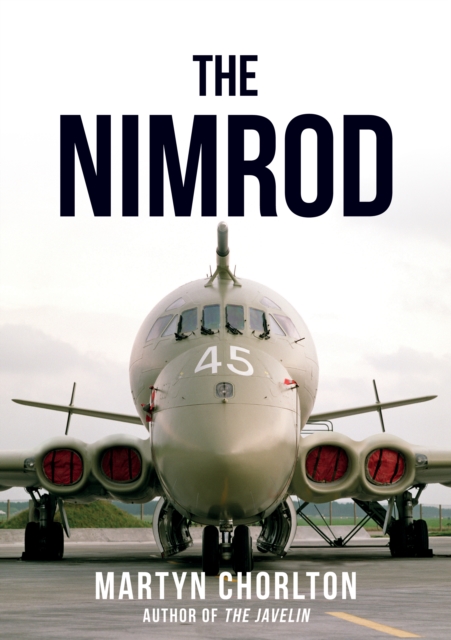
With its roots dating back to the late 1940s and the de Havilland Comet airliner, the Nimrod already had pedigree when it first appeared in the late 1960s in place of the Avro Shackleton in the Maritime Reconnaissance role.
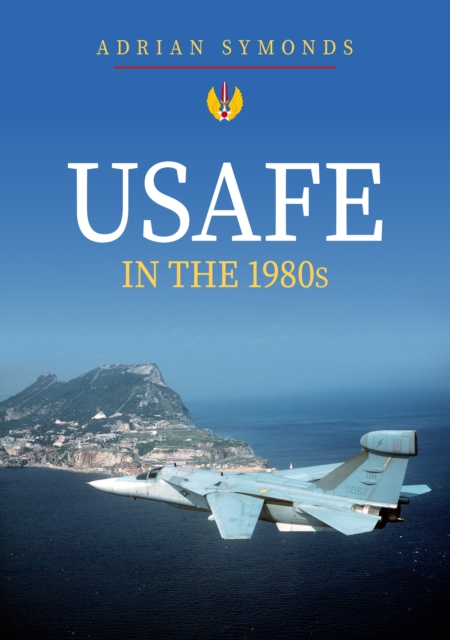
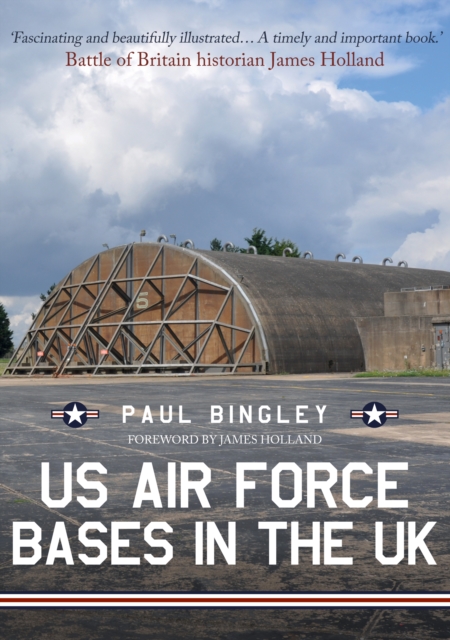
On the front line of the Cold War, during a decade that saw East-West tensions - and budgets - rise considerably, the United States Air Forces in Europe reached the peak of their power during the 1980s.
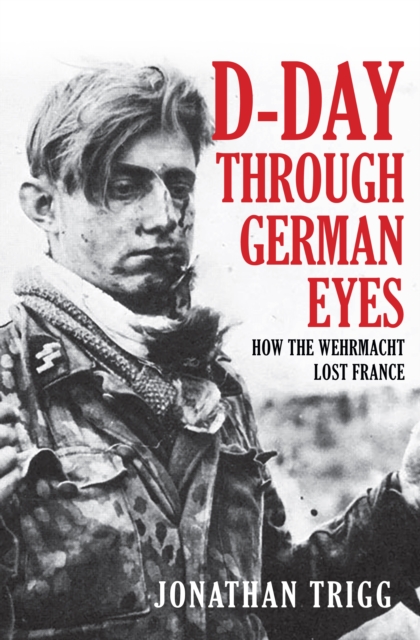
Everyone is familiar with the story of D-Day and the triumphal liberation of France by the Allies: a barbaric enemy was defeated by Allied ingenuity, courage and overwhelming military force, helped by dreadful German command errors and the terrible state of Wehrmacht forces in the West - but is this all true?
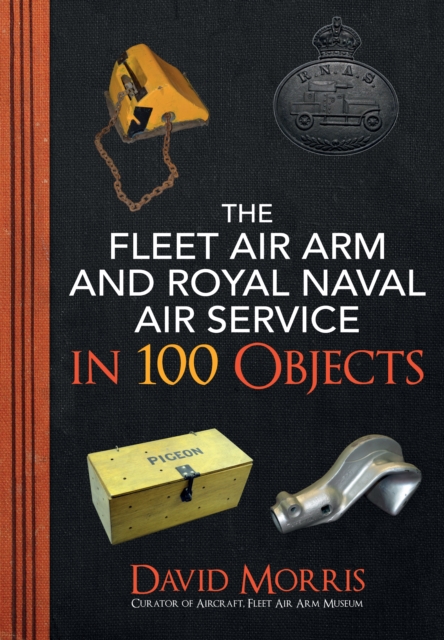
Only six years after man had successfully flown for the first time with controlled, powered flight in 1903, the Royal Navy could already see the potential of taking flying machines to sea.
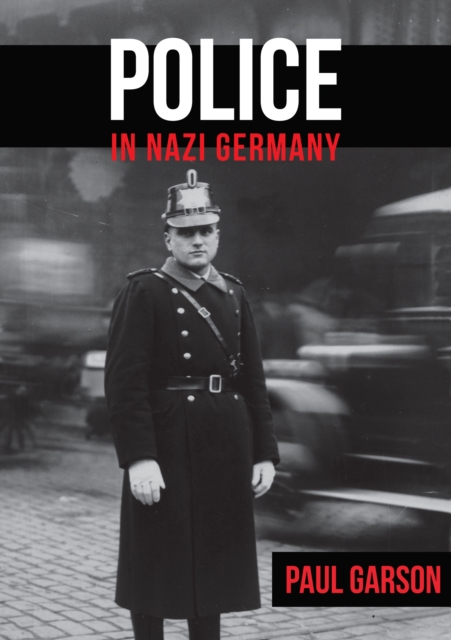
The men featured in this book originally came from Germany's big city police forces, where they had previously dealt with traffic control, street crime and the often violent street demonstrations occurring during Germany's politically turbulent 1920s.
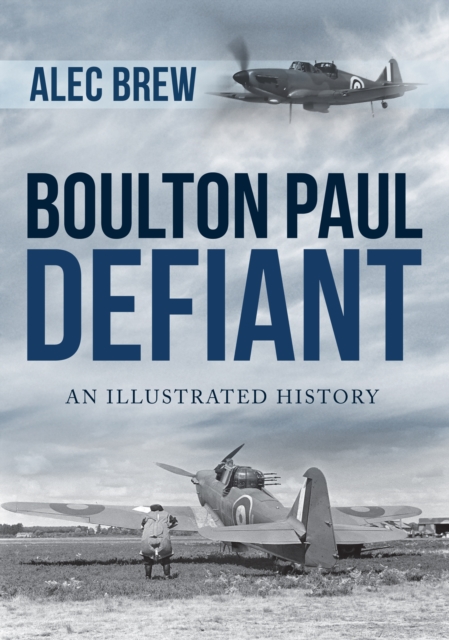
Fighting over the beaches of Dunkirk and in the Battle of Britain, guarding the night skies during the perilous months of the Blitz, pioneering electronic countermeasures, and serving air-sea rescue roles all around our coasts, the Boulton Paul Defiant played a vital part through most of the Second World War, finishing it in the important target-tug role.
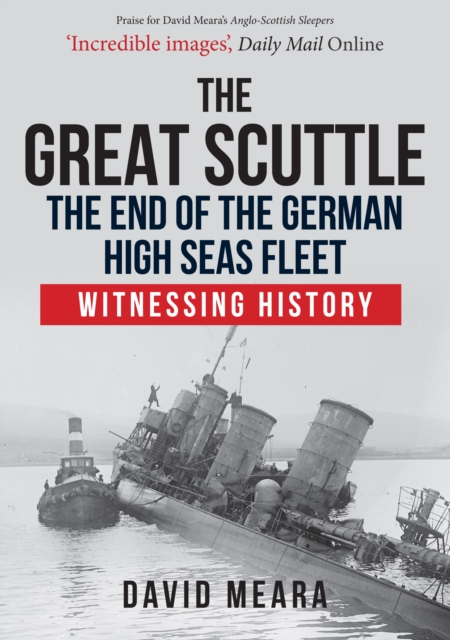
After the German surrender in November 1918, the German High Seas Fleet was interned at Scapa Flow in the Orkney Islands, the anchorage for the Royal Navy's Grand Fleet throughout the First World War.
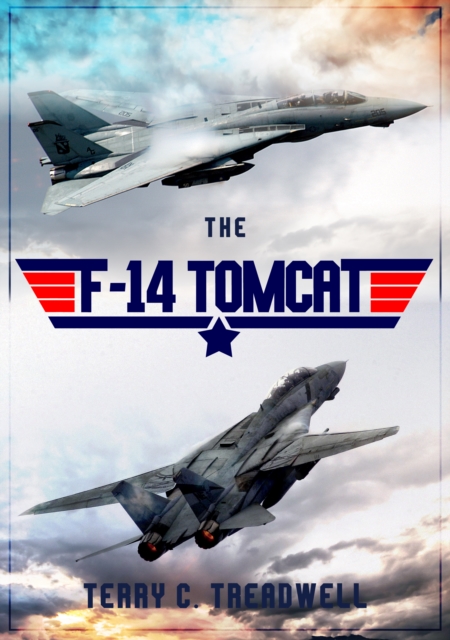
The ideas behind the Grumman F-14 Tomcat first began to take shape back in the late 1950s when it was discovered that the Soviet Union was quickly developing an increasingly accurate airborne missile system that would pose a major threat to the US Navy's warships.
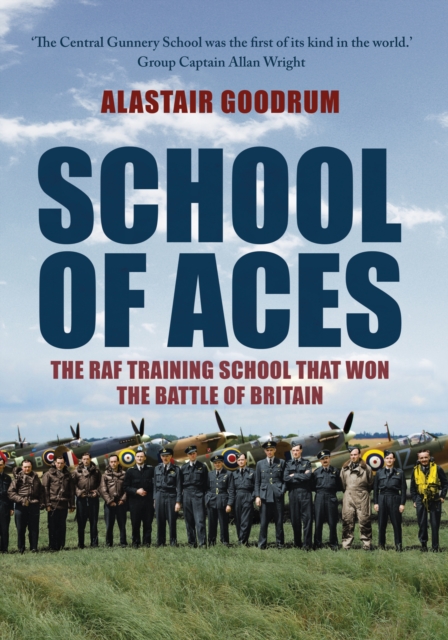
This is the fascinating true story behind one of the key reasons that RAF Fighter Command saw such success in the Second World War and emerged victorious from the Battle of Britain - the incredible training school that transformed young men from inexperienced pilots into some of the finest airmen in the world.
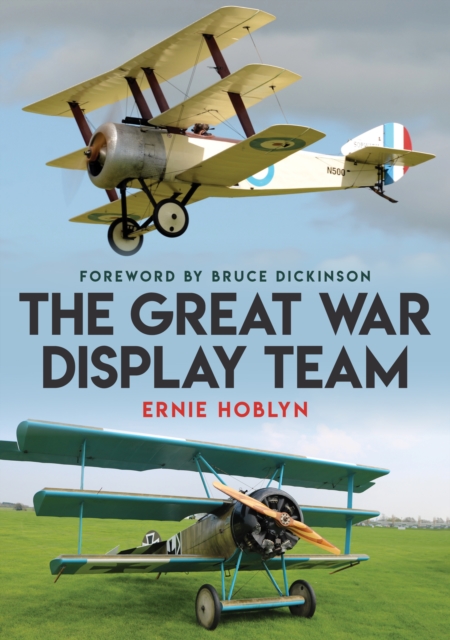
The Great War Display Team was founded in 1988 and has since gone on to become one of Britain's premier display teams, with a wealth of talented pilots passing through its ranks and amazing crowds with a variety of recreated aircraft including Fokker Dr1s, Royal Aircraft Factory S.
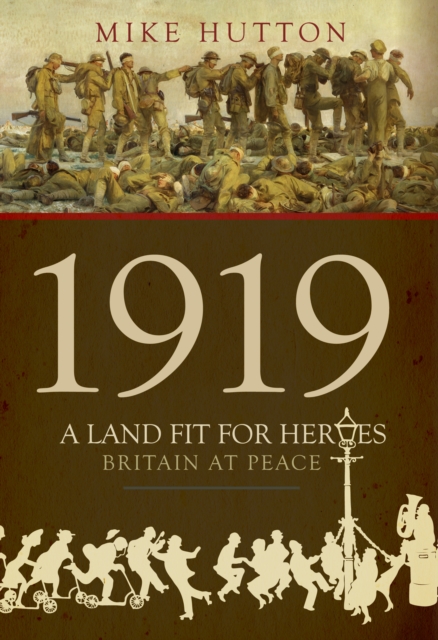
The year 1919 has often been ignored in historians' dizzy haste to enter the world of the Roaring Twenties but it was a year of enormous challenges and change.
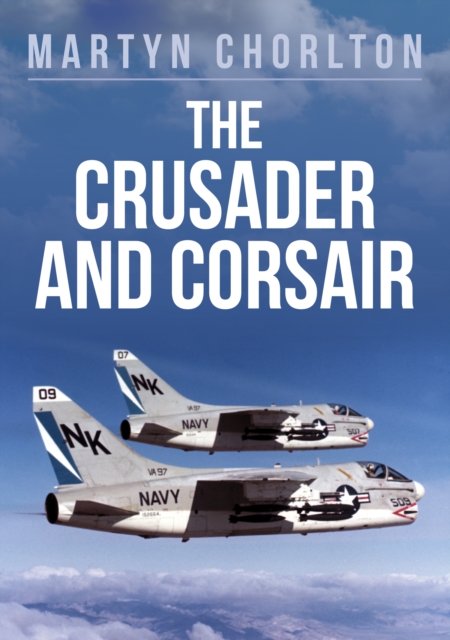
The Vought F-8 Crusader was a classic post-war aircraft; loved by its pilots, this big machine was nicknamed 'The Last of the Gunfighters' because of its primary armament of four 20 mm Colt cannon.
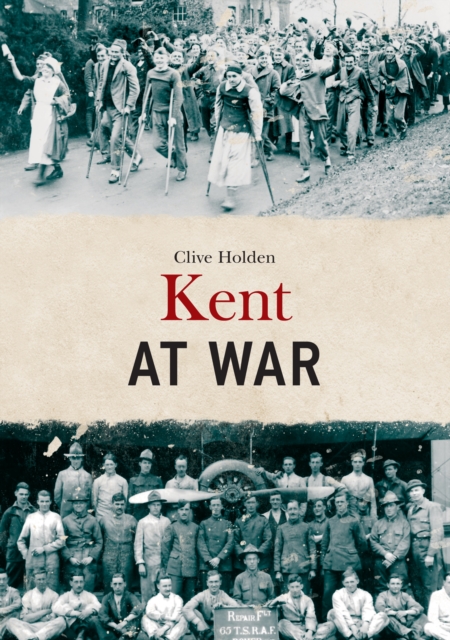
Kent has a long and illustrious military history dating back to the Roman occupation but the first great conflict of the twentieth century brought the horrors of war to a new generation.
When Winston Churchill delivered his famous 'Iron Curtain' speech in 1946, he mentioned two words now engrained in Anglo-American terminology - 'special relationship'.
Though personally remembered by very few people, the interwar period was a fascinating time for railway enthusiasts, with the colourful liveries of the pre-Grouping companies allowing for a wide variety of interesting markings in the run-up to Grouping in 1923.
Despite the invasion force landing nearly a mile beyond its intended target location, and while also overcoming its counterpart airborne element being widely dispersed, Utah Beach would prove to be a huge success for the Americans.
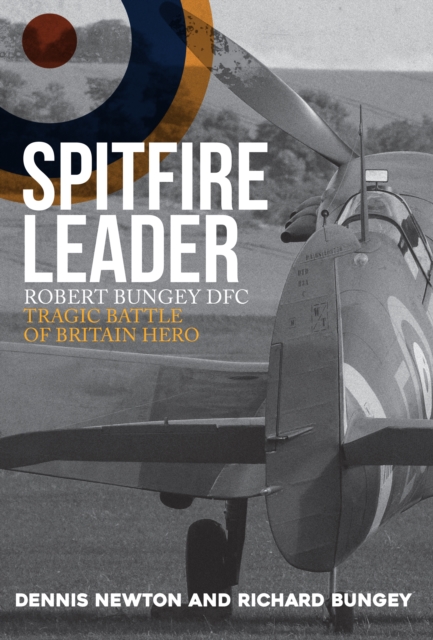
Summer 1940, Britain is on the brink, fewer than 3,000 RAF fighter pilots stand between Hitler's Luftwaffe and air supremacy over the skies of southern England - the prerequisite for a German invasion.