During the Second World War, across the frontline as well as on the Home Front, millions of people recorded their thoughts of their experiences - whether in letters, their personal diaries or those prosecuting the war giving speeches.
'Wise, witty, compassionate and personal: Tessa Dunlop writes just the best kind of history about women' - Lucy Worsley, OBE'You'll feel the shock of finding these amazing characters are still among us - I was gripped from the first page' - Jeremy VineArmy Girls is the intimate story of the final few women who served in World War II and are still alive to tell their tale.
The men of the SBS are the maritime equivalent of their counterparts in the SAS; they are the elite of the British Special Forces and also the most secretive.
Rendezvous at the Russian Tea Rooms provides the first comprehensive account of what was once hailed by a leading American newspaper as the greatest spy story of World War II.
Donald Osborne Finlay, a sporting name familiar to households in the 1930s, was Britain’s greatest athlete of the time; a hurdler whose triumphant exploits graced the sports pages and newsreels week after week.
Airpower over the Rhine is a critical new perspective on the air battle between the French Air Force (FAF) and the Luftwaffe in the skies over France during May and June 1940.
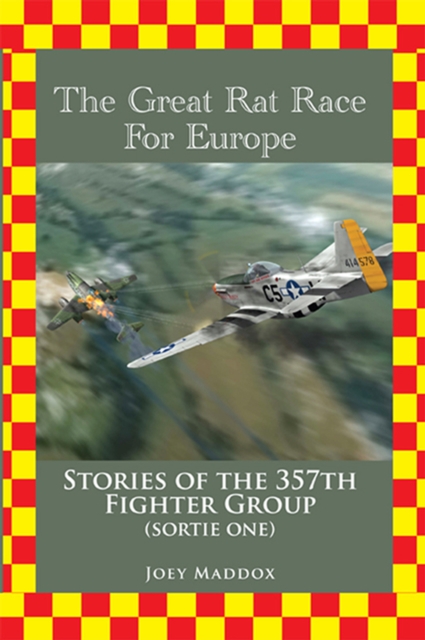
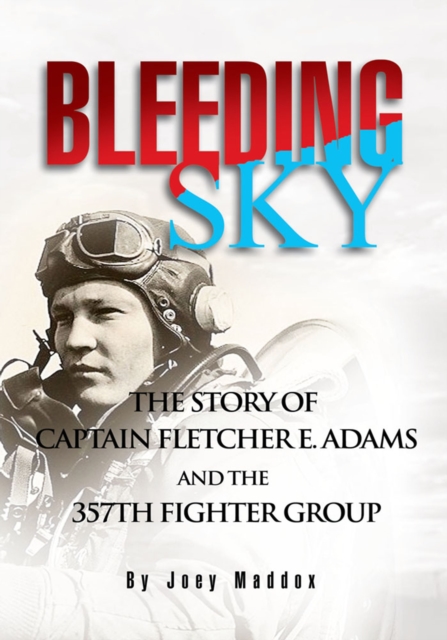
The Great Rat Race for Europe: Stories of the 357th Fighter Group (Sortie One) tells the true stories of the Yoxford Boys of the 357th Fighter Group; arguably the best Army Air Force fighter group in the European Theater during World War Two.
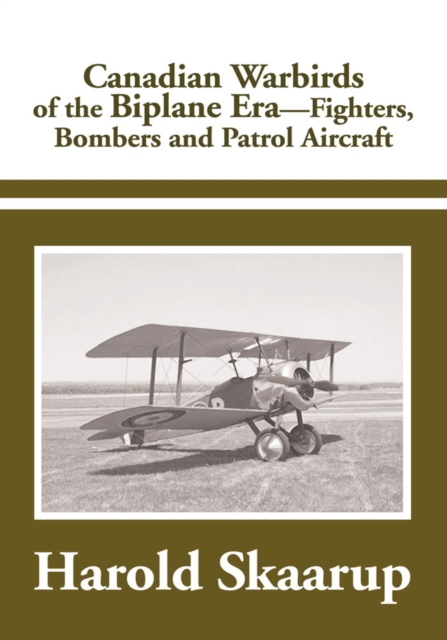
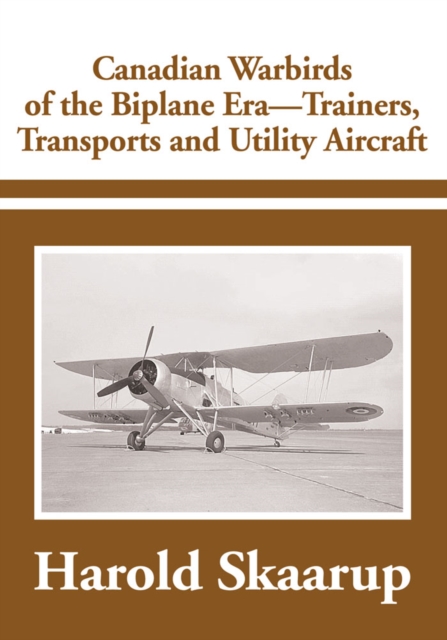
This aviation handbook provides a quick general reference to identify and briefly describe military aircraft flown by Canadians during WWI and in the post-war Canadian Air Force, the Royal Canadian Air Force, the Royal Canadian Navy, and the Canadian Army during the biplane era.
This aviation handbook provides the reader with a quick general reference to identify military support aircraft flown by Canadians during WWI and post-war with the Canadian Air Force, the Royal Canadian Air Force, the Royal Canadian Navy, and the Canadian Army during the biplane era.
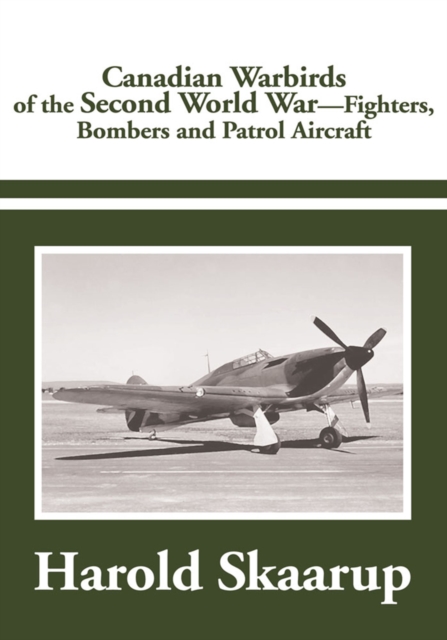
This aviation handbook is intended to provide the reader with a quick reference to identify the military aircraft flown by the Royal Canadian Air Force, the Royal Canadian Navy and the Canadian Army during the Second World War.
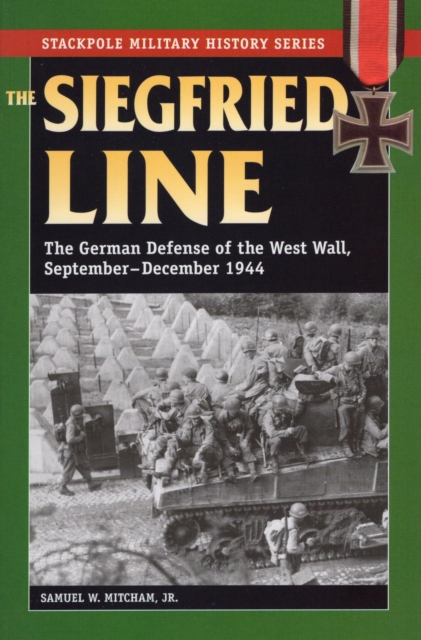
The battles for the Germans' last line of defense in World War II, including Arnhem, Aachen, the Huertgen Forest, and MetzHow German commanders made decisions under fireBuilt as a series of forts, bunkers, and tank traps, the West Wall--known as the Siegfried Line to the Allies--stretched along Germany's western border.
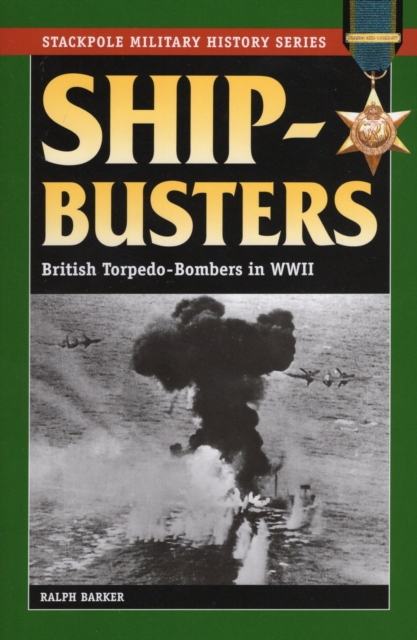
Epic story of low-level strikes on Axis navies in World War II One of the most dangerous forms of air attack used during the war Written by a participant This stirring book recounts how British torpedo-bombers took the war to enemy naval fleets and shipping vessels during World War II.
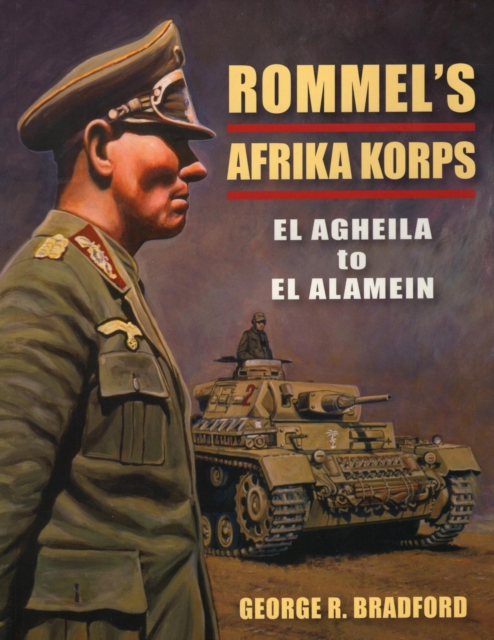
Portrait of this famous World War II unit at the height of its success Completely illustrated with photos, maps, and diagrams--in color where available In the sands of the Western Desert in 1941-42, Erwin Rommel made history as the Desert Fox, waging a brilliant and bold campaign against the British.
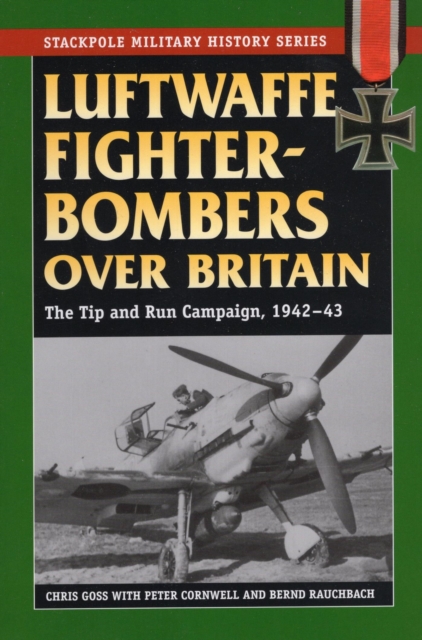
Chronicles the air war above Britain from March 1942 to June 1943 and includes in-the-cockpit accounts from German and British pilots Assesses offensive and defensive tactics Incorporates hundreds of rarely seen photos As the Battle of Britain came to a close, the Luftwaffe began arming its single-engine fighters with bombs and using them instead of bombers for many daylight raids against shipping and coastal installations, railways, fuel depots, and other military and civilian objectives.
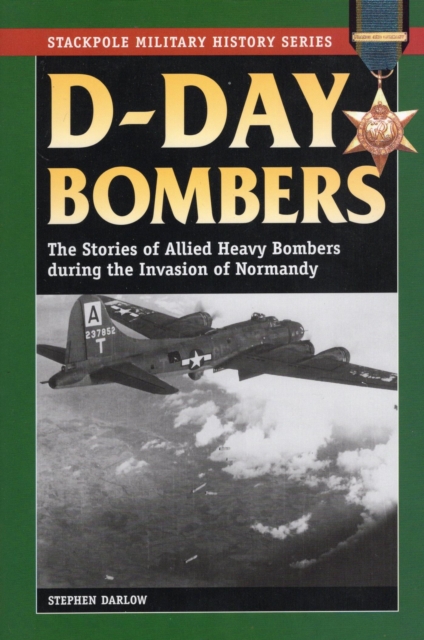
Eyewitness accounts of heavy bombers on D-Day Rarely told story of what happened above the beaches Detailed descriptions of various bombing runs In this vivid and dramatic look at World War II in the air, eight different aircrews--three American and five British--tell eye-opening and heart-racing stories of operations before, during, and after D-Day.
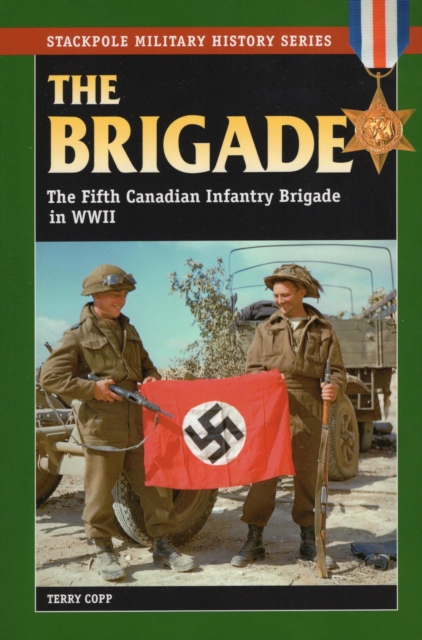
Battalion- and company-level account of the vital contributions of Canadian soldiers to victory in Europe in World War IIBased on war diaries, casualty reports, and after-action interviewsThe author is one of Canada's preeminent military historiansConsisting of the Calgary Highlanders, the Black Watch, and the French-speaking Rgiment de Maisonneuve, the 5th Canadian Infantry Brigade landed in France in early July 1944 as part of British General Bernard Montgomery's 21st Army Group.
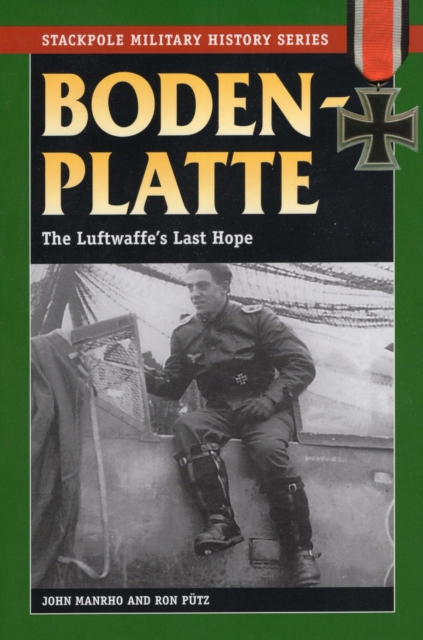
Definitive account of the last great Luftwaffe attack of World War II Gripping stories of Fw 190s and Bf 109s in combat Contains hundreds of eyewitness accounts and rare photos In the early morning of January 1, 1945, as the Battle of the Bulge smoldered to an end, the German Luftwaffe--assumed to be starved of fuel and fighting spirit--launched a massive, surprise, low-level strike on Allied airfields throughout France, Belgium, and Holland, an operation code-named Bodenplatte.
The true story of the World War II evacuation portrayed in the Christopher Nolan film Dunkirk, by the #1 New York Times-bestselling author of Day of Infamy.
This book offers a comprehensive examination of historical Norwegian and allied airborne maritime surveillance operations in the North Atlantic, after World War II until the present.
Nearly 100 illustrious fi ghter aces and test pilots have granted personal glimpses from their military careers to help create this tribute to Americas patriotic and heroic fliers.
The terrifying first use of nuclear weapons over Hiroshima and Nagasaki in August 1945 was the most controversial act of warfare in history, dramatically ending the Second World War but ushering in the age of mass destruction.
The moving true story of psychiatrist and Holocaust survivor Viktor Frankl's time as a prisoner in Auschwitz and what we can learn from his experience.
In the bleakest years of the Second World War when it appeared that nothing could slow the advance of the German army, Hitler set his sights on the Mediterranean island of Crete, the ideal staging ground for domination of the Middle East.
From Hitler's invasion of Russia, America's entry into the conflict and the devastating Thousand Bomber Raids over Germany, to the long grinding struggle in the deserts of North Africa and the crucial Battle of the Atlantic, the middle passage of the Second World War was all about turning back the Nazi tide.
The official book behind the Academy Award-winning film The Imitation Game, starring Benedict Cumberbatch and Keira Knightley Alan Turing was the mathematician whose cipher-cracking transformed the Second World War.