In 'The Pirates Own Book' by Charles Ellms, readers are treated to a comprehensive collection of accounts, anecdotes, and adventures from the world of piracy.
James Ford Rhodes' 'The History of the Civil War (Complete Edition)' offers a comprehensive and detailed account of the American Civil War, focusing on the military campaigns, political strategies, and social implications of this defining moment in American history.
This authoritative book brings together in a single volume international experts renowned in their specializations to discuss issues and current trends relating to maritime security.
Estrategia es un libro mítico, un clásico inencontrable en España, que inspiró a insignes militares y fue lectura de cabecera de Kennedy durante la crisis de los misiles de Cuba en 1962.
En esta obra se estudian las armadas y flotas creadas por los Austrias Mayores para administrar y proteger aquel vasto imperio del que se dijera que el Sol no nacía ni se ponía.
The Russo-Turkish War of 1877–78 was a conflict between the Ottoman Empire and the Eastern Orthodox coalition led by the Russian Empire and composed of Bulgaria, Romania, Serbia, and Montenegro.
The Naval War of 1812, written by the former president Theodore Roosevelt, deals with battles and naval technology used during the War of 1812 between the United States and the Great Britain.
Although little known and mostly anonymous, members of the "e;Dungaree Navy"e; are essential contributors to the operations, maintenance and readiness of the U.
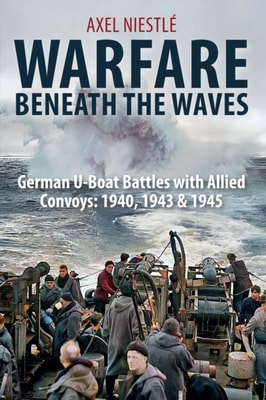
The longest continuous military campaign of World War II, the Battle of the Atlantic is widely considered one of the most complex naval battles in history.
Der Erste Weltkrieg war in erster Linie ein Krieg, der an verschiedenen Fronten in West-, Ost- und Südeuropa, aber auch im Mittleren Osten, in Afrika und im Fernen Pazifik ausgefochten wurde.
Der Erste Weltkrieg war in erster Linie ein Krieg, der an verschiedenen Fronten in West-, Ost- und Südeuropa, aber auch im Mittleren Osten, in Afrika und im Fernen Pazifik ausgefochten wurde.
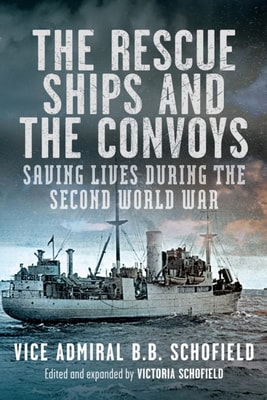
"e;I recommend The Rescue Ships and the Convoys to any person desiring an account of the Battle of the Atlantic told from a little known and unique perspective.
How, for just over a century, Britain ensured it would not face another Napoleon Bonaparte-manipulating European powers while building a global maritime empire At the conclusion of the Napoleonic Wars, a fragile peace emerged in Europe.
Of Islands, Ports, and Sea Lanes,/i> explains the operational and strategic importance of the ports and sea lanes of Africa and the Indian Ocean during the Second World War.
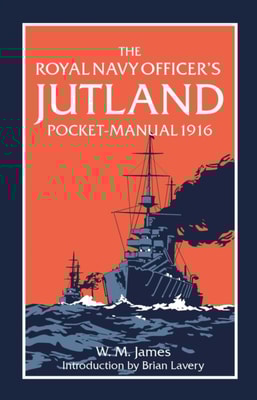
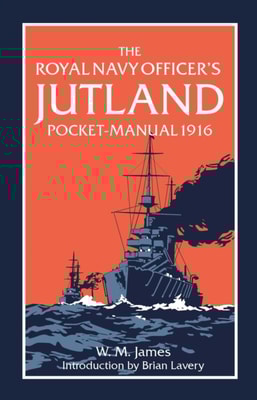
For years before the outbreak of the First World War, it was the expectation of most officers of the Royal Navy and the Imperial German Navy that very shortly thereafter; a decisive fleet action would be fought.
Since the end of World War 2 the primary role of the Royal Navy's Fleet Air Arm has been airborne power projection; the ability rapidly to respond to any trouble spot across the globe and to protect the interests of the United Kingdom and its partner nations.
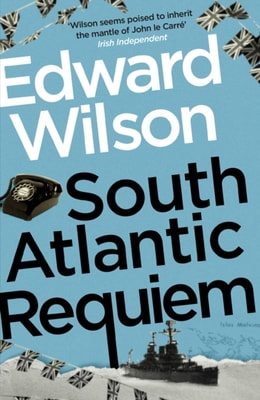
A brilliant, eye-opening espionage thriller by a former special forces officer 'now at the forefront of spy writing'The thinking person's John le Carr ' Tribune 'Edward Wilson seems poised to inherit the mantle of John le Carr ' Irish Independent'More George Smiley than James Bond, Catesby will delight those readers looking for less blood and more intelligence in their spy thrillers' Publishers WeeklyIt is 1982 and the British prime minister and the Argentine president are both clinging to power.
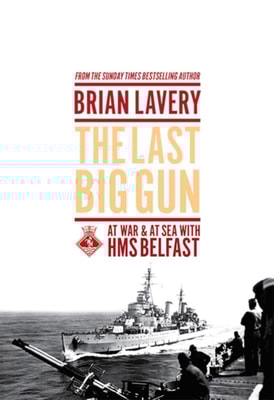
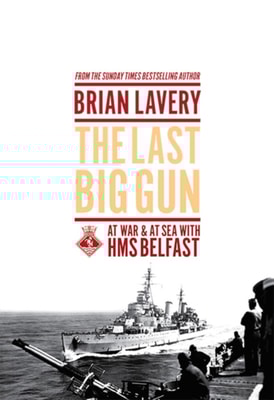
As she lay in dry dock, devastatingly damaged by one of Hitler’s newly deployed magnetic mines after barely two months in service, few could have predicted the illustrious career that lay ahead for the cruiser HMS Belfast.
As she lay in dry dock, devastatingly damaged by one of Hitler’s newly deployed magnetic mines after barely two months in service, few could have predicted the illustrious career that lay ahead for the cruiser HMS Belfast.
The imperial Austrian navy which fought and won the signal victory of Lissa on 20 July 1866, during the so-called Seven Weeks' War of 1866, has in recent years been subjected to more detailed scrutiny than has hitherto been its lot, and it is with an eye to following this trend that we present the following translation of part of the memoirs of one of its officers.
From the steam-powered models introduced in World War I to today's nuclear-powered, multiweaponed technological wonders, submarines have revolutionized warfare on the world's seas.
Recounted with his usual level of meticulous historical research, Rod weaves an easily readable account of the build-up to and implementation of Operation Desecrate 1 - the raid undertaken to destroy Japanese ships and aircraft in the lagoons of Palau.
A record of the Naval Brigades' extraordinary exploits and achievements during eleven 'Wars of the Empire' in the 19th centuryThere is a view that, in Victorian times, whilst the Army was engaged in a series of wars, the Navy enjoyed a peaceful existence - however, this was not the case.
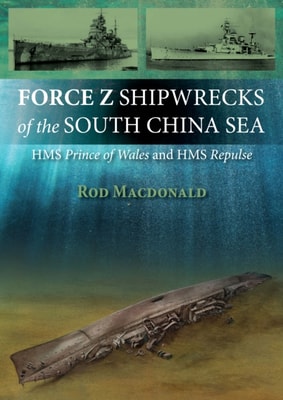
The tragedy of the loss in 1941 of two Royal Navy capital ships, HMS Prince of Wales and HMS Repulse, the core of Churchill's deterrent Force Z, stunned the world.
David Balme will be forever known as the 20-year-old hero who, on 9 May 1941, boarded a German U-boat in mid-Atlantic, and captured one of the greatest secrets of the Second World War.
This is an in-depth study of the battle of Midway that reviews the many previous accounts and compares their accuracy and veracity with fresh documentation that has been released recently, including new material on the post-war analysis made by a US select committee.
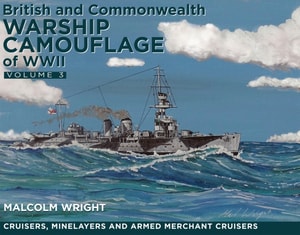
During the Second World War navies developed low visibility camouflage for their ships, on both vertical and horizontal surfaces, in order reduce visibility by blending in with the sea, or confuse the identity of a ship by applying more obtrusive patters.