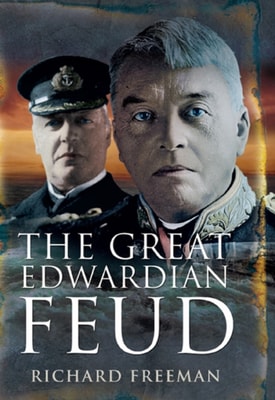
The fast and formidably-armed battlecruisers of Great Britain and Germany that were developed before and during the First World War are, in this new book, compared and contrasted in a way, and at a level of detail, that has never been attempted before.
The fast and formidably-armed battlecruisers of Great Britain and Germany that were developed before and during the First World War are, in this new book, compared and contrasted in a way, and at a level of detail, that has never been attempted before.
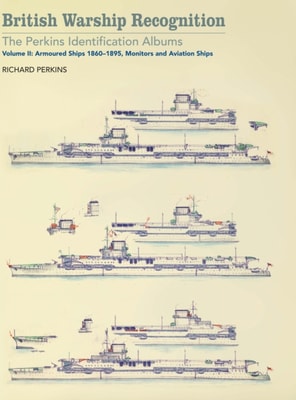
The Richard Perkins warship identification albums form one of the most detailed studies ever undertaken of the changes to the appearance of Royal Navy ships.
The Richard Perkins warship identification albums form one of the most detailed studies ever undertaken of the changes to the appearance of Royal Navy ships.
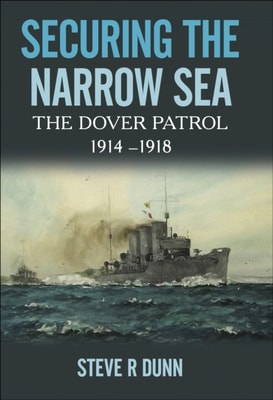
The Dover Patrol, which brought together an assortment of vessels ranging from the modern to the antique and included cruisers, monitors, destroyers, trawlers, drifters, yachts and airships, was commanded by a series of radical and polarizing personalities and increasingly manned by citizen volunteers.
Working with prestigious archives of contemporary photographs, the authors chart the history of Britain's fishing heritage with 120 rarely seen photographs.
On 2 August 1708 Captain Woodes Rogers set sail from Bristol with two ships, the Duke and Duchess, on an epic voyage of circumnavigation that was to make him famous.
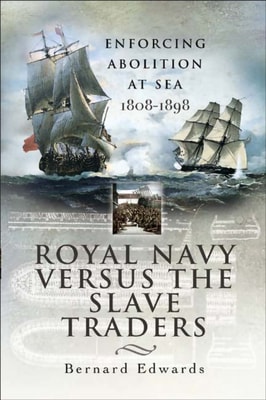
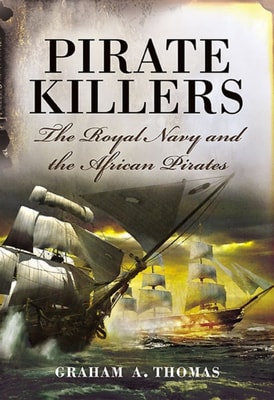
The acclaimed naval historian sheds significant light on the Royal Navy's role in fighting the African slave trade through years of bitter battle at sea.
Anthony Burton's concise and informative guide to British shipbuilding will be absorbing reading for anyone who wants to learn about its history or find out about the life of a shipbuilder and his family.
Using official records from the National Archives personal accounts from the Imperial War Museum and other sources, Coastal Convoys 1939 1945: The Indestructible Highway describes Britains dependence on coastal shipping and the introduction of the convoy system in coastal waters at the outset of the war.
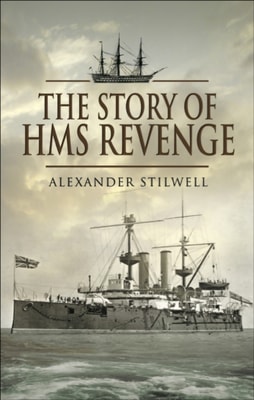
This sweeping naval history chronicles the many British vessels to bare the name Revenge, from the sixteenth-century galleon to the twentieth-century submarine.
Born the son of George Byng, a favorite of the king and himself an admiral and member of the admiralty board (and later First Lord of the Admiralty), John Byng seemed destined for a shining career in the Royal Navy.
he Kaisers determination to starve Britain into surrender and the development of his Navy and the U-boats in particular meant that Britains merchant navy was in the front line throughout the Great War.
One hundred and fifty years ago the Royal Navy fought a daring campaign against ruthless pirates and won, killing The King of the Pirates, Bartholomew Roberts off the coast of Africa and capturing his fleet.
This is the wartime history of the battleship HMS Royal Sovereign, along with the story of her four sister ships HMS Revenge, HMS Resolution, HMS Royal Oak and HMS Ramillies.
This book describes in considerable detail the people, events ships and aircraft that shaped the Air Service from its origins in the late 19th century to its demise in 1945.
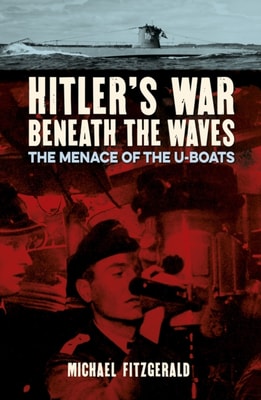
At the beginning of World War II, the devastating impact of German submarines on both the Royal Navy and merchant shipping saw Britain on the brink of starvation and defeat.
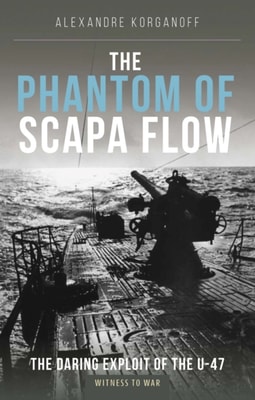
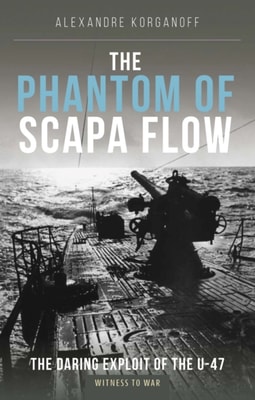
On the night of 13/14 October 1939, the German commander of U-boat U-47, Günther Prien, steered past the sunken block ships and chains which inadequately protected the British naval base at Scapa Flow in the Orkney Islands.
On the night of 13/14 October 1939, the German commander of U-boat U-47, Günther Prien, steered past the sunken block ships and chains which inadequately protected the British naval base at Scapa Flow in the Orkney Islands.
A survey of the activities of the British navy in the Caribbean from the voyages of sixteenth century English adventurers such as John Hawkins and Francis Drake through the great wars of the seventeenth and eighteenth centuries against the Dutch, Spanish and French and Britain's declining role thereafter.
Shows how Britain and its empire was not a strong centralised imperial state and that it was only through manifold activities taking place in different colonial centres with varied colonial arrangements that the surge in piracy inthis period was contained and reduced.