Alfred von Tirpitz (1849-1930), who joined the Prussian Navy in 1865 as a midshipman, was chiefly responsible for rapidly developing and enlarging the German Navy, especially the High Seas Fleet, from 1897 until the years immediately prior to the First World War.
The Marine Corps Way of War examines the evolving doctrine, weapons, and capability of the United States Marine Corps during the four decades since our last great conflict in Asia.
This seminal work on modern terrorism is the one book to read in order to truly understand the reasons why radical Muslims such as Osama bin Laden and his followers have declared war on America and the West.
For thousands of years pirates, privateers, and seafaring raiders have terrorized the ocean voyager and coastal inhabitant, plundering ship and shore with impunity.
In the post-1945 era, the aircraft carrier has remained a valued weapon despite the development of nuclear weapons, cruise and ballistic missiles, and highly capable submarines.
This is the first-ever publication detailing the Navys role in manned spacecraft recovery from 1961 to 1975, from Alan Shepherds initial suborbital mission to the Apollo-Soyuz flight, which inaugurated the first space collaboration between the U.
Very Special Ships is the first full-length book about the Abdiel-class fast minelayers, which were considered the fastest and most versatile to serve in the Royal Navy during World War II.
No Room for Mistakes is a thoroughly researched account of British and Allied submarine warfare in north European waters at the beginning of World War II.
This is the history of the founding in 1882 and operation through two world wars of America's first permanent intelligence agency, the Office of Naval Intelligence.
Although little known and mostly anonymous, members of the "e;Dungaree Navy"e; are essential contributors to the operations, maintenance and readiness of the U.
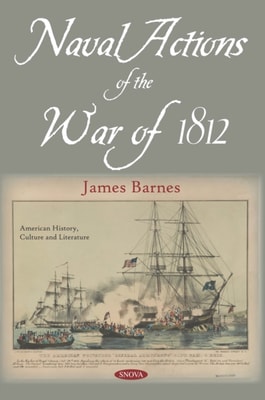
Naval Actions of the War of 1812 was previously published in 1896 to study the condition of affairs that led up to the declaration of the second war against Great Britain.
With the publication of their previous book on the battleships of the Littorio class, the authors set new standards for the detailed coverage and sophisticated analysis of Italian warship design.
With the publication of their previous book on the battleships of the Littorio class, the authors set new standards for the detailed coverage and sophisticated analysis of Italian warship design.
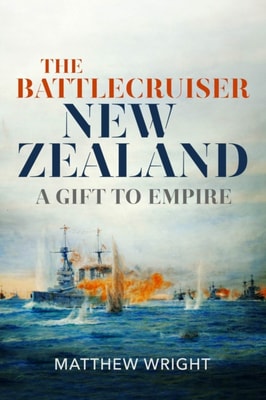
This book tells the story of HMS New Zealand, a battlecruiser paid for by the government of New Zealand at the height of its pro-Imperial 'jingo' era in 1909, when Britain's ally Japan was perceived as a threat in Australasia and the Pacific.