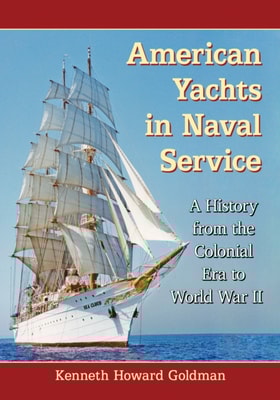
In the many historical accounts of D-Day, the Navy, Coast Guard and merchant marine, who transported troops to the invasion beaches and supported the attack, are often given scant attention.
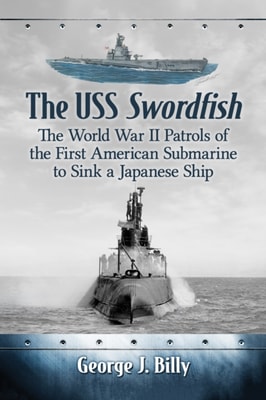
Among the more than 260 American submarines that patrolled the Pacific during World War II, the USS Swordfish in 1941 was the first to sink a Japanese armed merchant ship, marking the beginning of the submarine's colorful history.
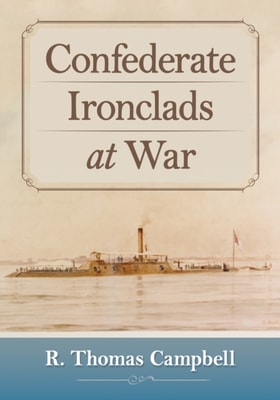
Hampered by lack of materials, shipyards and experienced shipbuilders, even so the South managed to construct 34 iron-armored warships during the Civil War, of which the Confederate Navy put 25 into service.
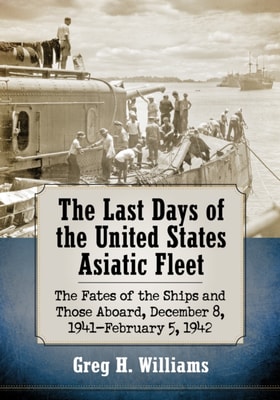
After the attack on Pearl Harbor (December 7), American sailors of the Asiatic Fleet (where it was December 8) were abandoned by Washington and left to conduct a war on their own, isolated from the rest of the U.
The Trafalgar Chronicle, the yearbook of The 1805 Club, has established itself as a prime source of information and the publication of choice for new research about the Georgian navy, sometimes also loosely called Nelson's navy.
The Trafalgar Chronicle, the yearbook of The 1805 Club, has established itself as a prime source of information and the publication of choice for new research about the Georgian navy, sometimes also loosely called Nelson's navy.
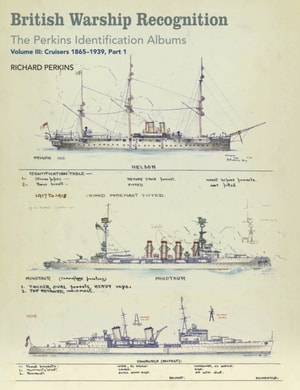
The Richard Perkins warship identification albums form one of the most detailed studies ever undertaken of the changes to the appearance of Royal Navy ships.
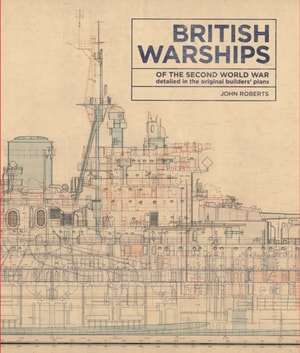
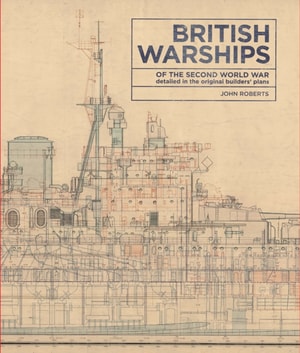
This volume reproduces a representative selection of official plans depicting the main types of warship with which the Royal Navy fought the Second World War.
The Richard Perkins warship identification albums form one of the most detailed studies ever undertaken of the changes to the appearance of Royal Navy ships.
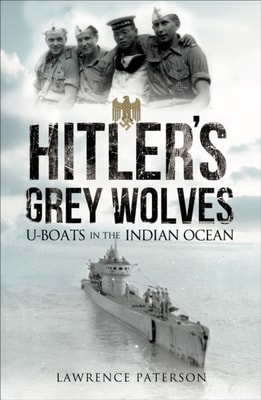
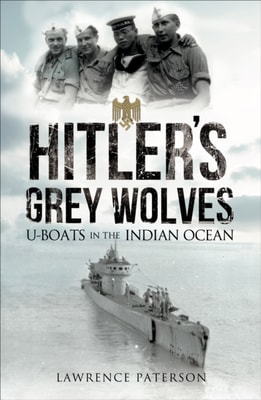
Very little has been written about the U-boat war in the Indian Ocean, where almost forty German submarines were assigned to operate from the Malaysian port of Georgetown alongside troops of the occupying Imperial Japanese forces.
Very little has been written about the U-boat war in the Indian Ocean, where almost forty German submarines were assigned to operate from the Malaysian port of Georgetown alongside troops of the occupying Imperial Japanese forces.
The battleships of the worlds navies in the 1820s were descended directly in line from the Revenge of 1577: they were wooden-built, sail-powered and mounted guns on the broadside, firing solid shot.
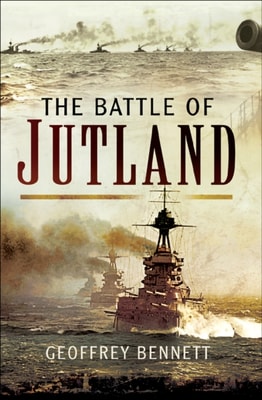
The Battle of Jutland: At the end of May 1916, a chance encounter with Admiral Hipper's battlecruisers has enabled Beatty to lead the German Battle Fleet into the jaws of Jellicoe's greatly superior force, but darkness had allowed Admiral Scheer to extricate his ships from a potentially disastrous situation.
During the Second World War navies developed low visibility camouflage for their ships, on both the vertical and horizontal surfaces, in order reduce visibility by blending in with the sea, or confuse the identity of a ship by applying more obtrusive patters.
During the Second World War navies developed low visibility camouflage for their ships, on both the vertical and horizontal surfaces, in order reduce visibility by blending in with the sea, or confuse the identity of a ship by applying more obtrusive patters.
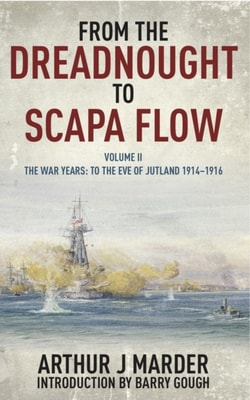
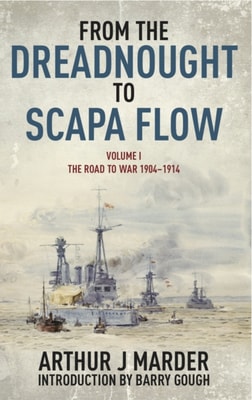
The five volumes that constitute Arthur Marder's From the Dreadnought to Scapa Flow represented arguably the finest contribution to the literature of naval history since Alfred Mahan.
The five volumes that constitute Arthur Marder's From the Dreadnought to Scapa Flow represented arguably the finest contribution to the literature of naval history since Alfred Mahan.
The five volumes that constitute Arthur Marder's From the Dreadnought to Scapa Flow represented arguably the finest contribution to the literature of naval history since Alfred Mahan.
The five volumes that constitute Arthur Marder's From the Dreadnought to Scapa Flow represented arguably the finest contribution to the literature of naval history since Alfred Mahan.
The five volumes that constitute Arthur Marder's From the Dreadnought to Scapa Flow represented arguably the finest contribution to the literature of naval history since Alfred Mahan.
This new addition to the Images of War series takes as its focus the early Big Gun battleships that saw development and deployment during the First World War.
This new addition to the Images of War series takes as its focus the early Big Gun battleships that saw development and deployment during the First World War.
Above the Waves is the history of the first century of British Naval aviation, with personal accounts adding color to the achievements both in technology, such as angled flight decks, mirror deck landing systems, helicopter assault and vertical take-off, and in operations, including the sinking of the Konigsberg and the daring attack on the Italian fleet at Taranto, convoy protection, operations with the United States Navy in the Pacific, then, post-war, Suez, and later the recovery of the Falklands from Argentine invasion.