While we know a great deal about naval strategies in the classical Greek and later Roman periods, our understanding of the period in between--the Hellenistic Age--has never been as complete.
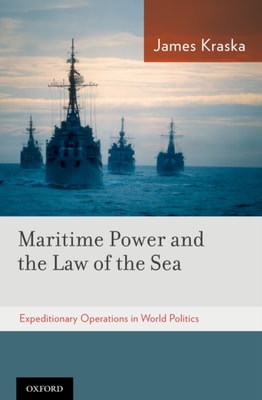
In Maritime Power and the Law of the Sea: Expeditionary Operations in World Politics, Commander James Kraska analyzes the evolving rules governing freedom of the seas and their impact on expeditionary operations in the littoral, near-shore coastal zone.
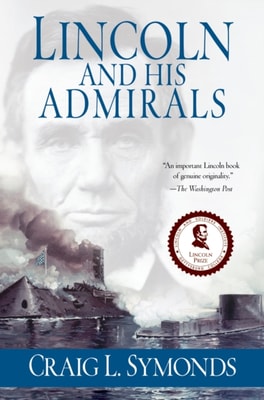
Abraham Lincoln began his presidency admitting that he knew "e;but little of ships,"e; but he quickly came to preside over the largest national armada to that time, not eclipsed until World War I.
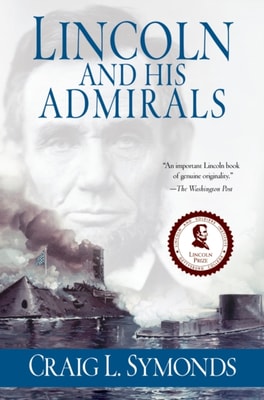
Abraham Lincoln began his presidency admitting that he knew "e;but little of ships,"e; but he quickly came to preside over the largest national armada to that time, not eclipsed until World War I.
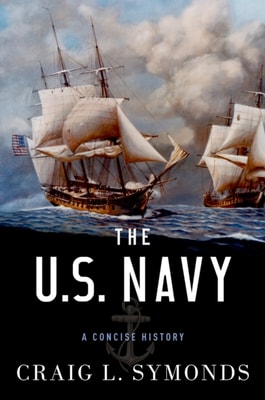
This fast-paced narrative traces the emergence of the United States Navy as a global power from its birth during the American Revolution through to its current superpower status.
This fast-paced narrative traces the emergence of the United States Navy as a global power from its birth during the American Revolution through to its current superpower status.
When Barbary pirates captured an obscure Yankee sailing brig off the coast of North Africa in 1812, enslaving eleven American sailors, President James Madison first tried to settle the issue through diplomacy.
Arguing that the unprecedented nature of our first postmodernist war demanded either the revision of traditional modes of war writing or the discovery of new styles that would render the emotional and psychological center of a new national trauma, this study assesses the most important novels and personal memoirs written by Americans about the Vietnam War.
Adapted from the naval history classic and New York Times bestseller, The Last Stand of the Tin Can Sailors pieces together the action of the Battle off Samar, bringing to life a riveting story of heroism against daunting odds, duty, and sacrifice in a way never seen before.
When Barbary pirates captured an obscure Yankee sailing brig off the coast of North Africa in 1812, enslaving eleven American sailors, President James Madison first tried to settle the issue through diplomacy.
Author of Lincoln and His Admirals (winner of the Lincoln Prize), The Battle of Midway (Best Book of the Year, Military History Quarterly), and Operation Neptune, (winner of the Samuel Eliot Morison Award for Naval Literature), Craig L.
Author of Lincoln and His Admirals (winner of the Lincoln Prize), The Battle of Midway (Best Book of the Year, Military History Quarterly), and Operation Neptune, (winner of the Samuel Eliot Morison Award for Naval Literature), Craig L.
Paul Kennedy's classic naval history, now updated with a new introduction by the authorThis acclaimed book traces Britain's rise and fall as a sea power from the Tudors to the present day.
Winner of the Longman's History Today Book of the Year Award and the inaugural Westminster Medal for Military Literature More than a century had gone by since the Battle of Trafalgar.
'The Ministry of Defence does not comment upon submarine operations' is the standard response of officialdom to enquiries about the most secretive and mysterious of Britain's armed forces, the Royal Navy Submarine Service.
This thorough account of the South's efforts to hold the Mississippi River is "e;fast-paced, easy to read, and well supported by archival research"e;(The Civil War Monitor).
This compelling tale of courage, heroism, and terror is told in the words of ninety-one sailors and officers interviewed by the author about their World War II service aboard fifty-six destroyer escorts.
On December 7, 1941, as the great battleships Arizona, Oklahoma, and Utah lie paralyzed and burning in the aftermath of the Japanese ttack on Pearl Harbor, a crack team of U.
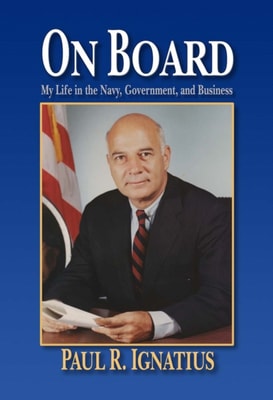
Insights into significant events of the twentieth century are provided in this memoir by Paul Ignatius, a former secretary of the Navy and past president of The Washington Post who participated in many of the events described.
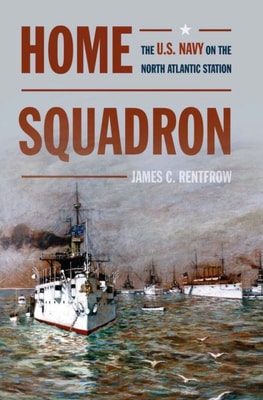
This study examines the transformation of the United States Navy as a fighting organization that took place on the North Atlantic Station between 1874 and 1897.
Inspiring story of a young man from a humble background who received the Bronze and Silver Star for service as a Marine in Korea, including fighting at the Chosin Reservoir, and was almost selected as an astronaut.