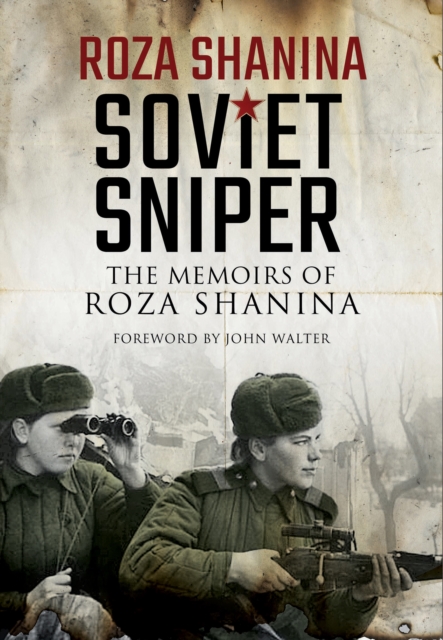
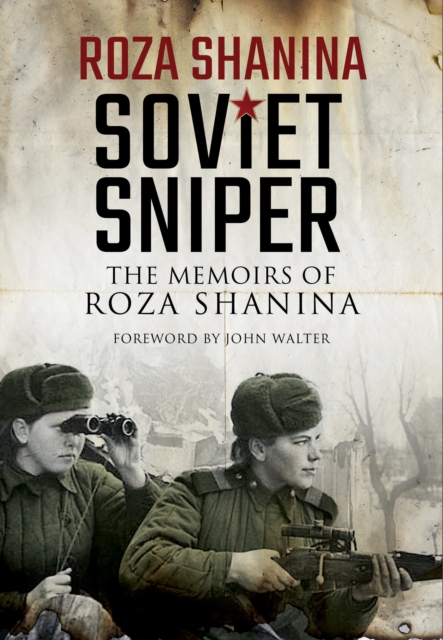
Described as the 'unseen terror of East Prussia', Soviet World War II sniper, Roza Shanina was celebrated for her remarkable shooting accuracy and astonishing bravery.
The diary of the Soviet World War II sniper known as the "e;unseen terror of East Prussia"e; who killed 59 enemy soldiers before dying heroically at age 20.
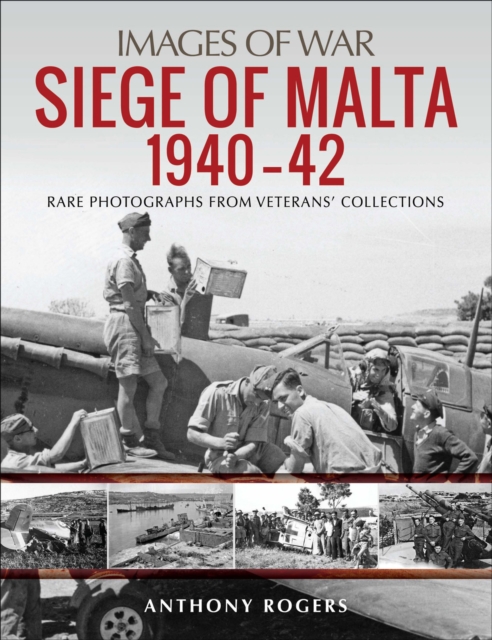
The story of a Mediterranean island under constant bombardment: "e;Packed with over 200 photographs, this book is a must for any World War II enthusiast.
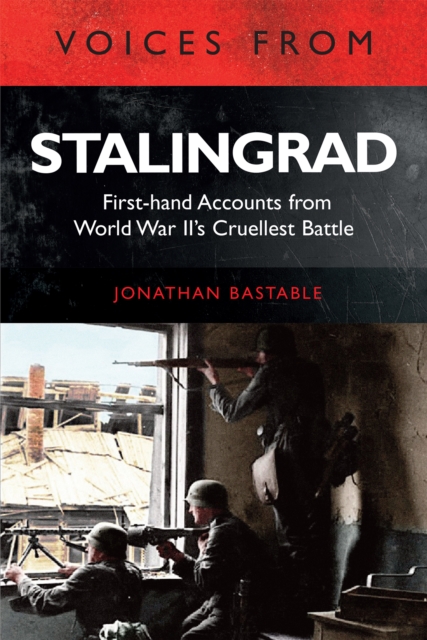
This history of the pivotal WWII Battle of Stalingrad reveals newly translated firsthand accounts from Russian and German soldiers as well as civilians.
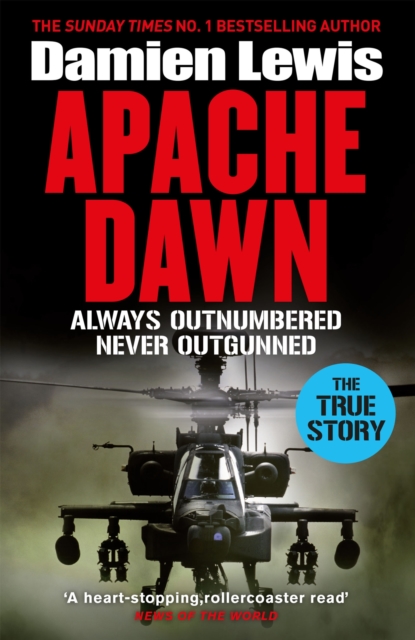
'Damien Lewis is both a meticulous historian and a born storyteller' Lee ChildIn the summer of 2007 the British Army's 662 Squadron deployed its most potent weapons system in combat for the very first time - the iconic Apache attack helicopter.
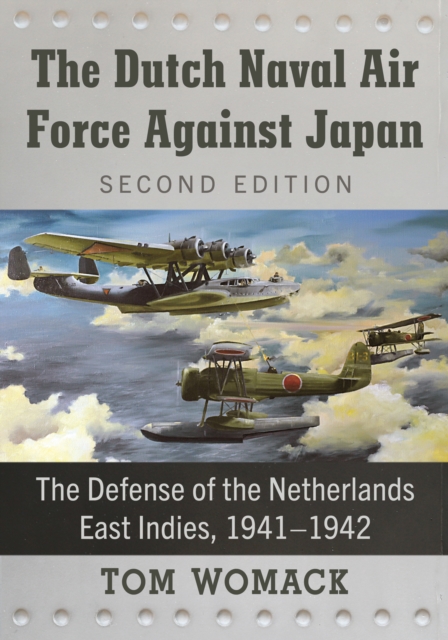
Following the Japanese attack on Pearl Harbor, the Dutch Naval Air Force--or Marine Luchtvaart Dienst (MLD)--played a significant but largely overlooked role in the opening months of the Pacific War.
Following the Japanese attack on Pearl Harbor, the Dutch Naval Air Force--or Marine Luchtvaart Dienst (MLD)--played a significant but largely overlooked role in the opening months of the Pacific War.
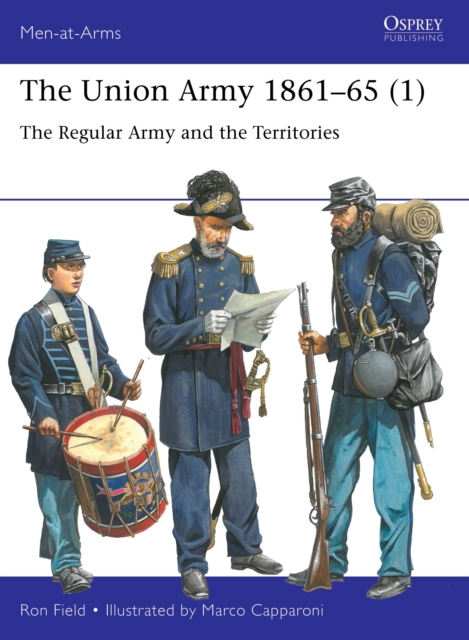
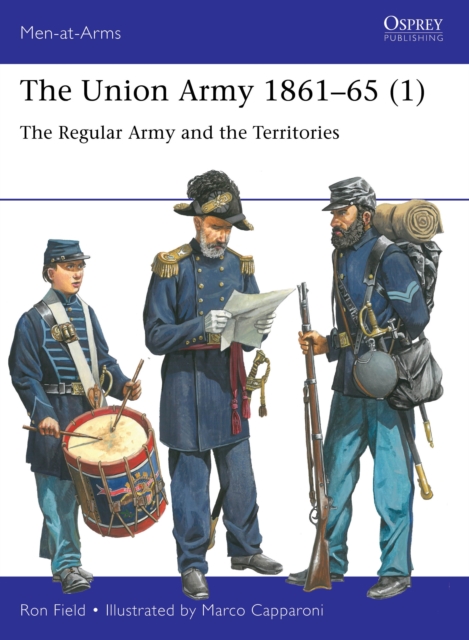
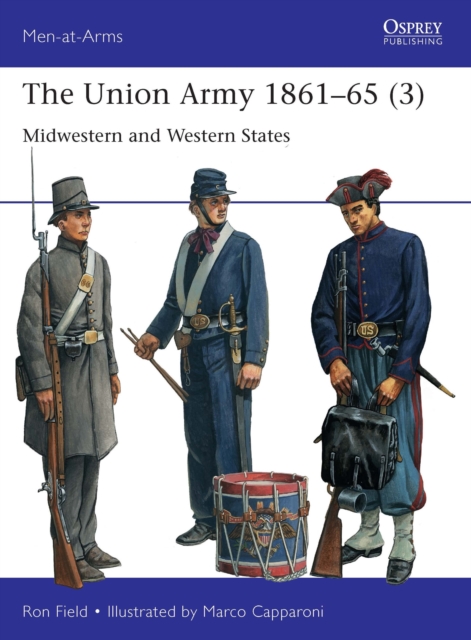
This fully illustrated study investigates the uniforms and equipment of the US regular troops and volunteers from the territories fighting for the Union during the American Civil War.
This fully illustrated study investigates the uniforms and equipment of the US regular troops and volunteers from the territories fighting for the Union during the American Civil War.
This book is a study of Adolf Hitler in his role as military commander and strategist from the beginning of the Second World War until the end of 1942, examining in detail the campaign in southern Russia that year.
This book is a study of Adolf Hitler in his role as military commander and strategist from the beginning of the Second World War until the end of 1942, examining in detail the campaign in southern Russia that year.
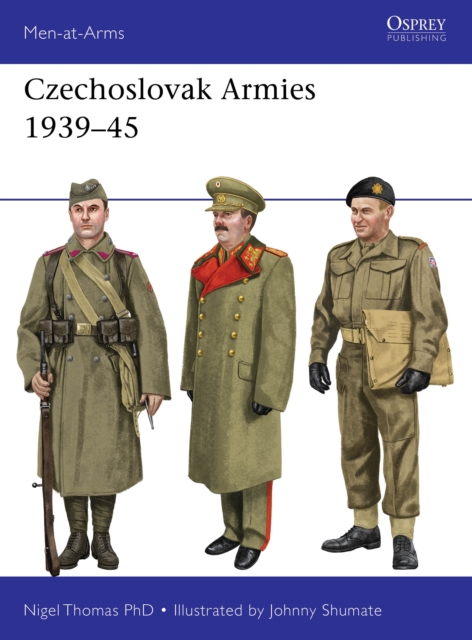
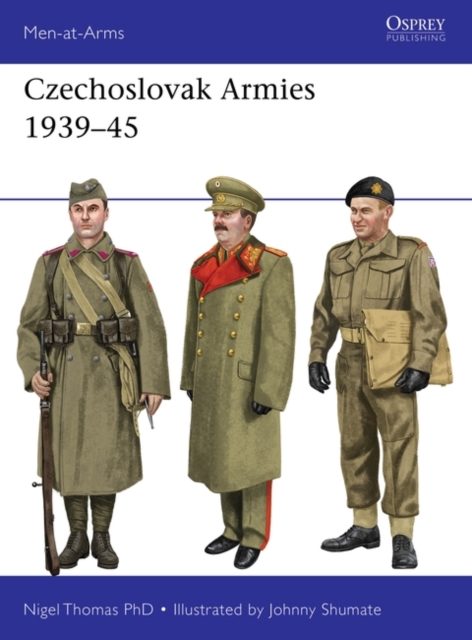
Featuring rare photos, detailed colour illustrations and insignia tables, this study explores the contribution made by Czech and Slovak troops fighting alongside Allied forces during World War II.
Featuring rare photos, detailed colour illustrations and insignia tables, this study explores the contribution made by Czech and Slovak troops fighting alongside Allied forces during World War II.
Der vorliegende Band beschäftigt sich mit der militärischen Seite der Geopolitik des Westens und der Hegemonie der USA nach dem Zusammenbruch der Sowjetunion.
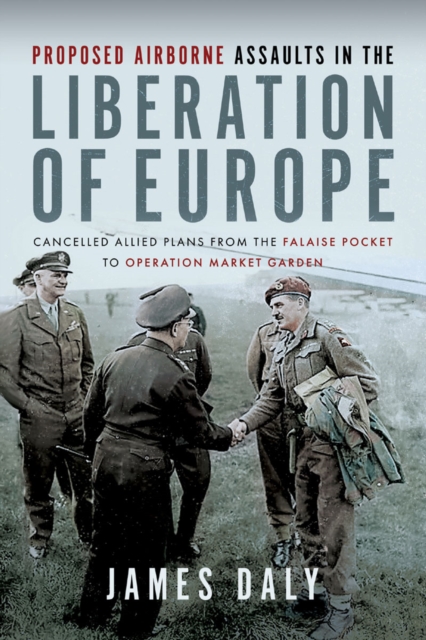
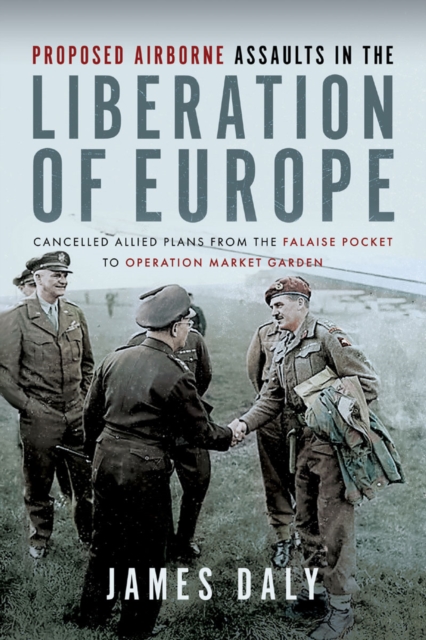
The bitter fighting in the so-called Falaise-Argentan Pocket in August 1944, during which the Allies encircled and destroyed a substantial part of Hitler’s forces in northern France following the D-Day landings, marked the last major battle of the Normandy campaign.
The forgotten story of the major naval operations conducted in the Philippines by the US and Japanese navies after Leyte Gulf up to the US invasion of Luzon in January 1945.
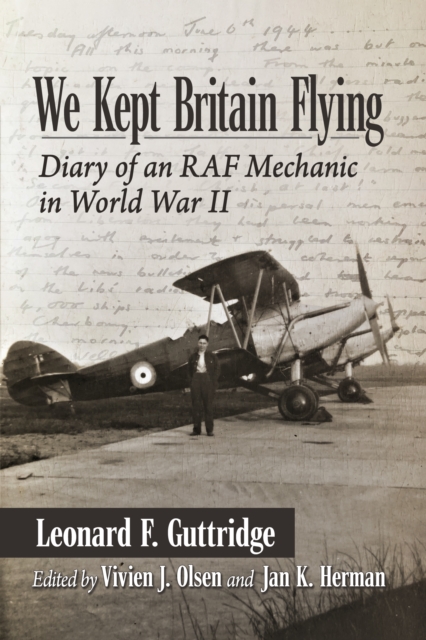
Corporal Leonard Guttridge was among the many unsung heroes of the Battle of Britain--the Royal Air Force mechanics and armorers who patched bullet holes, repaired engines, refueled empty tanks and replenished ammunition, enabling outnumbered pilots to return to the skies.
This book describes and illustrates the uniforms and personal equipment of the troops fielded by the Midwestern and Western states that fought for the Union during the Civil War.
The bitter fighting in the so-called Falaise-Argentan Pocket in August 1944, during which the Allies encircled and destroyed a substantial part of Hitler’s forces in northern France following the D-Day landings, marked the last major battle of the Normandy campaign.
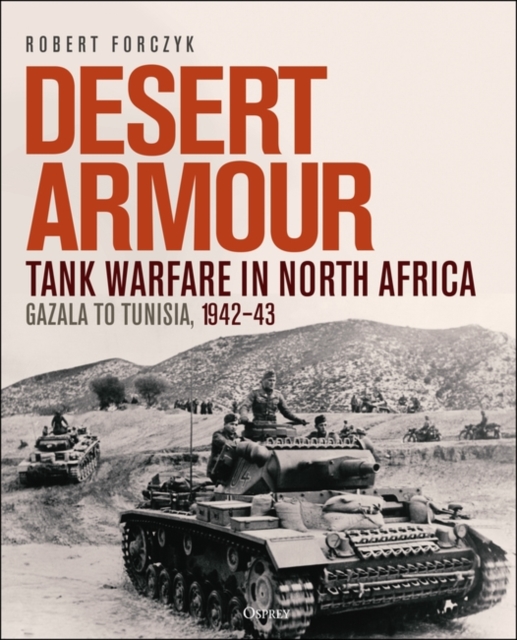
Robert Forczyk covers the development of armoured warfare in North Africa from Rommel's Gazala offensive in 1942 through to the end of war in the desert in Tunisia in 1943.