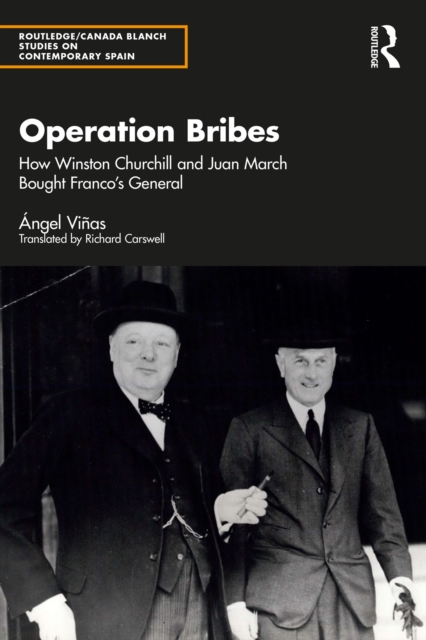
This forensic study of recently opened documents in Britain's National Archives reveals for the first time the details of an officially unnamed secret operation authorised by Winston Churchill in 1940 to keep Spain neutral in the Second World War through the financial manipulation of Spanish generals.
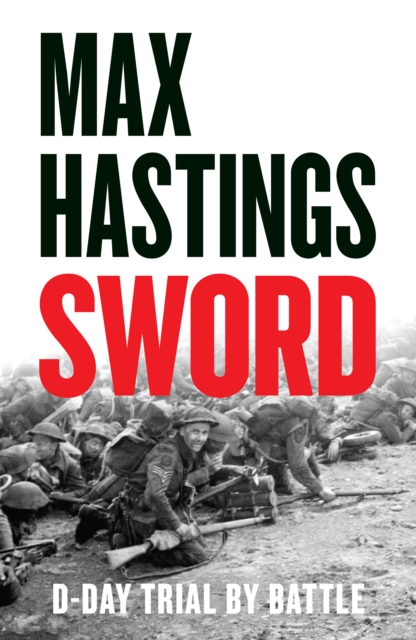
THE SUNDAY TIMES BESTSELLERA Times and Waterstones Book of the Year'The messy, dirty, bloody reality of Operation Overlord comes alive in Sword, Hastings's portrait of the individual soldiers who risked their lives on the beaches of Normandy.
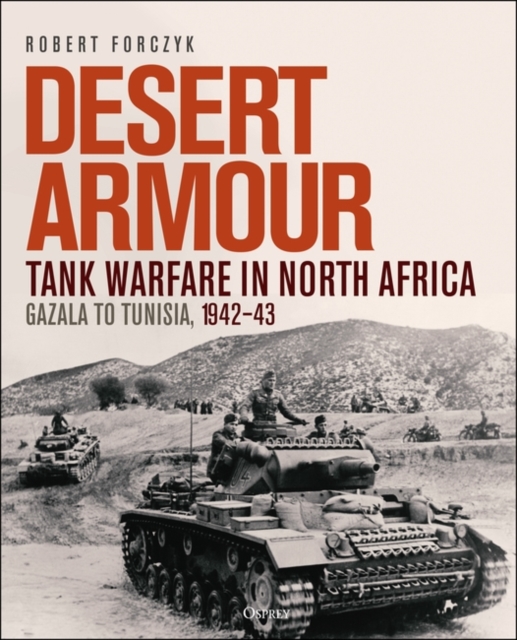
Robert Forczyk covers the development of armoured warfare in North Africa from Rommel's Gazala offensive in 1942 through to the end of war in the desert in Tunisia in 1943.
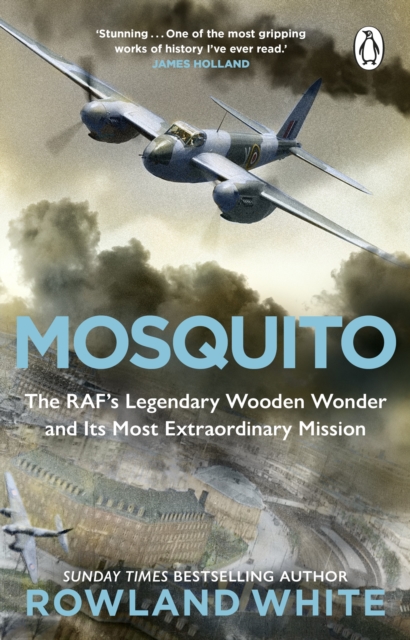
'Captivating' Daily Telegraph'Stunning' James Holland'Superb' Daily Express'Wonderful' John Nichol'Remarkable' RAF News_________________________________Built of lightweight wood, powered by two growling Rolls-Royce Merlin engines, impossibly aerodynamic, headspinningly fast and armed to the teeth, the de Havilland Mosquito was the war-winning wonder that should never have existed: the aircraft the RAF didn't think it wanted then couldn't do without.
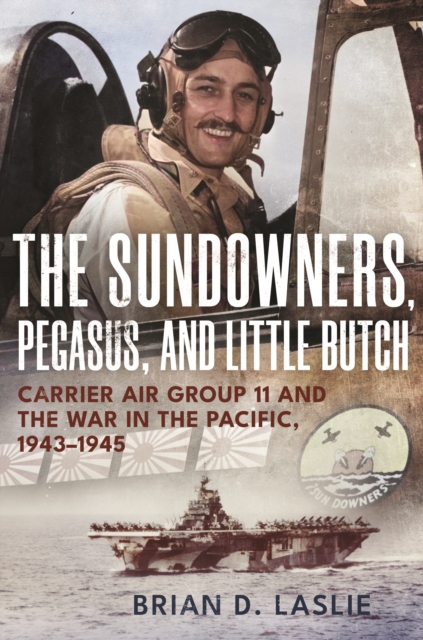
Much like Carol Reardon's Launch the Intruders: A Naval Attack Squadron in The Vietnam War, 1972, this book will look at the War in the Pacific from August 1942 through January 1945 and demonstrate that one unit's example was indicative of a wider whole.
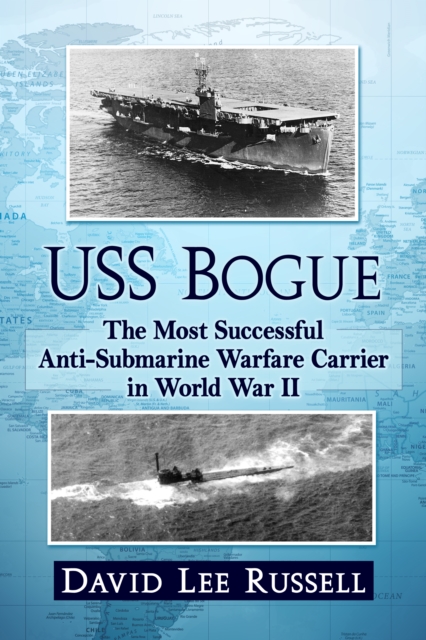
Designed to locate and sink German U-boats in the Battle of the Atlantic, the escort carrier USS Bogue (CVE-9) became the most successful Anti-Submarine Warfare (ASW) carrier of World War II.
Designed to locate and sink German U-boats in the Battle of the Atlantic, the escort carrier USS Bogue (CVE-9) became the most successful Anti-Submarine Warfare (ASW) carrier of World War II.
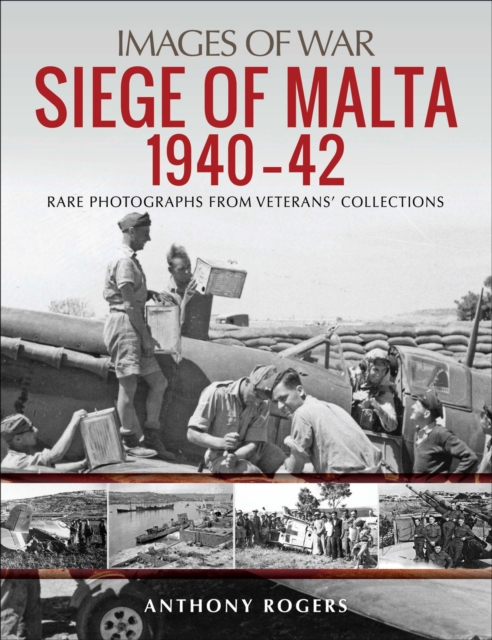
The story of a Mediterranean island under constant bombardment: "e;Packed with over 200 photographs, this book is a must for any World War II enthusiast.
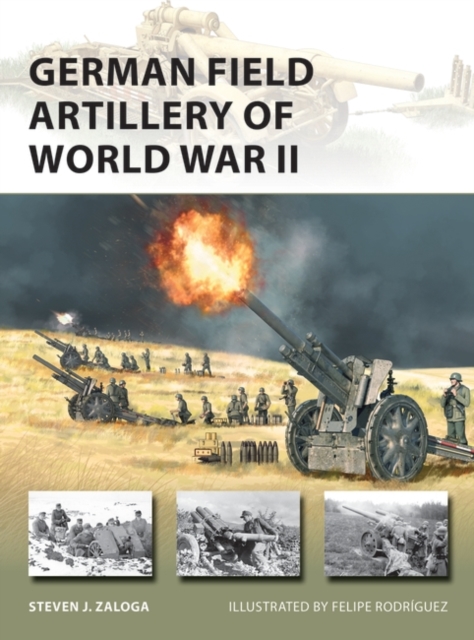
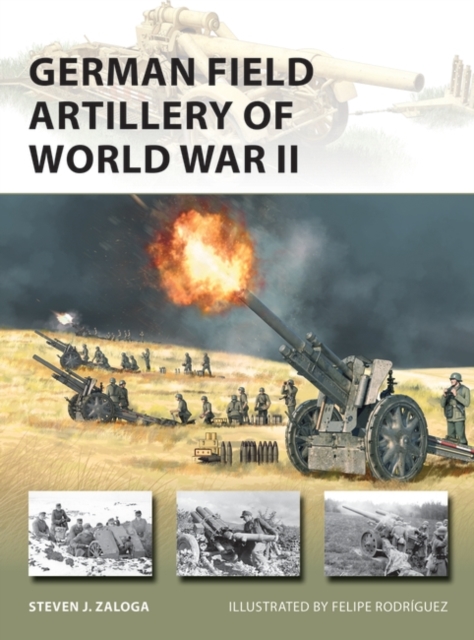
An illustrated study of the big guns of Hitler's army the Wehrmacht's field artillery, its capabilities and its role in German fighting units of World War II.
An illustrated study of the big guns of Hitler's army the Wehrmacht's field artillery, its capabilities and its role in German fighting units of World War II.
This study provides an overview of the International Air Force (IAF) concept, which emerged in the early 20th century out of a long progression of schemes for creating multi-national armed forces to enforce the peace, most often referred to as an international police force (IPF).
This overview explores the use of black people, either through coercion or enticement, in the armed forces of predominantly white societies in times of crisis when the supply of white soldiers was exhausted or when whites refused to fill the ranks of a wartime army.
From ancient times to World War II and the postwar period, Battleships charts the evolution of the vessel that ruled the seas-a vessel that, until the arrival of the aircraft carrier, would be the most expensive and complex human-made moving object in history.
This vivid volume describes the fascinating history of aircraft carriers, first deployed successfully in World War I by the Imperial Russian Navy, and indispensable to the Allied victory in World War II, now the strategic centerpiece of the world's most powerful navies.
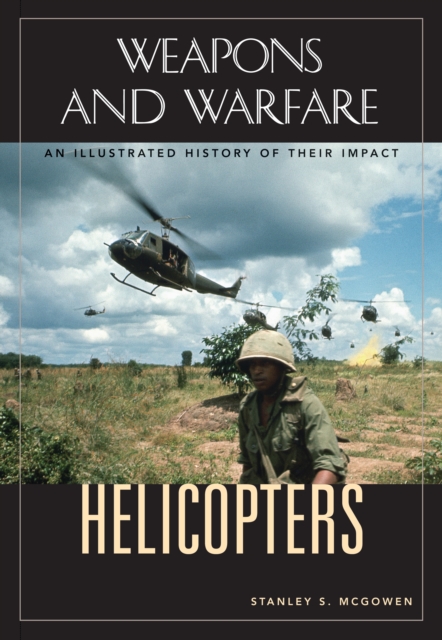
First envisioned by Leonardo da Vinci and first deployed in World War II, the helicopter is now a universal icon of modern warfare, a key component of combat planning around the world, and one of the military's most versatile and effective tools.
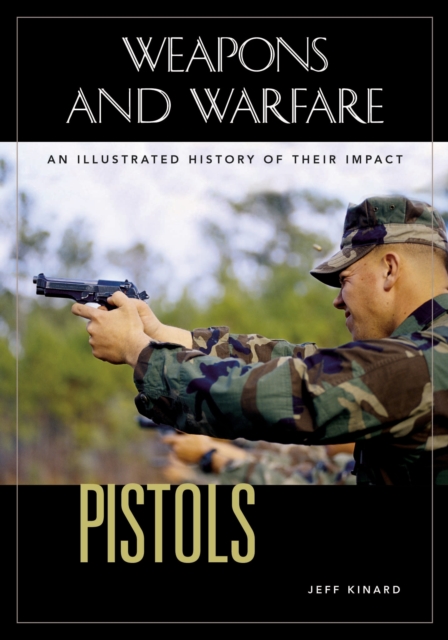
The development of the pistol helped bring the age of the armored knight to an end, provided the elite with a status symbol of dangerous glamour, and inspired both artisans and industrialists to reach new heights of invention.
An explanation of the failure of the Communist insurgency in Greece between 1945 and 1949, this study provides a striking lesson in what happens to an armed revolutionary movement when it lacks adequate manpower and logistical resources, and is divided against itself on such basic matters as foreign policy and the employment of its military capabilities.
The conclusion of a war typically signals the beginning of a flood of memoirs and instant campaign histories, many presenting the purported, but often dubious lessons of the recent conflict.
The evolution of elite personal protection units-also known as close protection units-within the former Soviet Union is one of the least examined, yet crucial political developments in this region.
From the mid-19th century to the early Cold War, the United States has a long history with China, and that interaction has not always been positive or productive.
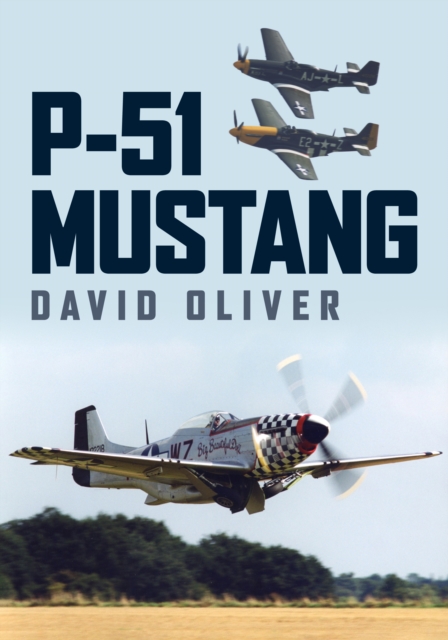
Designed and produced by North American Aviation in response to a British order for aircraft in 1940, the P-51 Mustang went on to become one of the most successful aircraft in the Second World War and beyond.
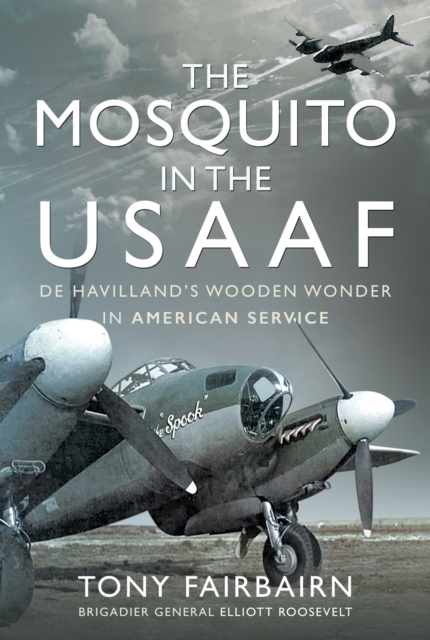
This history of the US's British aircraft acquisition "e;examin[es] the role [the USSAF] played in reconnaissance, special operations, and night fighting.
Previous studies of the American Navy's role in World War I have emphasized the combat and logistical tasks such as anti-submarine warfare, convoy protection, and the transportation of military supplies and troops to Europe.
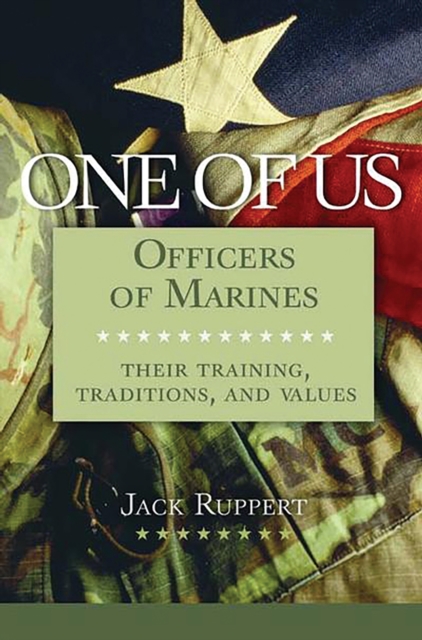
This engaging book plunges readers into the culture shock of Marine Officer Candidates School, a ten-week physical, intellectual, and emotional testing ground so grueling that every fourth candidate fails to complete.