The confrontation between German and Soviet forces at Stalingrad was a titanic clash of armies on an unprecedented scalea campaign that was both a turning point in World War II and a lasting symbol of that wars power and devastation.
Acclaimed author Andrew Thomas has chosen fifty fascinating cameos of individual actions or incidents across a wide variety of major and minor campaigns and scenarios ranging from the First World War to the present day.
Sliding out of the shadows of World War Two, the de Havilland Vampire - accompanied by the distinctive whine of its Goblin engine - quickly proved itself an effective alternative to piston-powered fighters.
This collection of essays, written by the some of the foremost historians in the field of Coast Guard history, highlights the wartime roles played by the United States oldest federal maritime service, from its inception through the last decade of the twentieth century.
Hull Rifles looks at the 4th East Yorkshire Regiment during the Great War and examines the origins of the battalion and its history over the three years it fought in France and Belgium.
"e;This book belongs on every World War II bookshelf, filling in the gaps on what is known about this oft-mentioned but little understood topic of wartime escape and evasion.
The key importance of naval success in Britain's rise to being the leading power in the world was a hard-won process, one that linked fighting effectiveness to national support.
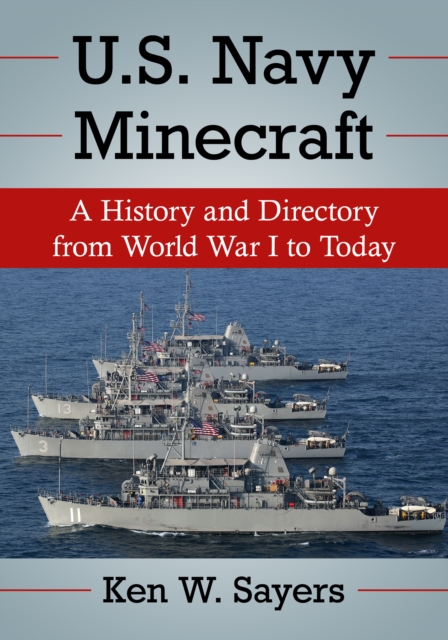
In modern naval warfare, offensive and defensive mine operations and the ships that perform them often take a back seat to the more glamorous carrier strike groups, strategic deterrence patrols and anti-submarine operations.
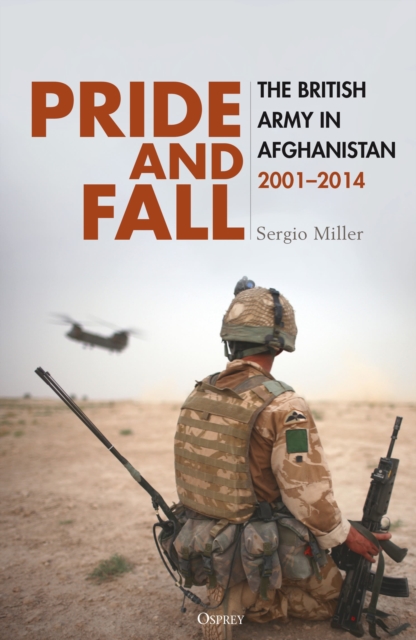
SHORTLISTED FOR THE SOCIETY FOR ARMY HISTORICAL RESEARCH'S 2025 TEMPLER MEDALA detailed new account of the British military campaign in Afghanistan from 2001 to 2014, based on the experiences of those who served.
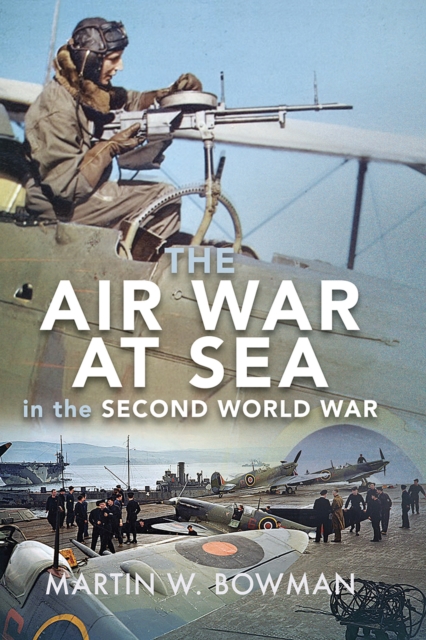
Martin Bowman's considerable experience as a military historian has spanned over forty years, during which time he has spent hundreds of hours interviewing and corresponding with numerous men and women and their relatives, in Britain, America and beyond, resulting in a wealth of material on the war at sea from World War One to the Falklands and the wars on terror.
Above the mud and misery of the trenches and the endless slugging matches of the First World War another contest was played out with all the military glamor, chivalric values and deadly outcome of a medieval, knightly tournament.
Martin Bowman's considerable experience as a military historian has spanned over forty years, during which time he has spent hundreds of hours interviewing and corresponding with numerous men and women and their relatives, in Britain, America and beyond, resulting in a wealth of material on the war at sea from World War One to the Falklands and the wars on terror.
Above the mud and misery of the trenches and the endless slugging matches of the First World War another contest was played out with all the military glamor, chivalric values and deadly outcome of a medieval, knightly tournament.
'Nerve-shattering, enlightening and deeply moving' - JOHN NICHOL'A powerful and compelling read' - ROWLAND WHITEOn 5 December 2002, trainee pilot Nathan Gray walked away from an 'unsurvivable' crash at RAF Wittering in Cambridgeshire.
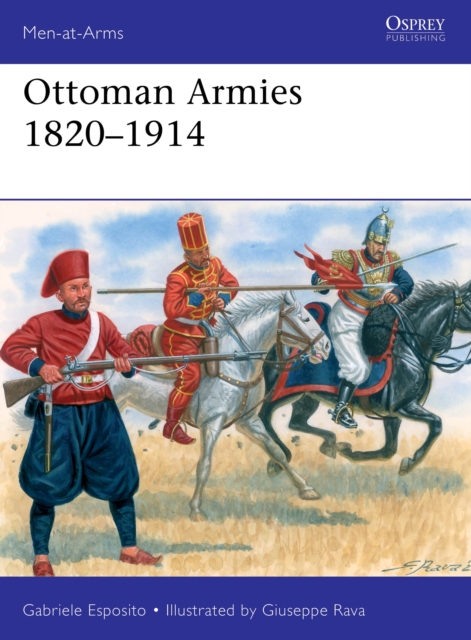
This book describes and illustrates the armies of the embattled Ottoman Turkish Empire involved in 19th-century wars during the Empire's long spiral of decline.
This book describes and illustrates the armies of the embattled Ottoman Turkish Empire involved in 19th-century wars during the Empire's long spiral of decline.
In November 1942 Anglo-American forces landed in French North Africa, which soon afterwards broke with Marshal Petain's Vichy regime in France and re-entered the war on the Allies' side.
Thomas Modly had an eclectic career in the military, academia, business, and government when he answered the call to service in 2017 and returned to the Navy where his career began.
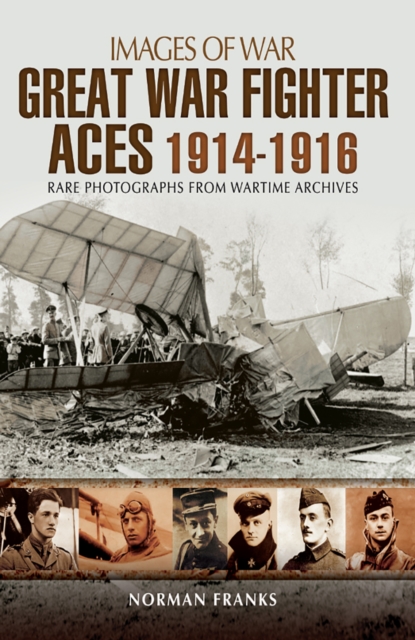
Here, Norman Franks tells the story, in words and images, of the emergence of some of the greatest fighter aces to see action during the first half of the First World War.
In this fully illustrated introduction, acclaimed historian Dr Aaron Edwards provides a concise overview of one of the most difficult and controversial actions in recent history.
An authoritative analysis of how Putin's Russia conquered the Crimea in 2014 using 'grey zone' warfare techniques, blending operations by anonymous special forces with cyber, sabotage, and propaganda.
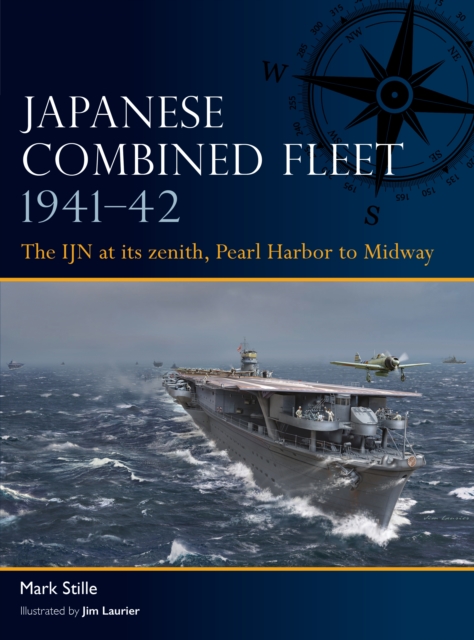
Launching Osprey's new Fleet series, this is a spectacularly illustrated, concise and comprehensive account of the Imperial Japanese Navy's striking force at the height of its power.
**A Telegraph Best History Book 2023 and Spectator Book of the Year**The inspirational story of the ordinary people who forged the documents that saved thousands of Jewish lives in World War Two.
Launching Osprey's new Fleet series, this is a spectacularly illustrated, concise and comprehensive account of the Imperial Japanese Navy's striking force at the height of its power.
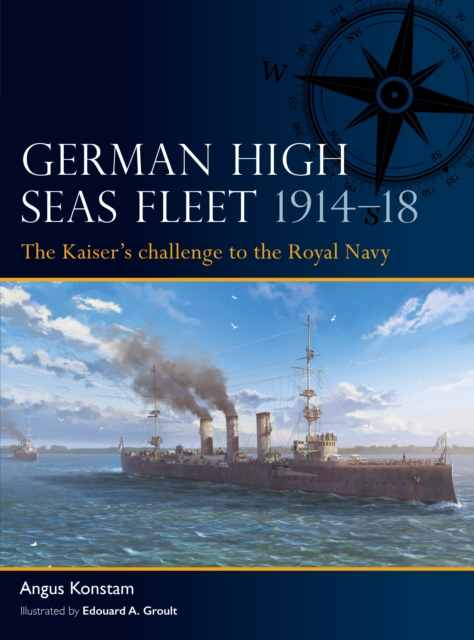
A superbly illustrated new account of how Germany's High Seas Fleet was built, operated and fought, as it challenged the world's most powerful navy in World War I.