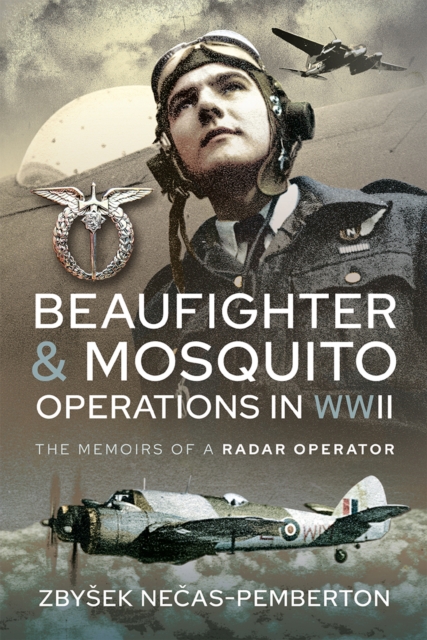
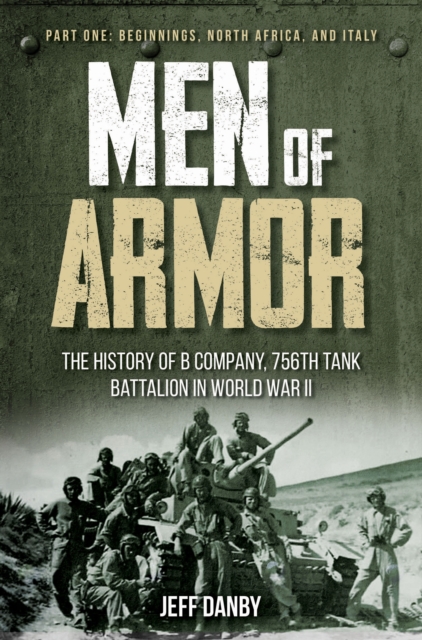
"e;Simply put, this is an unvarnished account of a dedicated young man who fled his country ahead of the Nazi occupation, who would never see his family again, and who unselfishly fought the Germans to protect his adopted homeland.
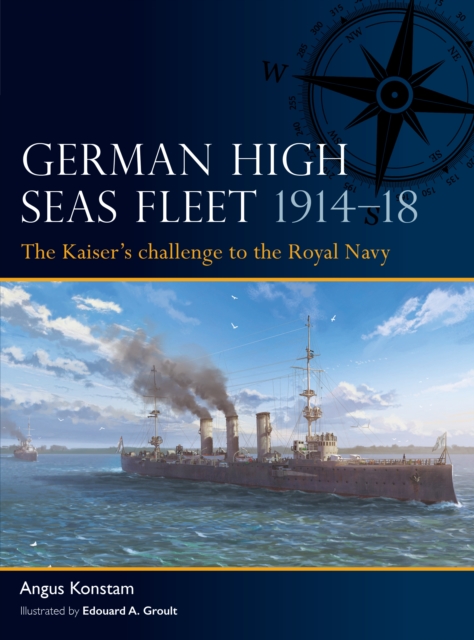
A superbly illustrated new account of how Germany's High Seas Fleet was built, operated and fought, as it challenged the world's most powerful navy in World War I.
In this fully illustrated introduction, acclaimed historian Dr Aaron Edwards provides a concise overview of one of the most difficult and controversial actions in recent history.
An authoritative analysis of how Putin's Russia conquered the Crimea in 2014 using 'grey zone' warfare techniques, blending operations by anonymous special forces with cyber, sabotage, and propaganda.
This, the second of two volumes covering United States Naval Aviation in the 1980s, completes the story by exploring training, reserve, test and US Marine Corps air stations.
World War II on the home front: "e;Fans of The Guernsey Literary and Potato Peel Pie Society or James Herriot will enjoy this unique historical account.
In November 1942 Anglo-American forces landed in French North Africa, which soon afterwards broke with Marshal Petain's Vichy regime in France and re-entered the war on the Allies' side.
Here, Norman Franks tells the story, in words and images, of the emergence of some of the greatest fighter aces to see action during the first half of the First World War.
In 1943, German forces launched a counteroffensive, reclaiming Kharkov during a crucial Eastern Front crisisAt the beginning of 1943, the German armed forces were in crisis on the southern front in Russia.
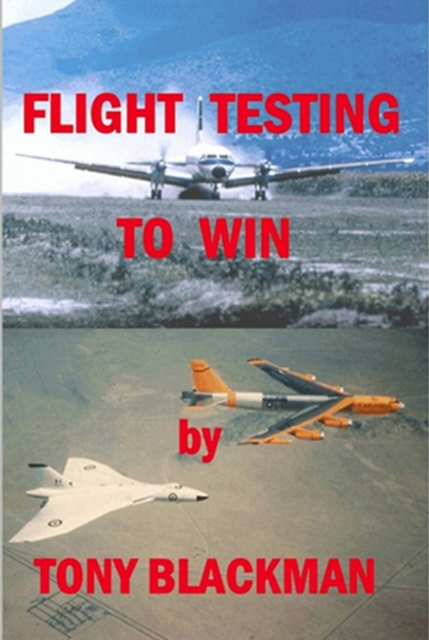
Chris Taylor has had a very successful career as a Royal Navy officer, helicopter pilot, test pilot, instructor and as an internationally acclaimed civil certification test pilot.
This is the story of a wartime bomber, its crew and of a tantalizing detective story unfolding over nearly a quarter of a century of intensive research.
When Robert Haddick wrote Fire on the Water, first published in 2014, most policy experts and the public underestimated the threat China's military modernization posed to the U.
The Road to Pearl Harbor offers a timely examination of the conflict in the Pacific prior to the attacks on Pearl Harbor and offers lessons applicable to understanding contemporary Great Power flash points between Asia and the West.
The Sultana was a sidewheel Mississippi steamboat carrying almost two thousand recently-released Union prisoners-of-war back north at the end of the Civil War.
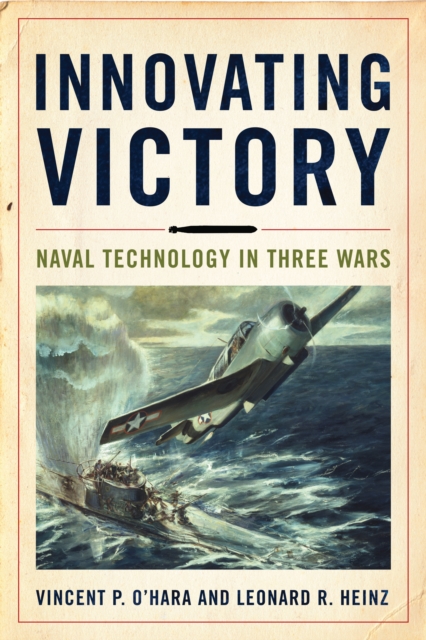
Innovating Victory: Naval Technology in Three Wars studies how the world's navies incorporated new technologies into their ships, their practices, and their doctrine.
Under Himmler's Command addresses two areas of World War II hitherto neglected - Heinrich Himmler as a military commander, and the German staff officer corps during the last months of the war on the Eastern Front.
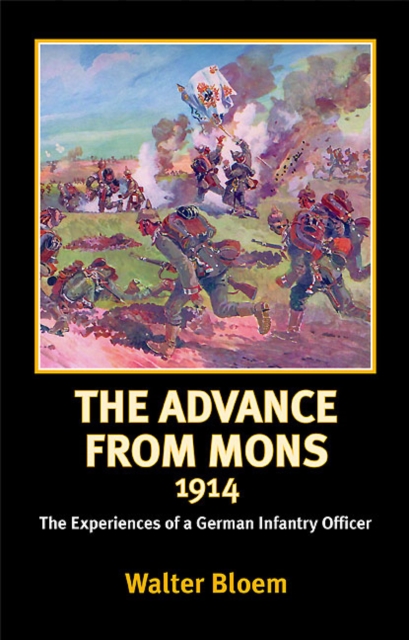
Here is an outstanding personal memoir penned by a German infantry officer recalling his experiences during the initial days and weeks of the war in the West, July-September 1914.
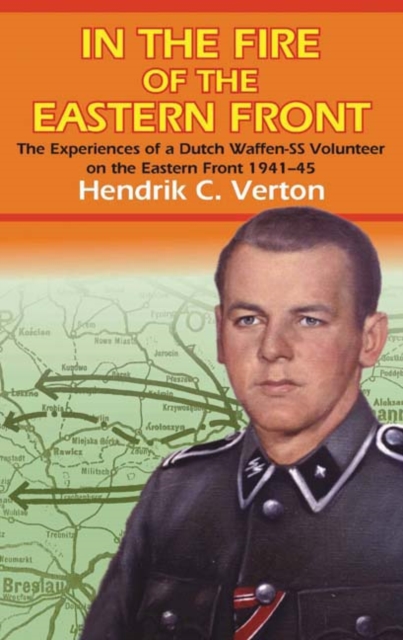
Dutch SS accounts are very rare, particularly ones such as this, covering recruitment, training, and frontline service first with 5th SS Panzer Division 'Wiking', then later with SS Regiment Besslein.
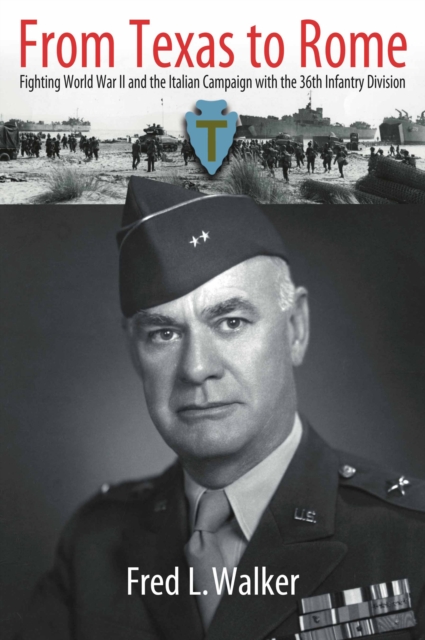
This remarkable and very rare memoir discusses the bloody combat history of the Texas National Guard 36th Infantry Division in World War II, from pre-embarkation training through the capture of Rome.
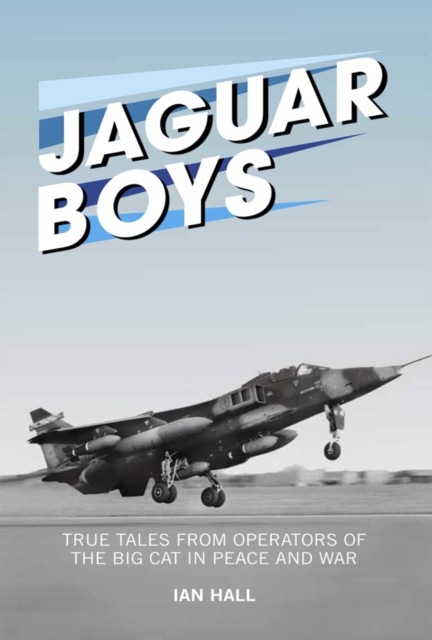
Originally intended as a trainer, the Anglo-French Sepecat jet, equipped with the very latest in weapon-aiming and navigational equipment, eventually became the backbone of the RAF’s tactical strike-attack and recce forces for a decade from the mid-1970s.
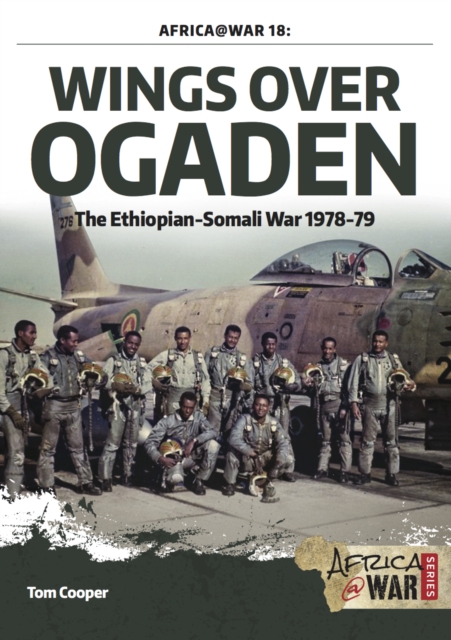
With Ethiopia in disarray following a period of severe internal unrest and the spread of insurgencies in Eritrea and Tigray, Ethiopia and its armed forces should have offered little opposition to well-equipped Somali armed forces which were unleashed to capture Ogaden, in July 1977.
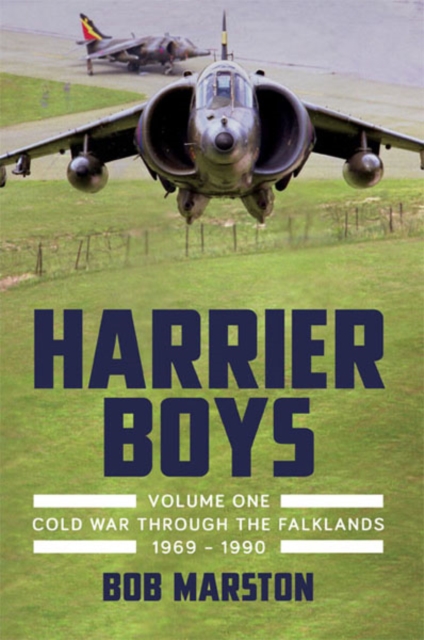
In Harrier Boys, Volume One: Cold War Through the Falklands, 1969-1990, Robert Marston, who flew Harriers for many years, draws together accounts from others who worked with this unique jet through its history.
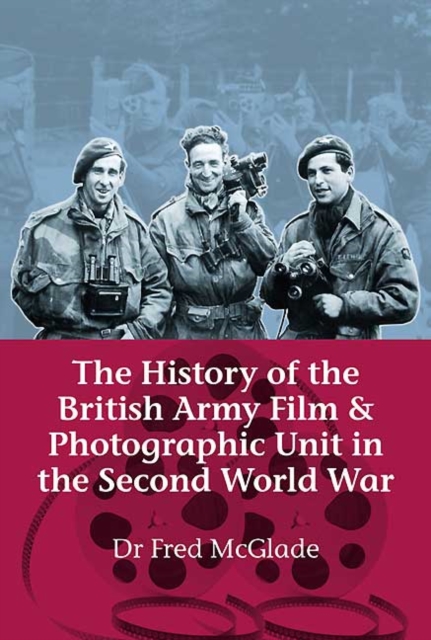
At the beginning of the Second World War the Nazi hierarchy at an early stage, had fully recognized the importance of controlling the depiction of military conflict in order to ensure the continued morale of their combat troops by providing a bridge between the soldiers and their families.
An Active Service' traces a young Sid Dowland from civilian life into the tough environment of the Guards Depot in the 1930's and then on to a Guards service Battalion in London and prewar Egypt.
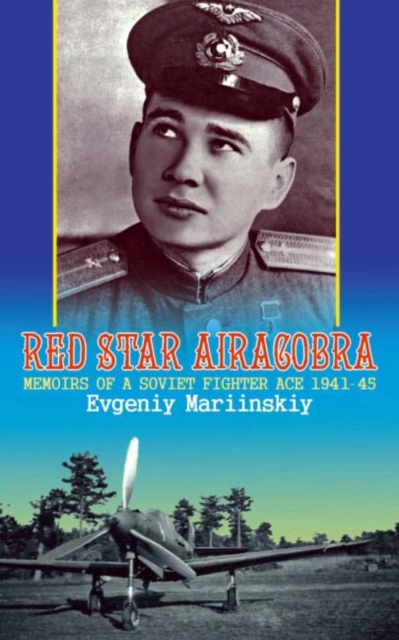
Evgeniy Mariinskiy, a Soviet fighter ace and Hero of the Soviet Union, shot down 20 enemy planes in aerial combat over the Eastern Front between 1943 and 1945.
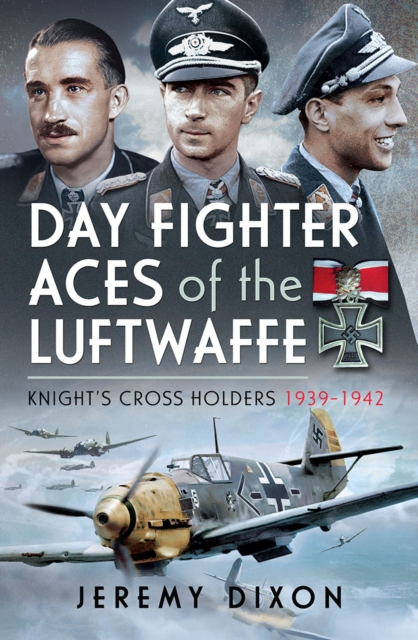
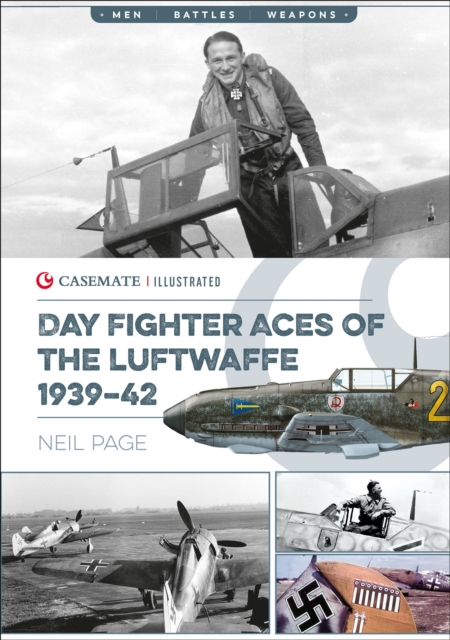
A pictorial history of Hitler's fighter pilots that "e;will be of great interest to aircraft modelers and aviation historians alike"e; (AMPS Indianapolis).
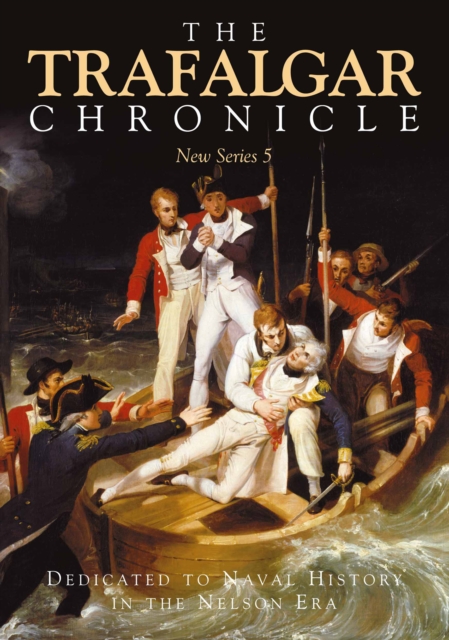
In essays that are "e;entertaining and, at times, fascinating"e; The 1805 Club's journal examines how art, literature, and film portray the Georgian Navy (Pirates and Privateers).