This critical examination of the final Soviet strategic offensive operation during World War II seeks to chip away at two generally inaccurate pictures many Westerners have of the war.
This is the history of the founding in 1882 and operation through two world wars of America's first permanent intelligence agency, the Office of Naval Intelligence.
This book compares female administrators who specifically chose to serve the Nazi cause in voluntary roles with those who took on such work as a progression of established careers.
How the Grand Alliance of World War II succeeded-and then collapsed-because of personal politicsIn the spring of 1945, as the Allied victory in Europe was approaching, the shape of the postwar world hinged on the personal politics and flawed personalities of Roosevelt, Churchill, and Stalin.
The encirclement of the German 6th Army at Stalingrad in mid-November 1942 and its final collapse in February 1943 was a signature defeat for Hitler, as more than 100,000 of his soldiers were marched off into captivity.
The second volume of this "e;excellent"e; overview of Germany's World War II fighter pilots, filled with photos, maps, and aircraft profiles (Air Power History).
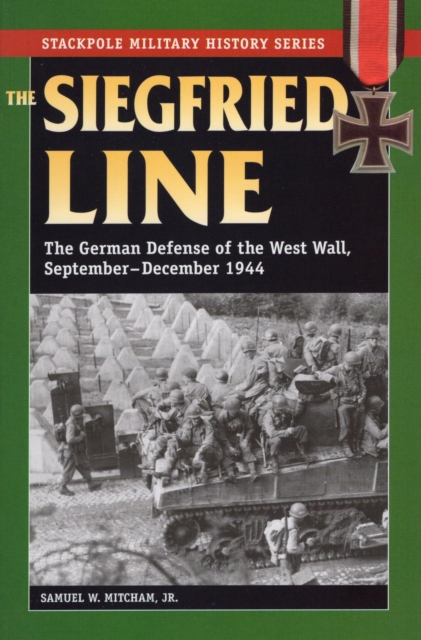
The battles for the Germans' last line of defense in World War II, including Arnhem, Aachen, the Huertgen Forest, and MetzHow German commanders made decisions under fireBuilt as a series of forts, bunkers, and tank traps, the West Wall--known as the Siegfried Line to the Allies--stretched along Germany's western border.
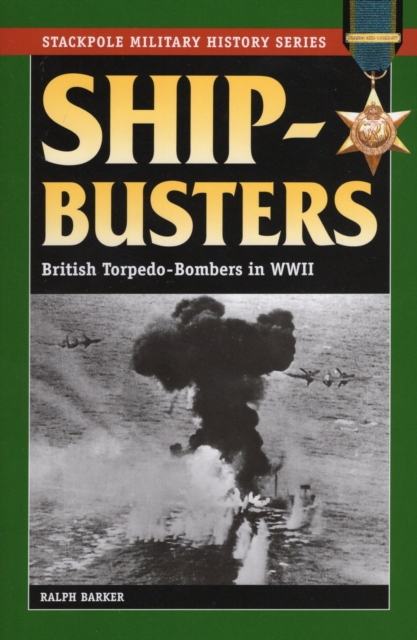
Epic story of low-level strikes on Axis navies in World War II One of the most dangerous forms of air attack used during the war Written by a participant This stirring book recounts how British torpedo-bombers took the war to enemy naval fleets and shipping vessels during World War II.
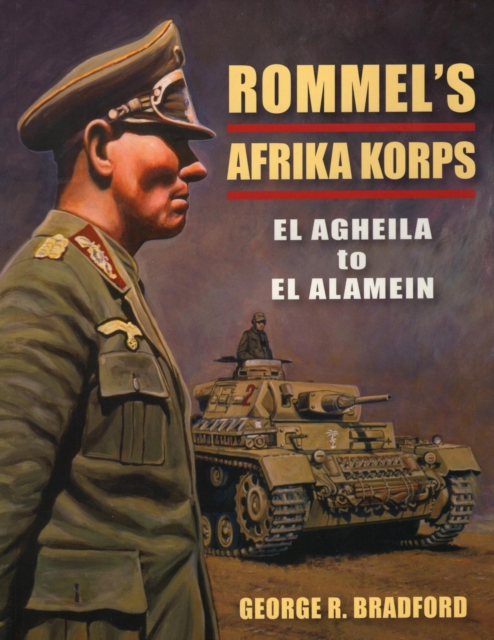
Portrait of this famous World War II unit at the height of its success Completely illustrated with photos, maps, and diagrams--in color where available In the sands of the Western Desert in 1941-42, Erwin Rommel made history as the Desert Fox, waging a brilliant and bold campaign against the British.
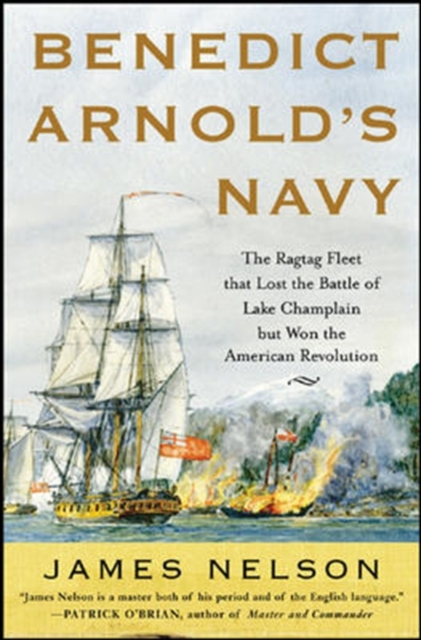
An epic story of one man's devotion to the American causeIn October 1776, four years before Benedict Arnold s treasonous attempt to hand control of the Hudson River to the British, his patch-work fleet on Lake Champlain was all that stood between British forces and a swift end to the American rebellion.
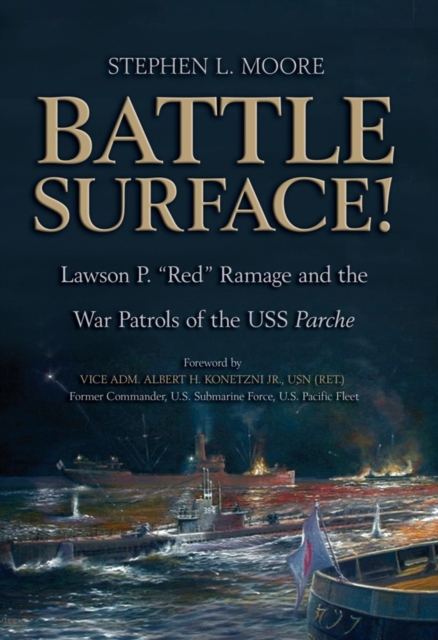
Among the more than 260 American submarines that patrolled the Pacific during World War II, the USS Swordfish in 1941 was the first to sink a Japanese armed merchant ship, marking the beginning of the submarine's colorful history.
During World War I, a specialized Russian battalion comprised of ethnic Czechs and Czech and Slovak prisoners of war--the Legion--became a pawn in an international game of power and deceit.
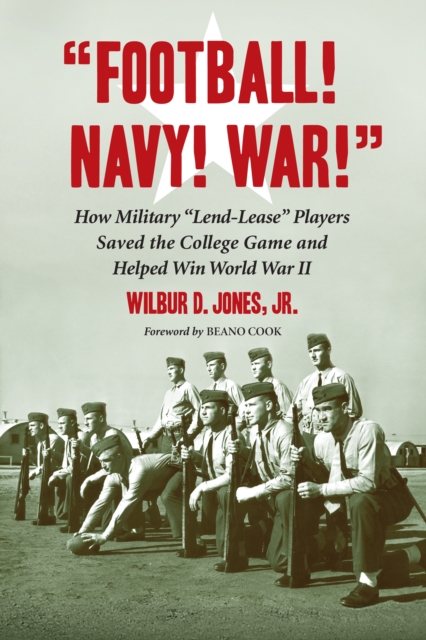
Not coincidentally, the sport of football naturally employs terms usually associated with war, such as "e;aerial attack,"e; "e;blitz,"e; and "e;trench warfare.
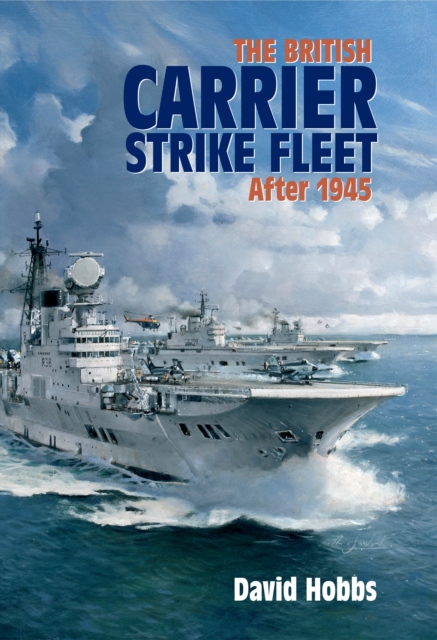
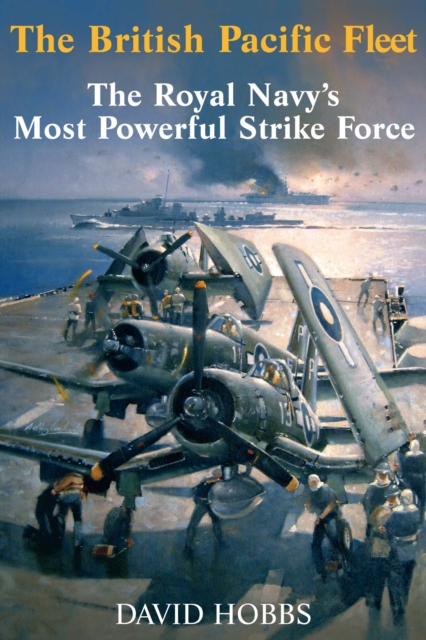
As a follow-up to the highly regarded British Pacific Fleet, David Hobbs looks at the post-World War II fortunes of the most powerful fleet in the Royal Navy-its decline in the face of diminishing resources, its final fall at the hands of ignorant politicians, and its recent resurrection in the form of the Queen Elizabeth class carriers, the largest ships ever built for the Royal Navy.
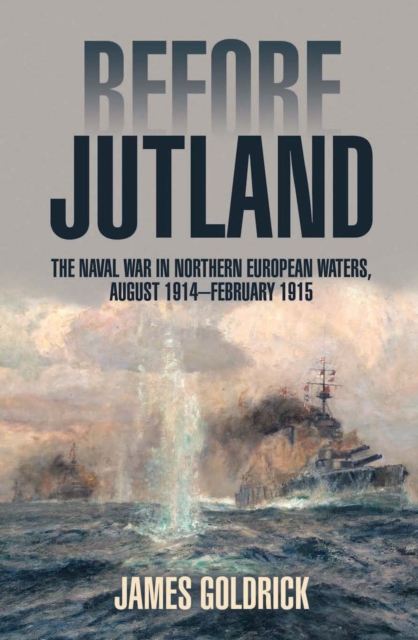
Before Jutland is a definitive study of the naval engagements in northern European waters in 1914-15 when the German High Sea Fleet faced the Grand Fleet in the North Sea and the Russian Fleet in the Baltic.
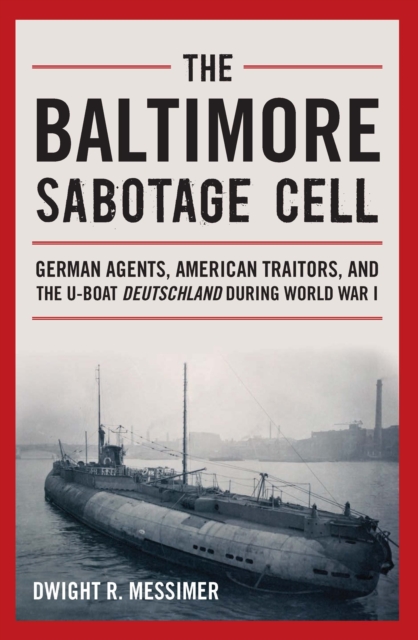
By the summer of 1915 Germany was faced with two major problems in fighting World War I: how to break the British blockade and how to stop or seriously disrupt the British supply line across the Atlantic.
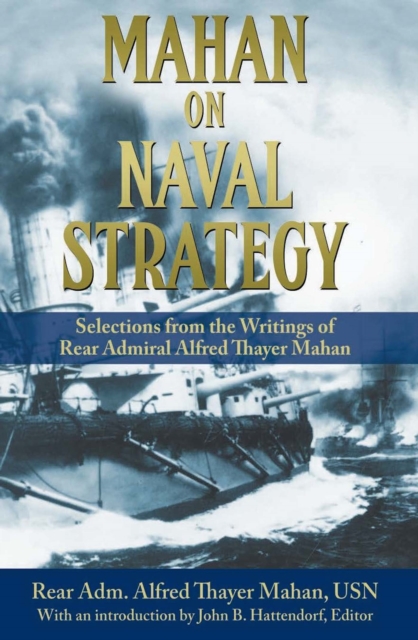
Mahan on Naval Strategy, available in paperback for the first time, provides a selection of key writings from one of the greatest naval theorists of all time.
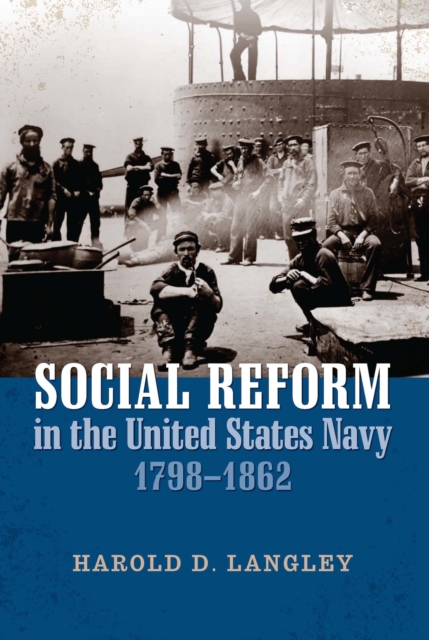
In the decades before the American Civil War various political, social, and religious groups agitated for reforms in American society that would be in keeping with its professed democratic and national principles.
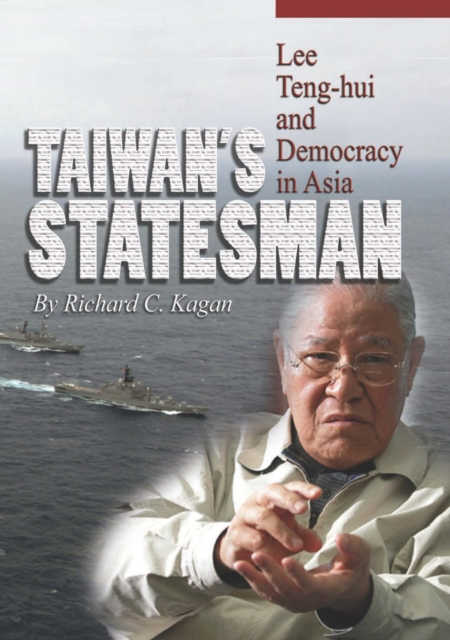
A well-known observer of Taiwan and Asian history and culture provides an insightful biography of Lee Teng Hui, the pro-democracy statesman and former president of the Republic of China.
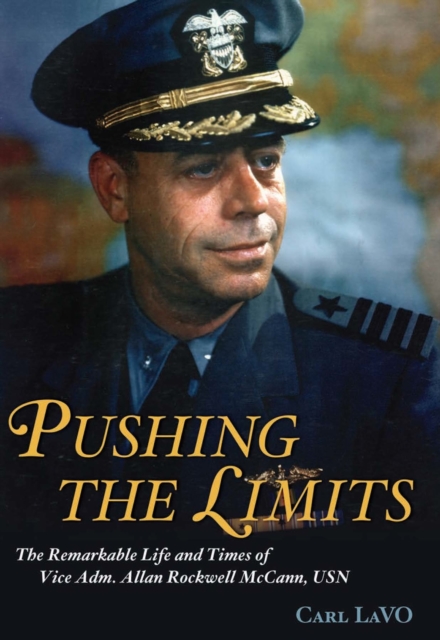
Vice Admiral Allan Rockwell McCann left no reminiscences that might reveal a deeper sense of his extraordinary service, but naval historian Carl LaVO has filled that void by writing this revealing-and often inspiring-biography.
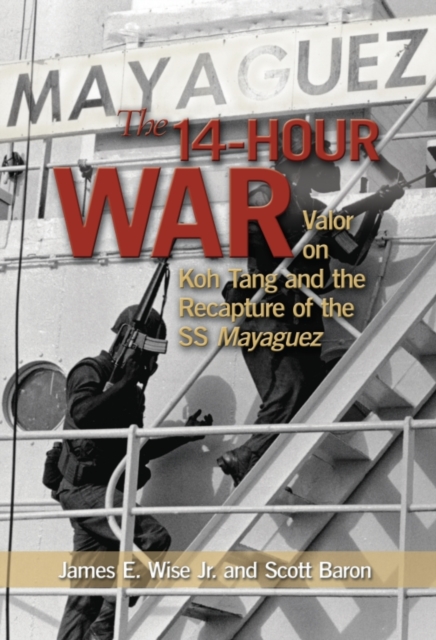
A hastily conceived joint operation to recover the American container ship, Mayaguez, and her crew that had been seized by the Khmer Rouge off the Cambodian coast in 1975 was plagued by inaccurate intelligence and a micro-managed command structure that extended to the Oval Office.
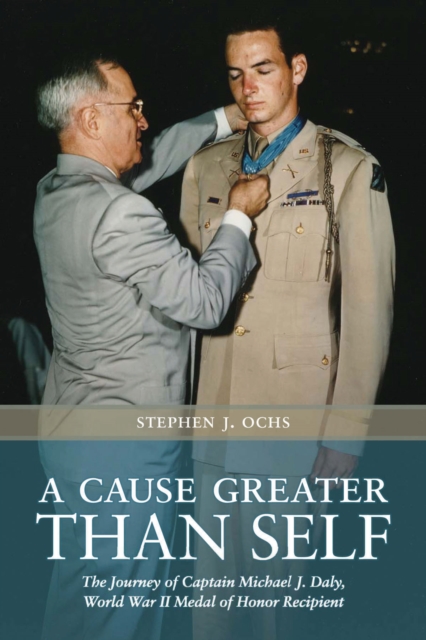
A privileged, hell-raising youth who had greatly embarrassed his familyand especially his war-hero fatherby being dismissed from West Point, Michael J.