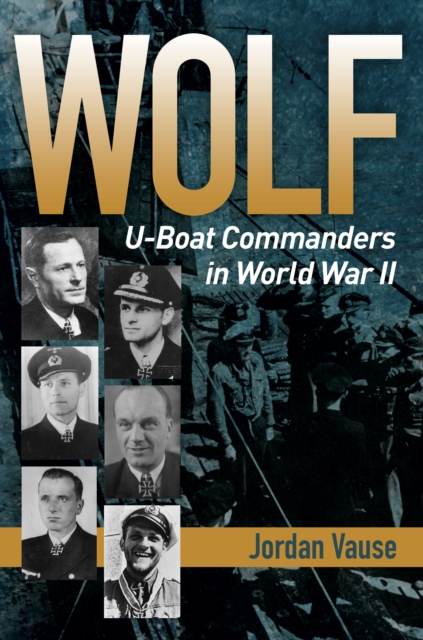
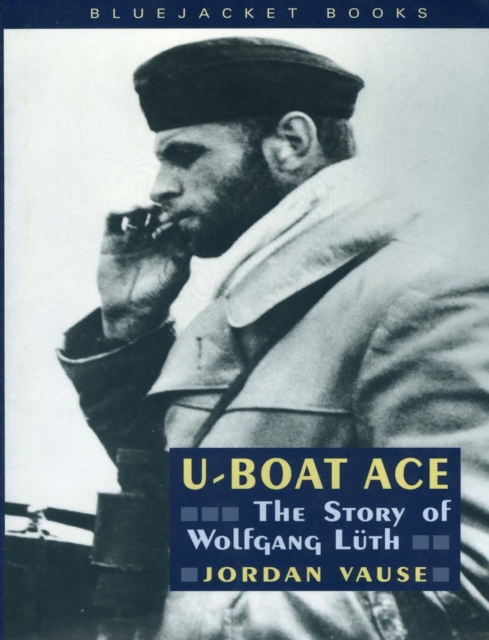
Cultivated by the Allied press during the war and fostered by movies and novels ever since, the image of a U-boat skipper held by most Americans is the personification of evil: the wolf who stalks innocents.
When his electronic warfare plane--call sign Bat 21--was shot down on 2 April 1972, fifty-three-year-old Air Force navigator Iceal "e;Gene"e; Hambleton parachuted into the middle of a North Vietnamese invasion force and set off the biggest and most controversial air rescue effort of the Vietnam War.
Naval officers and enlisted personnel undergo extensive training to cope with the special demands of their duties at sea and ashore, but what about their spouses and children?
As plans got under way for the Allied invasion of Sicily in June 1943, British counter-intelligence agent Ewen Montagu masterminded a scheme to mislead the Germans into thinking the next landing would occur in Greece.
Today only a select few know firsthand what it is like to feel their ship shudder from the blast of their own guns, watch enemy guns flash back, and see friendly ships erupt in flames.
First published in 1994, this stirring autobiography of a fighter and test pilot takes readers full throttle through Carl's imposing list of "e;firsts.
In the early days of World War II, a young Marine named Charles Fenn was recruited by the Office of Strategic Services (OSS) for undercover operations in the China-Burma-India theatre.
Admittedly small and vulnerable, PT boats were, nevertheless, fast-the fastest craft on the water during World War II-and Dick Keresey's account of these tough little fighters throws new light on their contributions to the war effort.
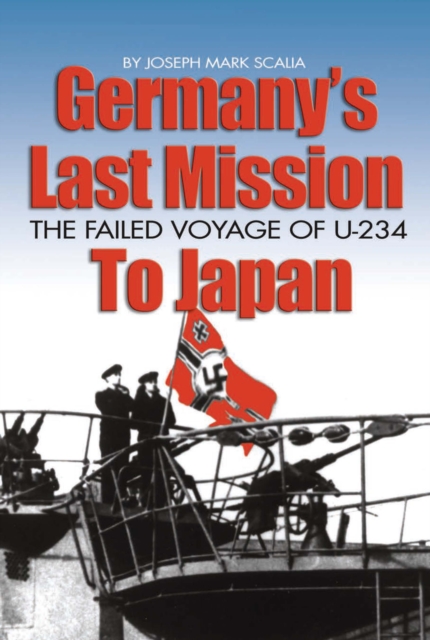
When U-234 slipped out of a Norwegian harbor in March 1945 destined for Japan, it was loaded with some of the most technically advanced weaponry and electronic detection devices of the era, along with a select group of officials.
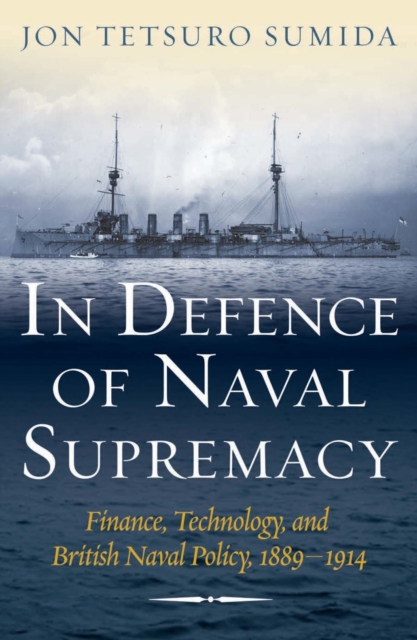
In his groundbreaking work, In Defence of Naval Supremacy, Sumida presents a provocative and authoritative revisionist history of the origins, nature and consequences of the "e;Dreadnought Revolution"e; of 1906.
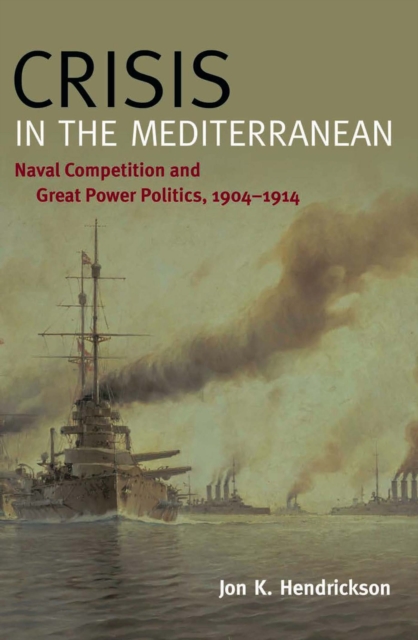
Prior to July 1914, the extensive British grip on the Mediterranean Sea was beginning to weaken, leading to a wide-open competition between Austria-Hungary, Italy, France and Great Britain.
This seaman's journal recounts a twenty-month voyage from Boston to the African coast to intercept slave-trading vessels as America approach the Civil War.
The popular conception of Hitler in the final years of World War II is that of a deranged Fuhrer stubbornly demanding the defense of every foot of ground on all fronts and ordering hopeless attacks with nonexistent divisions.
An exceptional figure in the history of the German Navy, Wolfgang Luth was one of only seven men in the Wehrmacht to win Germany's highest combat decoration, the Knight's Cross with Oak Leaves, Swords, and Diamonds.
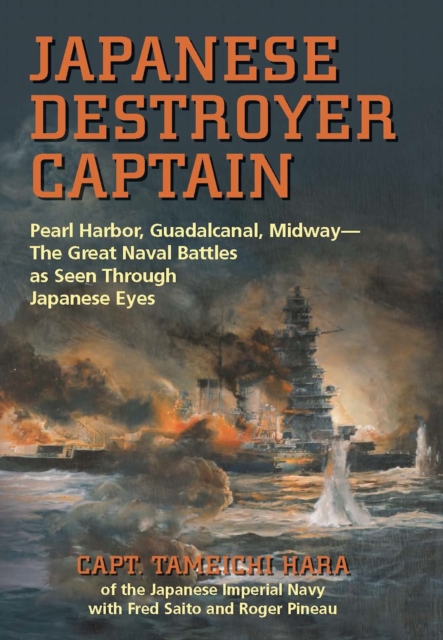
This highly regarded war memoir was a best seller in both Japan and the United States during the 1960s and has long been treasured by historians for its insights into the Japanese side of the surface war in the Pacific.
Originally published in 1972, Christopher McKee's biography of Edward Preble remains the most authoritative source on this influential early shaper of the U.
Hastily built at the onset of World War II to stop German U-boats from taking their toll on Allied shipping, the 110-foot wooden subchasers were the smallest commissioned warships in the U.
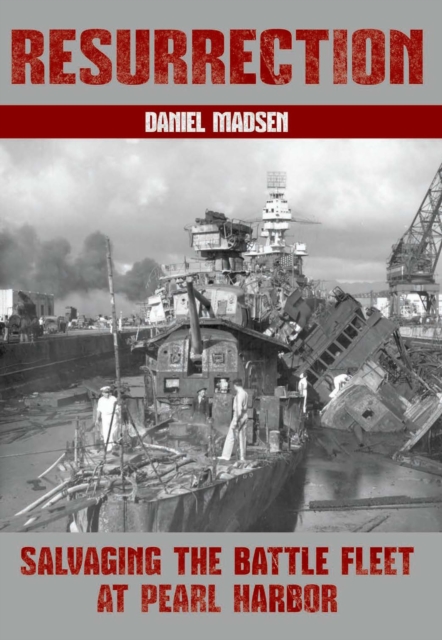
The attack on Pearl Harbor is a topic of perennial interest to the American public, and a long line of popular books and movies have focused on the attack or events leading up to it.
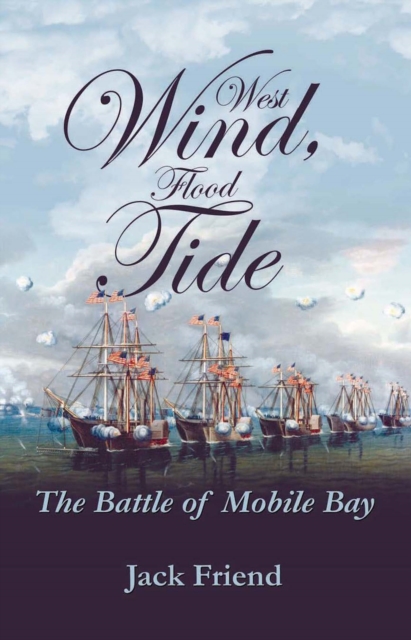
Immortalized by David Farragut's apothegm, "e;Damn the torpedoes, full speed ahead,"e; the Battle of Mobile Bay remains one of history's great naval engagements, a contest between two admirals trained in the same naval tradition who once fought under the same flag.
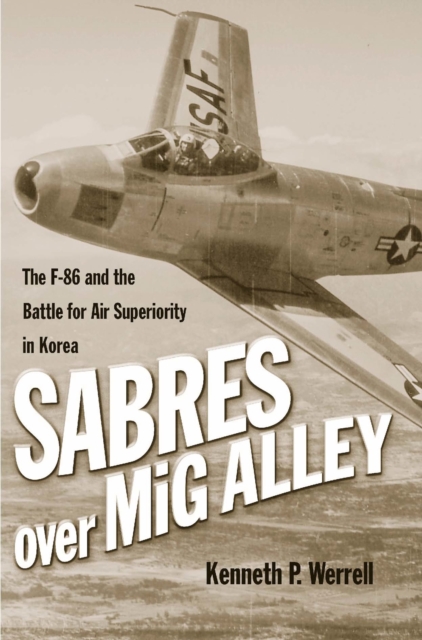
This is the story of the first jet versus jet war, the largest in number of victories and losses, and one of the few military bright spots in the Korean War.
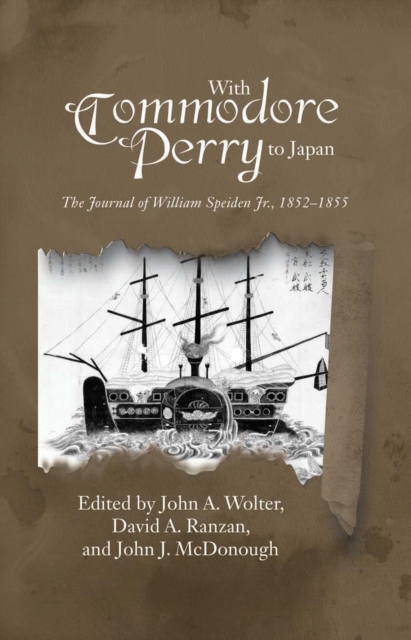
With Commodore Perry to Japan offers a personable account of Commodore Perrys expedition to Japan through the eyes of a sixteen-year-old pursers clerk of the Mississippi.
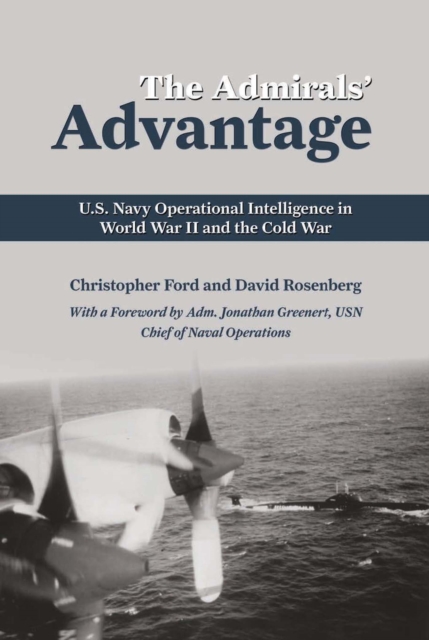
This analytic and historical study provides a revealing look at naval operational intelligence by embracing the fundamental question of what OPINTEL is and how it answers the fundamental question "e;Where is the enemy, in what strength, and disposition, and what is he doing right now?
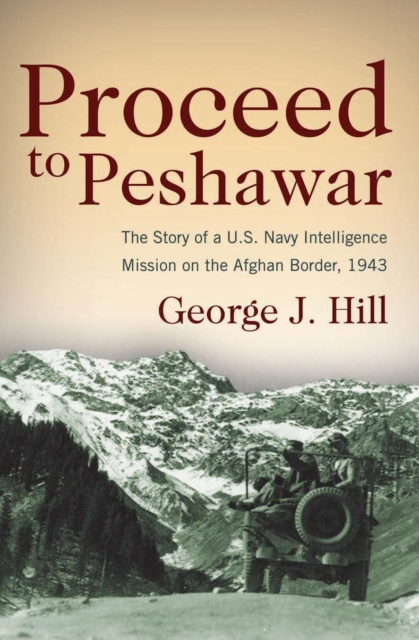
This is a story of adventure in the Hindu Kush Mountains, and of a previously untold Military and Naval Intelligence Mission along about 800 miles of the Durand Line in World War II.