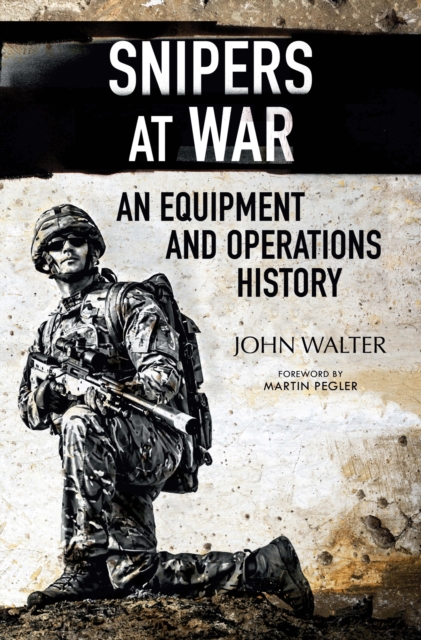
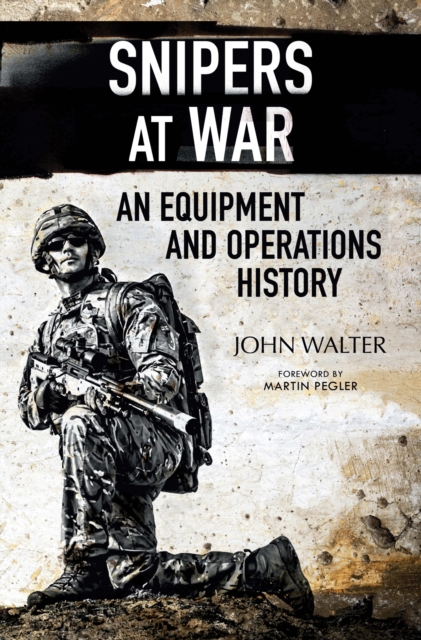
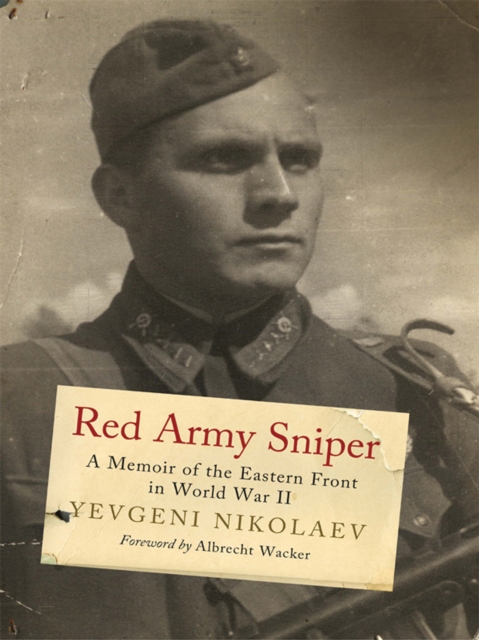
Snipers at War is a detailed history and analysis of the equipment, tactics and personalities of the ‘sniping world’, from the pursuit of accuracy to the latest electronic aids to observation and ranging.
Snipers at War is a detailed history and analysis of the equipment, tactics and personalities of the ‘sniping world’, from the pursuit of accuracy to the latest electronic aids to observation and ranging.
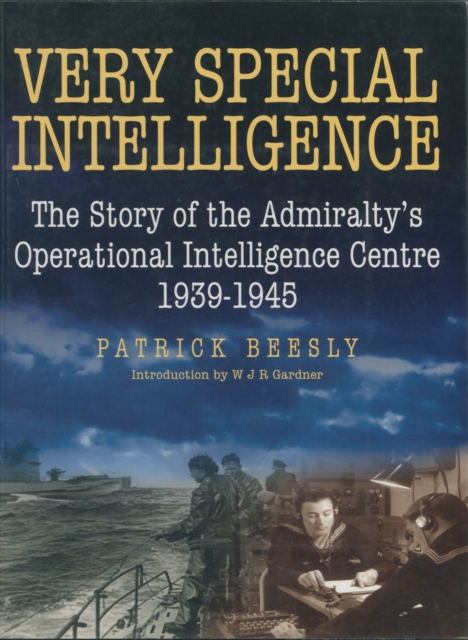
Operational Intelligence Centre was the nerve centre of the British Admiralty in World War II, dedicated to collecting, analyzing and disseminating information from every possible source which could throw light on the intentions and movements of German naval and maritime forces.
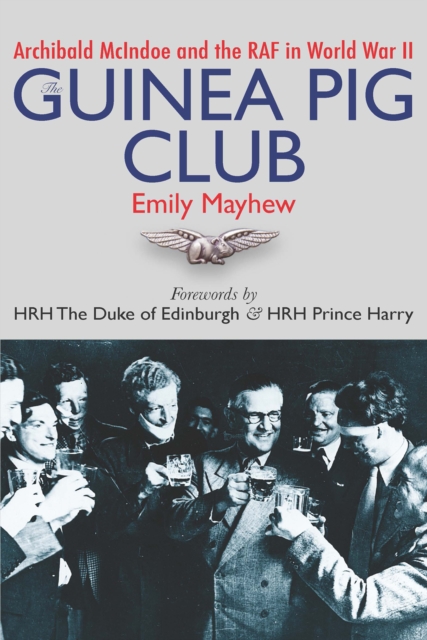
'This book speaks to two of the most diametrically opposed yet mutually supportive aspects of war: the ability to inflict horrific injury and the ability to heal Mayhew is to be commended on an outstanding addition to expanding our knowledge of an area rarely discussed by historians.
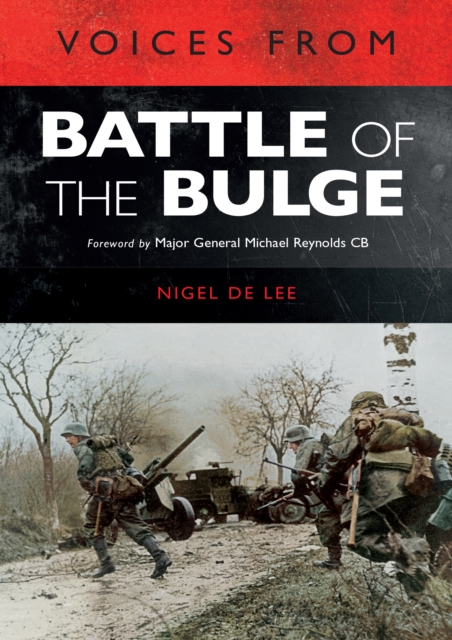
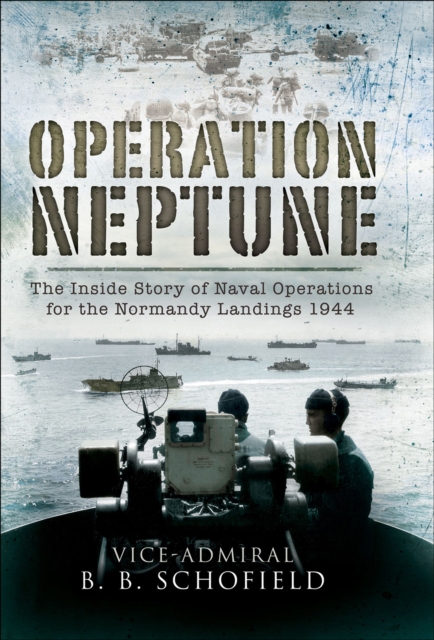
After the Allies broke out from Normandy in July 1944, they drove quickly through the rest of France and were threatening the German border by the autumn.
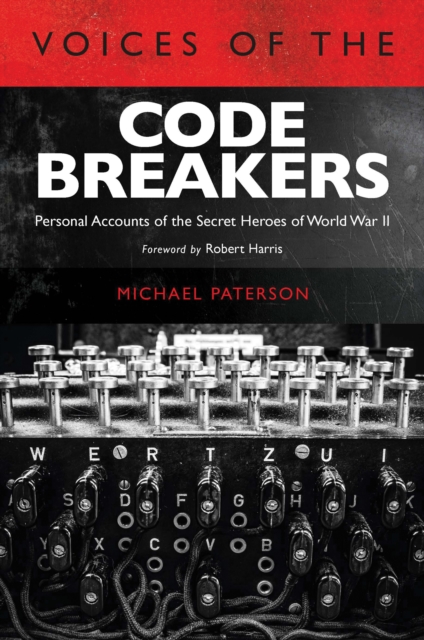
Alongside the open conflict of World War II there were other, hidden wars - the wars of communication, in which success depended on a flow of concealed and closely guarded information.
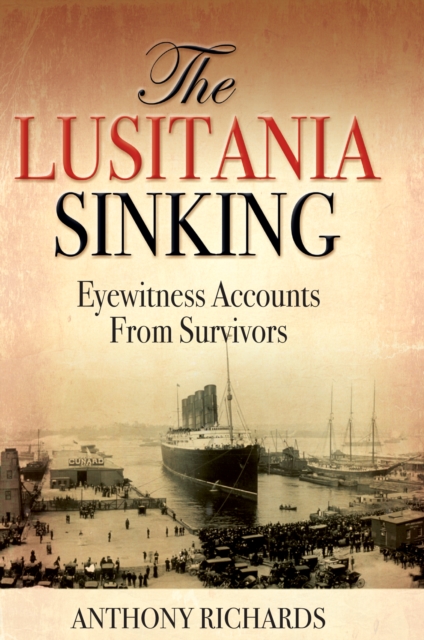
‘A fascinating, excellently-written reassessment of the sinking of the iconic liner Lusitania using the letters, diaries and memoirs of those who were extremely fortunate to survive.
‘A fascinating, excellently-written reassessment of the sinking of the iconic liner Lusitania using the letters, diaries and memoirs of those who were extremely fortunate to survive.
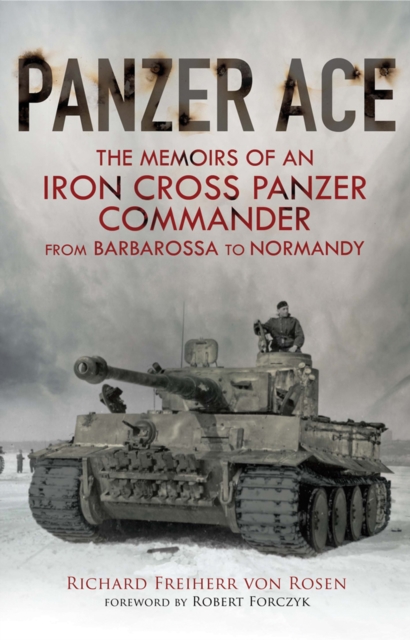
A richly illustrated memoir by highly decorated Wehrmacht soldier-"e;recommended to anyone with an interest in the Panzerwaffe in the Second World War"e; (Recollections of WWII).
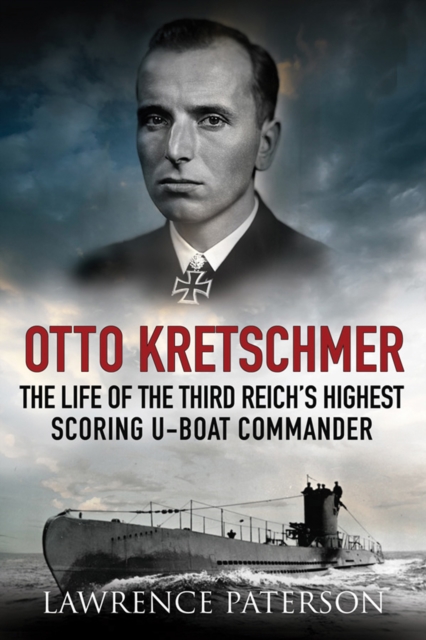
Otto Kretschmer was only in combat from September 1939 until March 1941 but was Germany's highest-scoring U-boat commander sinking 47 ships totaling 274,333 tons.
Otto Kretschmer was only in combat from September 1939 until March 1941 but was Germany's highest-scoring U-boat commander sinking 47 ships totaling 274,333 tons.
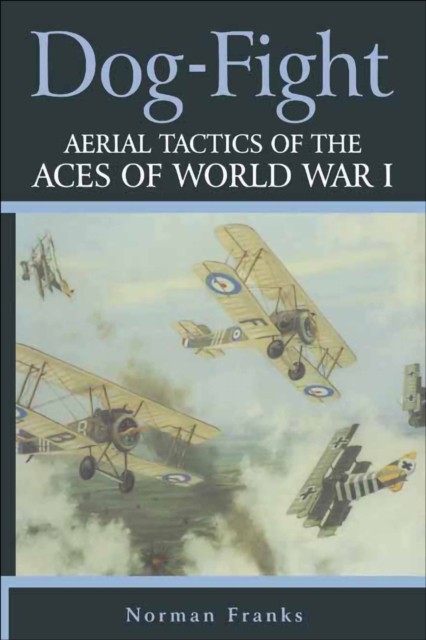
The history of WWI aviation is a rich and varied story marked by the evolution of aircraft from slow moving, fragile, and unreliable powered kites, into quick, agile, sturdy fighter craft.
The history of WWI aviation is a rich and varied story marked by the evolution of aircraft from slow moving, fragile, and unreliable powered kites, into quick, agile, sturdy fighter craft.
In the seventh, and second last, volume in t his historical work, Lord Anglesey shows how superior the Br itish cavalry was compared to those of the French and German s.
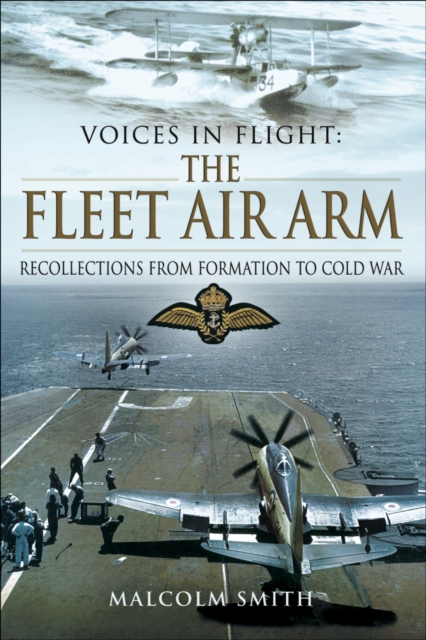
The author Malcolm Smith has been the Editor of Jabberwock, the bi-annual journal of the Fleet Air Arm Museum, for two years and has inherited the complete archive of editions dating back to the formation of SOFFAAM in 1979.
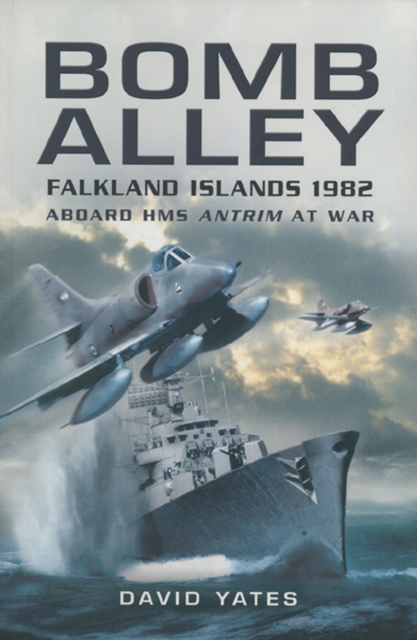
This is the untold story of the Falklands War as experienced by a below-decks seaman on one of the most important ships to be despatched to the South Atlantic.
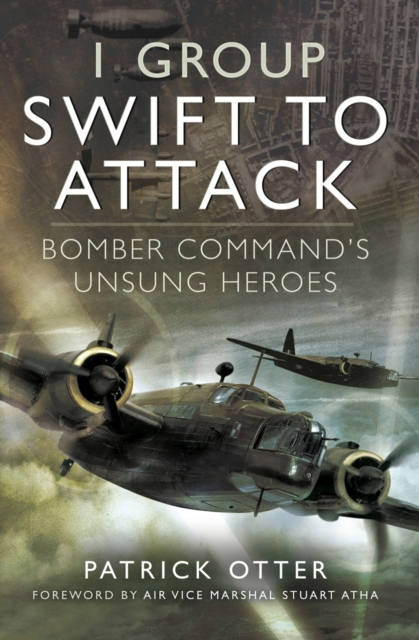
Following the recent unveiling of the monument to Bomber Command in London's Green Park, the publication of this lovingly crafted account of the exploits of oft-overlooked 1 Group is set to be a timely one.
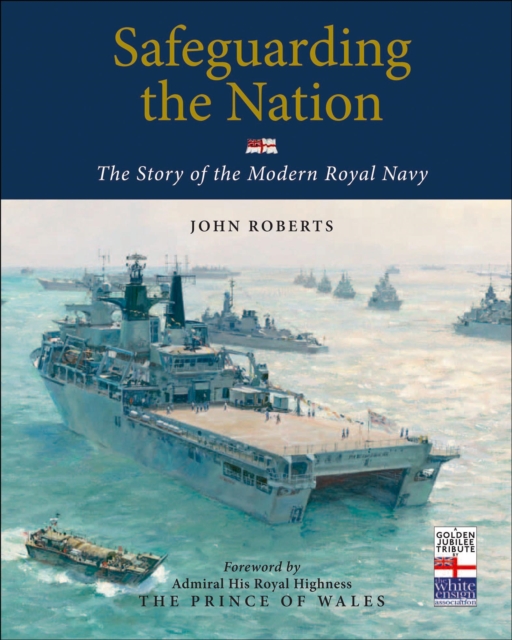
This new history of the Royal Navy, published to coincide with the Golden Jubilee of the White Ensign Association, is a full and exciting account of all the many campaigns, operations and deployments conducted around the world from the Cold War and the Cod Wars to the Falklands War and the Gulf Wars.
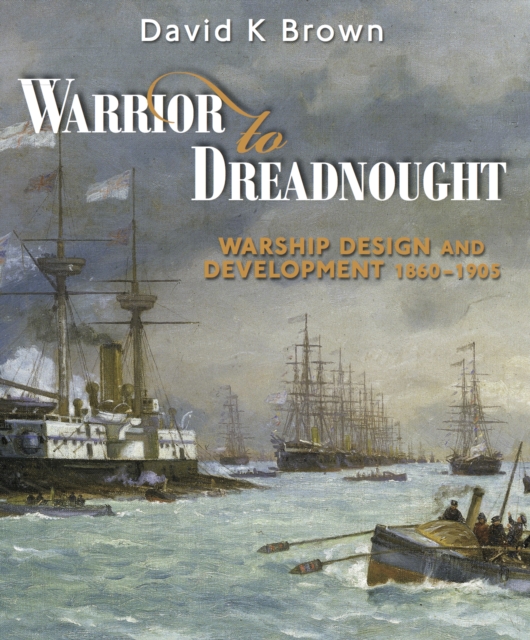
In the 50 years that separated Warrior from Dreadnought there occurred a revolution in warship design quite unparalleled in naval history; a period that began with the fully-rigged broadside ironclads and ended with the emergence of the great battleships and battlecruisers that were to fight in the First World War.
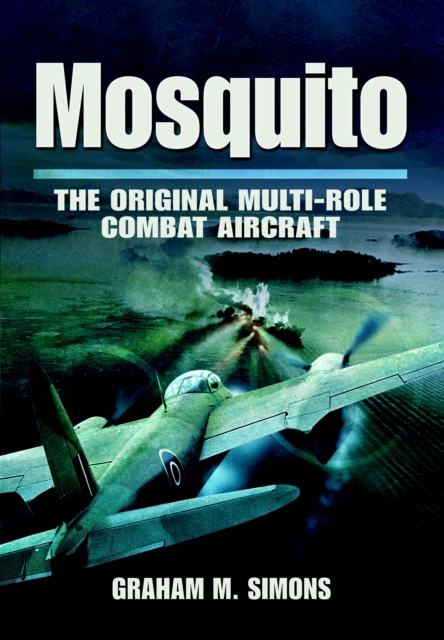
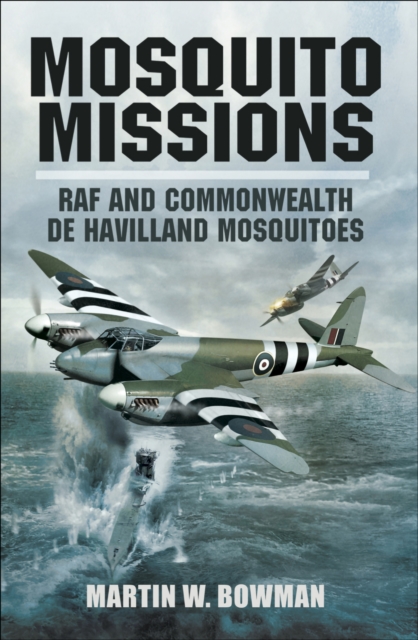
The Wooden Wonder was probably the most versatile combat aircraft that operated on all fronts in World War Two and was still giving valuable service in first-line service after 1945 when it enjoyed a limited renaissance both at home, in Germany and abroad until the advent of jet aircraft.