Through a series of five walks this book discovers the sights, sounds and experience of the capital at war; it details the remaining tangible evidence of the dark days via air raid shelter signs, bomb damage on buildings and memorials detailing heroic and often tragic events.
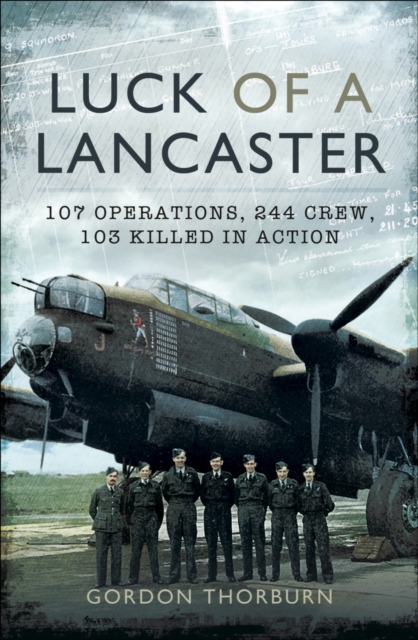
The posthumous memoirs of a World War II Pathfinder pilot and Distinguished Flying Cross recipient who flew target-marking missions in enemy territory.
In October 2005 an international naval conference was held at Portsmouth and well-known historians and naval officers from around the world, including Colin White, Brian Lavery, Contre Amiral Remi Monaque and Admiral Sir Jonathan Band, now First Sea Lord, gave a series of papers on aspects of the battle of Trafalgar.
This is the autobiography of an American who ran away to sea at the age of 11 and charts his rise from the lowliest seaman (berthed under the forecastle) to the command of his own ship and the occupation of the luxurious after cabin.
This is the narrative of a harpooner in the whale-ship Charles W Morgan, whose four-year voyage in 1849-1853 took him from New Bedford, Massachusetts, to the South Pacific and on around the world.
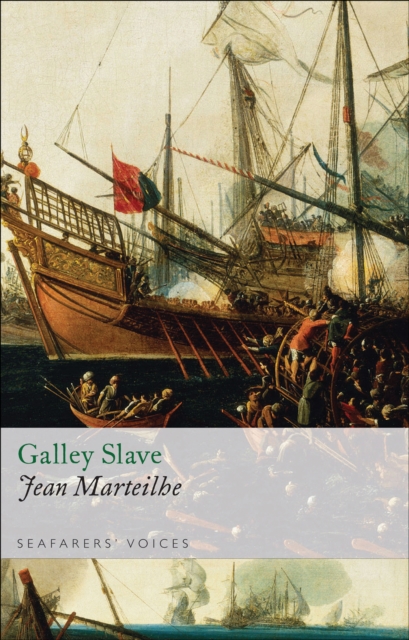
This remarkable memoir tells of the miseries of Jean Marteilhe of Bergerac, a Protestant condemned to the Galleys of France for his Religion, who, after the revocation of the Edict of Nantes in 1685, attempted, like so many French Huguenots, to escape to the more sympathetic Protestant countries bordering France.
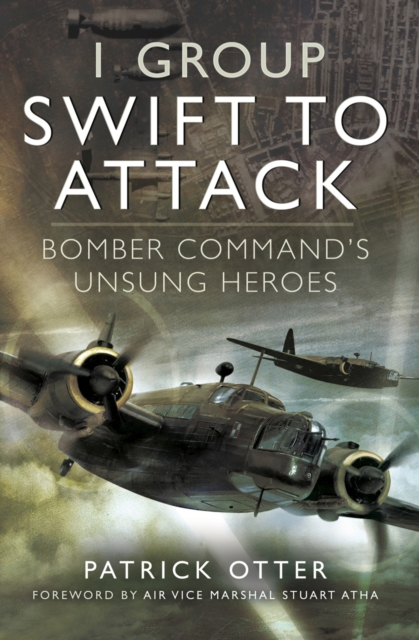
Following the recent unveiling of the monument to Bomber Command in London's Green Park, the publication of this lovingly crafted account of the exploits of oft-overlooked 1 Group is set to be a timely one.
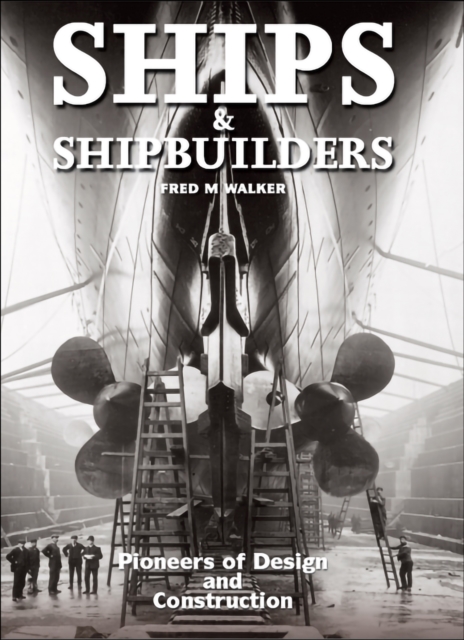
In the past three centuries the ship has developed from the relatively unsophisticated sail-driven vessel which would have been familiar to the sailors of the Tudor navy, to the huge motor-driven container ships, nuclear submarines and vast cruise liners that ply our seas today.
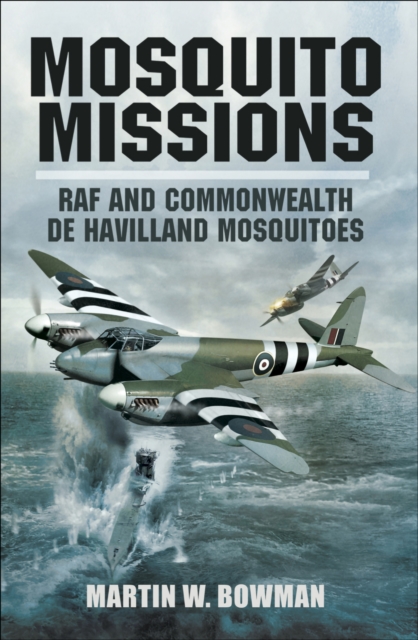
The Wooden Wonder was probably the most versatile combat aircraft that operated on all fronts in World War Two and was still giving valuable service in first-line service after 1945 when it enjoyed a limited renaissance both at home, in Germany and abroad until the advent of jet aircraft.
A new assessment of the life of one of the most famous and controversial airmen of the Second World War, this book covers Guy Gibson's sometimes troubled upbringing and the impact on him of his time at St Edward's School, Oxford.
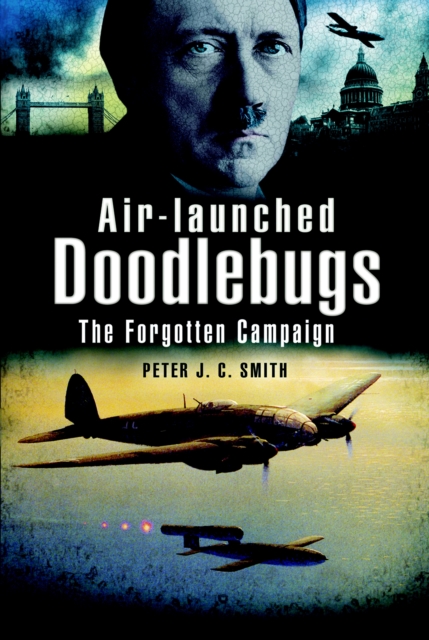
The V 1, or Doodlebug or Flying-bomb came into use in June 1944 and, together with the V 2 Rocket, was Hitlers final hope in face of the advancing Allied forces sweeping across Europe towards Germany.
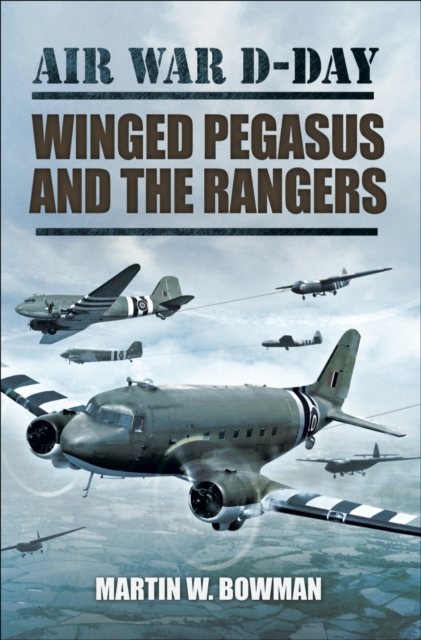
This is the second volume of a comprehensive five part work on D-Day that includes a multitude of personal military accounts from both Allied and German Aviation personnel who were there.
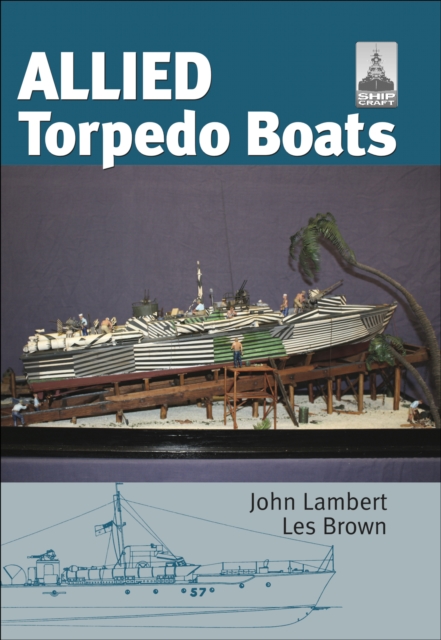
"e;An inspirational/enjoyable book with excellent representations of a wide variety of [Motor Torpedo Boats] by various modelers in a variety of scales.
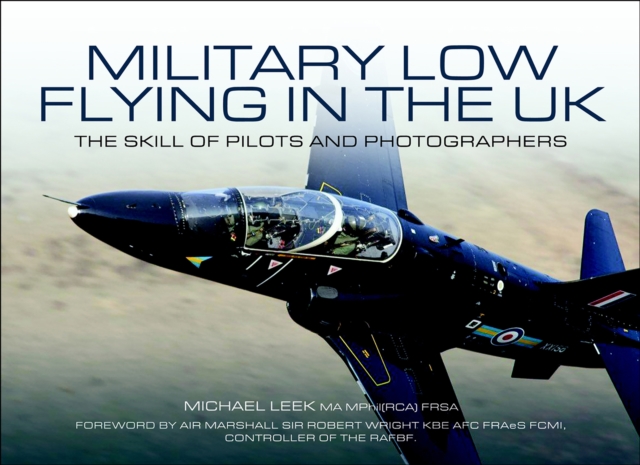
For many years the worlds finest aerobatic team, the RAFs Red Arrows, have thrilled millions with their demonstrations of this fine aircraft's agility and maneuverability.
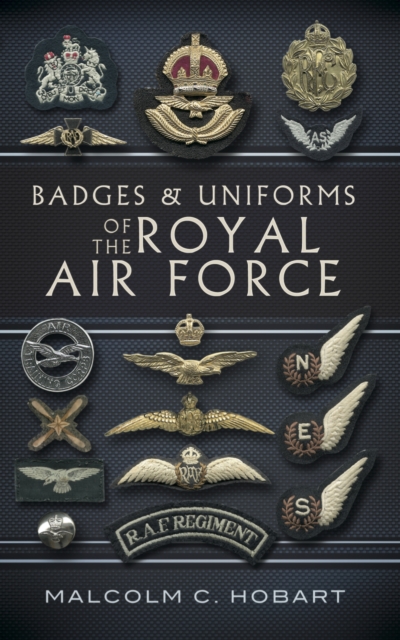
Throughout the relatively short yet highly distinguished history of the Royal Air Force there has been a tendency for the men and women of the Service to be overshadowed by the glamour of the aircraft.