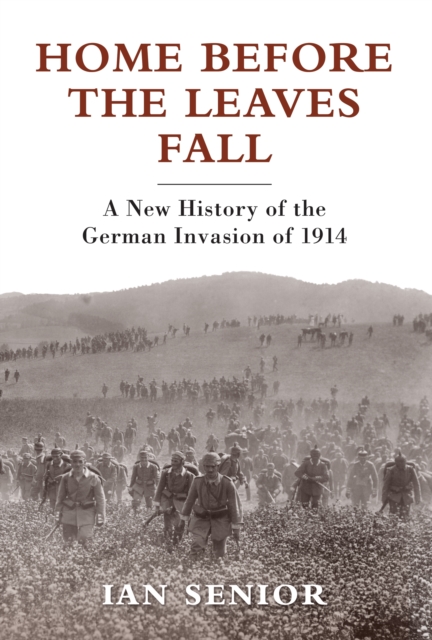
The result of years of research in British, French and German archives, this is a new critical history of how close Germany came to winning the First World War in 1914.
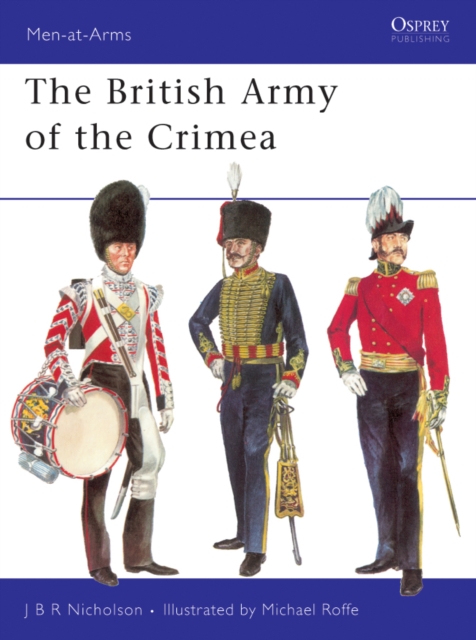
The British Army's involvement in the Crimean War of 1854-56 is often remembered only for the ill-advised 'charge of the Light Brigade' during the battle of Sevastopol as memorialized in Tennyson's poem.
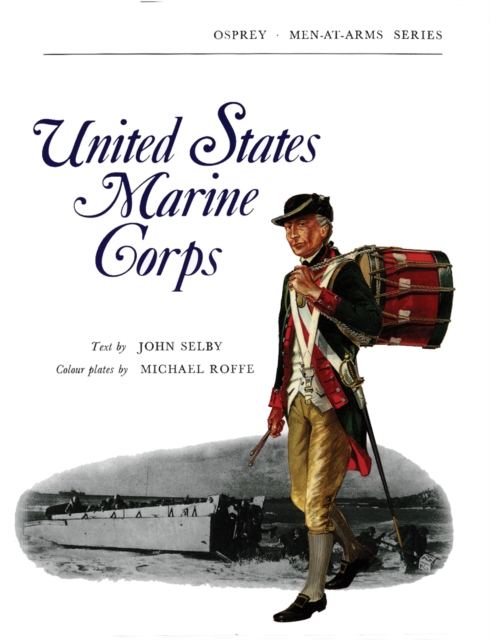
This book examines the uniforms, equipment, history and organisation of the United States Marine Corps, from 1775, through their service in World Wars 1 and 2, through to Korea and Vietnam.
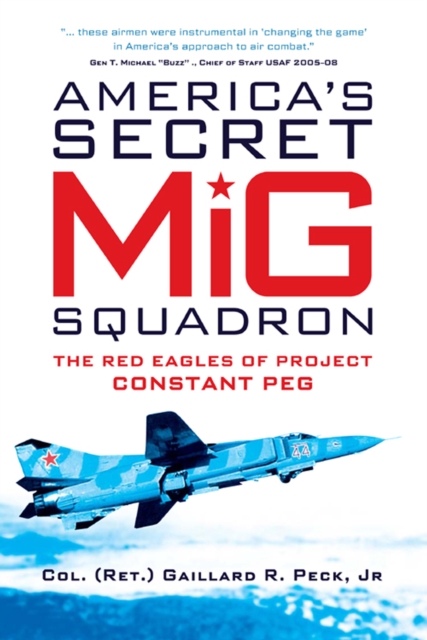
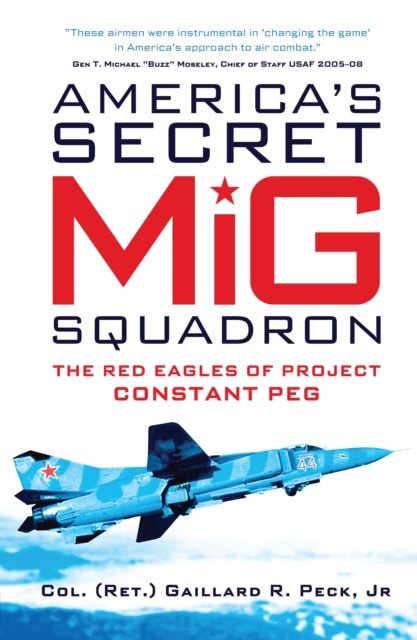
The personal account of the original Red Eagle of the establishment, equipment, and training practices of the highly classified MiG squadron of the USAF.
The personal account of the original Red Eagle of the establishment, equipment, and training practices of the highly classified MiG squadron of the USAF.
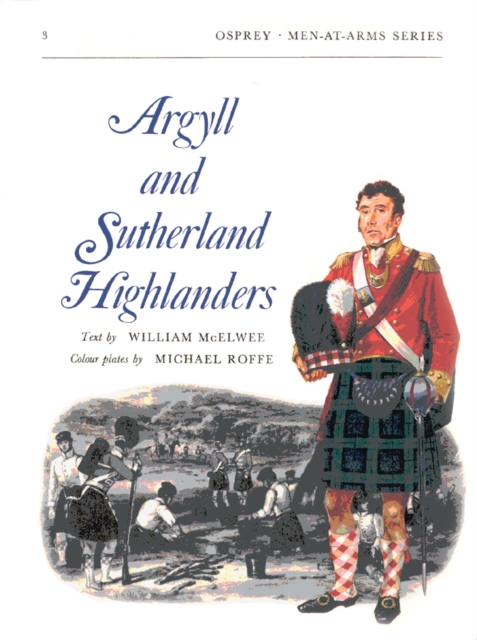
On 1 July 1881 Viscount Cardwell's wholesale reorganisation of the British Army brought into existence Priness Louise's Argyll and Sutherland Highlanders.
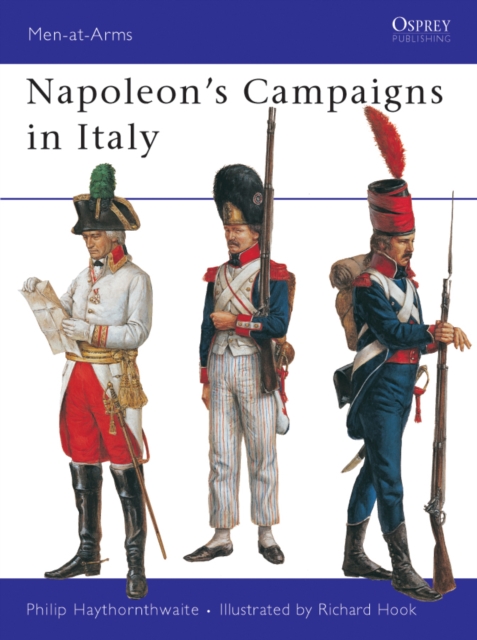
In January 1794 the French 'Army of Italy' was commanded by General Dumerbion and he acknowledged a great debt to his 25-year-old commander of artillery Napoleon Bonaparte.
Frederick the Great was not renowned as a great artillery enthusiast, however he did recognise the importance of artillery and greatly expanded the arm.
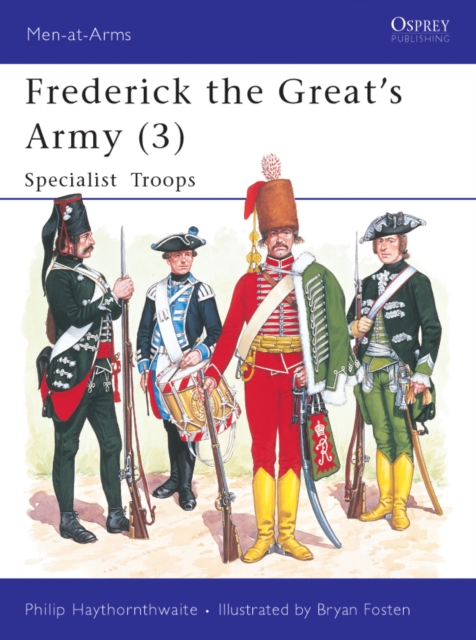
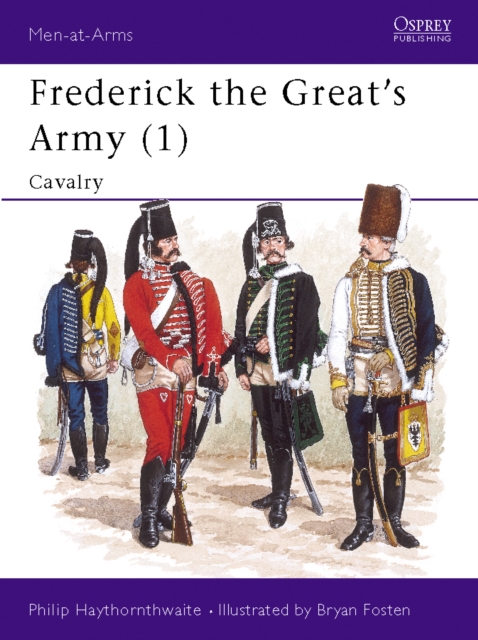
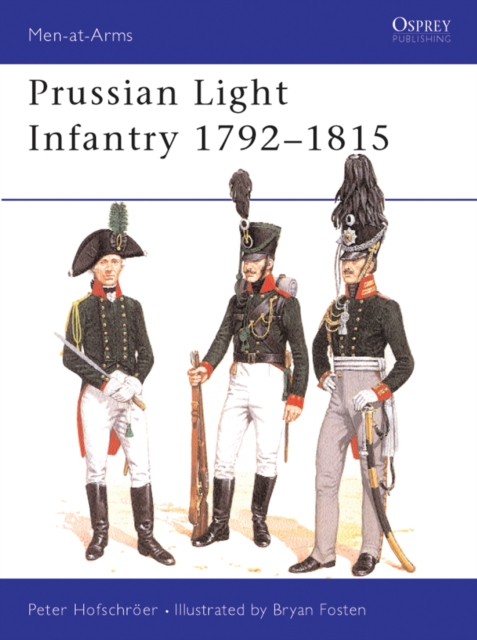
The Prussian army of King Frederick II, 'the Great', became so renowned as a result of its campaigns, principally during the Seven Years' War, that it was regarded as a model for many of the other armies of Europe.
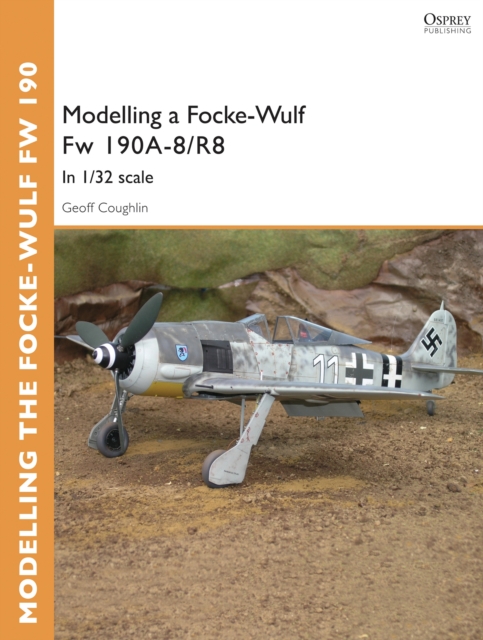
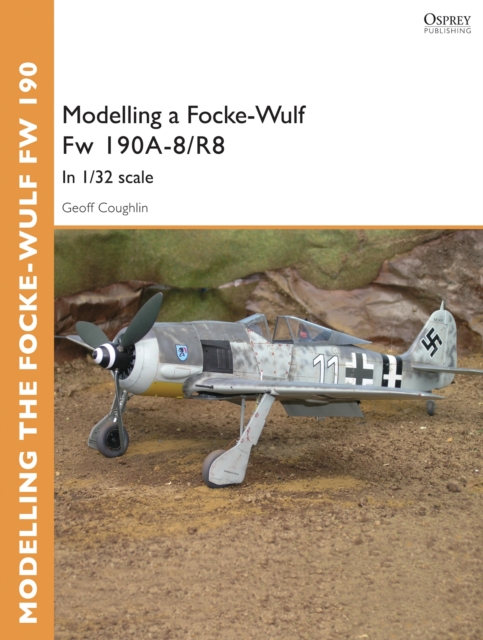
Part of Osprey Modelling 27: Modelling the Focke-Wulf Fw 190 A, F and G, a detailed, step-by-step guide to modelling the Focke-Wulf Fw 190A-8/R8 in 1/32 scale.
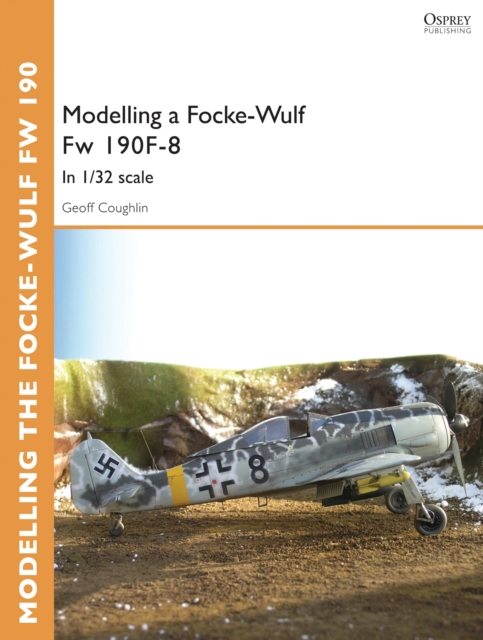
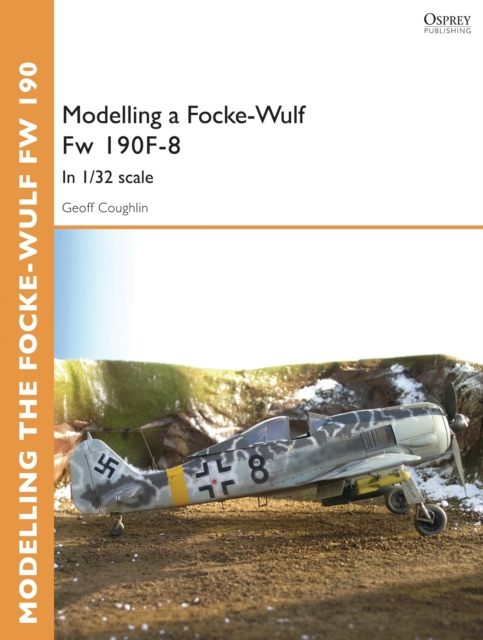
Part of Osprey Modelling 27: Modelling the Focke-Wulf Fw 190 A, F and G, a detailed, step-by-step guide to modelling the Focke-Wulf Fw 190F-8 in 1/32 scale.
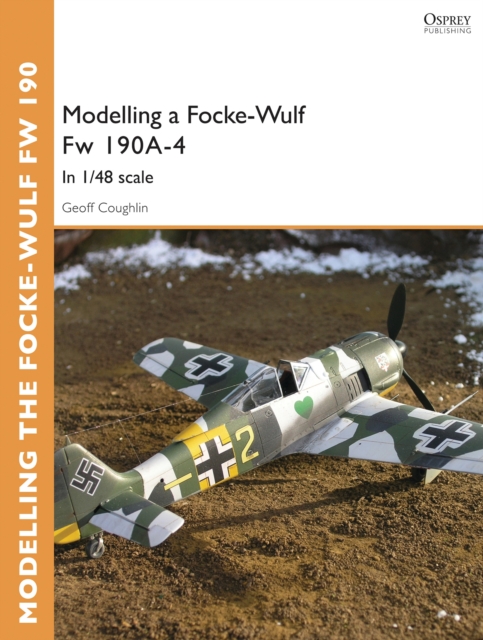
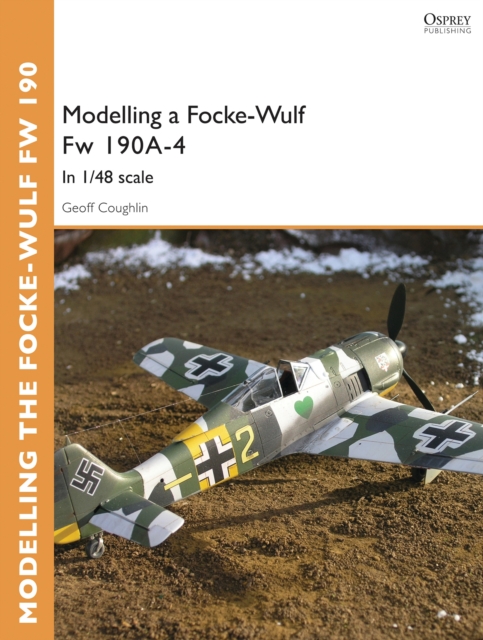
Part of Osprey Modelling 27: Modelling the Focke-Wulf Fw 190 A, F and G, this is a detailed, step-by-step e-guide to modelling the Focke-Wulf Fw 190A-4 in 1/48 scale.
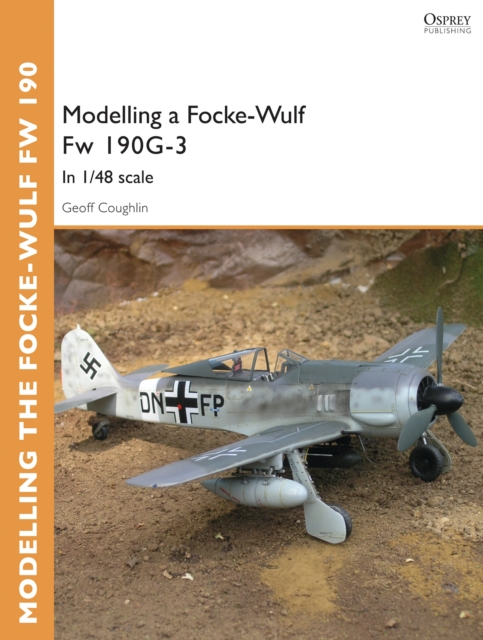
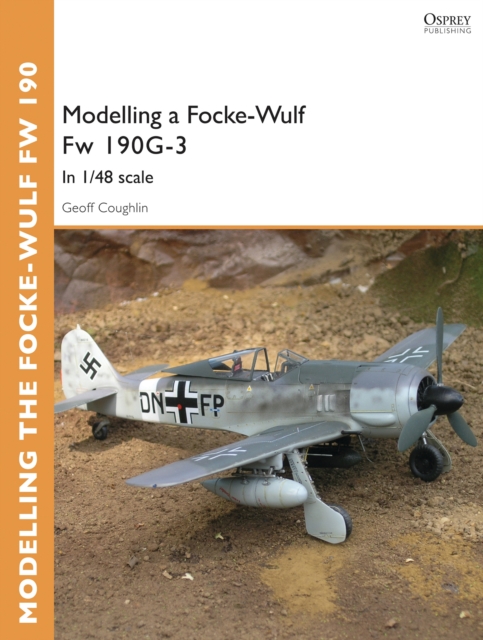
Part of Osprey Modelling 27: Modelling the Focke-Wulf Fw 190 A, F and G, a detailed, step-by-step guide to modelling the Focke-Wulf Fw 190G-3 in 1/48 scale.
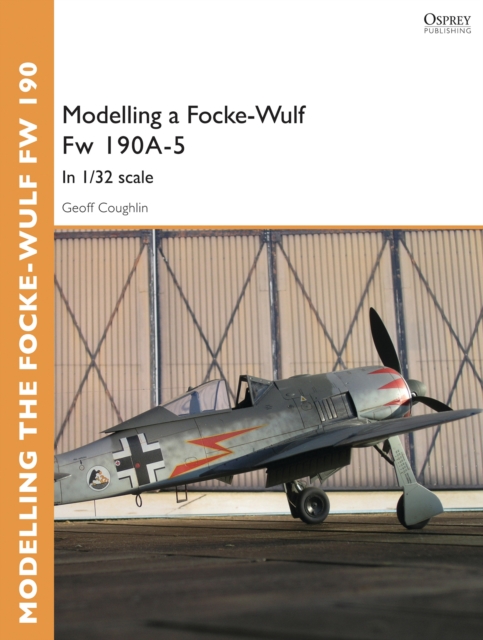
Part of Osprey Modelling 27: Modelling the Focke-Wulf Fw 190 A, F and G, a detailed, step-by-step e-guide to modelling the Focke-Wulf Fw 190A-5 in 1/32 scale.
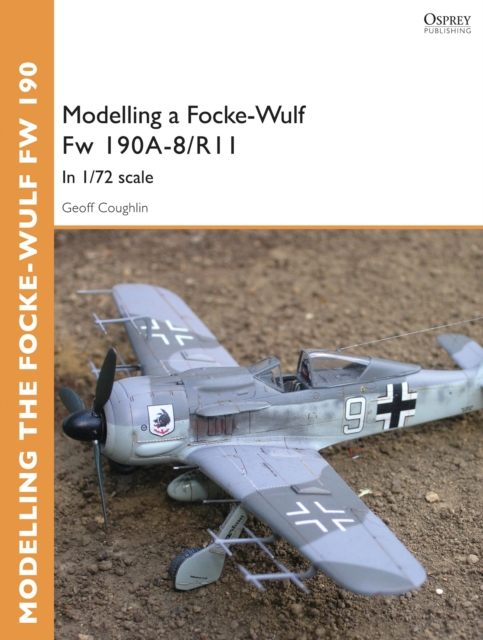
Part of Osprey Modelling 27 Modelling the Focke-Wulf Fw 190 A, F and G, a detailed, step-by-step guide to modelling the Focke-Wulf Fw 190A-8/RII in 1/72 scale.
Part of Osprey Modelling 27: Modelling the Focke-Wulf Fw 190 A, F and G, a detailed, step-by-step guide to modelling the Focke-Wulf Fw 190A-8/R8 in 1/32 scale.
Part of Osprey Modelling 27: Modelling the Focke-Wulf Fw 190 A, F and G, a detailed, step-by-step guide to modelling the Focke-Wulf Fw 190F-8 in 1/32 scale.
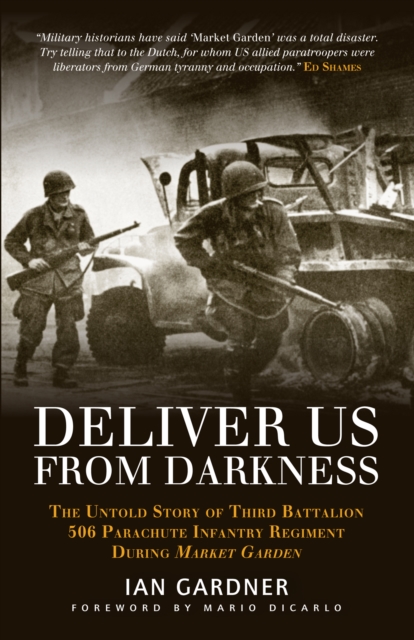
This follow-up to Tonight We Die As Men continues the story of the 506 Parachute Infantry Regiment of the 101st Airborne Division as they dropped into Holland as part of Operation Market Garden.
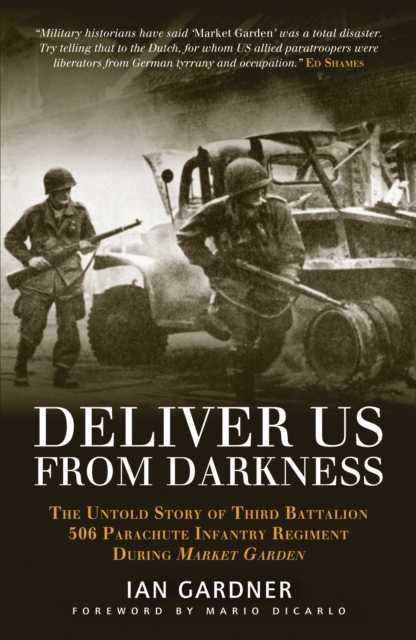
This follow-up to Tonight We Die As Men continues the story of the 506 Parachute Infantry Regiment of the 101st Airborne Division as they dropped into Holland as part of Operation Market Garden.
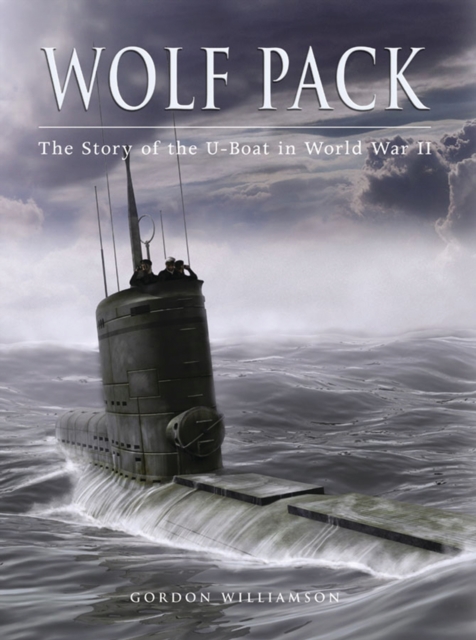
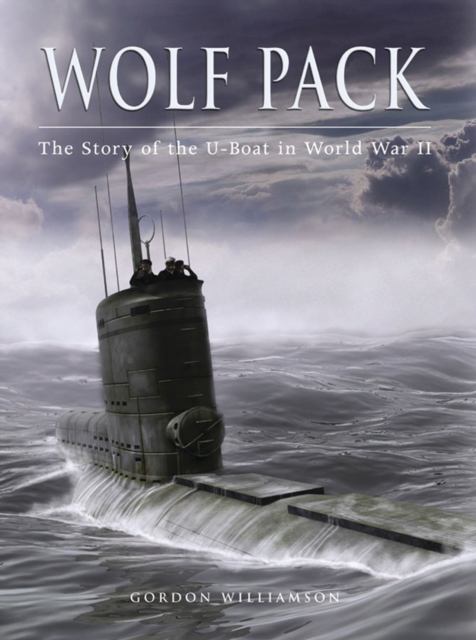
In this comprehensive book, the wartime development of the U-Boat is traced along with the experiences of typical U-Boat crewmen, from recruitment to combat.
In this comprehensive book, the wartime development of the U-Boat is traced along with the experiences of typical U-Boat crewmen, from recruitment to combat.
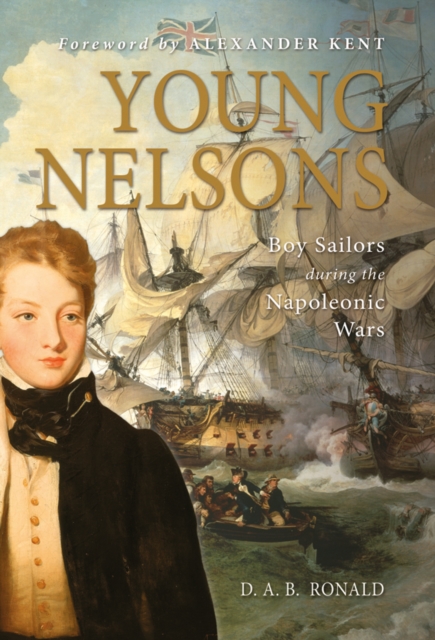
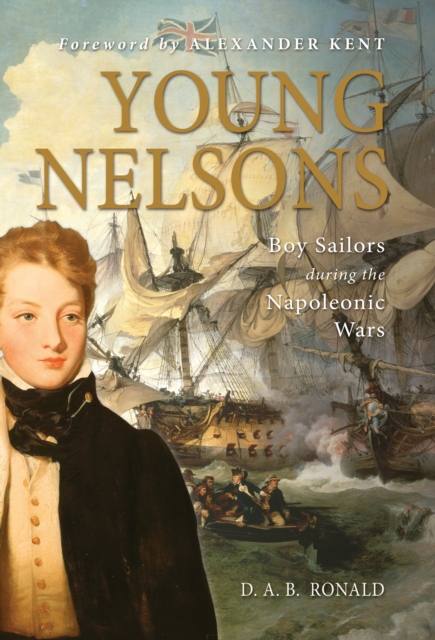
This book takes us into the fascinating and sometimes tragic world of the boy sailors of the Royal Navy during the Napoleonic Wars, fighting and dying for their country across the oceans of the world.
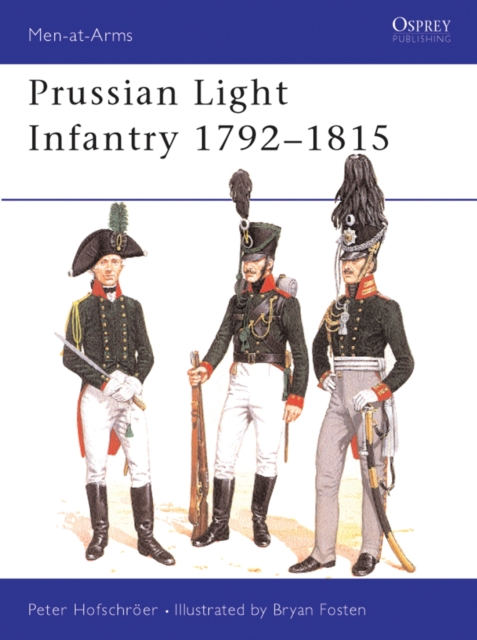
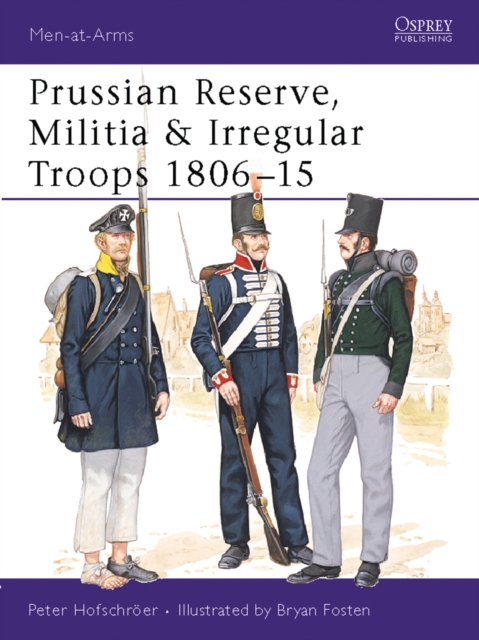
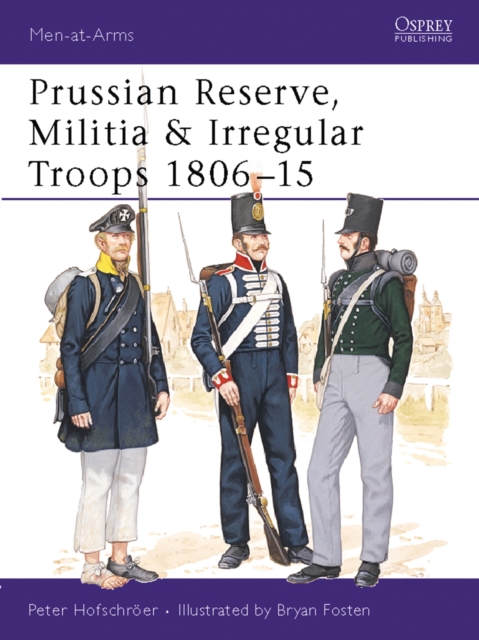
Irregular, semi-regular and reserve formations comprised a substantial part of the armed forces at the disposal of the Prussian Army throughout the Napoleonic Wars, particularly during the campaigns of the Wars of Liberation, 1813-15.
Irregular, semi-regular and reserve formations comprised a substantial part of the armed forces at the disposal of the Prussian Army throughout the Napoleonic Wars, particularly during the campaigns of the Wars of Liberation, 1813-15.
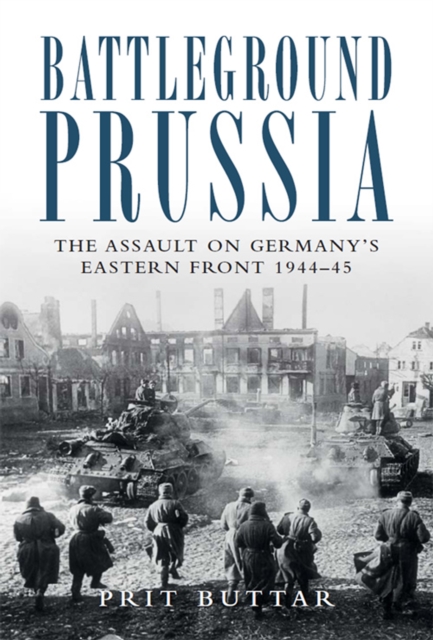
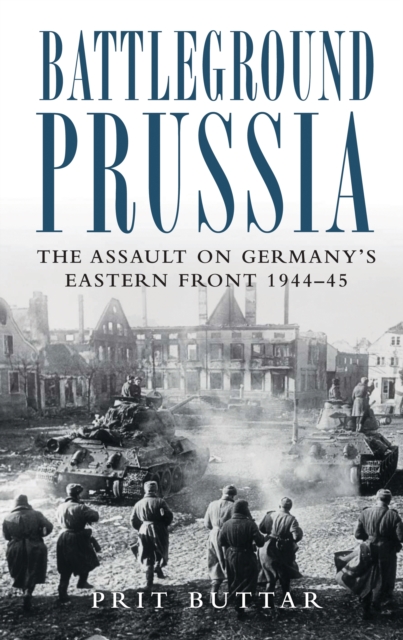
An engrossing history of the last year of the Second World War, charting the battles fought between the Soviet Red Army and the Nazis across German soil.
An engrossing history of the last year of the Second World War, charting the battles fought between the Soviet Red Army and the Nazis across German soil.
This book takes us into the fascinating and sometimes tragic world of the boy sailors of the Royal Navy during the Napoleonic Wars, fighting and dying for their country across the oceans of the world.
Part of Osprey Modelling 27: Modelling the Focke-Wulf Fw 190 A, F and G, this is a detailed, step-by-step e-guide to modelling the Focke-Wulf Fw 190A-4 in 1/48 scale.
Part of Osprey Modelling 27: Modelling the Focke-Wulf Fw 190 A, F and G, a detailed, step-by-step guide to modelling the Focke-Wulf Fw 190G-3 in 1/48 scale.