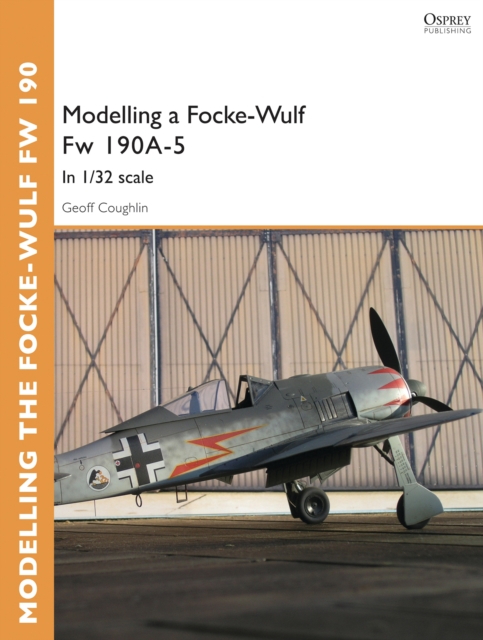
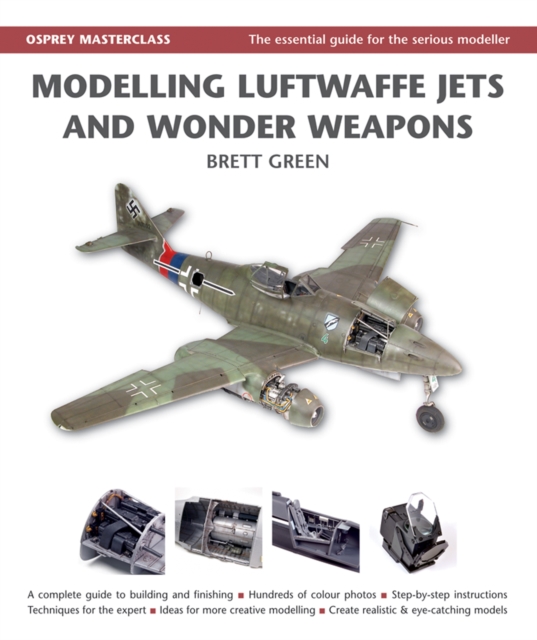
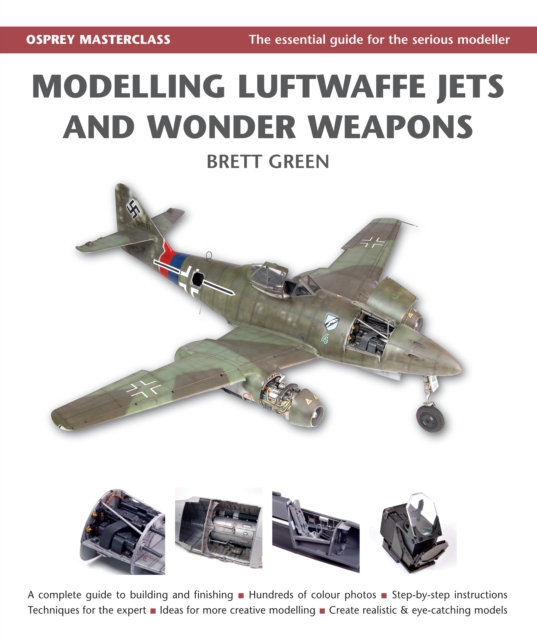
Part of Osprey Modelling 27: Modelling the Focke-Wulf Fw 190 A, F and G, a detailed, step-by-step e-guide to modelling the Focke-Wulf Fw 190A-5 in 1/32 scale.
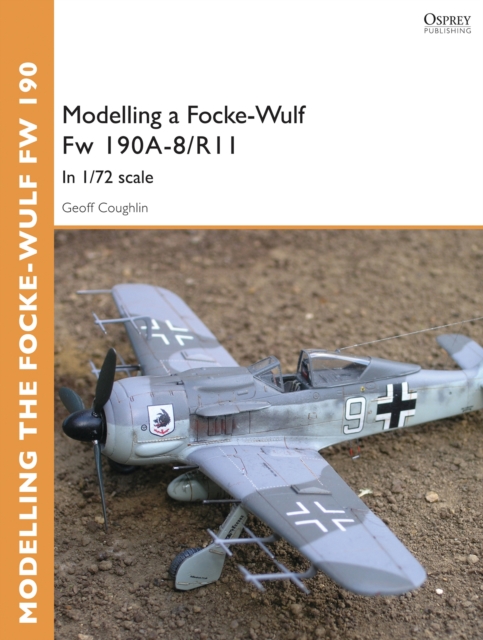
Part of Osprey Modelling 27 Modelling the Focke-Wulf Fw 190 A, F and G, a detailed, step-by-step guide to modelling the Focke-Wulf Fw 190A-8/RII in 1/72 scale.
Since their creation in 1983, the US Navy SEALs have been involved in unconventional warfare around the globe, undertaking crucial and clandestine missions.
Since their creation in 1983, the US Navy SEALs have been involved in unconventional warfare around the globe, undertaking crucial and clandestine missions.
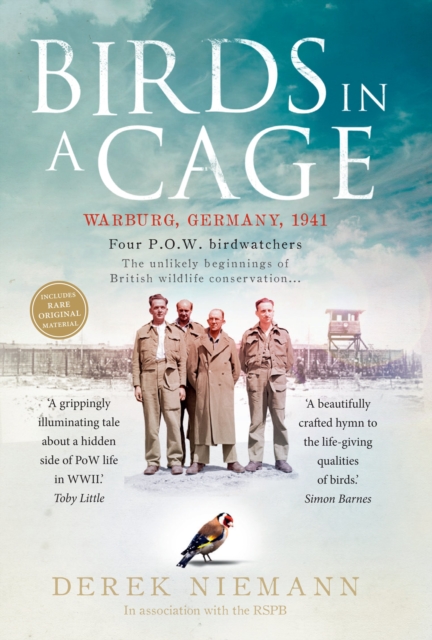
At Warburg, Germany, in 1941, four British PoWs find an unexpected means of escape from the horrors of internment when they form a birdwatching society, and embark on an obsessive quest behind barbed wire.
Here are thirty true and graphic accounts of the most heroic SAS and special-forces missions ever undertaken into the most dangerous place of all - behind enemy lines.
The most comprehensive and up-to-date guide to American and British special forces, covering all aspects of their equipment, training and deployment in the Iraq age of warfare.
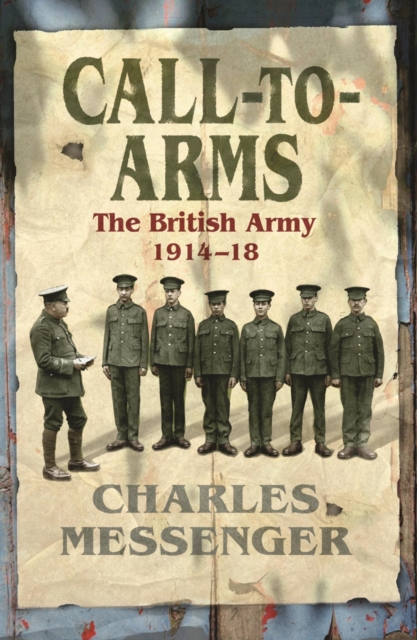
This is a comprehensive account of how the British Army coped with and adapted to the enormous challenges and pressures of the First World War -- the first major continental war that the army had had to fight for almost a hundred years.
The second and concluding volume of the definitive two-volume account of the HolocaustWith THE YEARS OF EXTERMINATION, Friedlander completes his work on Nazi Germany and the Jews.
This is naval action adventure with a difference - thirteen naval engagements in which gunboats won the day against every kind of enemy, large and smallBritain, like other colonial powers, established, controlled and accessed her empire from the seas.
In 1999, idealistic 23-year-old Registered Nurse Sharon Bown left her comfortable family life in Tasmania and joined the Royal Australian Air Force with the aim of providing humanitarian aid to the world.