This book examines PRC "e;involved"e; seaports overseas, where involvement can take the form of PRC foreign direct investment (FDI), contracting, and/or terminal operations, in countries such as Cambodia, Pakistan, and the Philippines.
This book documents the case that World War II happened in such a different world that it has little relevance to todays foreign policy, as well as the case that U.
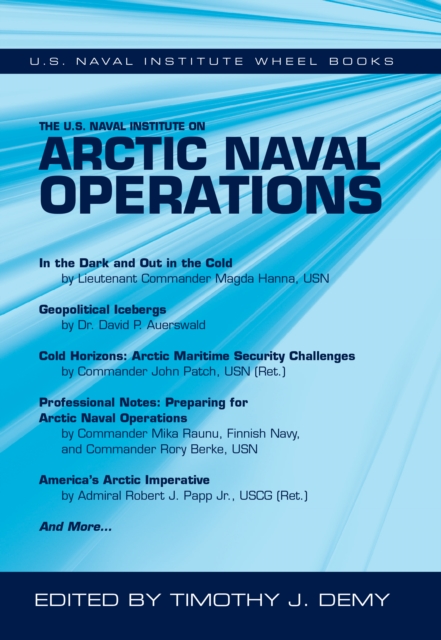
The Arctics growing strategic importance in world affairs and the increasing attention it receives from states inside and outside the region warrants greater cooperation and understanding of practical measures for maintaining regional security and stability.
The Road to Pearl Harbor offers a timely examination of the conflict in the Pacific prior to the attacks on Pearl Harbor and offers lessons applicable to understanding contemporary Great Power flash points between Asia and the West.
Innovating Victory: Naval Technology in Three Wars studies how the world's navies incorporated new technologies into their ships, their practices, and their doctrine.
The Battle of Jutland, May 31-June 1, 1916, pitted Great Britain and Imperial Germany-the two largest fleets of World War I-against one another for the first time.
The Sultana was a sidewheel Mississippi steamboat carrying almost two thousand recently-released Union prisoners-of-war back north at the end of the Civil War.
The revised edition of this indispensable work still covers battle tactics at sea from the age of fighting sail to the present, with emphasis on trends constants, and variables.
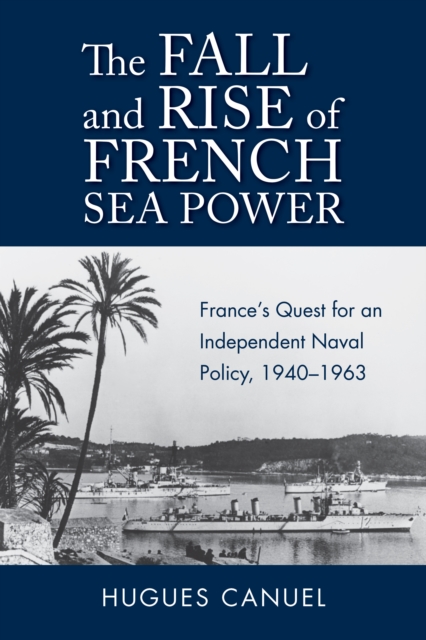
The Fall and Rise of French Sea Power explores the renewal of French naval power from the fall of France in 1940 through the first two decades of the Cold War.
Developed by French physicist Auguste Piccard and his son Jacques, the bathyscaph Trieste was a scientific marvel that allowed unprecedented scientific, technical, and military feats in the ocean depths.
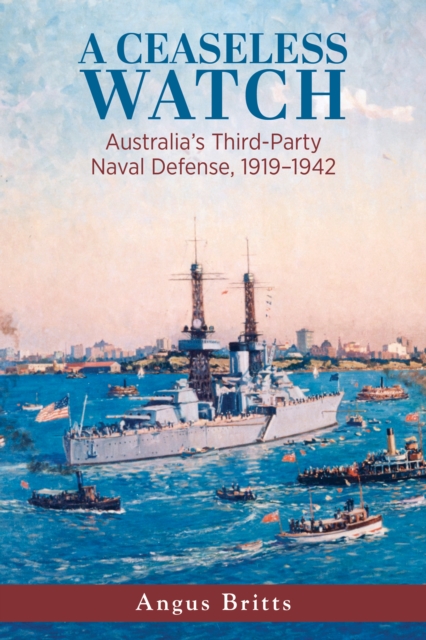
A Ceaseless Watch: Australia's Third Party Naval Defense, 1919-1942 illustrates how Australia confronted the need to base its post-World War I defense planning around the security provided by a major naval power: in the first instance, Britain, and later the United States.
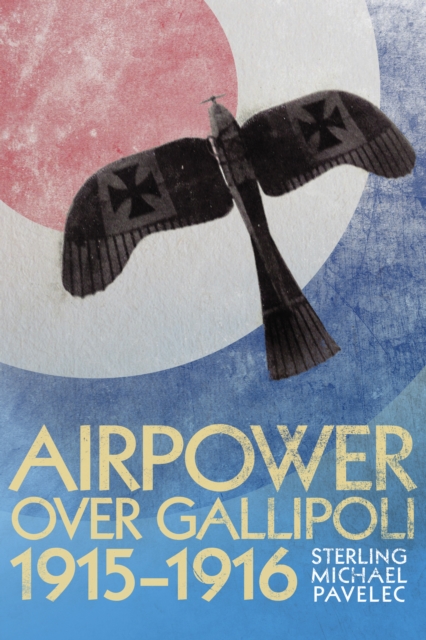
Based on extensive archival research, Sterling Michael Pavelec recounts the adventures of the handful of aviators and their aircraft during the Gallipoli Campaign.
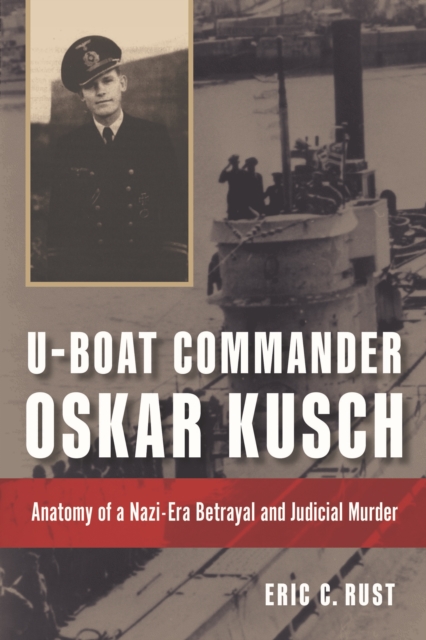
To his enlisted men on U-154, Lieutenant Oskar Kusch was the ideal skipper--bright, experienced, successful, caring, tolerably eccentric--and a popular captain who always brought his boat home safely when so many others vanished without a trace.
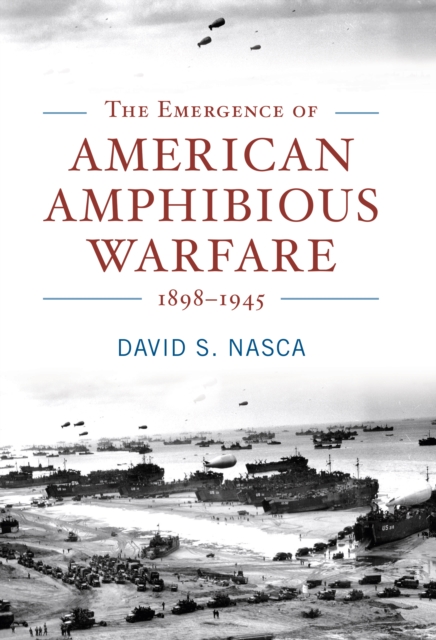
The Emergence of American Amphibious Warfare, 1898-1945 examines how the United States became a military superpower through the use of amphibious operations.
Rise of the War Machines: The Birth of Precision Bombing in World War II examines the rise of autonomy in air warfare from the inception of powered flight through the first phase of the Combined Bomber Offensive in World War II.
When Robert Haddick wrote Fire on the Water, first published in 2014, most policy experts and the public underestimated the threat China's military modernization posed to the U.