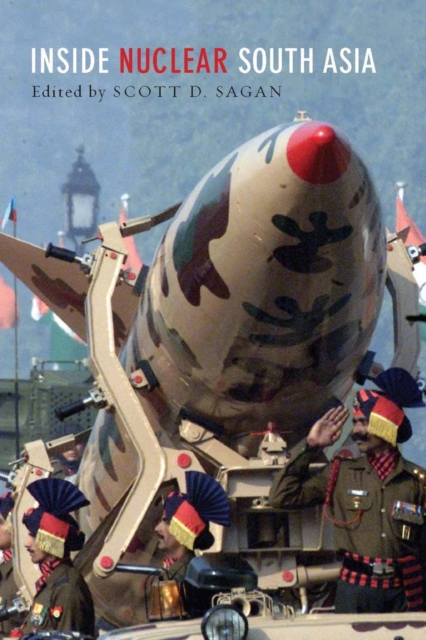
Originally published in 1993, this volume was unique in its scope and approach: Unlike most literature on nuclear weapons proliferation at the time, the essays in this volume offer theoretical discussions and suggest testable hypotheses about the causes and effects of nuclear weapons proliferation.
Originally published in 1987, The Logic of Nuclear Terror presented a much-needed critical review of the premises, concepts, and policy prescriptions of deterrence theories and doctrines at the time.
Originally published in 1985, Deterrence in the 1980s offers analyses by leading American and Canadian scholars and decision-makers in the field of strategic studies of the current problems and dilemmas of contemporary international security with deterrence, nuclear and conventional, as the unifying conceptual theme.
Originally published in 1985, Deterrence in the 1980s offers analyses by leading American and Canadian scholars and decision-makers in the field of strategic studies of the current problems and dilemmas of contemporary international security with deterrence, nuclear and conventional, as the unifying conceptual theme.
This book constitutes an original archival history of government secrecy, public relations and the debate surrounding nuclear weapons in Britain from 1970 to 1983.
This book constitutes an original archival history of government secrecy, public relations and the debate surrounding nuclear weapons in Britain from 1970 to 1983.
This book assesses the strategic linkages that the Korean Peninsula shares with the Indo-Pacific and provides a succinct picture of issues which will shape the trajectory of the Korean Peninsula in the future.
This book assesses the strategic linkages that the Korean Peninsula shares with the Indo-Pacific and provides a succinct picture of issues which will shape the trajectory of the Korean Peninsula in the future.
This book explores evolving patterns of nuclear deterrence, the impact of new technologies, and changing deterrent force postures in the South Asian region to assess future challenges for sustainable peace and stability.
This book explores evolving patterns of nuclear deterrence, the impact of new technologies, and changing deterrent force postures in the South Asian region to assess future challenges for sustainable peace and stability.
This text is designed to provide students and others with a theoretical and factual base for understanding the complex questions posed by continued reliance on nuclear weapons to protect geopolitical interests.
This text is designed to provide students and others with a theoretical and factual base for understanding the complex questions posed by continued reliance on nuclear weapons to protect geopolitical interests.
This book makes an important contribution to police scholarship by focusing on the critical need for law enforcement personnel to receive education on chemical/biological/radiological/nuclear (CBRN) hazards.
Saudi Arabia, with its US alliance and abundance of oil dollars, has a very different economic story to that of Iran, which despite enormous natural gas reserves, has been hit hard by economic, trade, scientific and military sanctions since its 1979 revolution.
The Iranian nuclear crisis has dominated world politics since the beginning of the century, with the country now facing increasing diplomatic isolation, talk of military strikes against its nuclear facilities and a disastrous Middle East war.
Since the Revolution of 1978/79, which eventually brought to power Ayatollah Khomeini and his circle of conservative, though politically active, clerics, the relationship between Iran and the USA has represented one of the world's most complex and hostile international entanglements.
In this thoughtful social history of New Mexico's nuclear industry, Lucie Genay traces the scientific colonization of the state in the twentieth century from the points of view of the local people.
Despite familiar images of the dropping of the atomic bomb on Japan and the controversy over its fiftieth anniversary, the human impact of those horrific events often seems lost to view.
In an era defined by the threat of nuclear annihilation, Western nations attempted to prepare civilian populations for atomic attack through staged drills, evacuations, and field exercises.
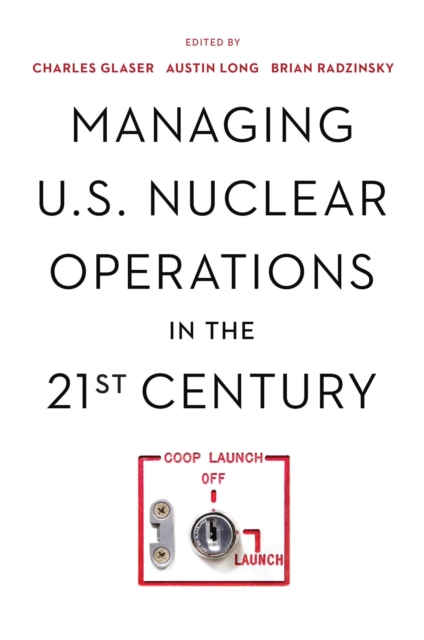
Exploring how the United States manages its still-powerful nuclear arsenalArms control agreements and the end of the Cold War have made the prospect of nuclear war a distant fear for the general public.
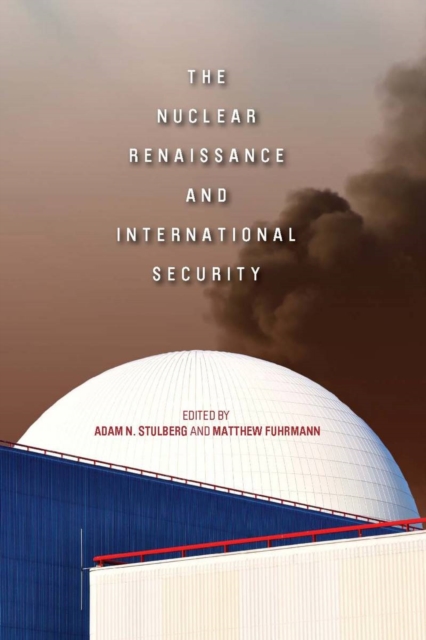
Interest in nuclear energy has surged in recent years, yet there are risks that accompany the global diffusion of nuclear power-especially the possibility that the spread of nuclear energy will facilitate nuclear weapons proliferation.
These essays by nuclear policy experts provide "e;a speculative but serious and well-informed journey through a variety of scenarios and contingencies"e; (Foreign Affairs).
In 2008, the iconic doomsday clock of the Bulletin of the Atomic Scientistswas set at five minutes to midnight-two minutes closer to Armageddon than in 1962, when John F.
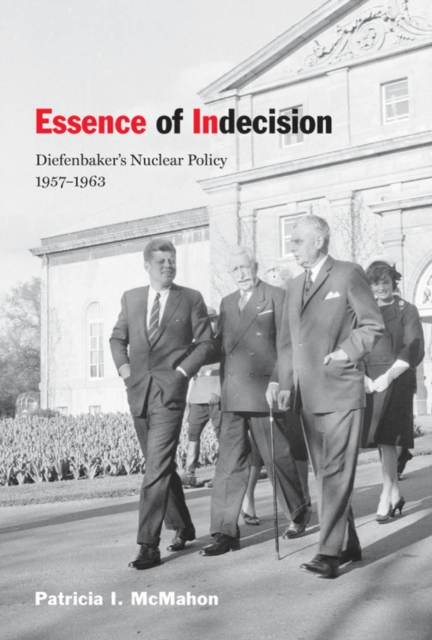
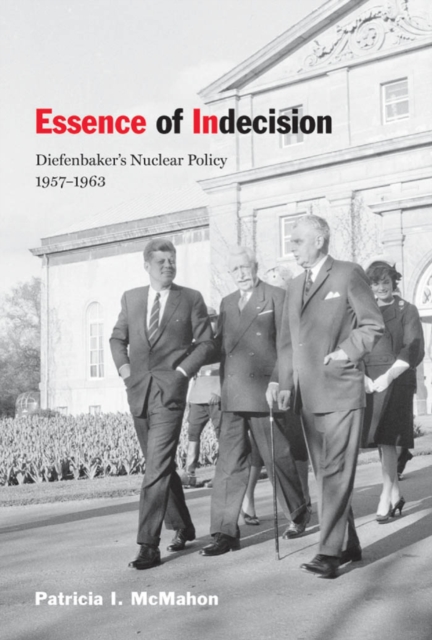
Tracing Diefenbaker's deliberations over nuclear policy, McMahon shows that Diefenbaker was politically cautious, not indecisive - he wanted to acquire nuclear weapons and understood from public opinion polls that most Canadians supported this position.
Tracing Diefenbaker's deliberations over nuclear policy, McMahon shows that Diefenbaker was politically cautious, not indecisive - he wanted to acquire nuclear weapons and understood from public opinion polls that most Canadians supported this position.
In Power versus Prudence Paul develops a prudential-realist model, arguing that a nation's national nuclear choices depend on specific regional security contexts: the non-great power states most likely to forgo nuclear weapons are those in zones of low and moderate conflict, while nations likely to acquire such capability tend to be in zones of high conflict and engaged in protracted conflicts and enduring rivalries.
Arguing that previous critiques of rational choice and deterrence theory are not convincing, Frank Harvey constructs a new set of empirical tests of rational deterrence theory to illuminate patterns of interaction between rival nuclear powers.
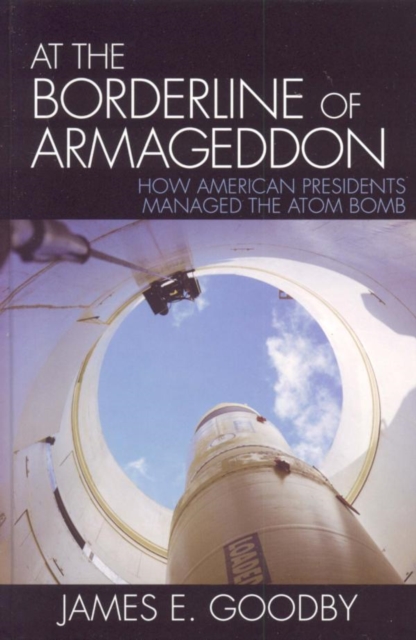
'No previous generation of statesmen has had to conduct policy in so unknown an environment at the border line of Armageddon'-Henry Kissinger Nuclear weapons pose a unique challenge to American foreign policy and the American president in particular.
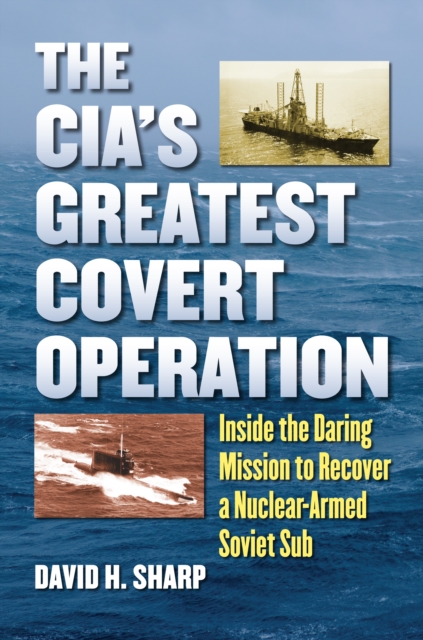
March 1968: three miles below the stormy surface of the North Pacific, a Soviet submarine lay silent as a tomb-its crew dead, its payload of nuclear missiles, once directed toward strategic targets in Hawaii, inoperable.
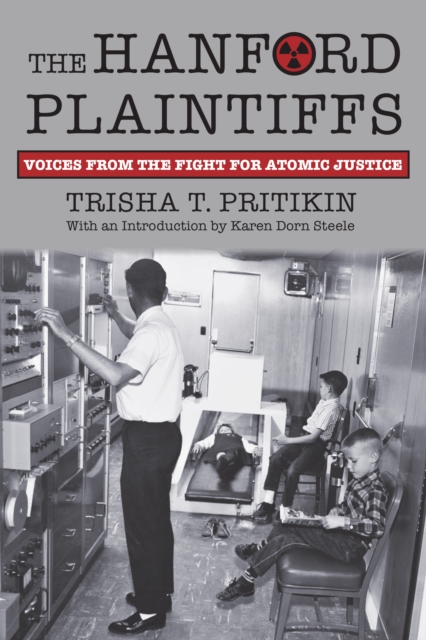
Paris Book Festival, 1st Place, NonfictionNew York Book Festival, 1st Place, General NonfictionLos Angeles Book Festival, 1st Place, Biography / Autobiography / MemoirHollywood Book Festival, 1st Place, Wild Card categoryAmerican Book Fest Best Book Awards, Finalist, US HistoryScreenCraft Cinematic Book Writing Competition, Quarter FinalistNautilus Book Awards, Silver Award, Journalism and Investigative ReportingNew England Book Festival, 1st Place, NonfictionSan Francisco Book Festival, 1st Place, HistoryFor more than four decades beginning in 1944, the Hanford nuclear weapons facility in southeastern Washington State secretly blanketed much of the Pacific Northwest with low-dose ionizing radiation, the byproduct of plutonium production.
Paris Book Festival, 1st Place, NonfictionNew York Book Festival, 1st Place, General NonfictionLos Angeles Book Festival, 1st Place, Biography / Autobiography / MemoirHollywood Book Festival, 1st Place, Wild Card categoryAmerican Book Fest Best Book Awards, Finalist, US HistoryScreenCraft Cinematic Book Writing Competition, Quarter FinalistNautilus Book Awards, Silver Award, Journalism and Investigative ReportingNew England Book Festival, 1st Place, NonfictionSan Francisco Book Festival, 1st Place, HistoryFor more than four decades beginning in 1944, the Hanford nuclear weapons facility in southeastern Washington State secretly blanketed much of the Pacific Northwest with low-dose ionizing radiation, the byproduct of plutonium production.
March 1968: three miles below the stormy surface of the North Pacific, a Soviet submarine lay silent as a tomb-its crew dead, its payload of nuclear missiles, once directed toward strategic targets in Hawaii, inoperable.