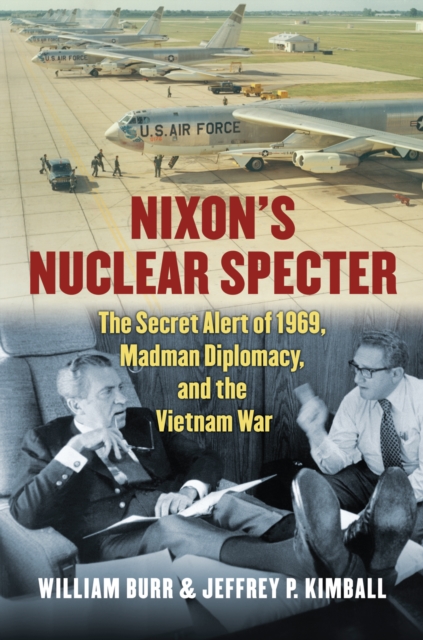
Honorable Mention, Captain Richard Lukaszewicz Memorial Book AwardIn their initial effort to end the Vietnam War, Richard Nixon and Henry Kissinger attempted to lever concessions from Hanoi at the negotiating table with military force and coercive diplomacy.
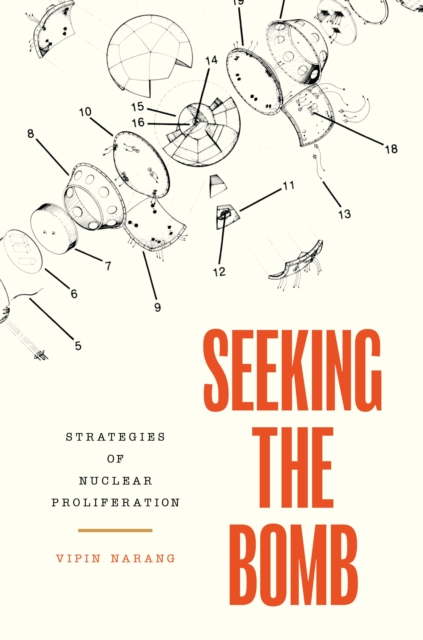
The first systematic look at the different strategies that states employ in their pursuit of nuclear weaponsMuch of the work on nuclear proliferation has focused on why states pursue nuclear weapons.
A multifaceted portrait of the Hiroshima bombing and its many legaciesOn August 6, 1945, in the waning days of World War II, the United States dropped an atomic bomb on the Japanese city of Hiroshima.
Honorable Mention, Captain Richard Lukaszewicz Memorial Book AwardIn their initial effort to end the Vietnam War, Richard Nixon and Henry Kissinger attempted to lever concessions from Hanoi at the negotiating table with military force and coercive diplomacy.
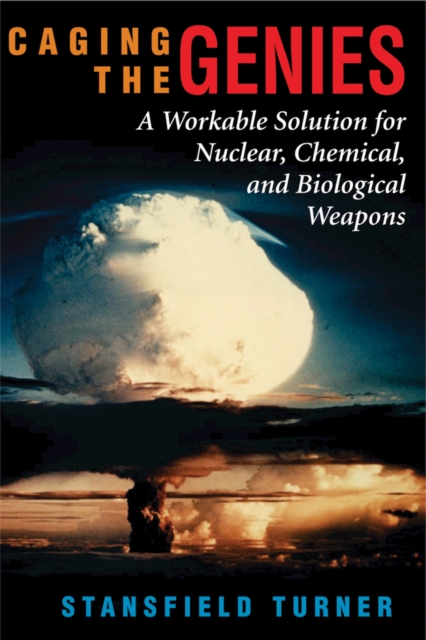
The Cold War may be over, but you wouldn't know it from the tens of thousands of nuclear, chemical, and biological weapons of mass destruction still held by Russia, the United States, and other world powers.
The Cold War may be over, but you wouldn't know it from the tens of thousands of nuclear, chemical, and biological weapons of mass destruction still held by Russia, the United States, and other world powers.
This book offers a new analytical framework for studying nuclear command and control (C2), based on a comparative study of four nuclear weapons states (NWS).
This book offers a new analytical framework for studying nuclear command and control (C2), based on a comparative study of four nuclear weapons states (NWS).
Future historians are very likely to see nuclear proliferation-or the averting of nuclear proliferation-as one of the central determinants of international politics in the last quarter of the twentieth century.
Focusing on the social, economic, and political structures of the postwar global order, this collection of essays discusses the search for a new international economic order, the transformation of the nation-state and the international balance of power, the technological and strategic dimensions of the nuclear age, East-West trade and technology tr
Given the disappointing history of arms control negotiations and agreements, disconcerting trends in the balance of power, and emerging technologies that challenge conventional assumptions about deterrence, new ways to promote security through negotiations must be identified and utilized if arms control is ever to play an integral role in enhancing deterrence and reducing instabilities.
The controversial atomic bombings of Hiroshima and Nagasaki in 1945 represent the only occasions when atomic weapons have been employed in war, yet surprisingly little attention has been paid to the relationship between the bombings and the course of subsequent nuclear strategy.
Future historians are very likely to see nuclear proliferation-or the averting of nuclear proliferation-as one of the central determinants of international politics in the last quarter of the twentieth century.
Focusing on the social, economic, and political structures of the postwar global order, this collection of essays discusses the search for a new international economic order, the transformation of the nation-state and the international balance of power, the technological and strategic dimensions of the nuclear age, East-West trade and technology tr
Given the disappointing history of arms control negotiations and agreements, disconcerting trends in the balance of power, and emerging technologies that challenge conventional assumptions about deterrence, new ways to promote security through negotiations must be identified and utilized if arms control is ever to play an integral role in enhancing deterrence and reducing instabilities.
The controversial atomic bombings of Hiroshima and Nagasaki in 1945 represent the only occasions when atomic weapons have been employed in war, yet surprisingly little attention has been paid to the relationship between the bombings and the course of subsequent nuclear strategy.
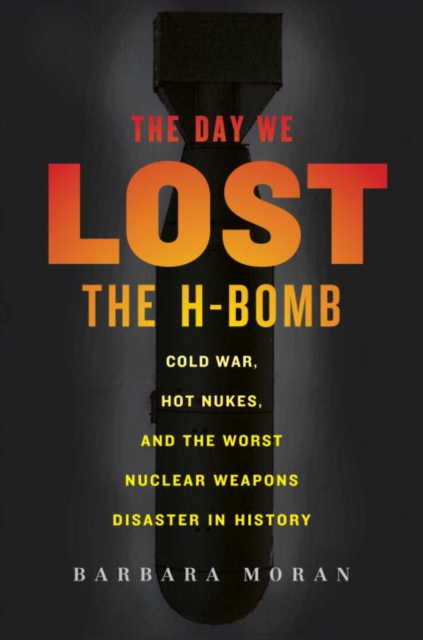
In The Day We Lost the H-Bomb, science writer Barbara Moran marshals a wealth of new information and recently declassified material to give the definitive account of the Cold War’s biggest nuclear weapons disaster.
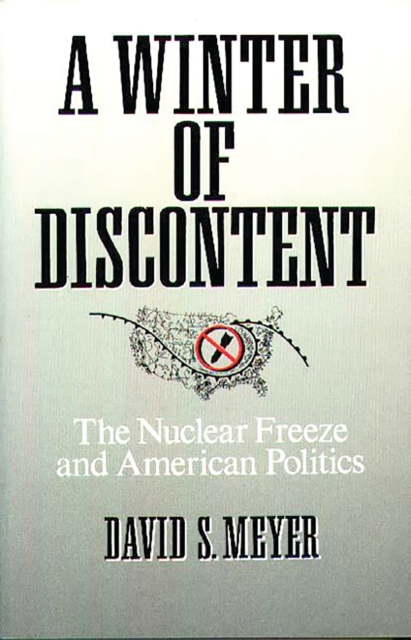
The nuclear freeze movement grew more quickly than even the most optimistic activists thought possible, as large numbers of Americans became convinced that there was something wrong with United States defense policy and that they could do something about it.
Using newly released documents, the author presents an integrated look at American nuclear policy and diplomacy in crises from the Berlin blockade to Vietnam.
Why do some American intelligence officials maintain fallout shelters and private contingency plans to evacuate their families in the event of a Russian nuclear strike-even in today's post-Cold War era of U.
The Iranian nuclear crisis has dominated world politics since the beginning of the century, with the country now facing increasing diplomatic isolation, talk of military strikes against its nuclear facilities and a disastrous Middle East war.