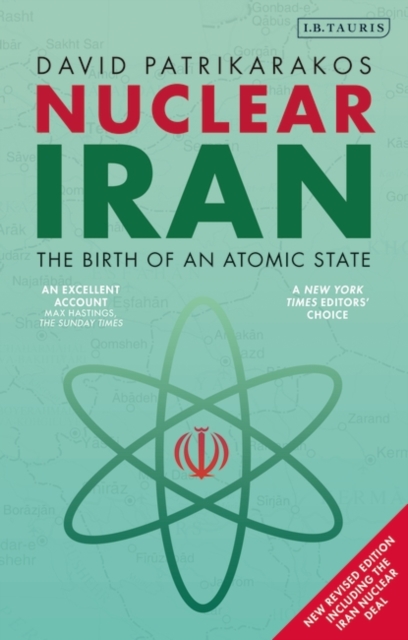
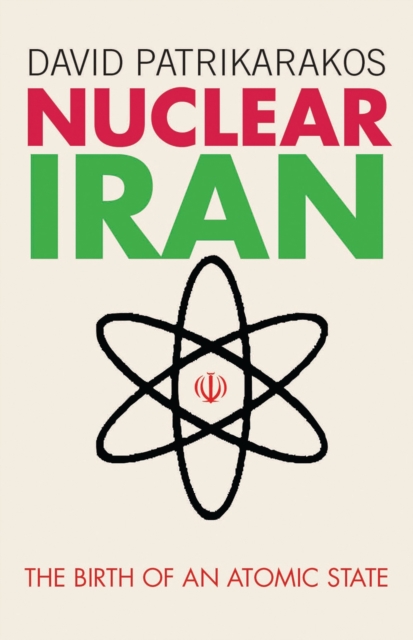
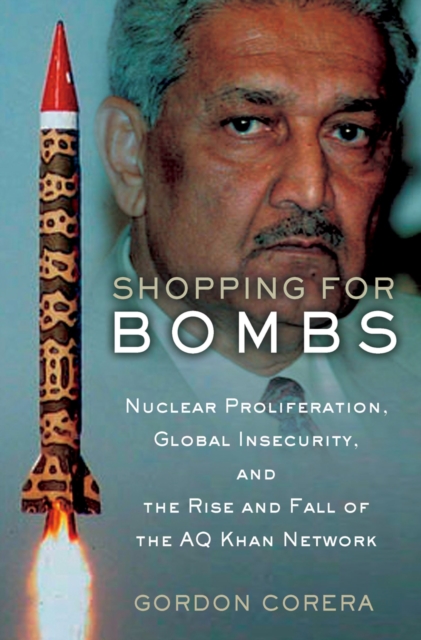
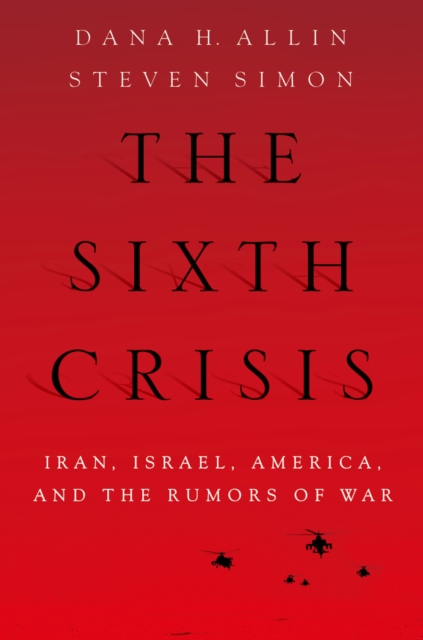
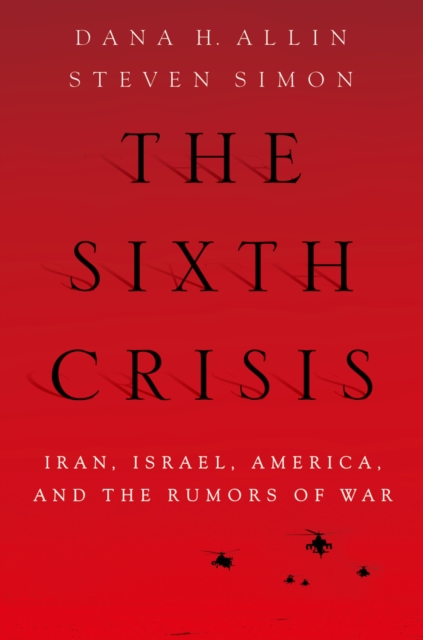
The Iranian nuclear crisis has dominated world politics since the beginning of the century, with the country now facing increasing diplomatic isolation, talk of military strikes against its nuclear facilities and a disastrous Middle East war.
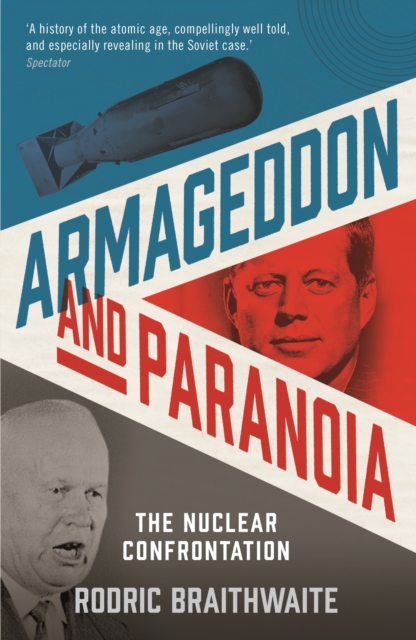
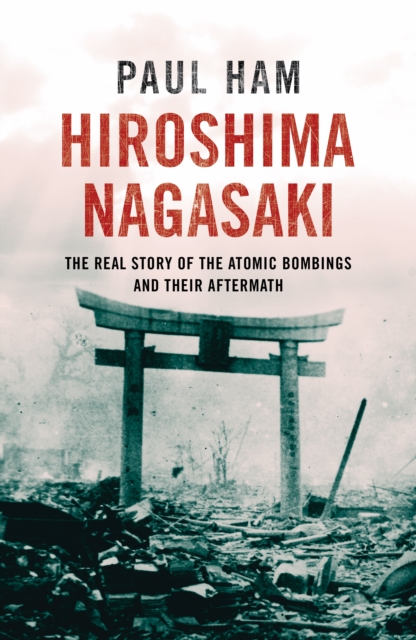
A gripping account of the intense rivalry between Russia and the West, from bestselling author and former diplomat Rodric Braithwaite In 1945, the atom bomb was dropped on Hiroshima.
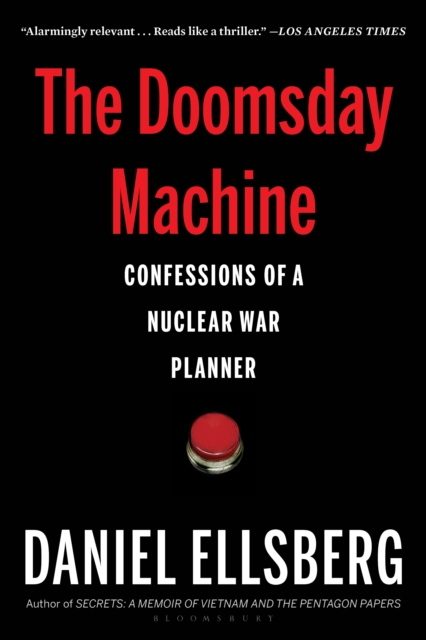
Shortlisted for the Andrew Carnegie Medal for Excellence in NonfictionFinalist for The California Book Award in NonfictionThe San Francisco Chronicle's Best of the Year ListForeign Affairs Best Books of the Year In These Times "e;Best Books of the Year"e;Huffington Post's Ten Excellent December Books List LitHub's "e;Five Books Making News This Week"e;From the legendary whistle-blower who revealed the Pentagon Papers, an eyewitness expose of the dangers of America's Top Secret, seventy-year-long nuclear policy that continues to this day.
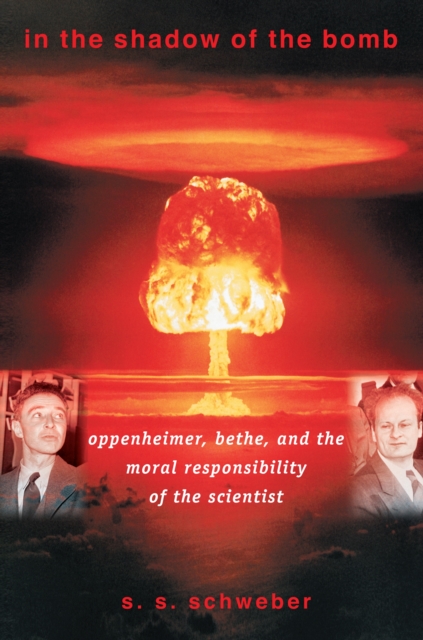
How two charismatic, exceptionally talented physicists came to terms with the nuclear weapons they helped to createIn 1945, the United States dropped the bomb, and physicists were forced to contemplate disquieting questions about their roles and responsibilities.
The Iranian nuclear crisis has dominated world politics since the beginning of the century, with the country now facing increasing diplomatic isolation, talk of military strikes against its nuclear facilities and a disastrous Middle East war.
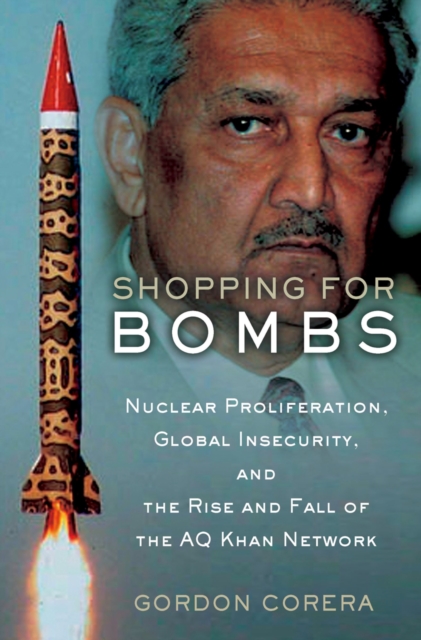
This is the first book-length study of why states sometimes ignore, oppose, or undermine elements of the nuclear nonproliferation regime-even as they formally support it.
For more than forty years, the United States has maintained a public commitment to nuclear disarmament, and every president from Ronald Reagan to Barack Obama has gradually reduced the size of America's nuclear forces.
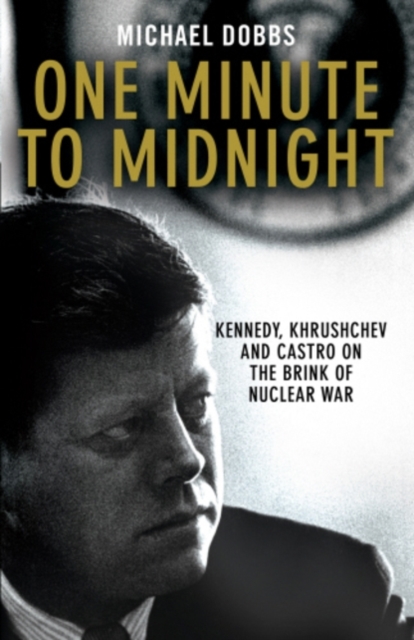
A Times History Book of the Year 2022From the #1 bestselling historian Max Hastings 'the heart-stopping story of the missile crisis' Daily TelegraphThe 1962 Cuban Missile Crisis was the most perilous event in history, when mankind faced a looming nuclear collision between the United States and Soviet Union.
'If I were a voter in Britain, I would vote for [Jeremy Corbyn]' - Noam Chomsky, 2017Global Discontents is an essential guide to geopolitics and how to fight back, from the world's leading public intellectualWhat kind of world are we leaving to our grandchildren?
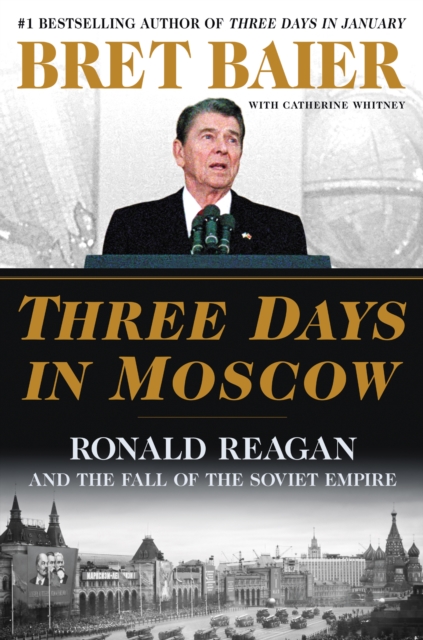
The blockbuster #1 national bestsellerBret Baier, the Chief Political Anchor for Fox News Channel and the Anchor and Executive Editor of Special Report with Bret Baier, illuminates the extraordinary yet underappreciated presidency of Dwight Eisenhower by taking readers into Ikes last days in power.
The United States and the Soviet Union could drastically reduce their nuclear arsenals below the levels prescribed by the new Strategic Arms Reduction Treaty (START).
Nuclear Reactions explores the nuclear consensus that emerged in postWorld War II America, characterized by widespread support for a diplomatic and military strategy based on nuclear weapons and a vision of economic growth that welcomed nuclear energy both for the generation of electricity and for other peaceful and industrial uses.
The essential account of geopolitics right now, from one of our greatest living intellectuals - including a new afterword on President Donald Trump Noam Chomsky: philosopher, political writer, fearless activist.
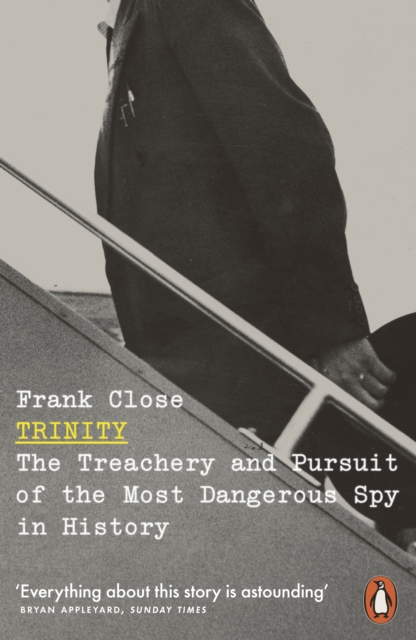
'Everything about this story is astounding' Bryan Appleyard, Sunday Times"e;Trinity"e; was the codename for the test explosion of the atomic bomb in New Mexico on 16 July 1945.
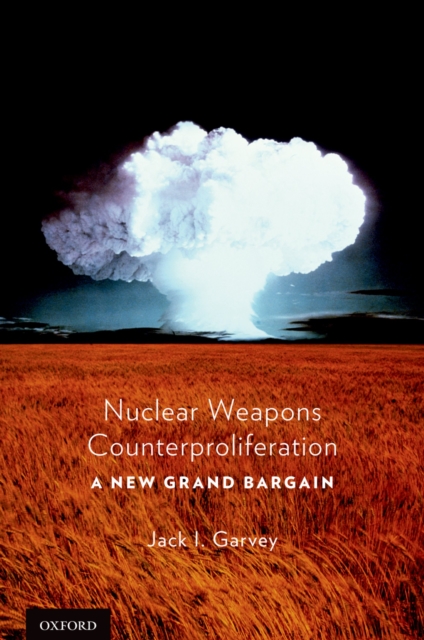
Nuclear Weapons Counterproliferation: A New Grand Bargain proposes a new legal and institutional framework for counterproliferation of nuclear weapons.
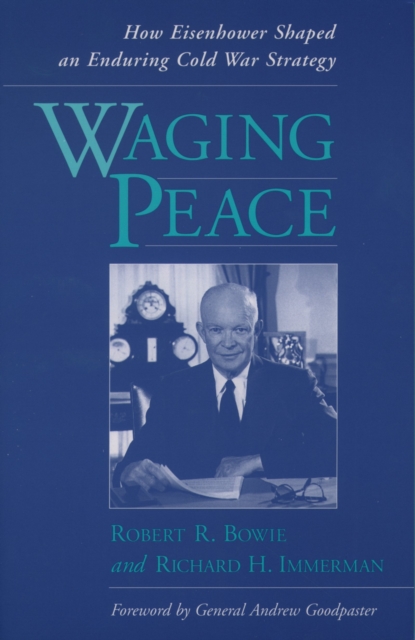
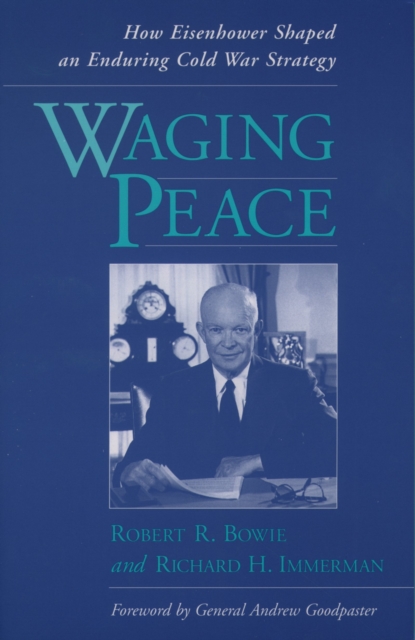
Waging Peace offers the first fully comprehensive study of Eisenhower's "e;New Look"e; program of national security, which provided the groundwork for the next three decades of America's Cold War strategy.
Waging Peace offers the first fully comprehensive study of Eisenhower's "e;New Look"e; program of national security, which provided the groundwork for the next three decades of America's Cold War strategy.
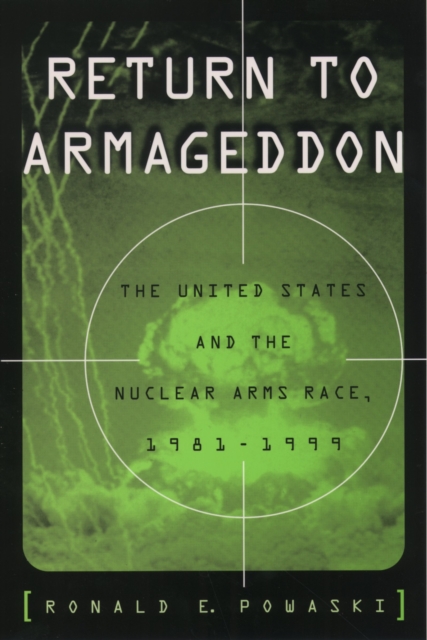
When the Cold War ended, the world let out a collective sigh of relief as the fear of nuclear confrontation between superpowers appeared to vanish overnight.
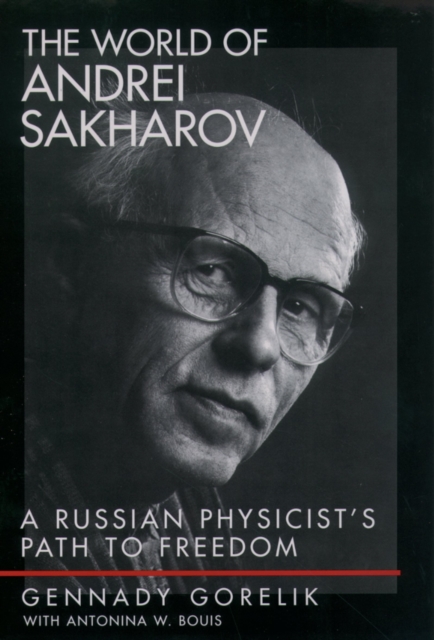
How did Andrei Sakharov, a theoretical physicist and the acknowledged father of the Soviet hydrogen bomb, become a human rights activist and the first Russian to win the Nobel Peace Prize?
This Commentary offers detailed background and analysis of the Treaty on the Prohibition of Nuclear Weapons, which was adopted at the UN Headquarters in New York in July 2017.
This Commentary offers detailed background and analysis of the Treaty on the Prohibition of Nuclear Weapons, which was adopted at the UN Headquarters in New York in July 2017.
The 1968 Nuclear Non-proliferation Treaty has proven the most complicated and controversial of all arms control treaties, both in principle and in practice.
The 1968 Nuclear Non-proliferation Treaty has proven the most complicated and controversial of all arms control treaties, both in principle and in practice.