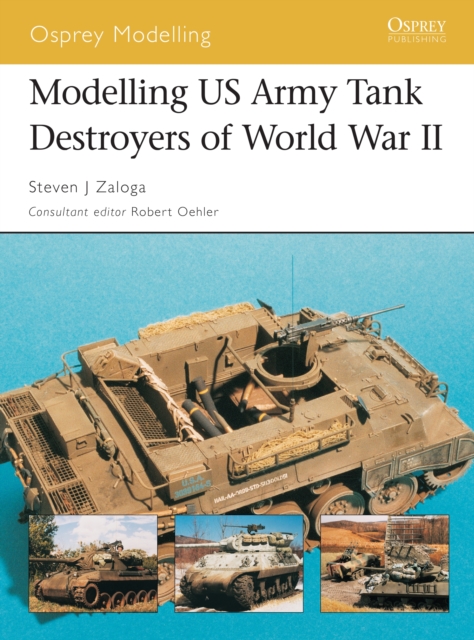
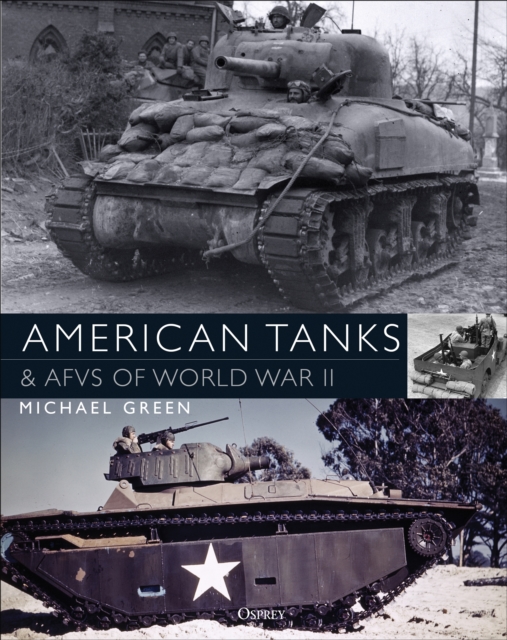
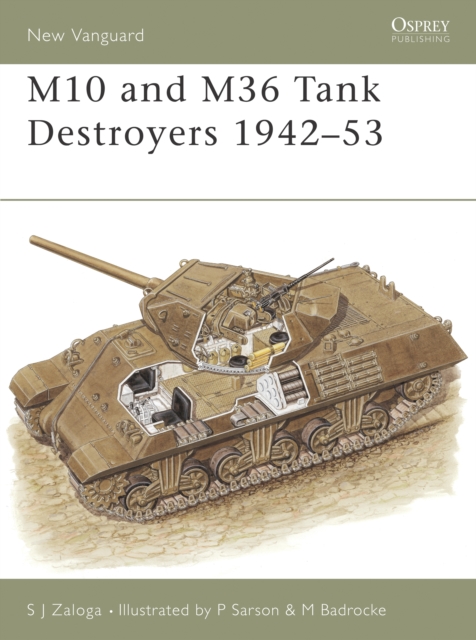
Tank destroyers were the US Army's response to blitzkrieg, and were based around the concept of mounting a large anti-tank gun on a light, fast moving vehicle.
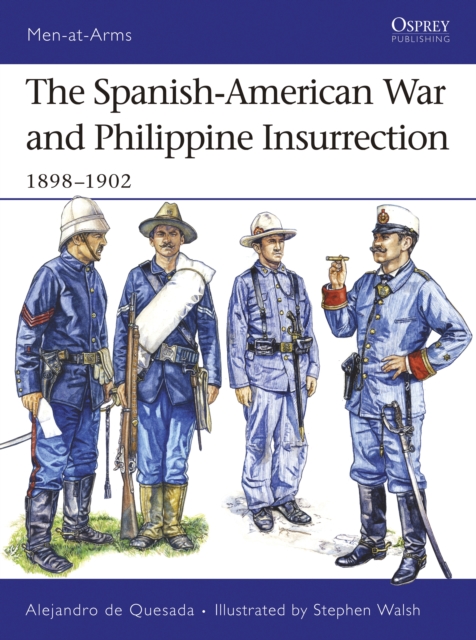
This book details the uniforms and weapons of the American, Spanish, Cuban and Filipino forces involved in the United States Army's first overseas war.
The Russo-Japanese War in Manchuria was the first 20th century conflict fought between the regular armies of major powers, employing the most modern means machine guns, trench warfare, minefields and telephone communications.
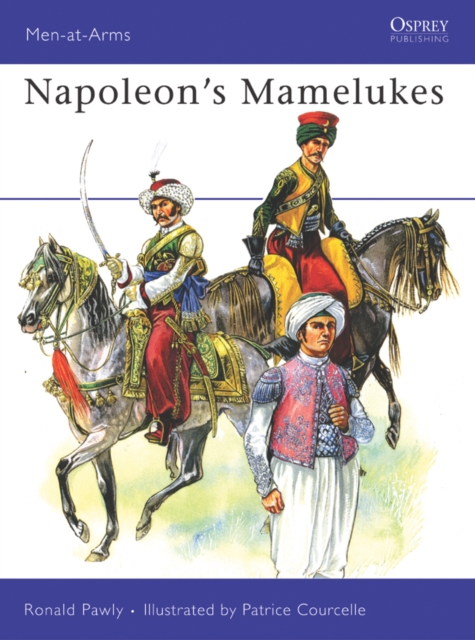
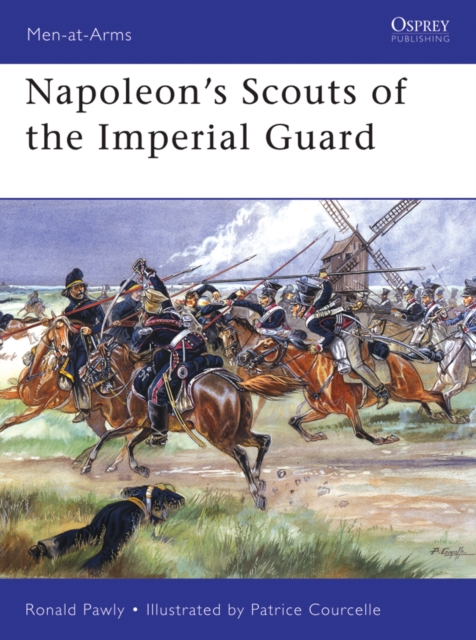
A key part of Napoleon's Imperial Guard were undoubtedly the Mamelukes the bodyguard of Turkish cavalry which remained with his Mounted Chasseurs regiment throughout the First Empire.
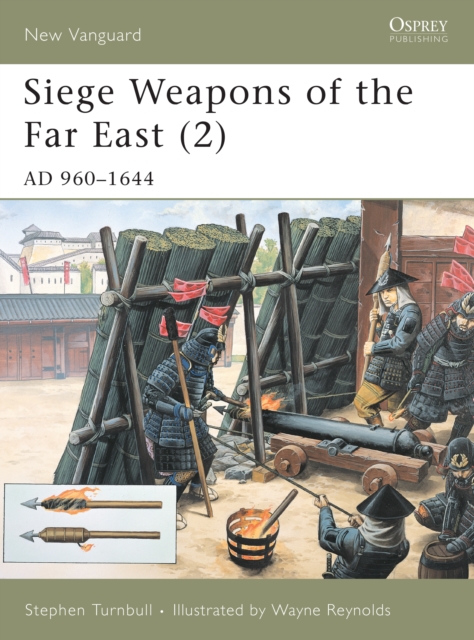
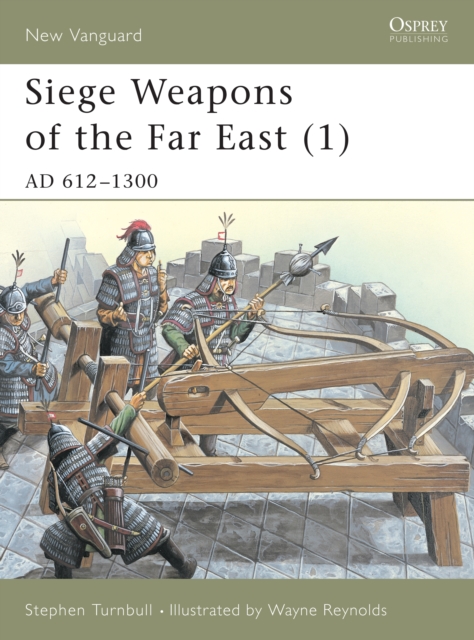
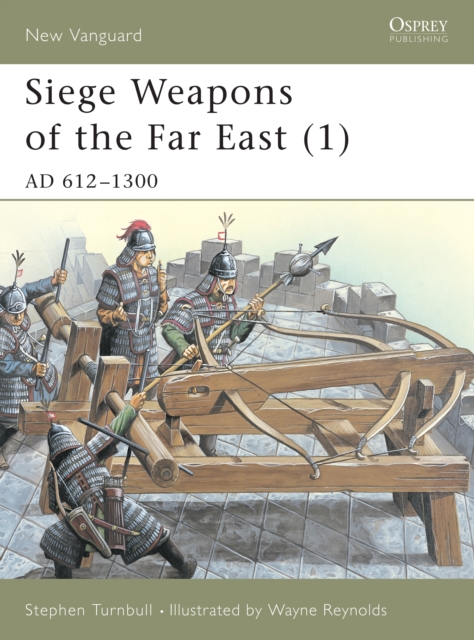
The prevalence of particular fortress types in medieval China, Mongolia, Japan and Korea demanded the evolution of different modes of siege warfare in each country.
The prevalence of particular fortress types in medieval China, Mongolia, Japan and Korea demanded the evolution of different modes of siege warfare in each country.
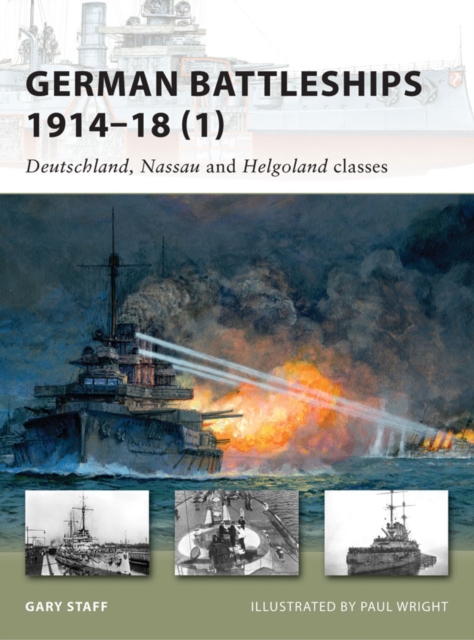
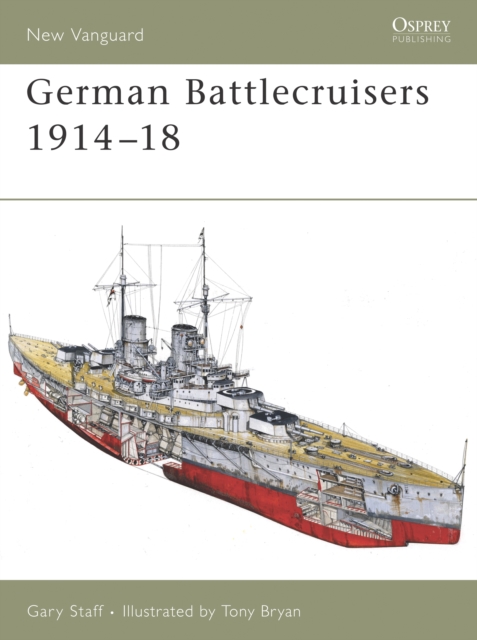
A focused look at the first dreadnought classes for the German Imperial Navy and their deployment in World War I, including the great clash of dreadnoughts at the Battle of Jutland.
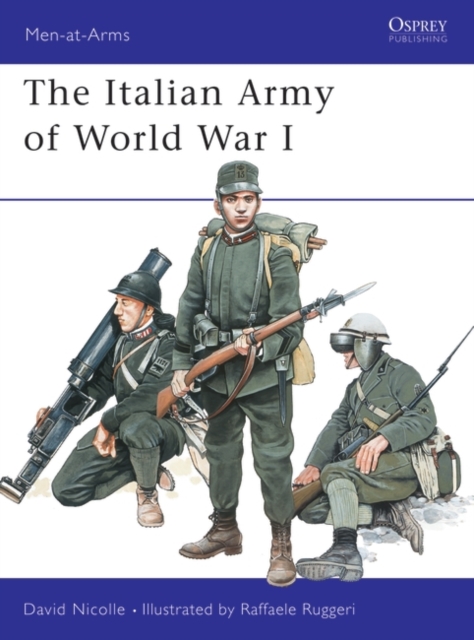
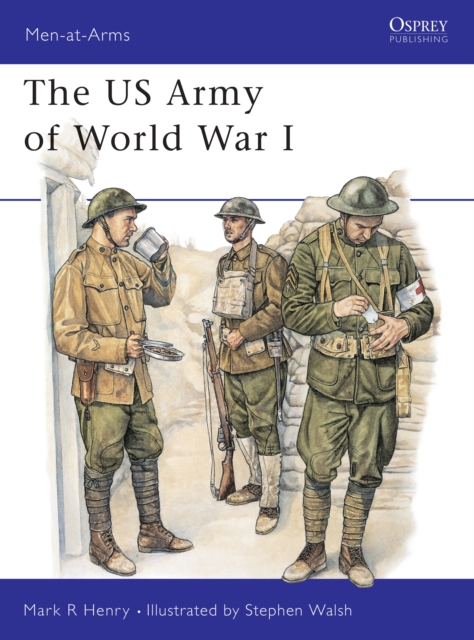
When the USA entered World War I in April 1917 her Regular Army counted just 128,000 men and lacked all the necessary equipment and training for modern trench warfare.
The US Army had a unique tactical doctrine during World War II - placing the emphasis for tank fighting on its Tank Destroyer Command whose main early-war vehicle was the M10 3-inch Gun Motor Carriage, based on the reliable M4A2 Sherman tank chassis.
The task of Germany's new Gro e Kreuzer at the beginning of the 20th century was to form an independent reconnaissance division that was able to perform special tasks.
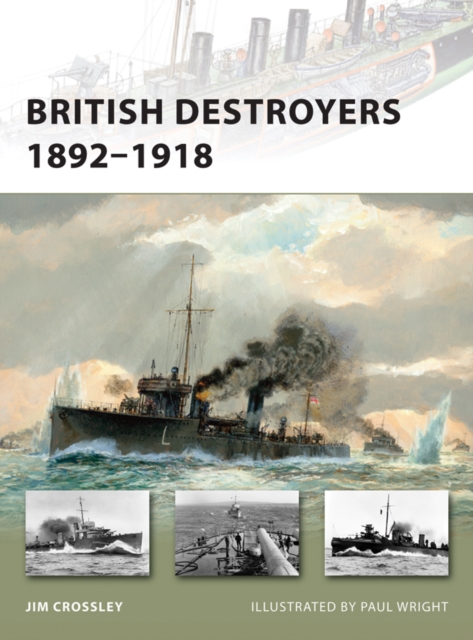
A history of the first destroyers of the Royal Navy, which revolutionized the way war was fought at sea with new armaments and a great improvement on earlier designs.
Described by one soldier as a metal box designed by a sadist to move soldiers across the water, the Landing Craft, Infantry was a large beaching craft intended to deliver an infantry company to a hostile shore, once the beachhead was secured.
To celebrate the 450th title in the Men-at-Arms series, this book examines in unprecedented depth the units and the uniforms of a still-controversial army: the many thousands of American colonists who chose to fight for King George during the Revolution.
The German A-4 ballistic missile, better known by its propaganda name of V-2, was the world's first successful ballistic missile, breaking through the atmosphere to reach its target quicker.
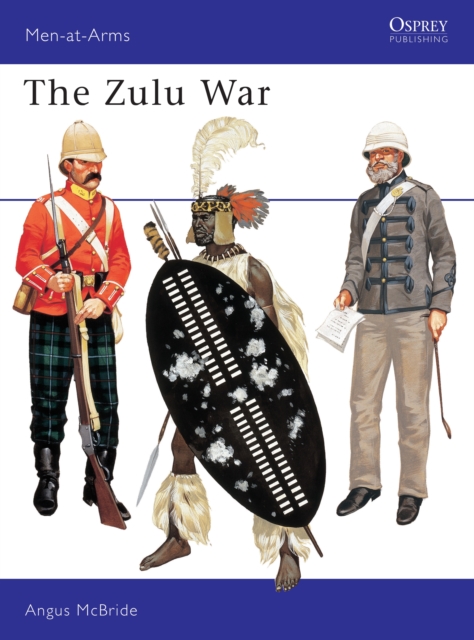
By the end of the nineteenth century the fame of the Zulu was world-wide, and their army was one of the few non-European military organisations to have become the subject of serious historical study.
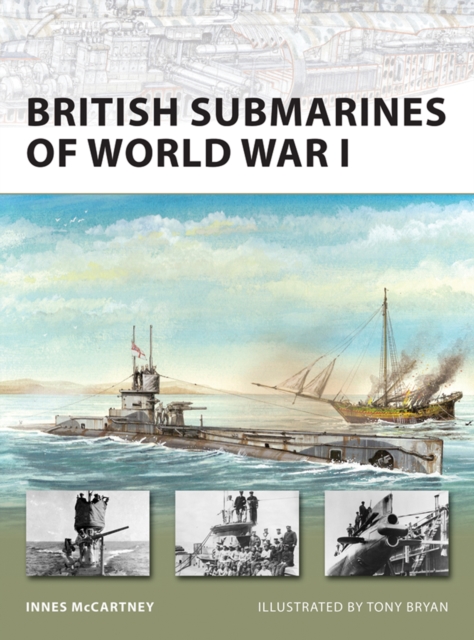
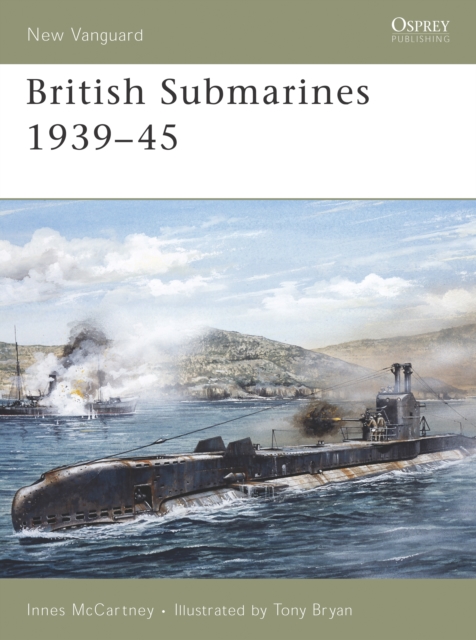
As the major powers engaged in an arms race in the early years of the 20th century, the Admiralty was tasked with developing that deadly stalker of the high seas the submarine.
Revealing what it was like to live and fight in a medium tank, this is an examination of the career of a single tanker from 37th Tank Battalion, 4th Armored Division.
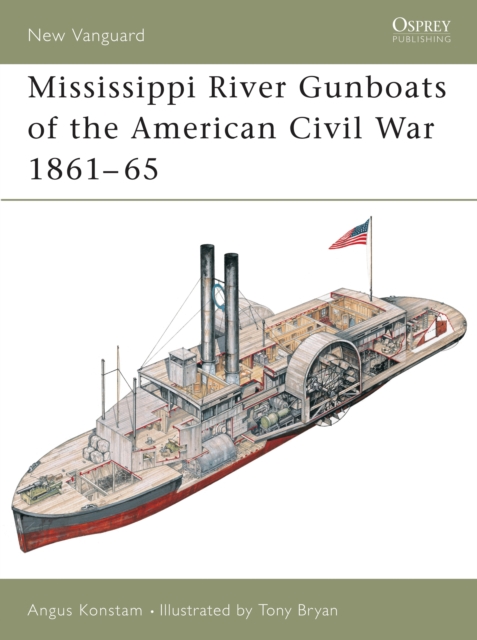
At the start of the American Civil War, neither side had warships on the Mississippi River and in the first few months both sides scrambled to gather a flotilla, converting existing riverboats for naval use.
A warning to humankind from one of the world s greatest physicists'What drives these pages is the guilty conscience of my profession, theoretical physics.
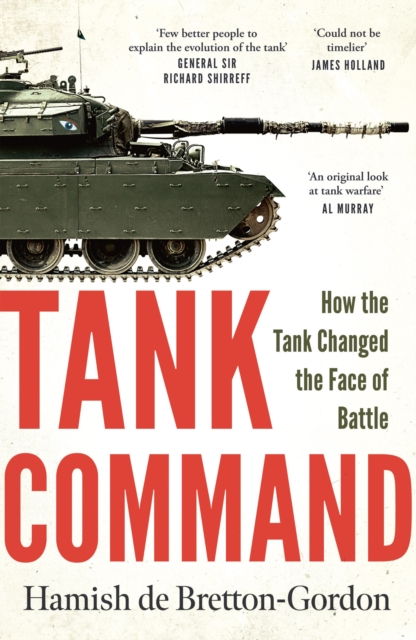
Former tank commander Hamish de Bretton-Gordon OBE offers a gripping and unique account of the evolution of tank warfare, in collaboration with The Tank Museum.
A fresh, all-encompassing study of the most active British fleet of the French Revolutionary and Napoleonic wars: the Mediterranean Fleet, in which Horatio Nelson made his legendary name.
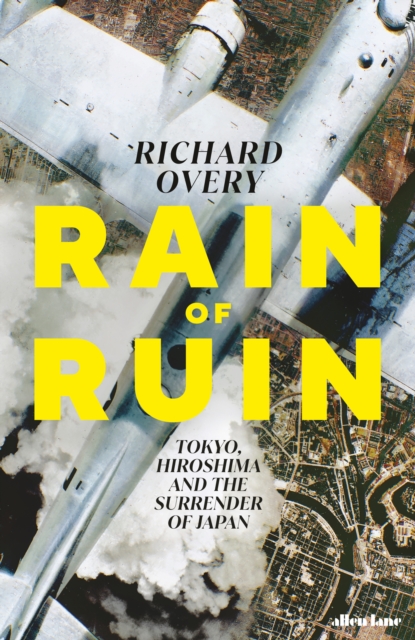
A remarkable account of the terrible climax of the Second World War in AsiaA Telegraph Book of the Year 2025 'A short but quietly devastating book, in which Overy adds new perspectives to a subject that has often been approached from a narrowly American angle.
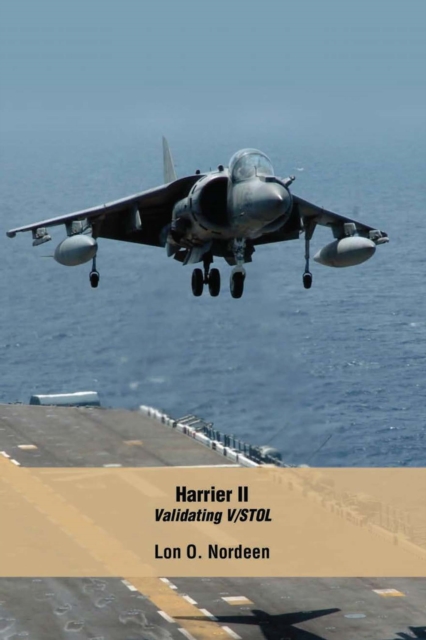
When the first Harrier strike fighter was introduced by the Royal Air Force in the late 1960s, it was hailed as a technological breakthrough with its speed, vertical, short takeoff and landing capability (V/STOL).
A fresh, all-encompassing study of the most active British fleet of the French Revolutionary and Napoleonic wars: the Mediterranean Fleet, in which Horatio Nelson made his legendary name.