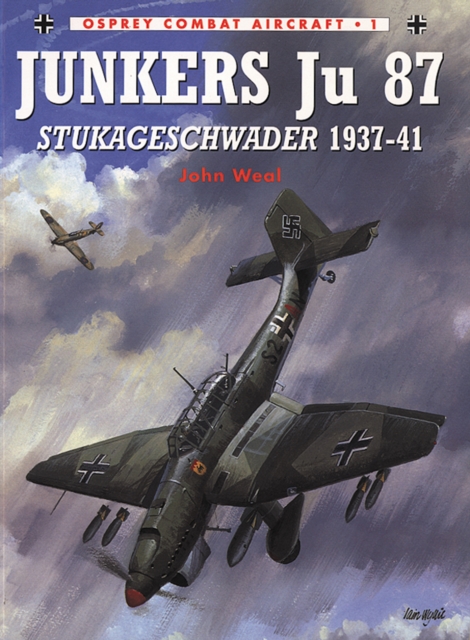
The Ju 87 Stuka was the most feared weapon in the German arsenal in the first year of World War 2, the Luftwaffe using it to deadly effect during the Blitzkrieg between September 1939 and June 1940.
The Ju 87 Stuka was the most feared weapon in the German arsenal in the first year of World War 2, the Luftwaffe using it to deadly effect during the Blitzkrieg between September 1939 and June 1940.
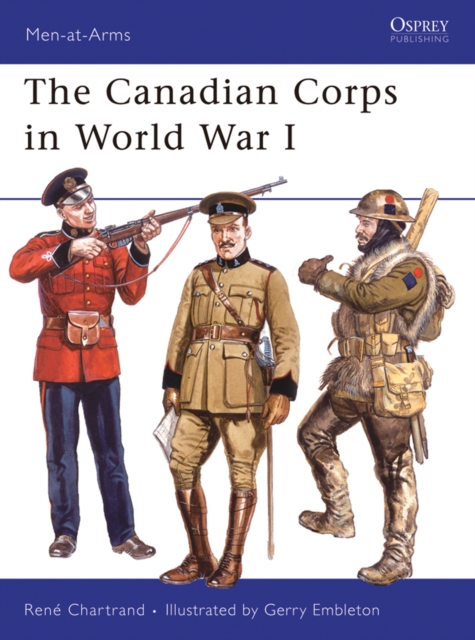
This book describes the organization, lists the units and illustrates the uniforms and equipment of the four Canadian divisions which earned an elite reputation on the Western Front in 1915-18.
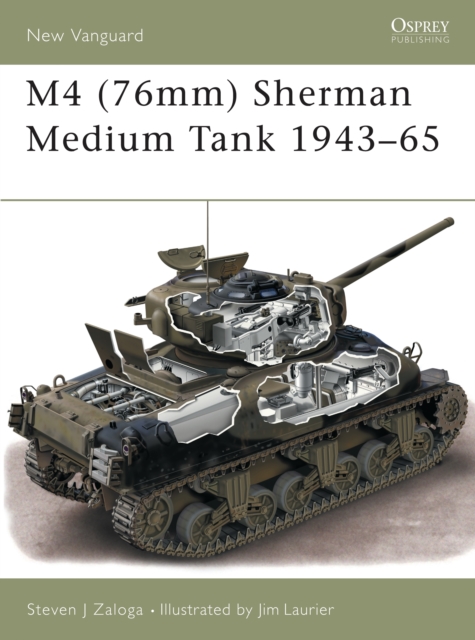
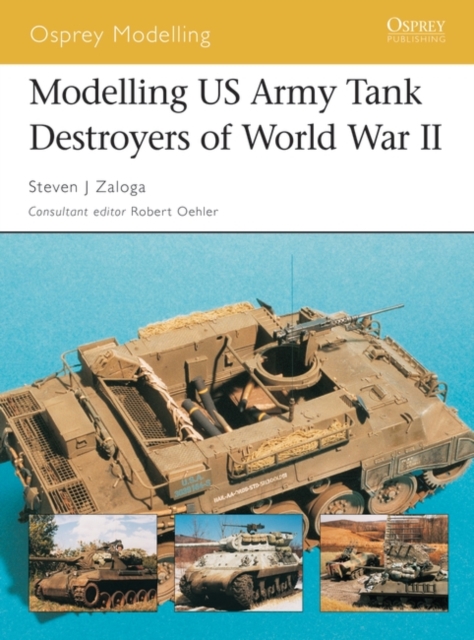
The US Army had a unique tactical doctrine during World War II - placing the emphasis for tank fighting on its Tank Destroyer Command whose main early-war vehicle was the M10 3-inch Gun Motor Carriage, based on the reliable M4A2 Sherman tank chassis.
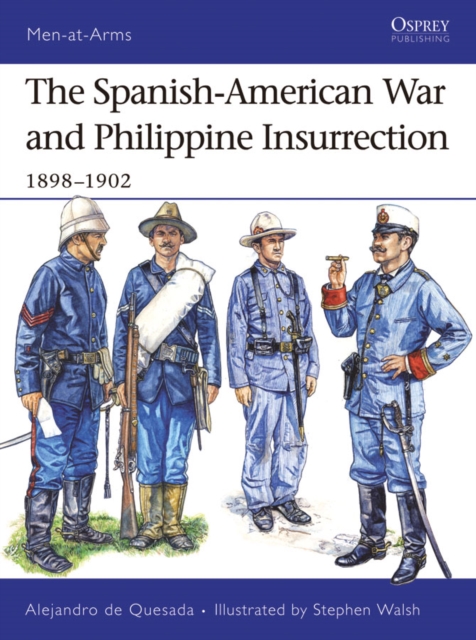
This book details the uniforms and weapons of the American, Spanish, Cuban and Filipino forces involved in the United States Army's first overseas war.
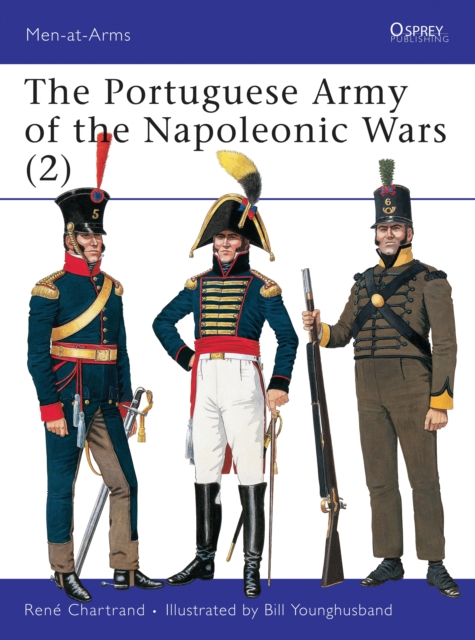
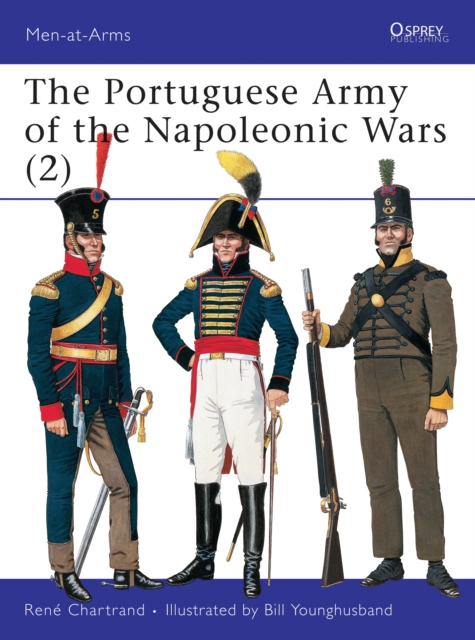
The second instalment in a remarkable three-part study that transformed the research material available to the English-speaking student of the Peninsular War.
The second instalment in a remarkable three-part study that transformed the research material available to the English-speaking student of the Peninsular War.
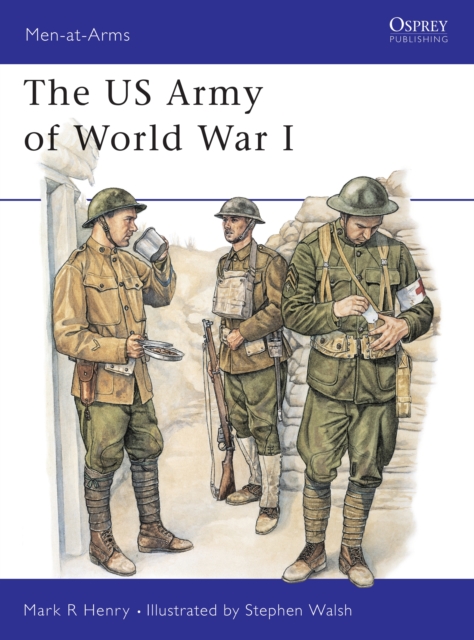
When the USA entered World War I in April 1917 her Regular Army counted just 128,000 men and lacked all the necessary equipment and training for modern trench warfare.
The tanks used during the Spanish Civil War are not often examined in any great detail, and are often labeled as little more than test vehicles in a convenient proving ground before World War II.
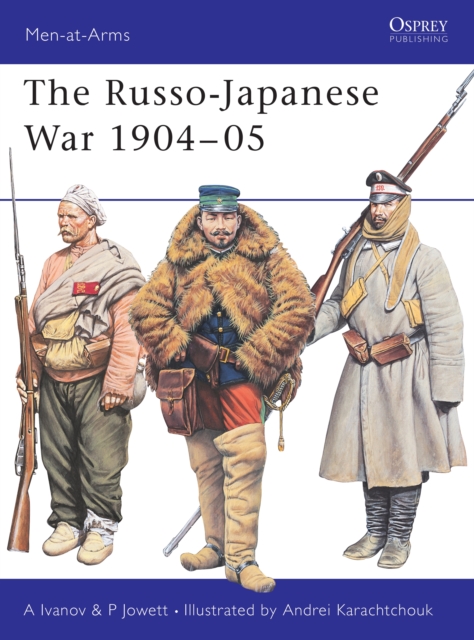
The Russo-Japanese War in Manchuria was the first 20th century conflict fought between the regular armies of major powers, employing the most modern means machine guns, trench warfare, minefields and telephone communications.
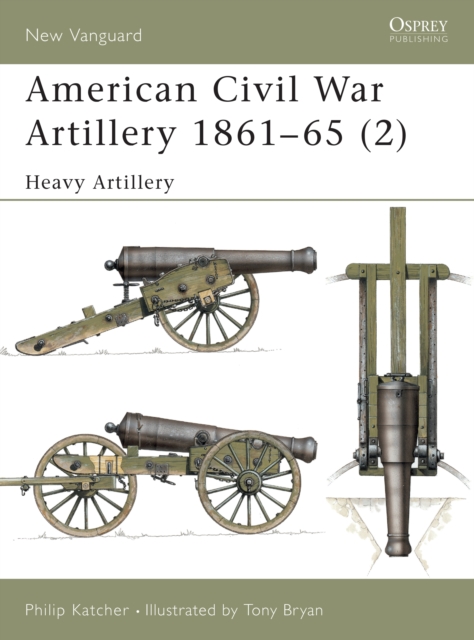
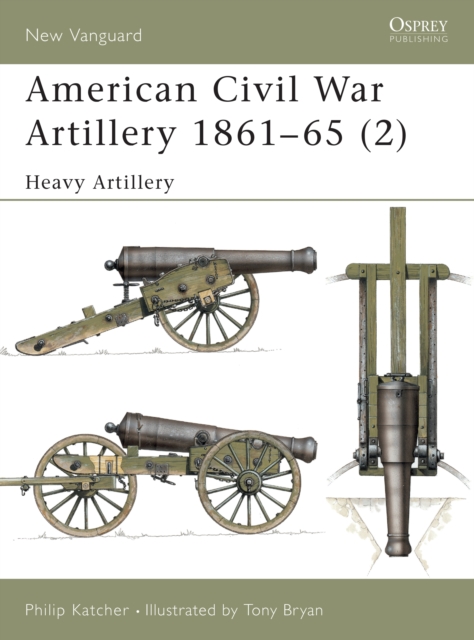
Because of the length of the coastline of the United States, from the beginning American ordnance and engineers placed an emphasis on heavy artillery mounted in coastal defences.
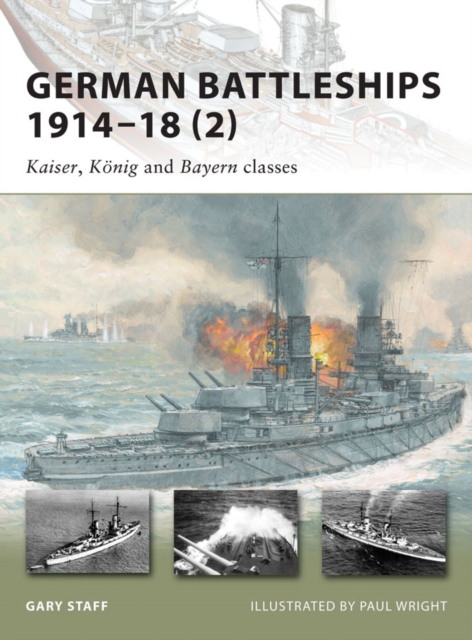
The design and development of the key dreadnought classes for the German Imperial Navy and their deployment in World War I, including the great clash of dreadnoughts at the Battle of Jutland and operations in the Baltic.
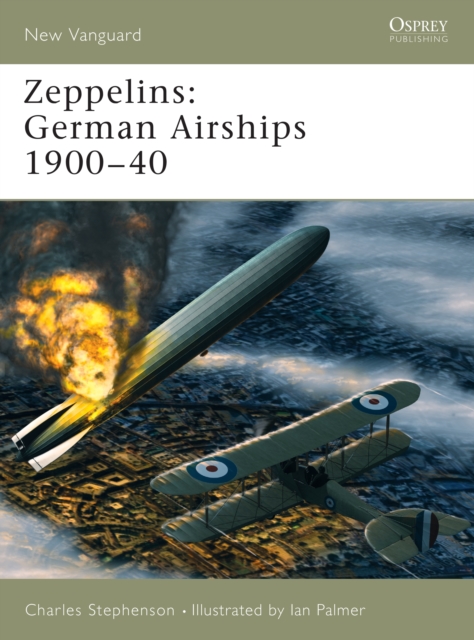
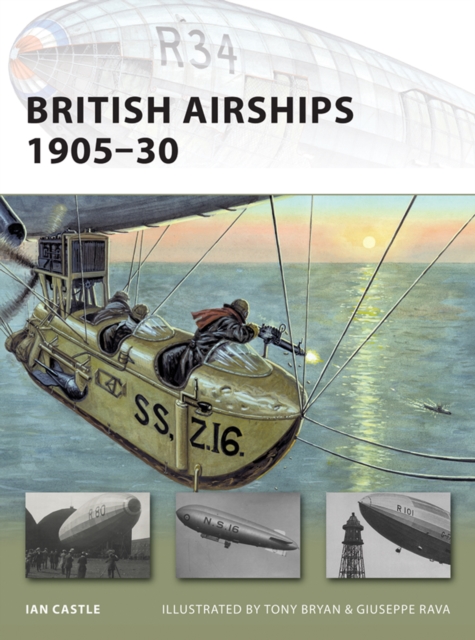
On 2 July 1900 the people of Friedrichshafen, Germany, witnessed a momentous occasion - the first flight of LZ 1, Count Ferdinand von Zeppelin's first airship.
This compact, illustrated guide examines the design, construction, and operation of the first six of the ten US fast battleships, two of the North Carolina class and four of the South Dakota class.
The origins of what would become the German General Staff of the late 19th and 20th centuries - probably the most professional military machine in the world - can be traced to the Prussian Army of the French Revolutionary and Napoleonic Wars.
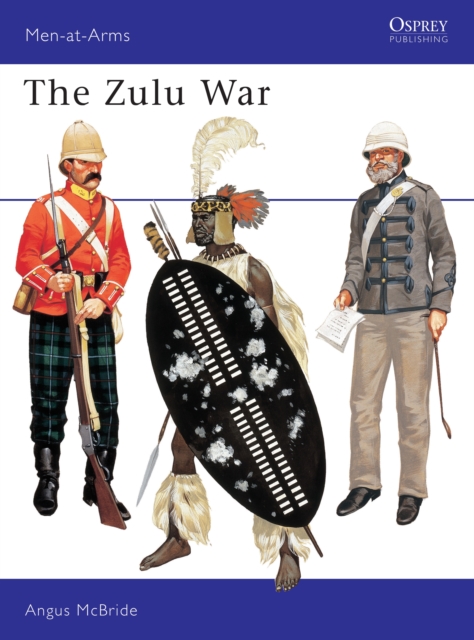
By the end of the nineteenth century the fame of the Zulu was world-wide, and their army was one of the few non-European military organisations to have become the subject of serious historical study.
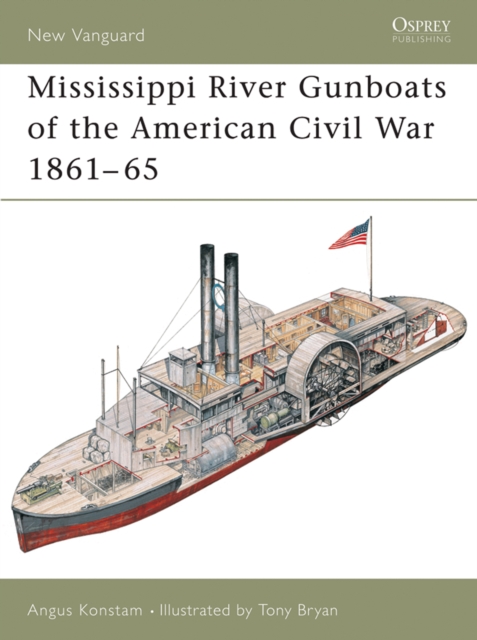
At the start of the American Civil War, neither side had warships on the Mississippi River and in the first few months both sides scrambled to gather a flotilla, converting existing riverboats for naval use.
This book reveals the fascinating story of the cat and mouse duel between the airship and another pioneering form of technology the submarine - during World War 1.
Because of the length of the coastline of the United States, from the beginning American ordnance and engineers placed an emphasis on heavy artillery mounted in coastal defences.
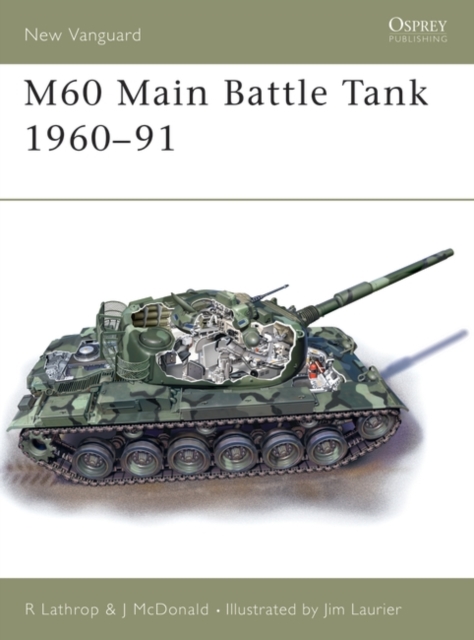
Entering service in the early 1960s, the M60 tank was in production for 23 years and formed the backbone of US Army and Marine armoured units during the Cold War.
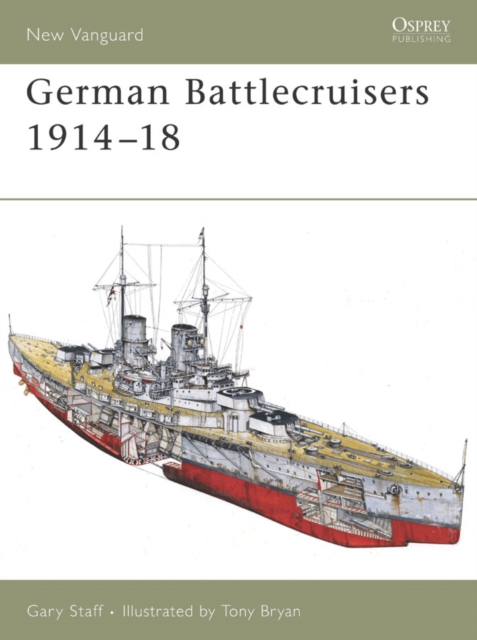
The task of Germany's new Gro e Kreuzer at the beginning of the 20th century was to form an independent reconnaissance division that was able to perform special tasks.
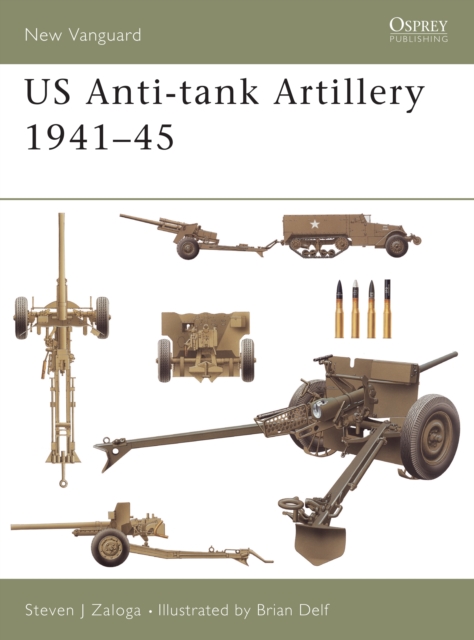
Tank destroyers were the US Army's response to blitzkrieg, and were based around the concept of mounting a large anti-tank gun on a light, fast moving vehicle.