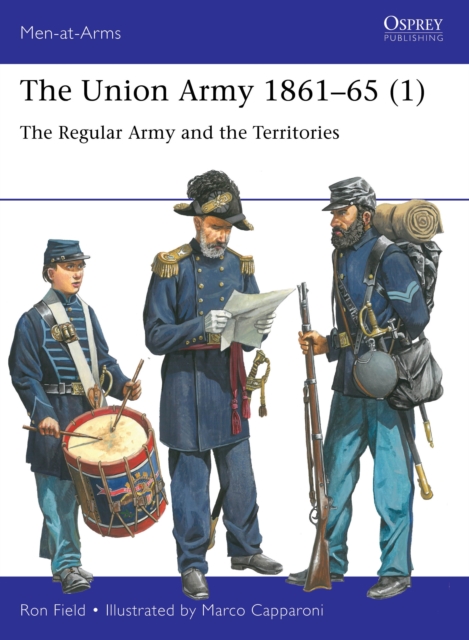
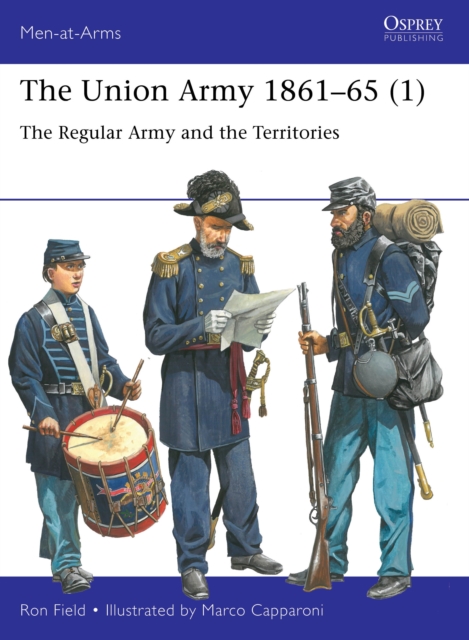
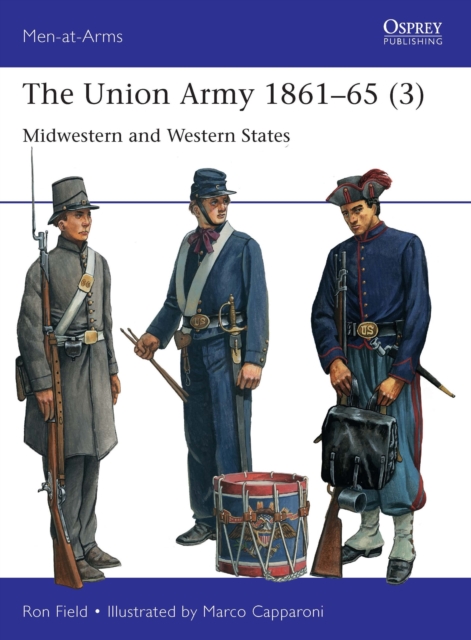
This fully illustrated study investigates the uniforms and equipment of the US regular troops and volunteers from the territories fighting for the Union during the American Civil War.
This fully illustrated study investigates the uniforms and equipment of the US regular troops and volunteers from the territories fighting for the Union during the American Civil War.
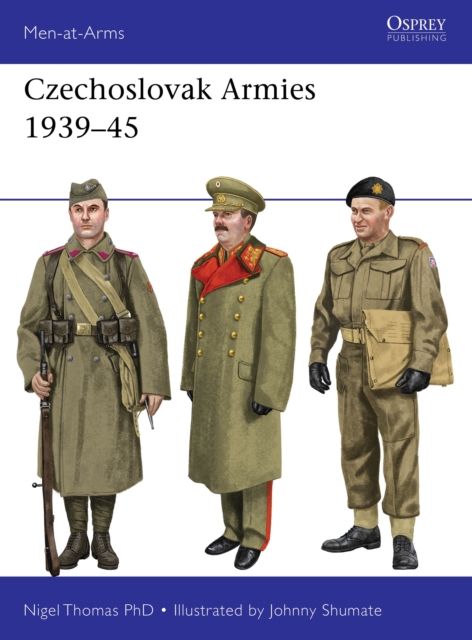
Featuring rare photos, detailed colour illustrations and insignia tables, this study explores the contribution made by Czech and Slovak troops fighting alongside Allied forces during World War II.
Featuring rare photos, detailed colour illustrations and insignia tables, this study explores the contribution made by Czech and Slovak troops fighting alongside Allied forces during World War II.
Der vorliegende Band beschäftigt sich mit der militärischen Seite der Geopolitik des Westens und der Hegemonie der USA nach dem Zusammenbruch der Sowjetunion.
This book describes and illustrates the uniforms and personal equipment of the troops fielded by the Midwestern and Western states that fought for the Union during the Civil War.
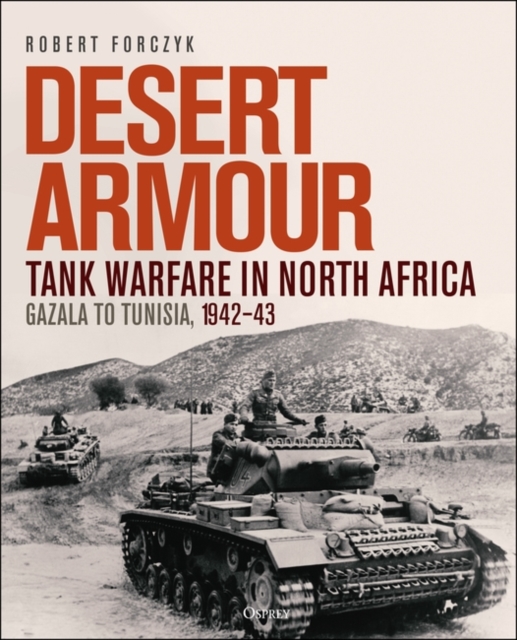
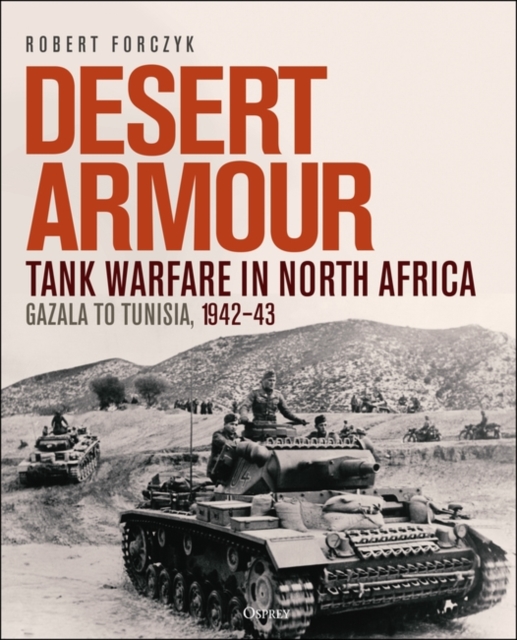
Robert Forczyk covers the development of armoured warfare in North Africa from Rommel's Gazala offensive in 1942 through to the end of war in the desert in Tunisia in 1943.
An detailed illustrated exploration of the Japanese raid into the Indian Ocean in April 1942 one of the largest operations conducted by the Imperial Navy during the war.
An detailed illustrated exploration of the Japanese raid into the Indian Ocean in April 1942 one of the largest operations conducted by the Imperial Navy during the war.
This book on the economics of defence industry assesses a series of historical and contemporary case studies that consistently demonstrate the need for governments to recognise, and thereafter factor, the financial needs of a narrow industrial sector that is capital intensive, technologically advanced and that requires a highly skilled labour force.
Robert Forczyk covers the development of armoured warfare in North Africa from Rommel's Gazala offensive in 1942 through to the end of war in the desert in Tunisia in 1943.
This book on the economics of defence industry assesses a series of historical and contemporary case studies that consistently demonstrate the need for governments to recognise, and thereafter factor, the financial needs of a narrow industrial sector that is capital intensive, technologically advanced and that requires a highly skilled labour force.
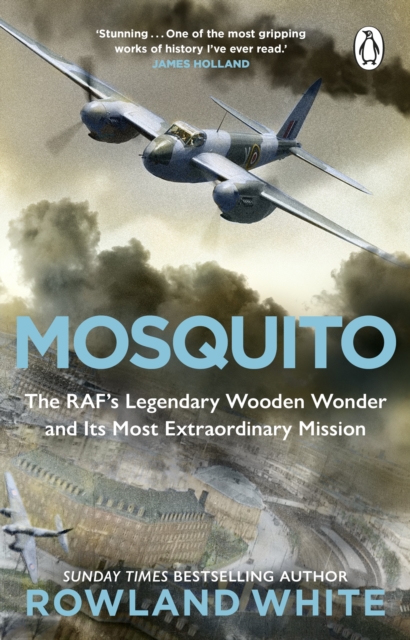
'Captivating' Daily Telegraph'Stunning' James Holland'Superb' Daily Express'Wonderful' John Nichol'Remarkable' RAF News_________________________________Built of lightweight wood, powered by two growling Rolls-Royce Merlin engines, impossibly aerodynamic, headspinningly fast and armed to the teeth, the de Havilland Mosquito was the war-winning wonder that should never have existed: the aircraft the RAF didn't think it wanted then couldn't do without.
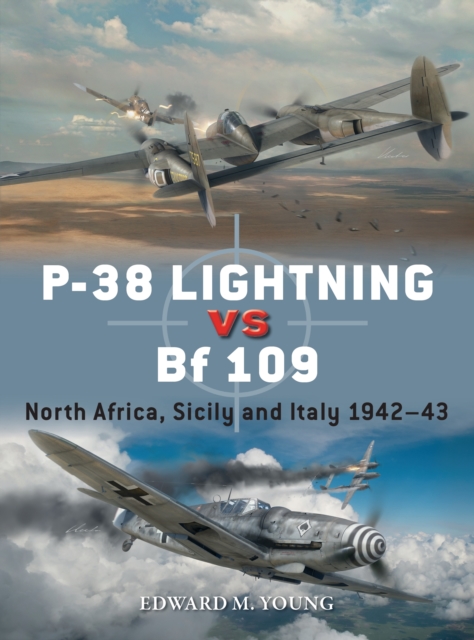
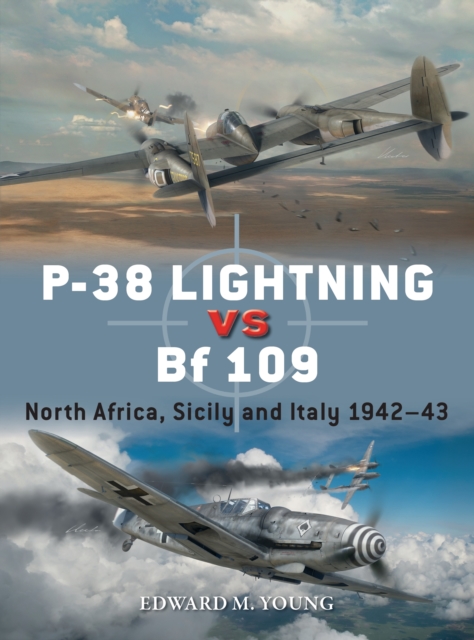
An exciting account of the aerial battles fought by the USAAF's P38 Lightnings and the Jagdflieger's Bf 109Gs for dominance over North Africa and the Mediterranean.
An exciting account of the aerial battles fought by the USAAF's P38 Lightnings and the Jagdflieger's Bf 109Gs for dominance over North Africa and the Mediterranean.
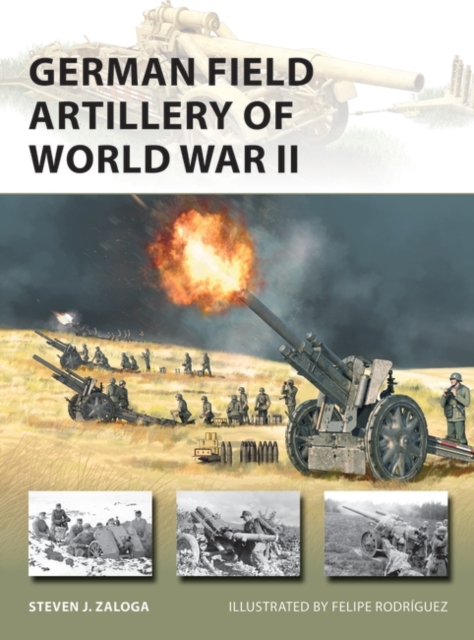
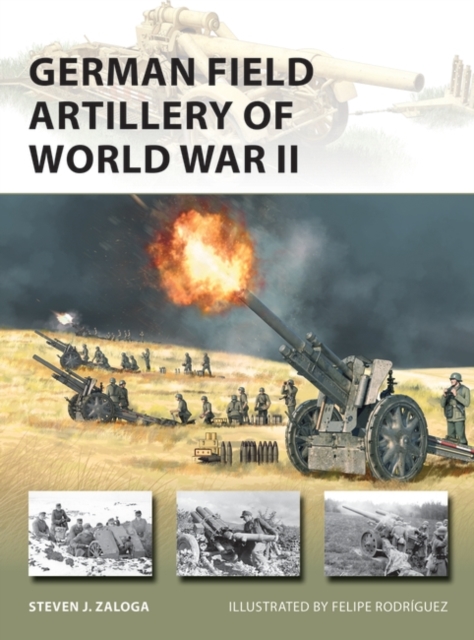
An illustrated study of the big guns of Hitler's army the Wehrmacht's field artillery, its capabilities and its role in German fighting units of World War II.
An illustrated study of the big guns of Hitler's army the Wehrmacht's field artillery, its capabilities and its role in German fighting units of World War II.
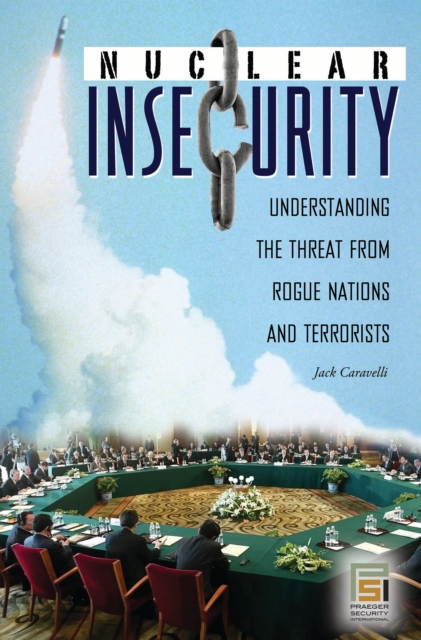
Nuclear Insecurity is an insider's account of official American efforts to prevent the theft or diversion of nuclear and radiological weapons that could be used by rogue nations or terrorist groups.
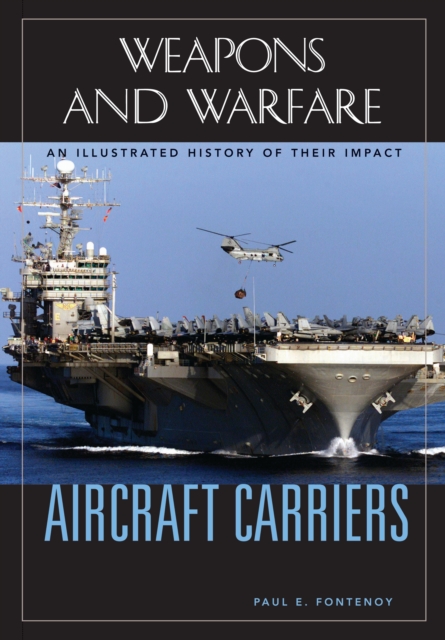
This vivid volume describes the fascinating history of aircraft carriers, first deployed successfully in World War I by the Imperial Russian Navy, and indispensable to the Allied victory in World War II, now the strategic centerpiece of the world's most powerful navies.
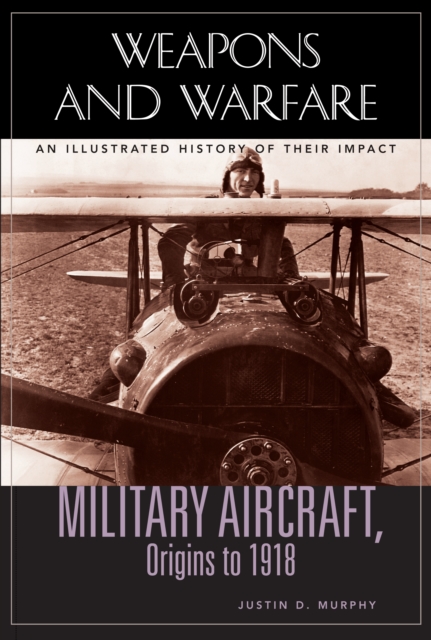
An expert examination of the evolution of military aviation and its profound impact on warfare-from the employment of balloons during the French Revolutionary wars to the use of aircraft in World War I.
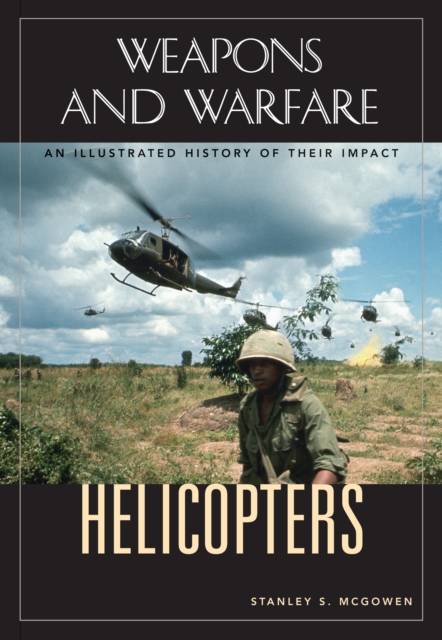
First envisioned by Leonardo da Vinci and first deployed in World War II, the helicopter is now a universal icon of modern warfare, a key component of combat planning around the world, and one of the military's most versatile and effective tools.
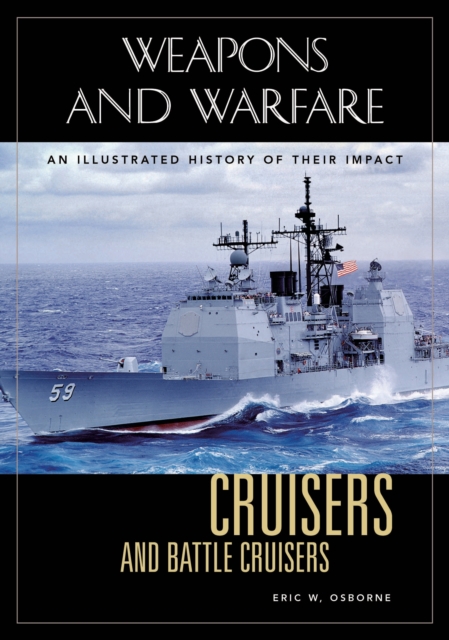
Fast cruisers, the eyes of the fleet, were the standard-bearers of empire, the ultimate warships of gunboat diplomacy-no other vessel class was so well equipped to serve as both a working war machine and a projection of national might.
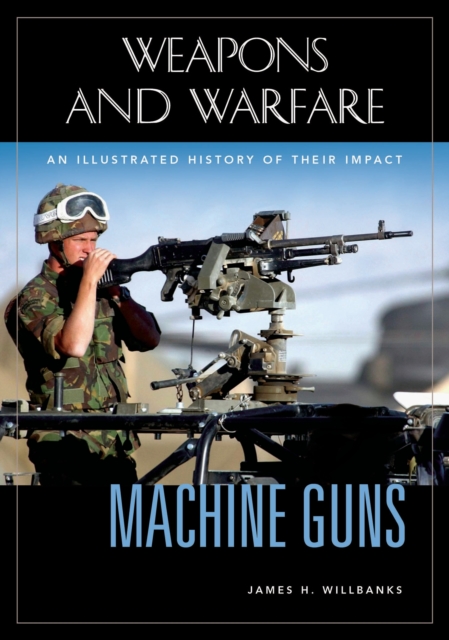
The machine gun-often called the killing machine-revolutionized modern ground combat, brought an end to the traditional infantry and cavalry charge, and changed the battlefields of war forever.
This illuminating book examines and refines the commonplace "e;wisdom"e; about cyber conflict-its effects, character, and implications for national and individual security in the 21st century.
The implementation of disarmament requirements imposed by the Security Council after the Second Gulf War established a strong and unequal power relationship between the United Nations and Iraq.
In an unanticipated flurry of atomic weapons testing-a total of 10 tests over 20 days in 1998-India and Pakistan announced to the world their emergence as full-fledged nuclear powers.
The threat of poison gas, and other related biological warfare agents, holds our society hostage to the possible actions of terrorist groups or rogue states.
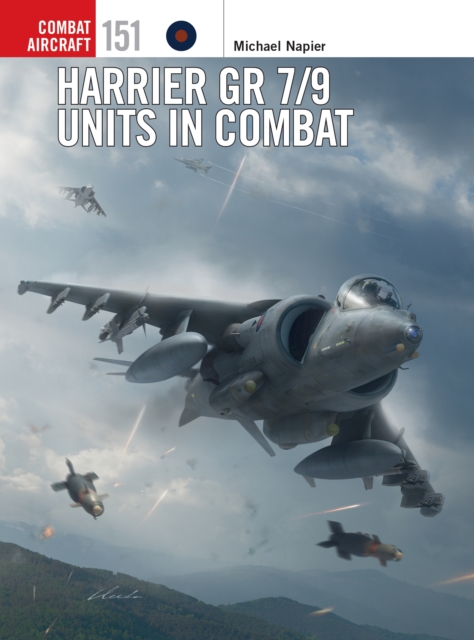
Former RAF Tornado pilot Michael Napier chronicles the action-packed history of the Harrier GR 7/9, and its missions in West Africa, the Balkans, the Middle East and Afghanistan over a 14-year period of ceaseless operations.
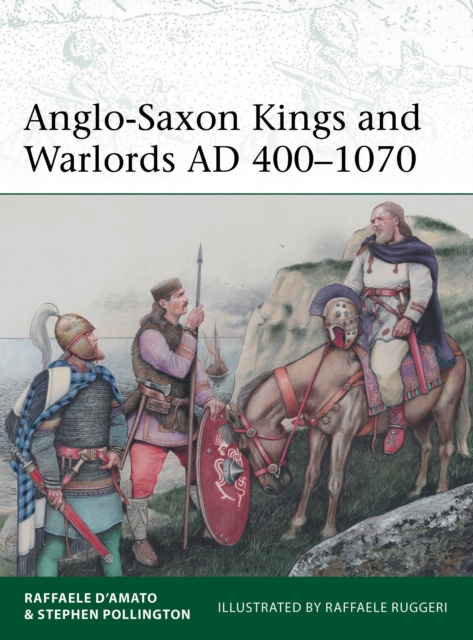
Richly illustrated, this title describes Anglo-Saxon monarchs, warlords and their warriors and households in Anglo-Saxon Britain, from the first post-Roman mercenaries to the Norman Conquest.
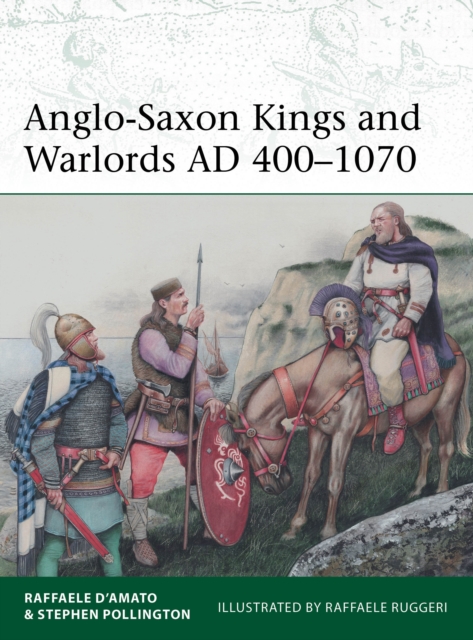
Richly illustrated, this title describes Anglo-Saxon monarchs, warlords and their warriors and households in Anglo-Saxon Britain, from the first post-Roman mercenaries to the Norman Conquest.