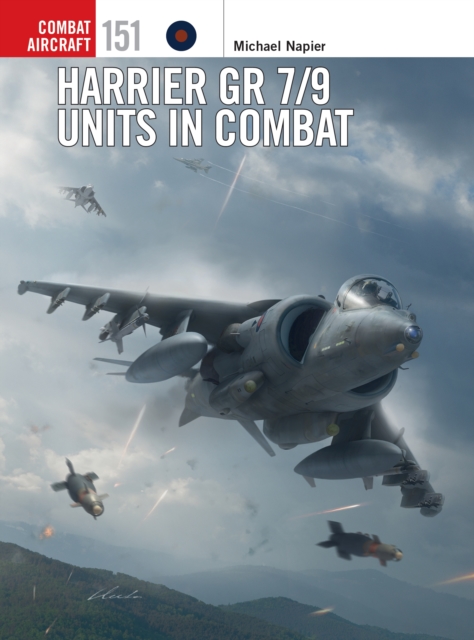
Former RAF Tornado pilot Michael Napier chronicles the action-packed history of the Harrier GR 7/9, and its missions in West Africa, the Balkans, the Middle East and Afghanistan over a 14-year period of ceaseless operations.
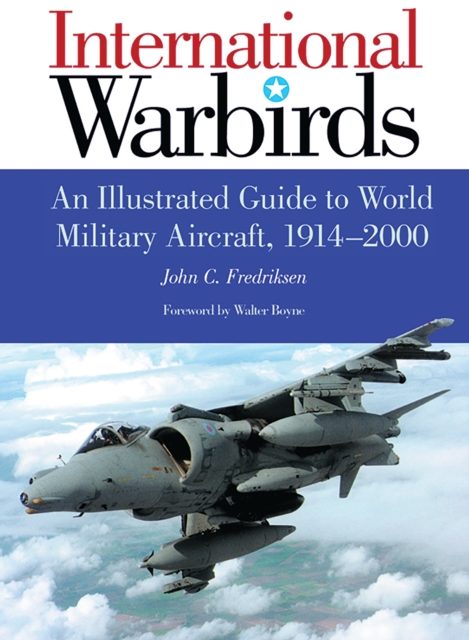
In depth descriptions and photographs of the aircraft of 21 nations presented with a unique human dimension that goes behind the machines to the people involved.
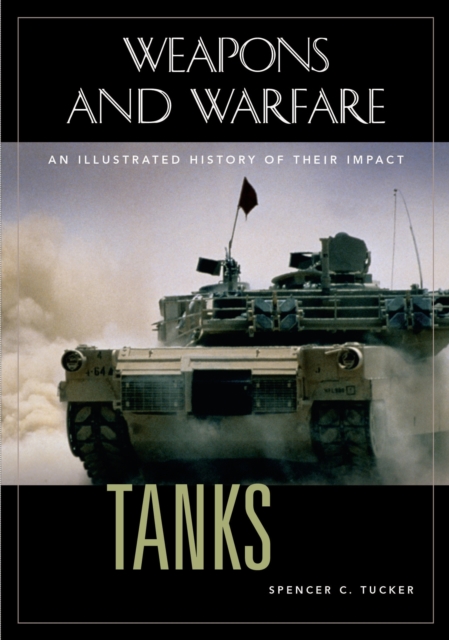
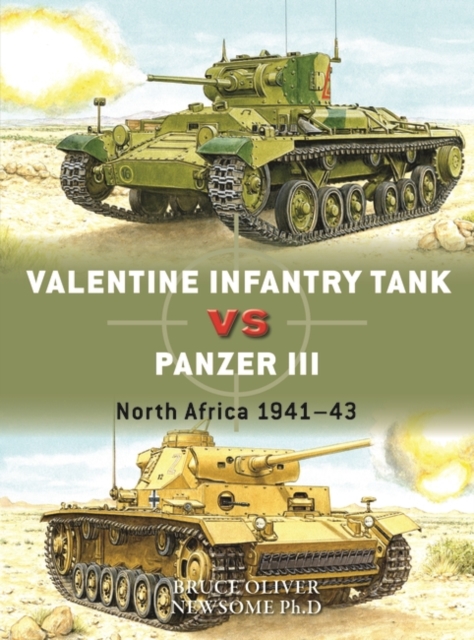
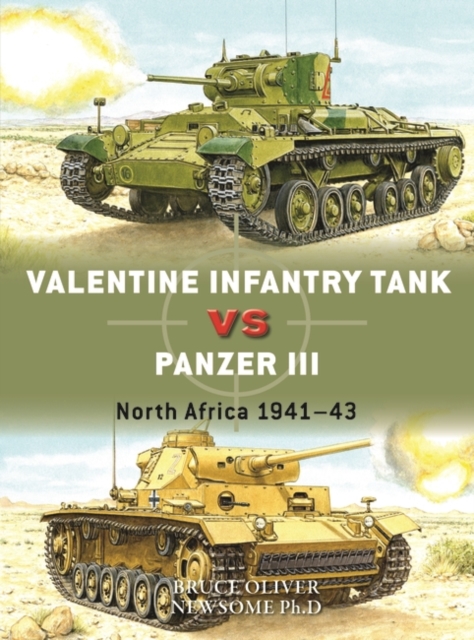
This expert study discusses the development and evolution of the tank and the tactics behind its employment, covering both its capabilities as a weapons system and its strategic use on the battlefield.
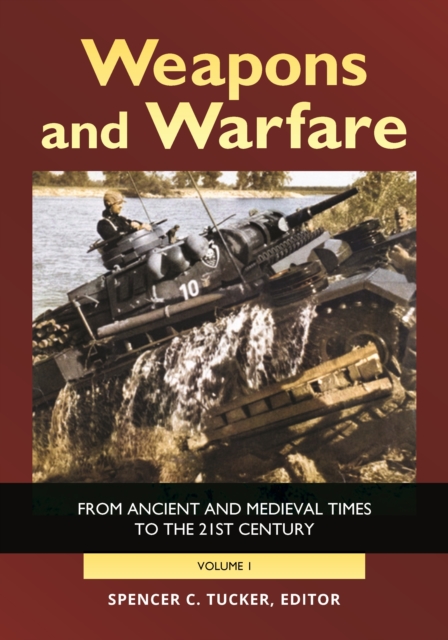
This work covers major weapons throughout human history, beginning with clubs and maces; through crossbows, swords, and gunpowder; up to the hypersonic railgun, lasers, and robotic weapons under development today.
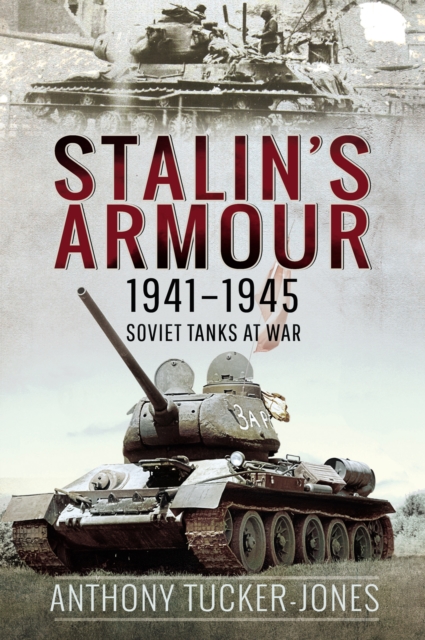
With over 60 photos, this look at the role of Red Army tanks in Hitler's defeat "e;will be of interest to modelers and military historians alike"e; (AMPS Indianapolis).
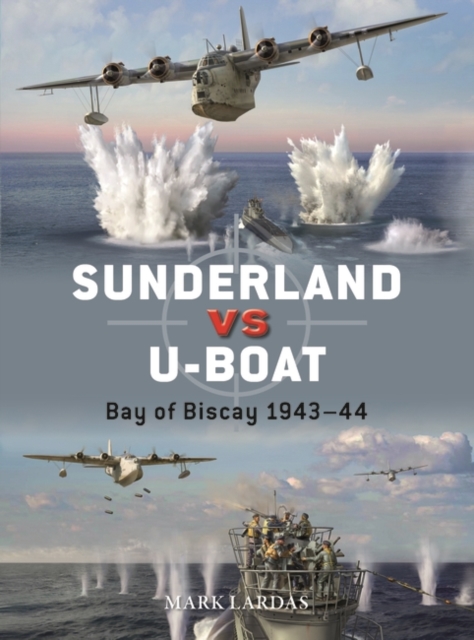
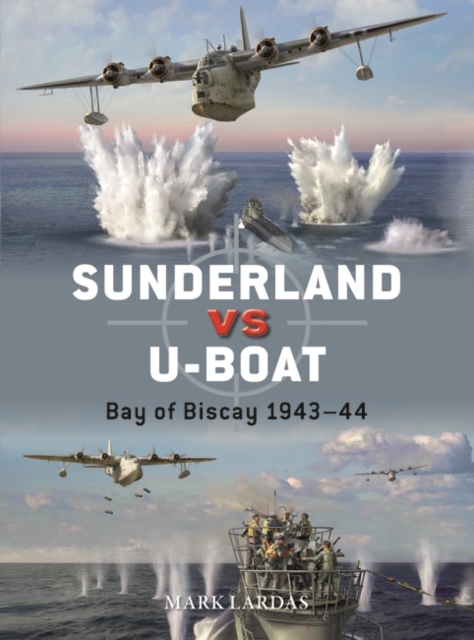
An illustrated examination of the role played by the Sunderland as an antisubmarine aircraft during the Battle of the Atlantic, focusing on the key battles of the Biscay campaign in 1943 44.
An illustrated examination of the role played by the Sunderland as an antisubmarine aircraft during the Battle of the Atlantic, focusing on the key battles of the Biscay campaign in 1943 44.
This book makes an important contribution to police scholarship by focusing on the critical need for law enforcement personnel to receive education on chemical/biological/radiological/nuclear (CBRN) hazards.
From sensor-fuzed munitions and autonomous weapons, to ground moving target indication radar, laser vibrometers and artificial intelligence, the weapons of warfare are undergoing a rapid transformation, with modern technologies reshaping how armies intend to fight in the twenty-first century.
From sensor-fuzed munitions and autonomous weapons, to ground moving target indication radar, laser vibrometers and artificial intelligence, the weapons of warfare are undergoing a rapid transformation, with modern technologies reshaping how armies intend to fight in the twenty-first century.
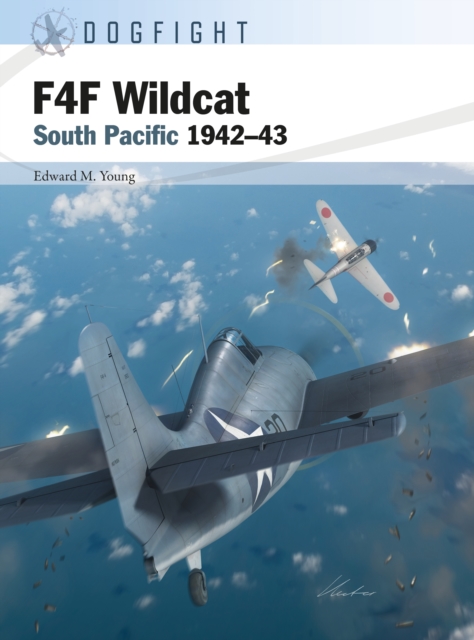
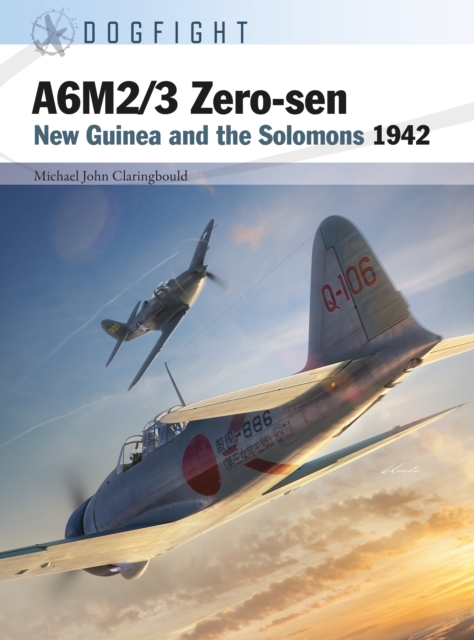
This book examines the role of the Grumman F4F Wildcat, the US Navy's standard carrier fighter at the start of the Pacific War, and its clashes against the Imperial Japanese Naval Air Force's Mitsubishi A6M Zero-sen.
This book examines the role of the Grumman F4F Wildcat, the US Navy's standard carrier fighter at the start of the Pacific War, and its clashes against the Imperial Japanese Naval Air Force's Mitsubishi A6M Zero-sen.
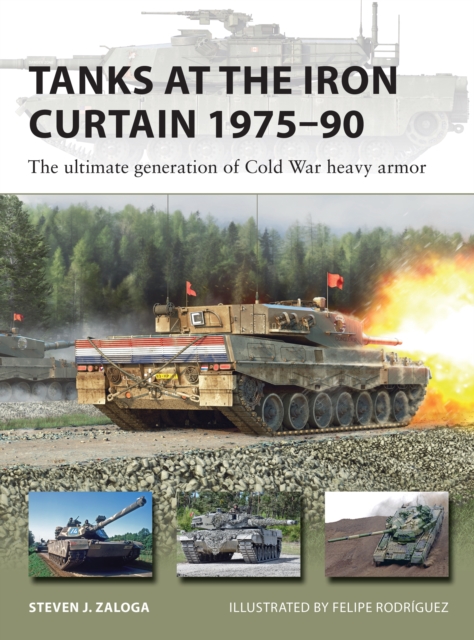
A comprehensive, illustrated account of the new generation of advanced tanks to emerge during the last 15 years of the Cold War, showcasing major improvements in armor protection, gunsights, and fire-control systems.
A comprehensive, illustrated account of the new generation of advanced tanks to emerge during the last 15 years of the Cold War, showcasing major improvements in armor protection, gunsights, and fire-control systems.
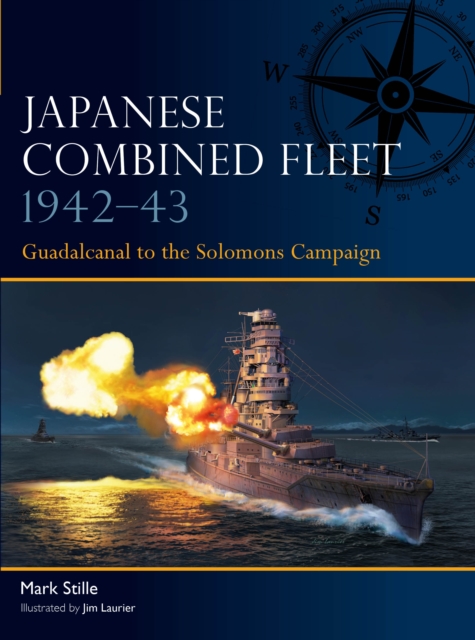
A superbly illustrated account of the Japanese Navy during the fierce battles of Guadalcanal and the Solomons, explaining how and why it fought as it did.
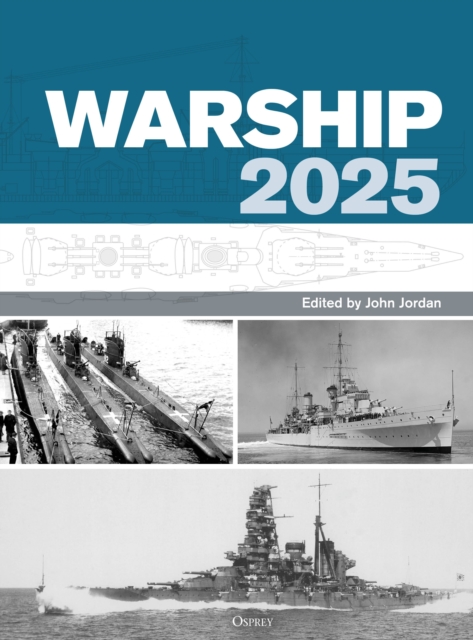
The 2025 edition of Warship, the celebrated annual publication featuring original research on the history, development, and service of the world's warships.
Part of the new Ladybird Expert series, Nuclear Deterrence is an accessible and authoritative introduction to the deterrent tactics employed to prevent war, drawing on the unprecedented power of nuclear weapons.
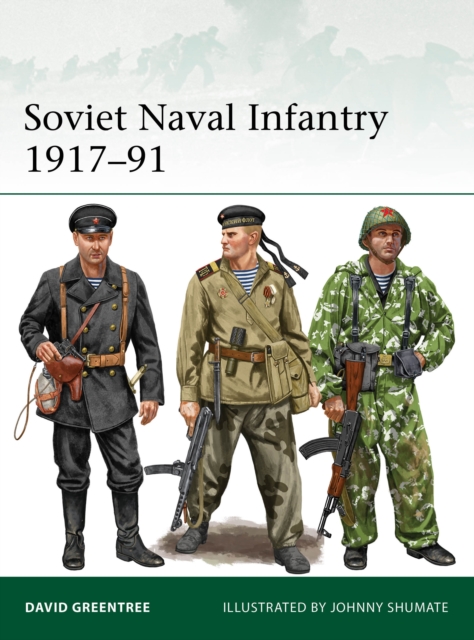
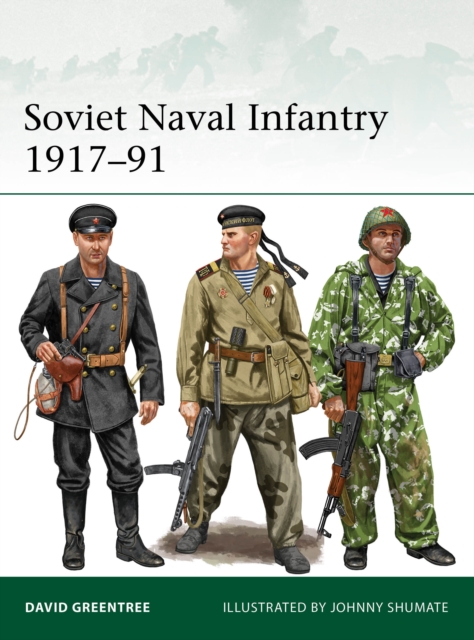
Drawing upon Soviet sources, this book assesses the evolving organization, uniforms, insignia, weaponry and personal equipment of Soviet naval infantry units from 1917 to 1991.
Drawing upon Soviet sources, this book assesses the evolving organization, uniforms, insignia, weaponry and personal equipment of Soviet naval infantry units from 1917 to 1991.
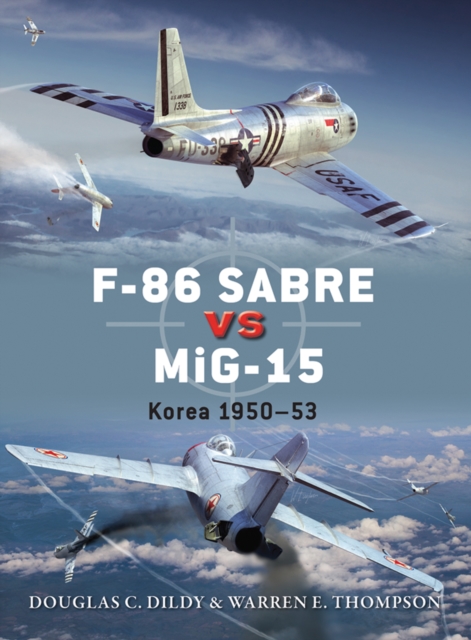
A fully objective, balanced description and appraisal of the air battles over the hotly-contested airspace above the North Korea-China border, with enlightening discussion of the relative merits of each type.
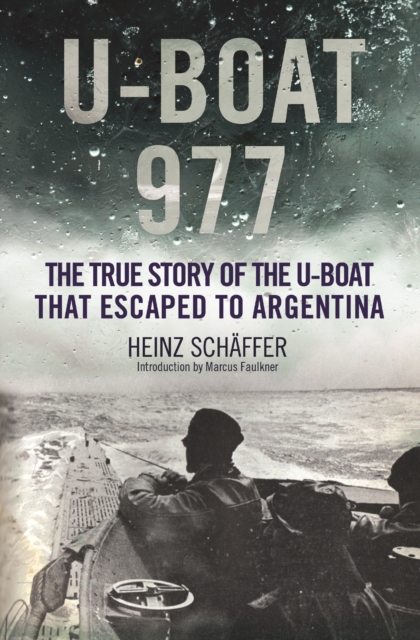
When it was first published in 1953, opinions were sharply divided between those who deplored the apparent extolling of a vicious form of warfare, and this who found in Heinz Schaeffer’s account a revealing picture of the German Navy’s training and methods.