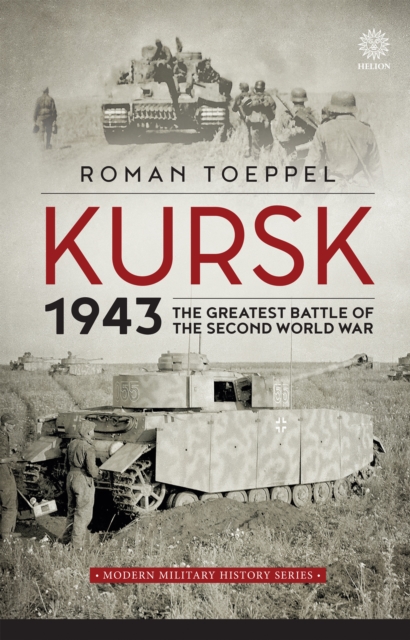
The Battle of Kursk in the summer of 1943 was one of the greatest battles in military history involving more than 3 million soldiers, 10,000 tanks and 8,000 aircraft.
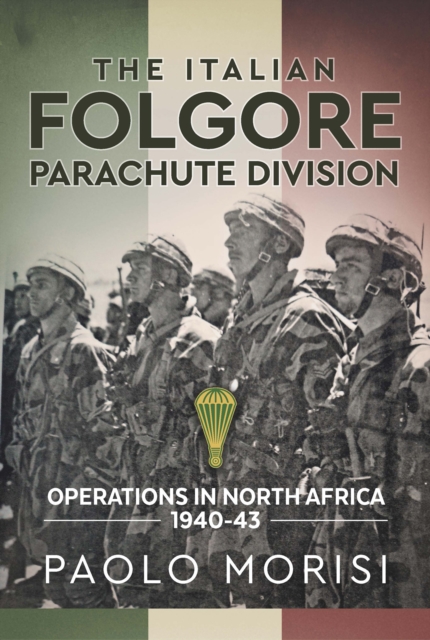
The North African campaign was one of the hardest fought episodes of the Second World War, yet the vital part played by the Italian Army - and in particular, its Folgore Parachute Division on behalf of the Axis Alliance - is frequently overlooked.
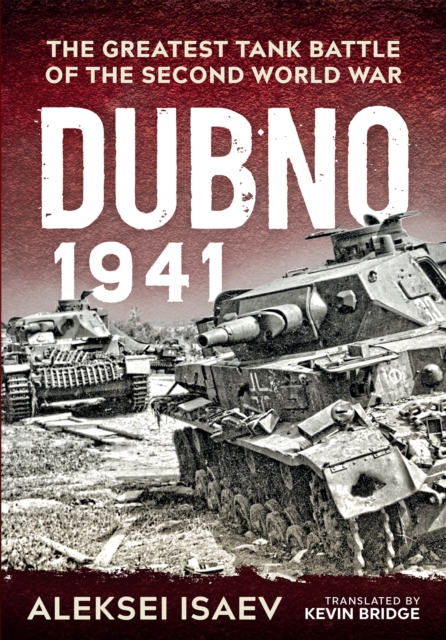
In June 1941 - during the first week of the Nazi invasion in the Soviet Union - the quiet cornfields and towns of Western Ukraine were awakened by the clanking of steel and thunder of explosions; this was the greatest tank battle of the Second World War.
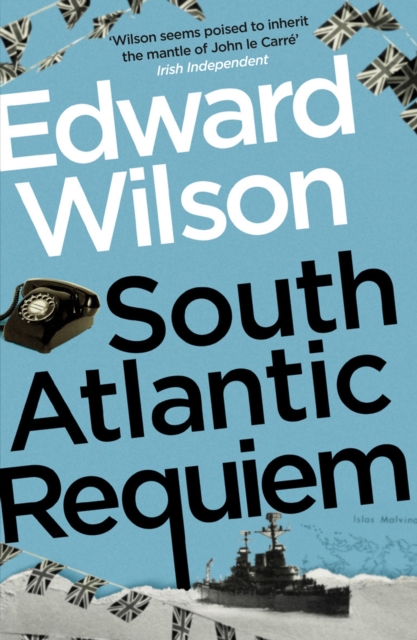
A brilliant, eye-opening espionage thriller by a former special forces officer 'now at the forefront of spy writing'The thinking person's John le Carr ' Tribune 'Edward Wilson seems poised to inherit the mantle of John le Carr ' Irish Independent'More George Smiley than James Bond, Catesby will delight those readers looking for less blood and more intelligence in their spy thrillers' Publishers WeeklyIt is 1982 and the British prime minister and the Argentine president are both clinging to power.
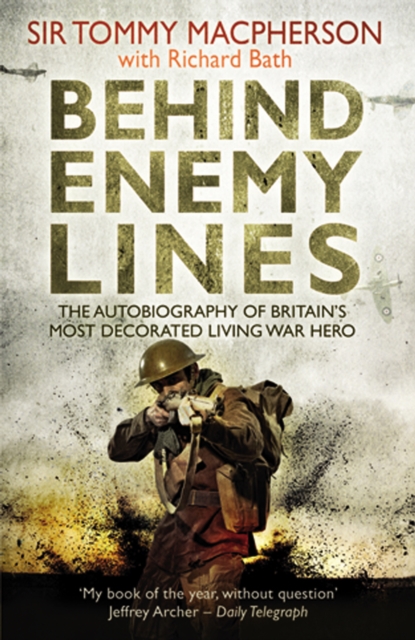
With three Military Crosses, three Croix de guerre, a L gion d'honneur and a papal knighthood for his heroics during the Second World War, Sir Tommy Macpherson is the most decorated living soldier of the British Army.
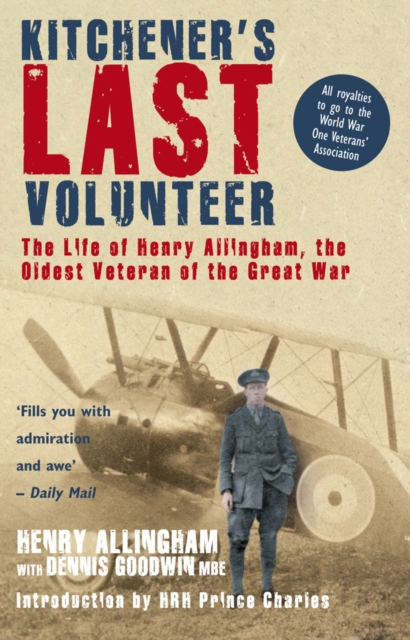
Henry Allingham is the last British serviceman alive to have volunteered for active duty in the First World War and is one of very few people who can directly recall the horror of that conflict.
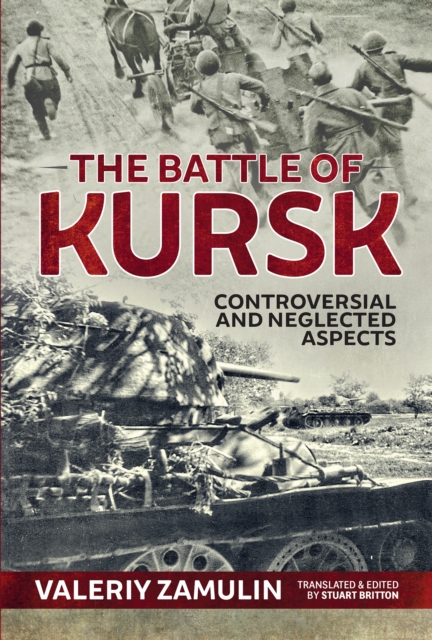
In this book, noted historian of the Battle of Kursk Valeriy Zamulin, the author of multiple Russian-language books on the Battle of Kursk and Destroying the Myth: The Tank Battle at Prokhorovka, Kursk, July 1943: An Operational Narrative takes a fresh look at several controversial and neglected topics regarding the battle and its run-up.
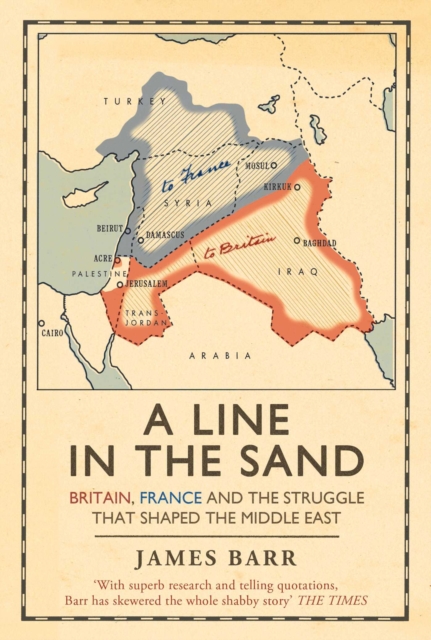
';The very grubby coalface of foreign policy I found the entire book most horribly addictive' Independent ';One of the unexpected responses to reading this masterful study is amazement at the efforts the British and French each put into undermining the other' Spectator A fascinating insight into the untold story of how British-French rivalry drew the battle-lines of the modern Middle East.
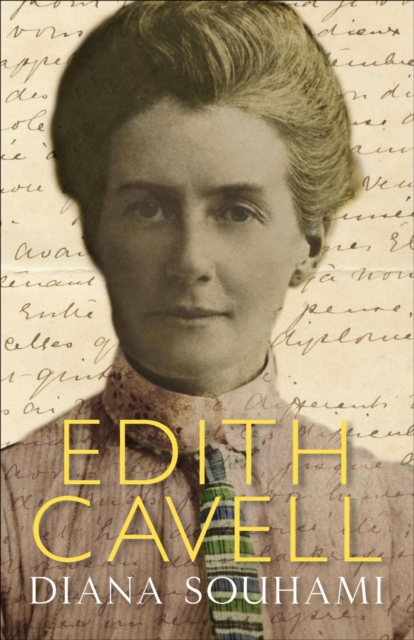
Edith Cavell was born in 1865, daughter of a Norfolk vicar, and shot in Brussels on 12 October 1915 by the Germans for sheltering British and French soldiers and helping them escape over the Belgian border.
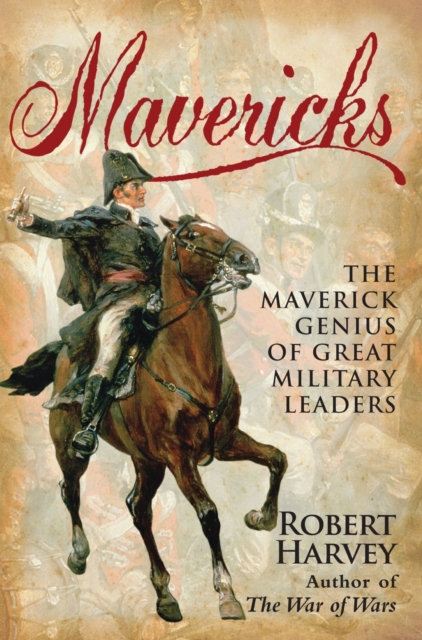
In an age of backroom generals who command from far behind troop lines, it is often forgotten that wars have been won or lost by the personality and leadership of a maverick commander.
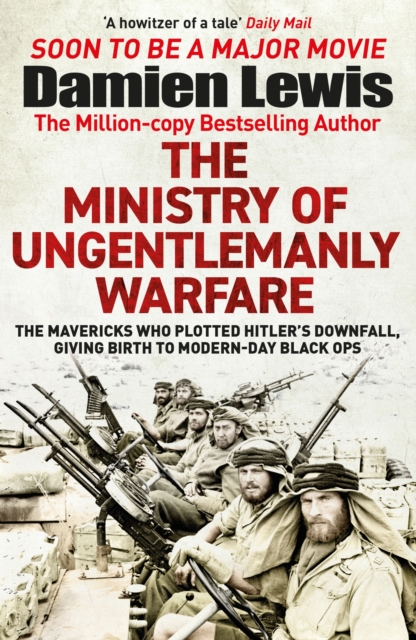
One of the most remarkable stories in the history of Special Forces' operations - Daily ExpressIn the bleak moments after defeat on mainland Europe in winter 1939, wartime leader Winston Churchill knew that Britain had to strike back hard.
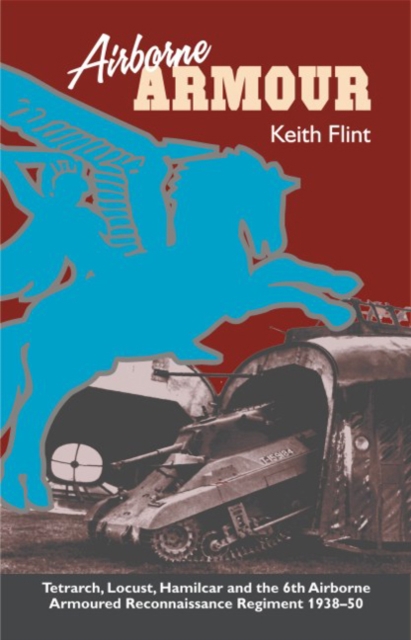
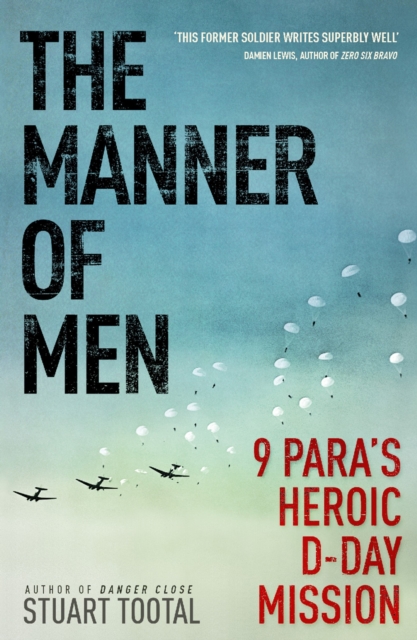
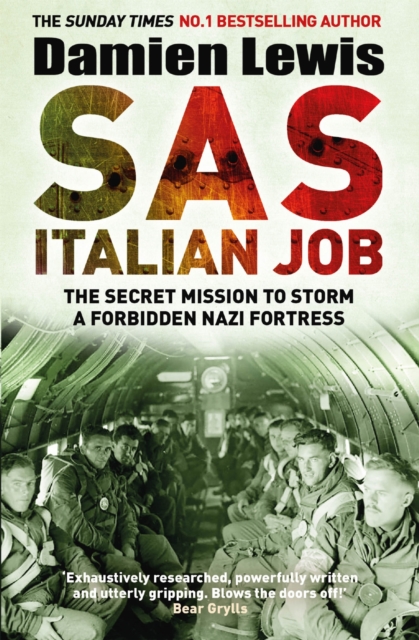
In June 1944, an elite unit of British paratroopers was sent on a daring and highly risky behind-the-lines mission, which was deemed vital to the success of D-Day.
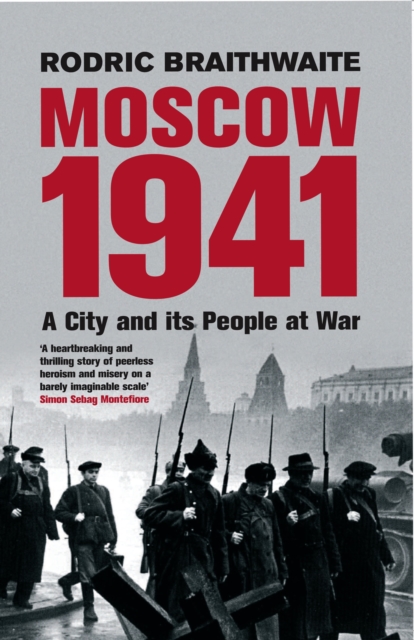
At the moment of crisis in 1941 on the Eastern front, with the forces of Hitler massing on the outskirts of Moscow, the miraculous occurred: Moscow was saved.
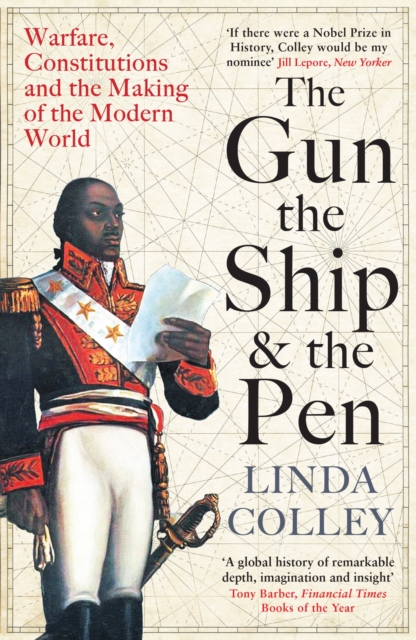
'If there were a Nobel Prize in History, Colley would be my nominee' Jill Lepore, New Yorker'One of the most exciting historians of her generation, but also one of the most interesting writers of non-fiction around' - William Dalrymple, Guardian'Colley takes you on intellectual journeys you wouldn't think to take on your own, and when you arrive you wonder that you never did it before' - David Aaronovitch, the Times'A global history of remarkable depth, imagination and insight' Tony Barber, Financial Times Summer BooksStarting not with the United States, but with the Corsican constitution of 1755, The Gun, the Ship, and the Pen moves through every continent, disrupting accepted narratives.
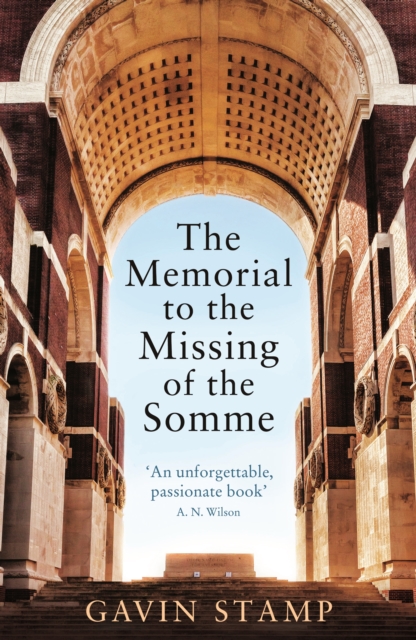
Edwin Lutyens' Memorial to the Missing of the Somme at Thiepval in Northern France, visited annually by tens of thousands of tourists, is arguably the finest structure erected by any British architect in the twentieth century.
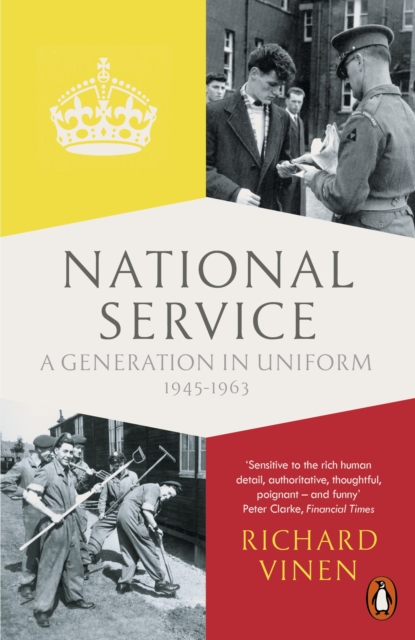
SUNDAY TIMES BOOKS OF THE YEAR and FINANCIAL TIMES BOOKS OF THE YEAR 2014WINNER OF THE TEMPLER MEDAL AND THE WOLFSON HISTORY PRIZE Sunday Times Top 10 BestsellerRichard Vinen's new book is a serious - if often very entertaining - attempt to get to grips with the reality of National Service, an extraordinary institution which now seems as remote as the British Empire itself.
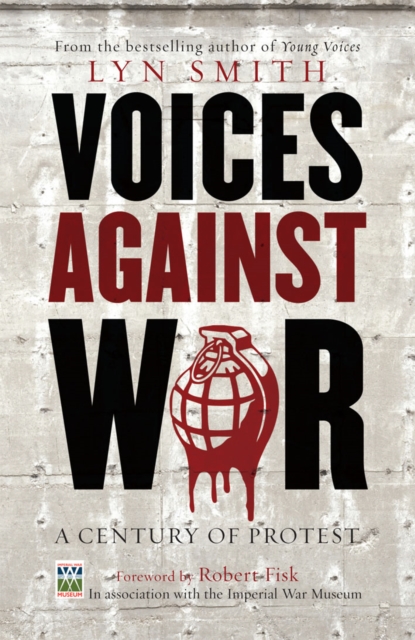
Based on nearly 200 personal testimonies from the Imperial War Museum's Collections, this landmark book tells the stories of those of those who participated in anti-war protest from the First World War 1914-18 to the ongoing conflicts in Iraq and Afghanistan.
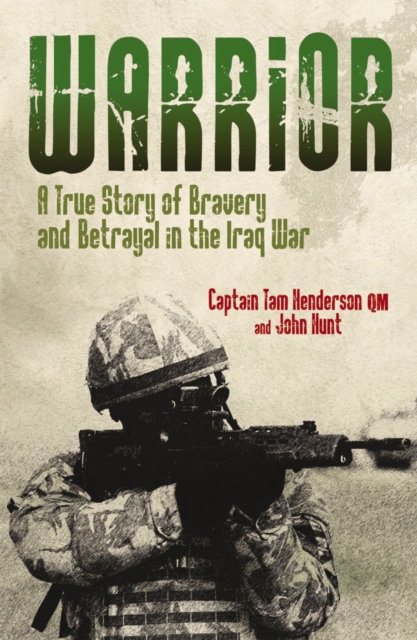
Warrior is the powerful true story of a British soldier's heroism during the Iraq War that reveals how he was ruthlessly sacrificed by the Establishment.
A History of the First World War in 100 Objects narrates the causes, progress and outcome of the First World War by telling the stories behind 100 items of material evidence of that cataclysmic and shattering conflict.
"e;The best book I've read this year"e; Rachael, Goodreads reviewer "e;Fantastic"e; Rachel, Goodreads reviewer "e;Funny, insightful, heart-breaking"e; NetGalley reviewer "e;A magnificent book"e; Jo, Goodreads reviewer Step inside one of Britain's most renowned prisons.
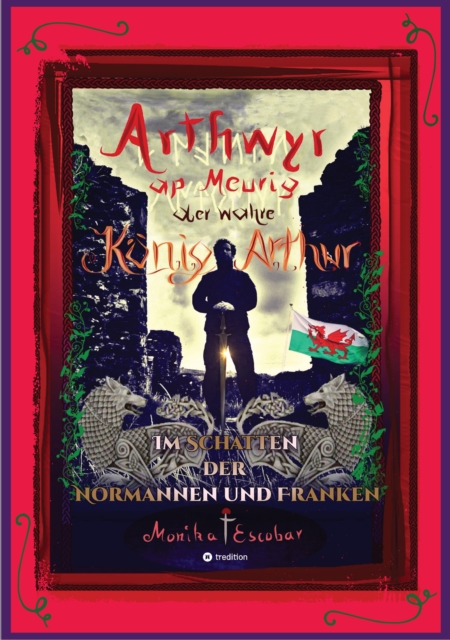
Arthwyr ap Meurig, der wahre König Arthur, im Schatten der Normannen & Franken, ist meine deutsche Übersetzung der historischen Bücher von Wilson & Blackett.
Twenty-five years on from the heinous events, Andrew Wallis uncovers the life and crimes of the perpetrators of the 1994 Rwandan Genocide against the Tutsi.
Combining essential information, professional insights, and lived experiences, this book offers a unique overview of the use of music therapy with active-duty service members, veterans, and other military-connected populations in the United States.