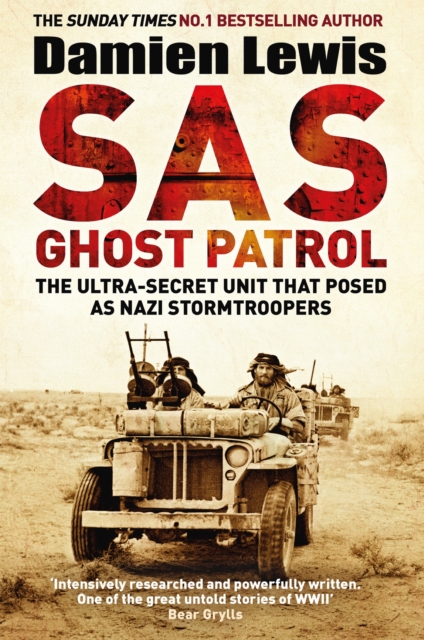
Meet the unit that posed as Nazi stormtroopers in the most daring mission ever undertaken SAS Ghost Patrol is the explosive true story of the day in 1942 when the SAS donned Nazi uniforms to perpetrate the most audacious and daring mission of the war.
A small town struggling with how to remain vital and vibrant in the 21st century, took on another problem altogether: the difficulty of homecoming for Iraq, Afghanistan and other war veterans.
'This book speaks to two of the most diametrically opposed yet mutually supportive aspects of war: the ability to inflict horrific injury and the ability to heal Mayhew is to be commended on an outstanding addition to expanding our knowledge of an area rarely discussed by historians.
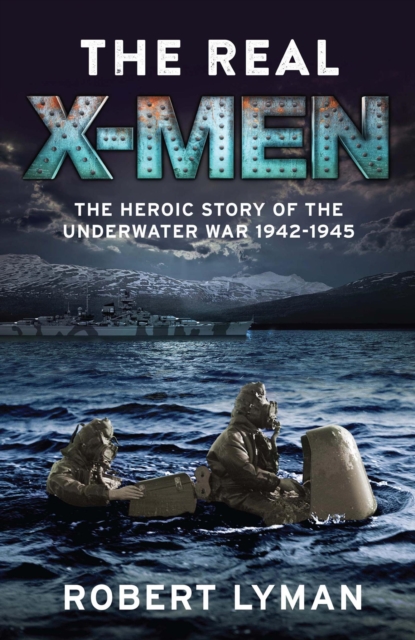
The thrilling and true story of the development and operational deployment of human torpedoes - 'Chariots' - and 'X-craft' midget submarines in British naval service during WWII, and of the extraordinary men who crewed these dangerous vessels.
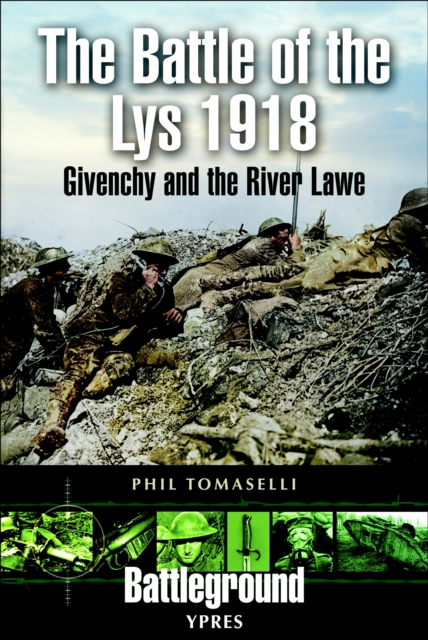
The battles fought at Estaires and Givenchy, just south of Ypres, in April 1918 were critical episodes in the larger Battle of Lys which determined the outcome of the ultimate German offensive on the Western Front.
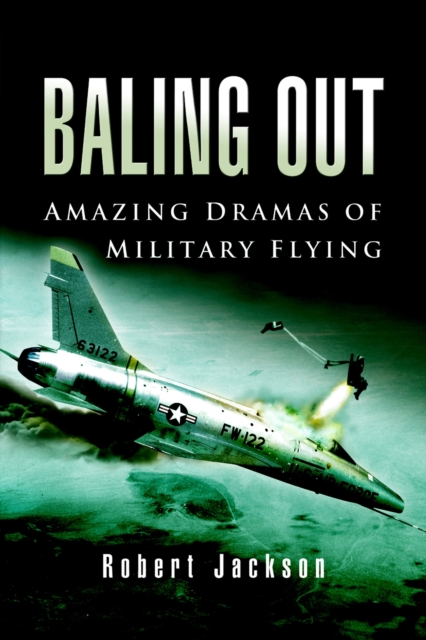
The story of the supersonic fighter with "e;interesting insight into the period of the 1950s and early 1960s, the Cold War and of course the war in Vietnam"e; (Military Modelling).
Concentrating on the Ploegsteert and Neuve Eglise sectors in Belgium, this book features stories on such well known figures as sculptor Charles Sargent Jagger, ARA ; R Poulton Palmer and 'Tanky' Turner, great friends and rugby football captains of England and Scotland respectively; as well the discovery and eventual burial of a Lancashire Fuslier who was killed in action in 1914; the research leading to the erection in 2002 of a 'Believed to be buried' headstone in the Strand cemetery of an Australian killed in action at Messines in 1917; the action in 1914 that initiated the birth of the infamous 'Birdcage' on the western edge of Ploegsteert Wood and other stories of interest to enthusiasts of the Great War.
This is the story of one of the RAF's oldest and most distinguished heavy bomber squadrons in WW2, although an outline history of the unit since it was formed in WW1 and its post-war history are included.
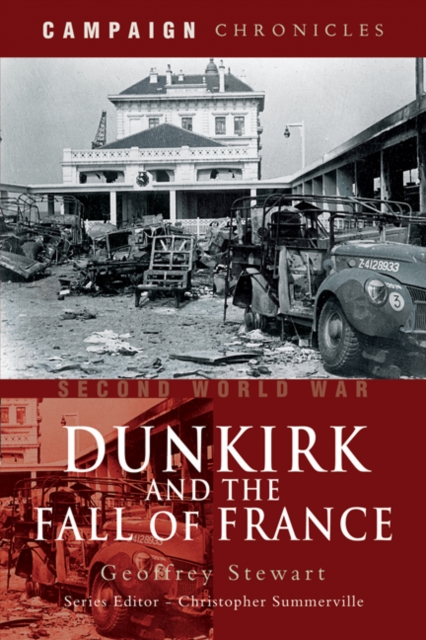
For sixty years the dramatic story of the Dunkirk evacuation and the defeat of France-the story of the German conquest of northwest Europe-has been the focus of historical study and dispute, yet myths and misconceptions about this extraordinary event persist.
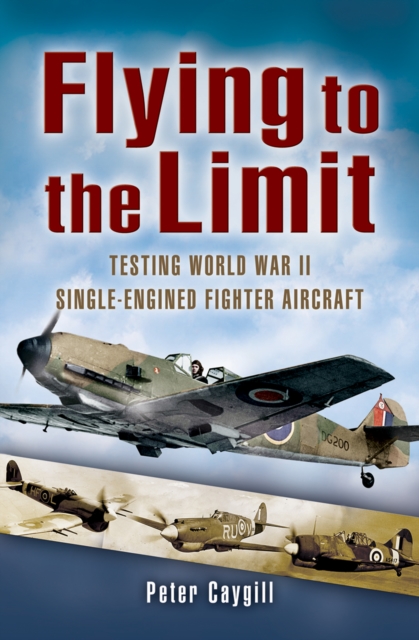
The author of Javelin from the Cockpit looks at some of the more notable British, German, and American fighters through performance and handling trials.
A first-hand account from a British POW, "e;not so much about the building of the Burma-Siam railway as it is about the existence of the men who built it"e; (BiblioBuffet.
A first-hand account from a British POW, "e;not so much about the building of the Burma-Siam railway as it is about the existence of the men who built it"e; (BiblioBuffet.
"e;A very valuable piece of work, providing a splendid overview"e; of the weapons, armor, shields and chariots used in warfare from 3000 BC to 1200 BC (HistoryOfWar.
In The Beekeeper of Sinjar, the acclaimed poet and journalist Dunya Mikhail tells the harrowing stories of women from across Iraq who have managed to escape the clutches of ISIS.