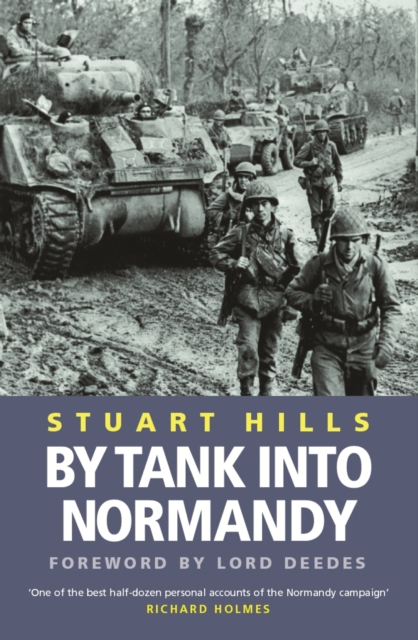
On the night of 28 March 1942 the Royal Navy and British commandos assaulted the German-held French Atlantic port of Saint-Nazaire in one of the most audacious raids of the Second World War.
1914 dawned with Britain at peace, albeit troubled by faultlines within and threats without: Ireland trembled on the brink of civil war; suffragette agitation was assuming an ever more violent hue; and suspicions of Germany's ambitions bred a paranoia that was expressed in a rash of 'invasion scare' literature.
Human history - from the empires of the ancient world to the superpowers of the 21st century - has been inextricably shaped by conflict and the weapons that have been used to wage it.
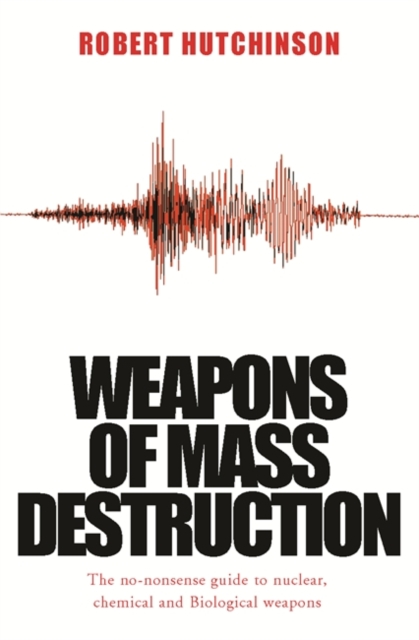
In an age where anthrax can be produced in a garage and multilateral agreements among nations seem ever harder to reach, the threat of biowarfare could rapidly spiral out of control.
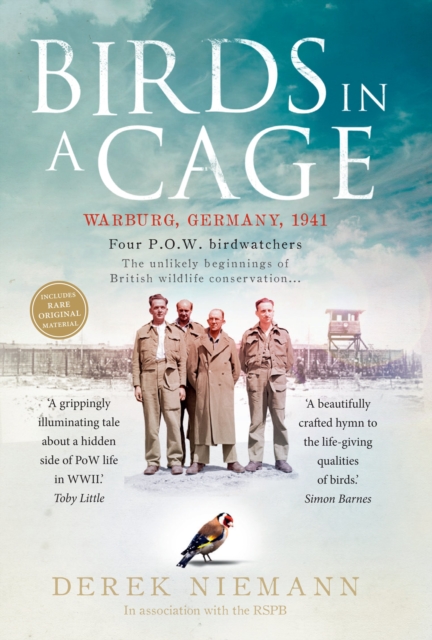
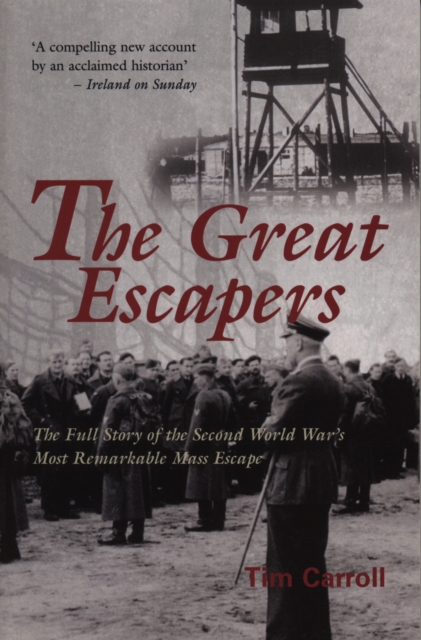
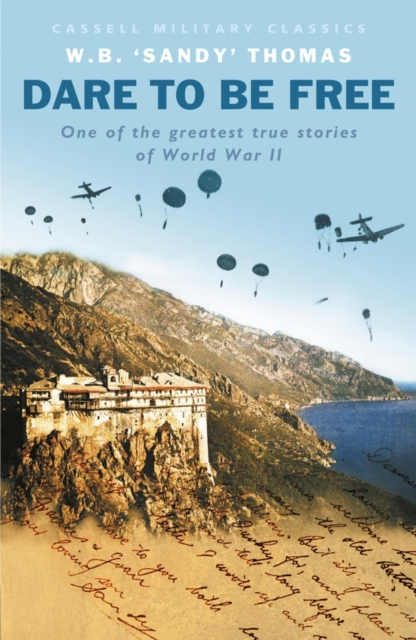
At Warburg, Germany, in 1941, four British PoWs find an unexpected means of escape from the horrors of internment when they form a birdwatching society, and embark on an obsessive quest behind barbed wire.
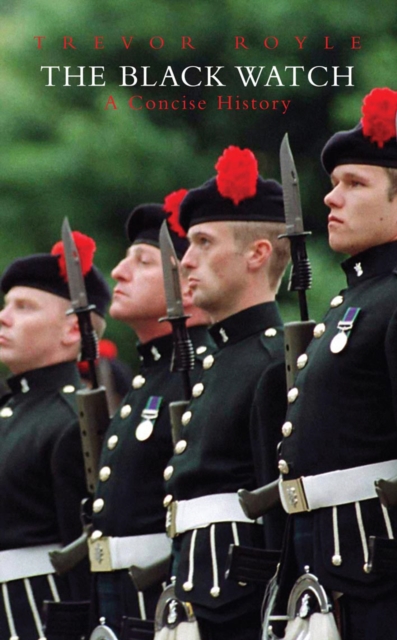
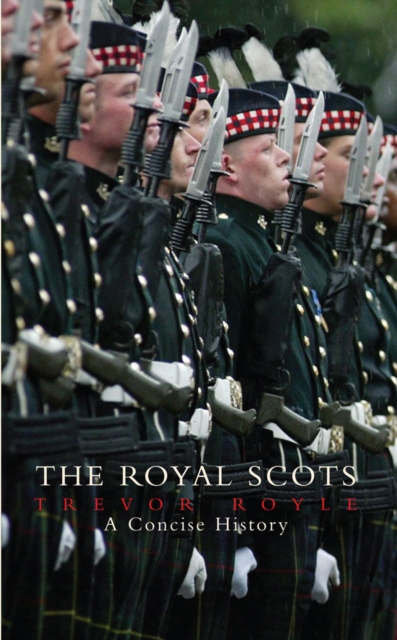
The Black Watch was formed at Aberfeldy in Perthshire in the early eighteenth century as an independent security force, or 'watch', to guard the approaches to the lawless areas of the Scottish Highlands.
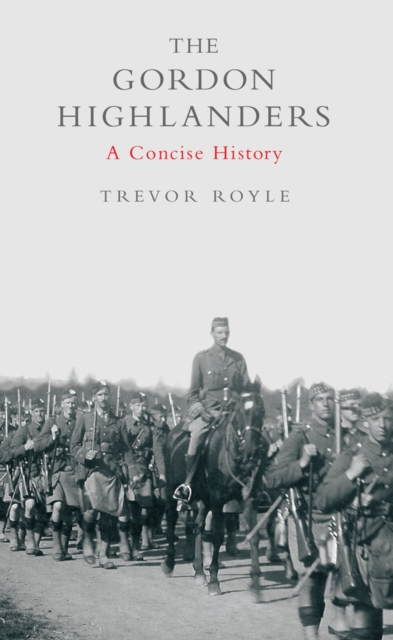
The Gordons recruited from the north-east of Scotland and the regiment's character was moulded by men from the farming counties of Aberdeenshire, Moray and Nairn.
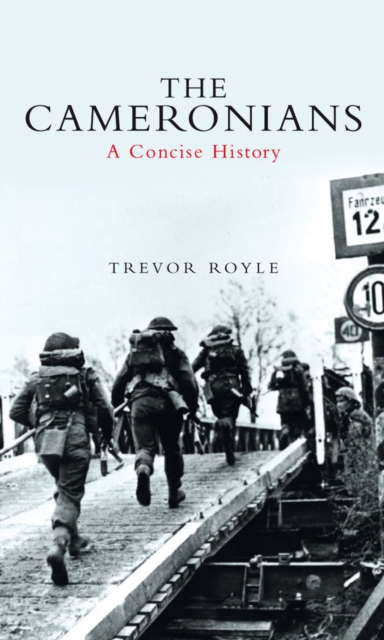
In May 1968, as part of cutbacks to the British Army, The Cameronians (Scottish Rifles) was disbanded at a moving ceremony held at the same spot in Douglas in Lanarkshire at which it had been raised in 1689.
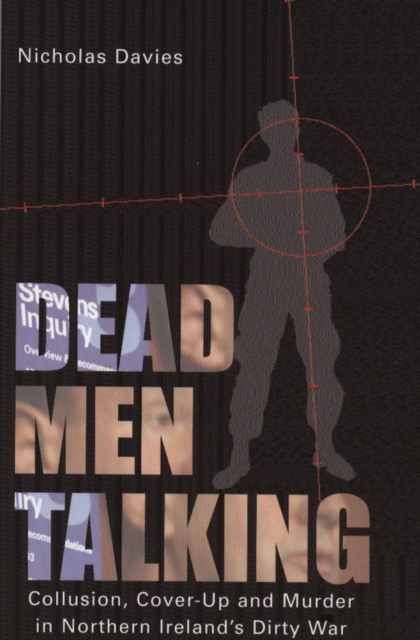
Following the revelations of the secret conspiracy between British Military Intelligence and the gunmen of the Ulster Defence Association in Ten-Thirty-Three, Nicholas Davies now dramatically reveals the evidence and facts that the Sir John Stevens Inquiry is still trying to establish regarding links between the security services and loyalist terrorist groups.
Of all the extraordinary individual accounts that have come out of the Second World War and its aftermath, few can compare with that of Eric Pleasants, a member of the 'bastard' British wing of Hitler's SS - the British Free Corps.
Here are thirty true and graphic accounts of the most heroic SAS and special-forces missions ever undertaken into the most dangerous place of all - behind enemy lines.
The most comprehensive and up-to-date guide to American and British special forces, covering all aspects of their equipment, training and deployment in the Iraq age of warfare.
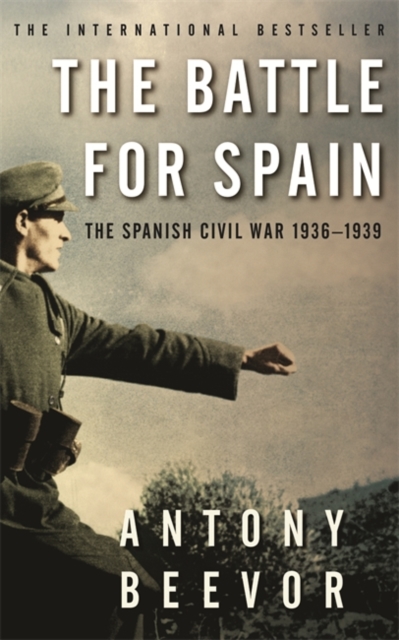
The bestselling author of STALINGRAD and BERLIN: THE DOWNFALL on the Spanish Civil War, drawing on masses of newly discovered material from the Spanish, Russian and German archives.
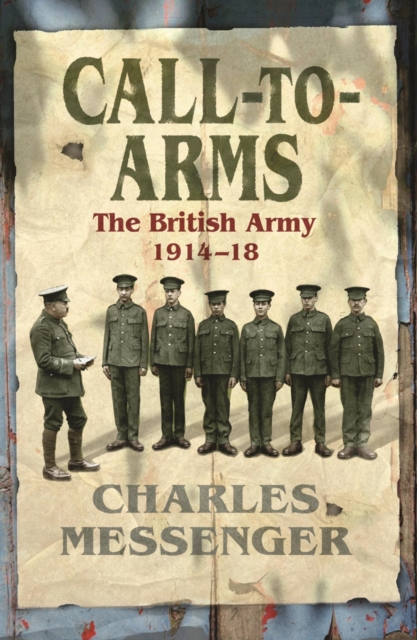
This is a comprehensive account of how the British Army coped with and adapted to the enormous challenges and pressures of the First World War -- the first major continental war that the army had had to fight for almost a hundred years.
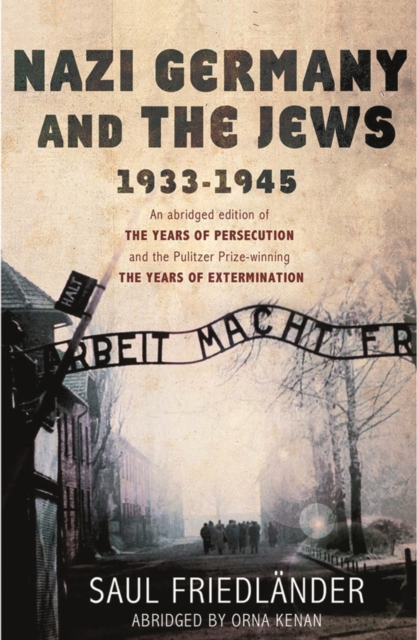
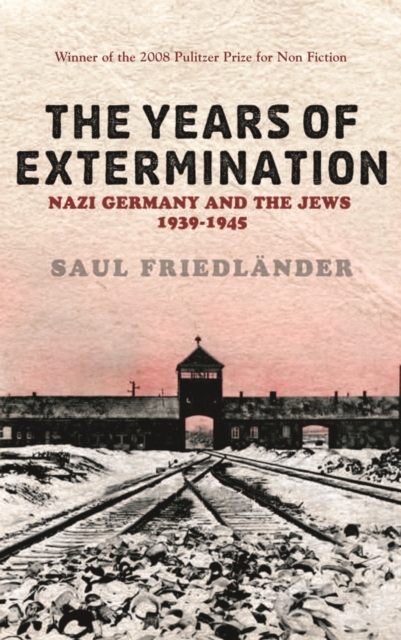
The second and concluding volume of the definitive two-volume account of the HolocaustWith THE YEARS OF EXTERMINATION, Friedlander completes his work on Nazi Germany and the Jews.
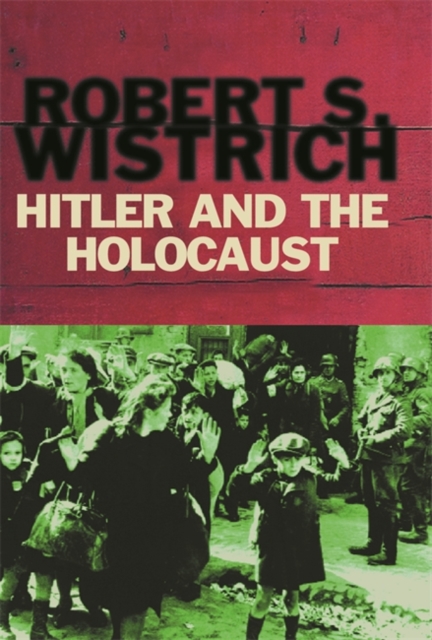
A superb short historical analysis of the Holocaust, by one of the world's leading authorities on the subjectRobert Wistrich begins by exploring the origins of anti-Semitism in Europe, and especially in Germany, to try to explain how millions of Jews came to be killed systematically by the Third Reich.
The story of the decimation of the Royal Flying Corps over Arras in 1917As the Allies embarked upon the Battle of Arras, they desperately needed accurate aerial reconnaissance photographs.
This is naval action adventure with a difference - thirteen naval engagements in which gunboats won the day against every kind of enemy, large and smallBritain, like other colonial powers, established, controlled and accessed her empire from the seas.