En este nuevo libro, Martha Alles nos propone una vision general de la amplia tematica de gestion de las personas a partir del tratamiento de 25 cuestiones o temas criticos seleccionados de una manera particular: fueron elegidos 25 temas que son reiterado motivo de consulta por parte de empresarios, directores de empresas y responsables de Recursos Humanos.
Conectar Igualdad distribuye netbooks entre los alumnos y docentes de las escuelas publicas de nivel secundario y de educacion especial y de los institutos de formacion docente de gestion estatal de todo el pais.
Direccion estrategica de Recursos Humanos agrega a partir de ahora, a su larga trayectoria, una version remozada y siempre orientada a brindar a especialistas, profesores, alumnos, profesionales y directivos de organizaciones, elementos y conceptos que los ayuden a desenvolverse con exito en este campo del conocimiento que ha probado ser esencial para encarar los tiempos por venir.
Las dos dimensiones de nuestra vida, el desarrollo laboral y profesional por un lado y por el otro la plena realizacion de las necesidades y deseos personales de nuestra existencia, han entrado en colision en los ultimos tiempos.
Actualmente, cuando hablamos de "capacitación", nos referimos a procesos institucionales que, con algún grado de estructuración y a través de decisiones conscientes, responden al hecho de que una organización asume la tarea de producir en su agente los aprendizajes que necesita.
La obra, en su conjunto, presentará al lector una amplia gama de acciones a realizar para que la gestión de un área de Recursos Humanos alcance una valoración positiva alta, producto de la eficacia y de la calidad de la tarea realizada.
Pasión por hacer es un libro fuera de lo común y "apto para todo público", como dice su autora, que cuenta su experiencia como integrante de una familia de Carlos Casares dedicada a los agronegocios, y los diferentes roles que asumió en los últimos 30 años, tanto familiares como empresariales: gerente, directora de una PYME, dueña de una empresa.
Las tecnologias moviles de informacion y comunicacion han modificado radicalmente la manera en que los clientes y el publico en general interactuan con las empresas y sus marcas.
Neuroventas es una obra que también profundiza en la neurocomunicación: palabras, silencios, sonrisas, miradas, gestos, muecas, pensamientos, posturas, tonos de voz… "todo" comunica, dice su autor, y proporciona numerosas claves para conocer al cliente y elaborar rápidamente las estrategias que conduzcan, más allá de la venta, a la creación de una relación que perdure en el tiempo.
Aun hoy, numerosas organizaciones administran sus recursos humanos mediante "oficinas de personal" dedicadas casi exclusivamente al cumplimiento de las normas legales en materia laboral.
Este libro tiene como objetivo algo mucho más profundo e importante que la simple eliminación de la violencia en la pareja: ayudarla a disfrutar de la paz.
En este libro se presentan propuestas y herramientas concretas que ellos mismos han aplicado con resultados positivos, tanto en relacion con la gestion como con las areas curriculares, en las aulas.
Comportamiento organizacional logra bajar un tema, habitualmente tratado en la literatura técnica a nivel teórico, al plano eminentemente práctico, mediante la utilización de la metodología de Gestión de recursos humanos por competencias como instrumento para propiciar y administrar el cambio sistemático de los comportamientos de cualquier organización.
En Social media y Recursos Humanos Martha Alles analiza las implicancias para la funcion de Recursos Humanos de cualquier organizacion, del desarrollo explosivo de estas nuevas tecnologias de comunicacion social.
200 modelos de curriculum es una herramienta ya clasica que a traves de numerosas reediciones ha venido ayudando a todos aquellos que encararon busquedas laborales durante los ultimos 10 anos.
El volumen 2 emplea el metodo de casos y contiene un completo set de ejemplos extraidos de situaciones reales, con las posibles soluciones propuestas por la autora.
La nueva edición de este libro, es de carácter eminentemente práctico, está dirigido a un público amplio: al no especialista, ya sea un directivo o jefe de un grupo de colaboradores, le permitirá relacionar un problema o tema que le preocupa con una o varias herramientas existentes.
Marketing para instituciones educativas en su segunda edicion ofrece, de una manera agil, didactica y completa,nuevas estrategias para captar y retener alumnos en el marco de la etica de la educacion: como diagnosticar, planificar, desarrollar y comunicar proyectos educativos con eficacia pedagogica, efectividad socio-comunicaria y eficienca administrativa.
En este volumen se recopilan las "opiniones sobre política educativa" que Juan Carlos Tedesco publicó, en distintos medios, a lo largo de los últimos años.
La evaluación de las sospechas de abuso sexual plantea a los profesionales cuestiones complejas que requieren de una formación específica y actualización continua para responder de forma adecuada a estos desafíos.
El libro esta dirigido a especialistas que hoy trabajan en el area, a estudiantes y profesores y a todos los interesados en temas relacionados con las personas, no necesariamente expertos en Recursos Humanos, y ha sido pensado para el mundo hispanoparlante.
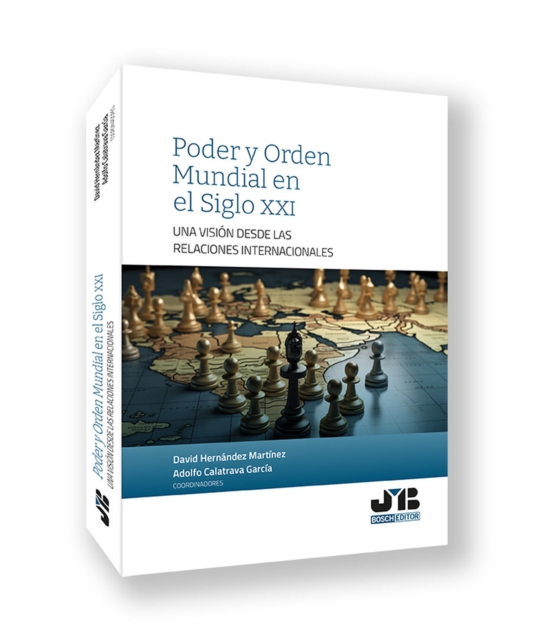
En la actualidad, la sociedad internacional esta inmersa en un periodo de incesantes cambios geopoliticos, que derivan en numerosas crisis, conflictos y tensiones.
El objetivo y el contenido fundamental de esta publicación es un estudio sobre la personalidad oscura y su relación con el sistema político en general y en especial con el liderazgo, cuya principal expresión es la denominada "tétrada oscura" que tiene cuatro manifestaciones o aspectos principales: el narcisismo, el neomaquiavelismo, la psicopatía, y el sadismo.
Evaluar y castigar convida un tratado ético-pedagógico que hace del aula su territorio privilegiado, sin dejar de advertirnos que es tan solo un escorzo desde donde observar las relaciones con la alteridad.
Politik, vor allem Lokalpolitik kann sich nicht darin erschöpfen, Bewohnerinnen und Bewohnern fertige Lösungen nach technokratischen oder ideologischen Vorgaben vorzusetzen.
En una época atravesada por crisis sanitarias globales, avances tecnológicos vertiginosos y nuevas formas de control social, esta obra se erige como un estudio jurídico exhaustivo y disruptivo sobre los derechos fundamentales más esenciales del ser humano: la libertad, la autonomía y la integridad corporal.
Luego de que los Estados Unidos aboliera la esclavitud, el racismo en ese país se caracterizó por su manifestación explícita, formal y segregacionista, llegando a ser legalizado e institucionalizado; sin embargo, tras la aprobación de la Ley de Derechos Civiles, en 1964, se utilizaron nuevos mecanismos para mantener la dominación social sobre la población afroamericana: prejuicios, confinamiento en guetos, minimización de oportunidades laborales, precarización de sus condiciones de vida, criminalización, encarcelamiento masivo y brutalidad policial.
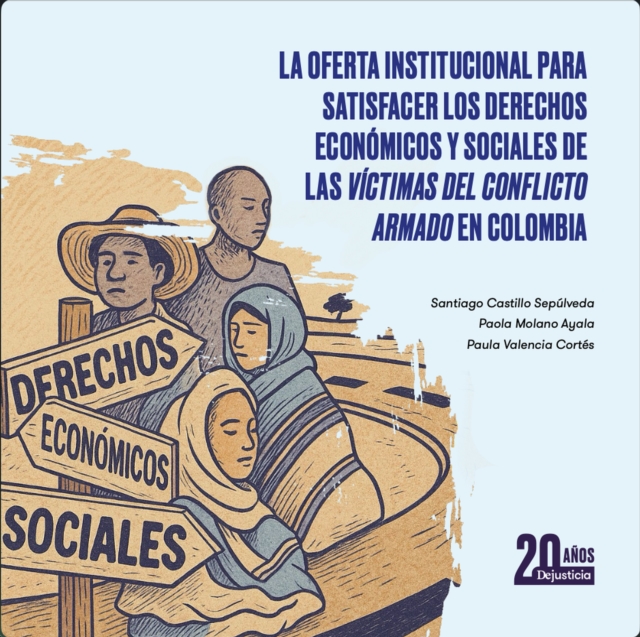
El documento presenta la oferta institucional del Estado colombiano para garantizar los derechos económicos y sociales de las víctimas del conflicto armado, conforme a la Ley 1448 de 2011 y su reforma por parte de la Ley 2421 de 2024.
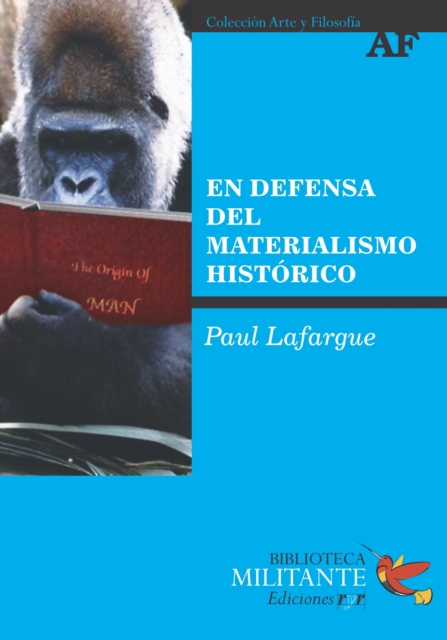
"Increíblemente olvidado por la historiografía sobre el marxismo", según Franco Andreucci, Lafargue no es un simple divulgador de Marx que, como todos, rebaja la sustancia de lo que defiende.
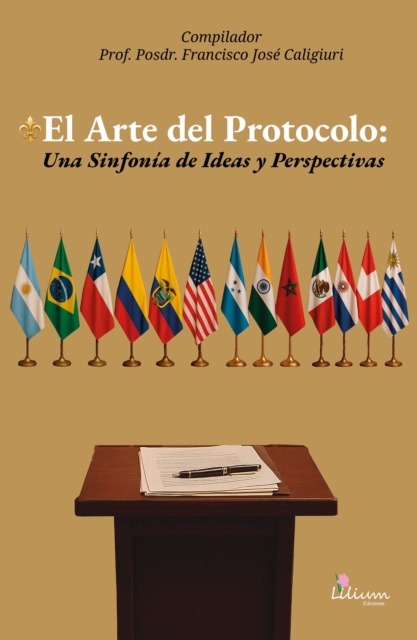
El Arte del Protocolo: Una Sinfonía de Ideas y Perspectivas es una obra coral que reúne las voces, reflexiones y saberes de 22 académicos e investigadores provenientes de Argentina, Brasil, Chile, Colombia, Ecuador, Estados Unidos, Honduras, India, Marruecos, México, Paraguay, Perú y Uruguay.
Durante mucho tiempo la ciencia intento sin exito explicar la extraordinaria capacidad humana de comprender lo que los otros hacen y sienten, de entender las intenciones de los demas y reaccionar de manera adecuada a los actos ajenos.
¿Cuándo la nacionalidad, la raza, la religión, el género, la orientación sexual o cualquier otra identidad de grupo se convierten en motivos, suficientes o no, para la acción política democrática?
Celebrado por el notable desarrollo del pensamiento y de las artes, el Siglo de las Luces fue un período de creciente control social orientado a hacer más dóciles a los sectores populares.
Walzer muestra en esta obra que, si bien la revolución como fenómeno político y la ideología como tipo de disciplina mental y moral están muy relacionadas con la aparición del Estado moderno, lo característico es el surgimiento de "bandas de hombres especialmente designados y organizados" para desempeñar un papel creativo en el mundo político.
Las ciencias cognitivas abordan el estudio de la mente y la inteligencia desde una perspectiva interdisciplinaria que opera en la zona de intersección de la filosofía, la psicología, la inteligencia artificial, la neurociencia, la lingüística y la antropología.
A pesar de la persistencia que la fabricación de imágenes ha demostrado a lo largo de la historia humana, no se ha establecido, hasta ahora, una ciencia general de la imagen que pueda dar cuenta de esa unidad simbólica fundamental.
Objeto de creciente interes para la ciencia politica, la teoria del derecho y la sociologia, asi como para los filosofos morales y los historiadores, la justicia transicional es el conjunto de procesos interrelacionados de enjuiciamiento, rendicion de cuentas, difusion de la verdad, reparacion de los danos sufridos por las victimas y adopcion de reformas institucionales que se producen como consecuencia de la sustitucion de un regimen politico autocratico
Hay quienes todavia creen que nuestras caracteristicas psicologicas se deben fundamentalmente a nuestros genes; hay quienes, por el contrario, piensan que estamos predominantemente conformados por el ambiente en que crecemos.
A la vez puesta al día de la investigación sobre el "perspectivismo amerindio" y sobre los límites de la antropología, esta obra, que sintetiza treinta años de investigaciones y de trabajo de campo, aporta una contribución sin duda fundamental al conjunto de las ciencias humanas.