Hospitality as a cultural trait has been associated with the South for well over two centuries, but the origins of this association and the reasons for its perseverance of-ten seem unclear.
However unthinkable child-soldiers may be within a generalized conception of childhood, they are not imaginary figures; rather, they are a constant in almost every armed conflict around the world.
A seventy-year-old Northwestern journalism professor, Loren Ghiglione, and two twenty-something Northwestern journalism students, Alyssa Karas and Dan Tham, climbed into a minivan and embarked on a three-month, twenty-eight state, 14,063-mile road trip in search of America's identity.
Formed in 1960 in Raleigh, North Carolina, the Student Non-violent Coordinating Committee (SNCC) was a high-profile civil rights collective led by young people.
Most livestock in America currently live in cramped and unhealthy confinement, have few stable social relationships with humans or others of their species, and finish their lives by being transported and killed under stressful conditions.
Over the long nineteenth century, African-descended peoples used the uncertainties and possibilities of emancipation to stake claims to freedom, equality, and citizenship.
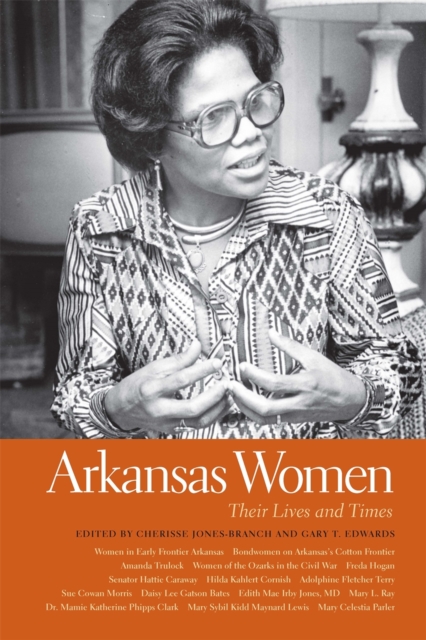
Following in the tradition of the Southern Women series, Arkansas Women highlights prominent Arkansas women, exploring women's experiences across time and space from the state's earliest frontier years to the late twentieth century.
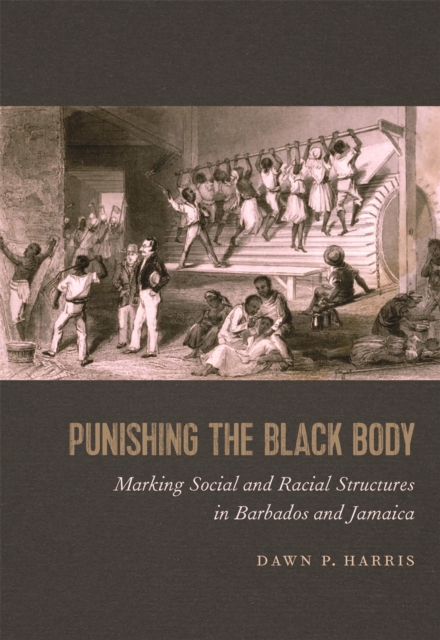
Punishing the Black Body examines the punitive and disciplinary technologies and ideologies embraced by ruling white elites in nineteenth-century Barbados and Jamaica.
Anthropologists, psychologists, feminists, and sociologists have long studied the "e;everyday,"e; the quotidian, the taken-for-granted; however, geographers have lagged behind in engaging with this slippery aspect of reality.
Prison Pens presents the memoir of a captured Confederate soldier in northern Virginia and the letters he exchanged with his fiancee during the Civil War.
Sarah Gorham recounts her childhood education as a rebellious, insecure, angry girl shipped overseas to a tiny international school perched on a mountain shelf in Bernese-Oberland, Switzerland.
From the inception of slavery as a pillar of the Atlantic World economy, both Europeans and Africans feared their mass extermination by the other in a race war.
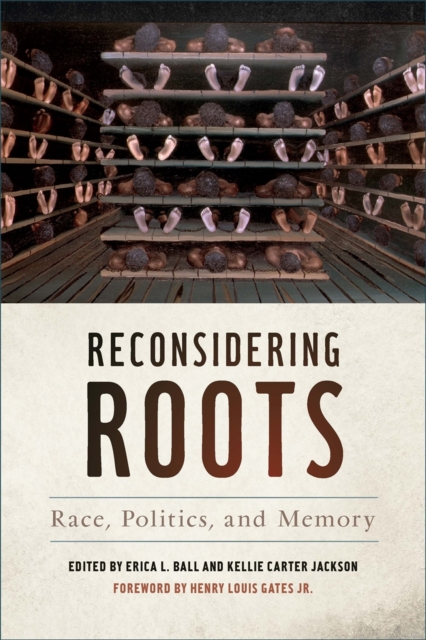
This wide-ranging interdisciplinary collection-the first of its kind-invites us to recon-sider the politics and scope of the Roots phenomenon of the 1970s.
Hospitality as a cultural trait has been associated with the South for well over two centuries, but the origins of this association and the reasons for its perseverance of-ten seem unclear.
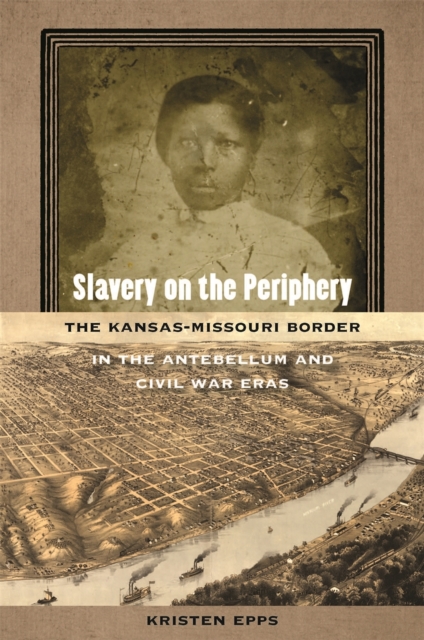
Slavery on the Periphery traces the rise and fall of chattel slavery on the Kansas-Missouri border from the earliest years of American settlement through the Civil War, exploring how its presence shaped life on this critical geographical, political, and social fault line.
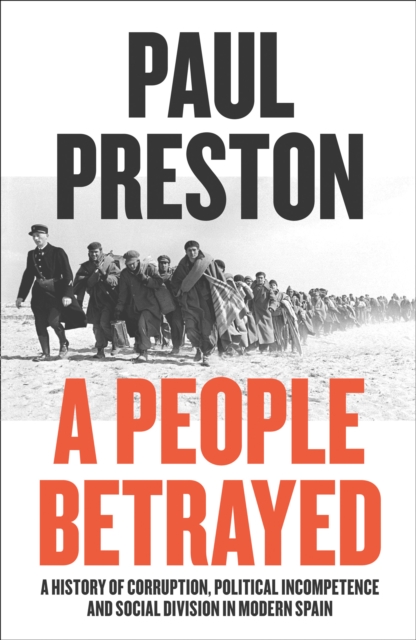
From the foremost historian of 20th century Spain, A People Betrayed is the story of the devastating betrayal of Spain by its political class, its military and its Church.
In deciding the abortion and physician assisted suicide cases, a majority of the Justices of the United States Supreme Court drew on medical knowledge to inform their opinions while dismissing the distinctively different knowledge offered by patients.
This book brings together key essays that seek to make visible and expand our understanding of the role of government (policies, programs, and investments) in shaping cities and metropolitan regions; the costs and consequences of uneven urban and regional growth patterns; suburban sprawl and public health, transportation, and economic development; and the enduring connection of place, space, and race in the era of increased globalization.