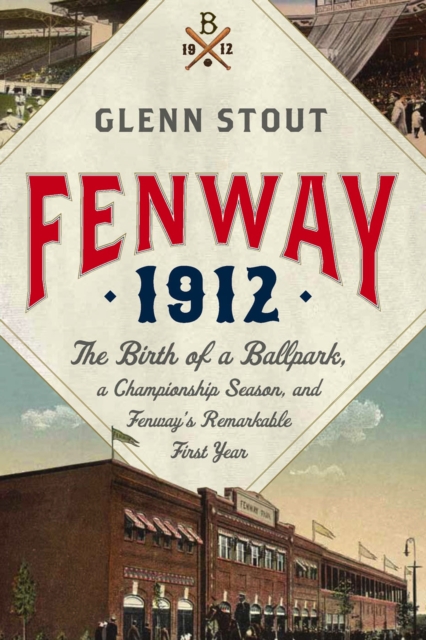
A 2012 Top Ten Sports Book as selected by Booklist, winner of the 2011 Seymour Medal and Larry Ritter Award from the Society for American Baseball Research, and finalist for the Massachusetts Book Award for nonfiction, Fenway 1912 is the remarkable story of Fenway's very first year.
NEW YORK TIMES BESTSELLER"e;Derek Jeter is undoubtedly the most talked about, argued about, cheered, booed and ultimately respected baseball player of his generation.
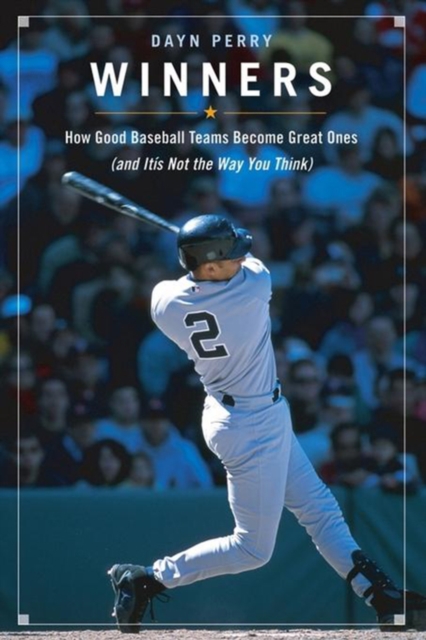
"e;We re all winners, as Dayn Perry serves as our trusted guide on this idiosyncratic but profoundly informative walking tour of the great teams and players of the last few decades.
The biography of one of the most controversial figures in sports: New York Yankees owner George Steinbrenner For 34 years, he berated his players and tormented Yankees managers and employees.
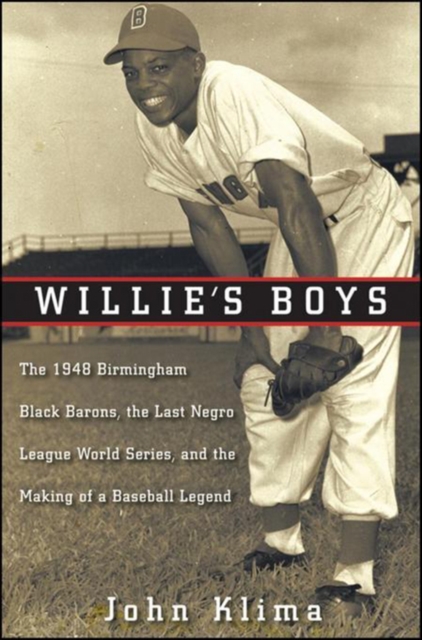
The story of Willie Mays's rookie year with the Negro American League's Birmingham Black Barons, the Last Negro World Series, and the making of a baseball legendBaseball Hall of Famer Willie Mays is one of baseball's endearing greats, a tremendously talented and charismatic center fielder who hit 660 career homeruns, collected 3,283 hits, knocked in 1,903 runs, won 12 Gold Glove Awards and appeared in 24 All-Star games.
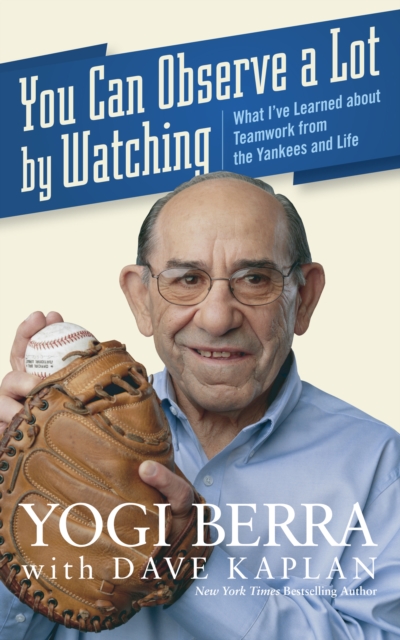
"e;The most valuable team player in sports"e; shows you what "e;teamwork"e; really means What does it take to be a real team player, especially in a society that glorifies selfishness and a corporate culture that often uses "e;team player"e; as a buzzword but rewards only the showboaters and prima donnas?
A best-selling author and passionate baseball fan takes a tough-minded look at America’s most traditional game in our twenty-first-century culture of digital distraction Baseball, first dubbed the “national pastime” in print in 1856, is the country’s most tradition-bound sport.
What happens when three financial industry whiz kids and certified baseball nuts take over an ailing major league franchise and implement the same strategies that fueled their success on Wall Street?
The author of The Long Ball revisits the drama of the 1966 World Series in which the underdog Baltimore Orioles take on the favored Los Angeles Dodgers.
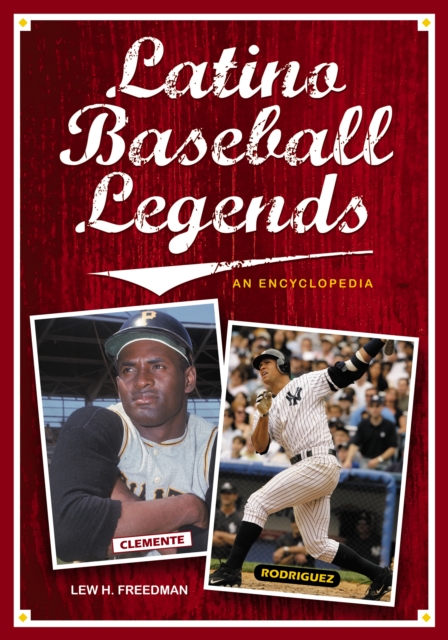
Told through profiles of the men who have made it a reality, this is the complex story of the triumphs achieved by-and challenges faced by-Latinos who have risen to the heights of Major League Baseball.
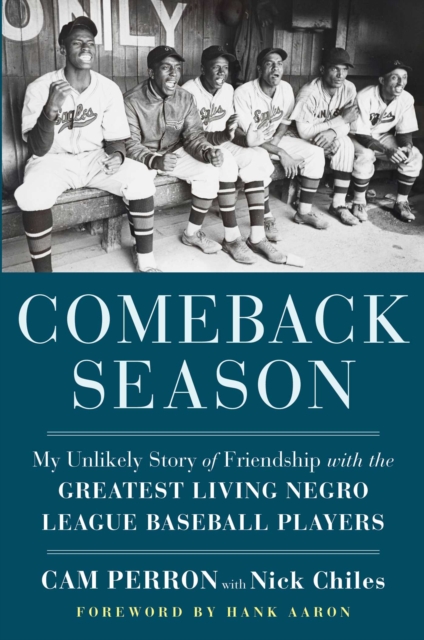
The uplifting, unlikely, and inspirational true story of the friendships formed between Cam Perrona white, baseball-obsessed teenager from Bostonand hundreds of former professional Negro League players, who were still awaiting the recognition and compensation that they deserved from Major League Baseball more than fifty years after their playing days were over.
An authoritative, must-read (Keith Hernandez) baseball biography of New York Mets and Hall of Fame pitching legend Tom Seaver, still the greatest player ever to wear a Mets jersey, by a journalist who knew him well.
During eight seasons of major league baseball, pitcher Dave Dravecky learned more than the importance of getting ahead in the count or wasting a pitch when he had the batter in the hole with an 0-2 count.
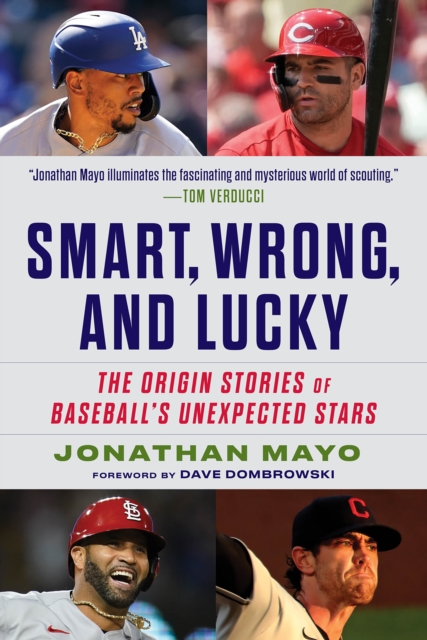
A fascinating look at how MLB teams find diamonds in the roughIn the plainest of terms, baseball scouts are tasked with seeing the future- a distant future, at that.
Learn how to manage your youth team to successWith its "e;teach basics and have fun"e; approach, Managing Little League Baseball is dedicated to helping you teach baseball fundamentals to boys and girls while emphasizing how to make the experience rewarding for you and your players.
Expert advice and innovative drills to propel your team to successEndorsed by Little League Baseball and a favorite among coaches and parents, Little League Drills and Strategies is built around three easy-to-follow rules: (1) teach the basics, (2) keep it fun, and (3) practice, practice, practice.
Baseball's premier national television analyst Tim McCarver presents fascinating tales from the game's greatest players and personalitiesTim McCarver s Diamond Gems is a treasure trove of fabulous anecdotes from the many baseball celebrities who have appeared on The Tim McCarver Show.
Take your game from bush league to big time with these proven techniquesBaseball scouts and coaches at every level want players with the knowledge and ability to do it all.
A comprehensive guide to baseball fundamentals that helps players and coaches build winning teams togetherWatching major-league baseball today, many fans wonder what happened to the fundamentals of the game when they see a highly paid outfielder miss the cutoff man or a multimillion-dollar pitcher fail to lay down a bunt.
A fantastic and far-flung compilation of stats, figures, and little-known nuggets about our national pastimeAn addictive read, sure to spark conversation wherever baseball is spoken, The Baseball Maniac's Almanac is part reference, part trivia, part brain teaser--and absolutely the greatest, most unusual and thorough compendium of baseball stats and facts ever compiled-- all verfied for accuracy by the Baseball Hall of Fame.
INTRODUCING THE LATEST ADDITIONS TO THE BEST-SELLING LITTLE LEAGUE GUIDESPacked with valuable information on how to help their players improve at the plate, this guide takes coaches and parents step by step through: Correct techniques of hittingDevelopmental practice drillsSkills kids need to bat .
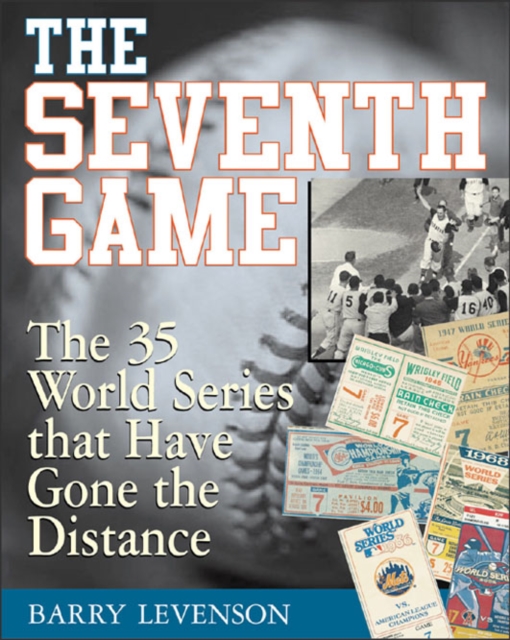
A PAPERBACK ORIGINALThe amazing stories behind the 35 seventh games of baseball's World SeriesThe World Series has gone to a thrilling "e;game seven"e; only 35 times, and each one comes alive in The Seventh Game, a rich collection of compelling stories and statistics, offering a unique perspective of baseball at its greatest, when there is truly no tomorrow for either side.
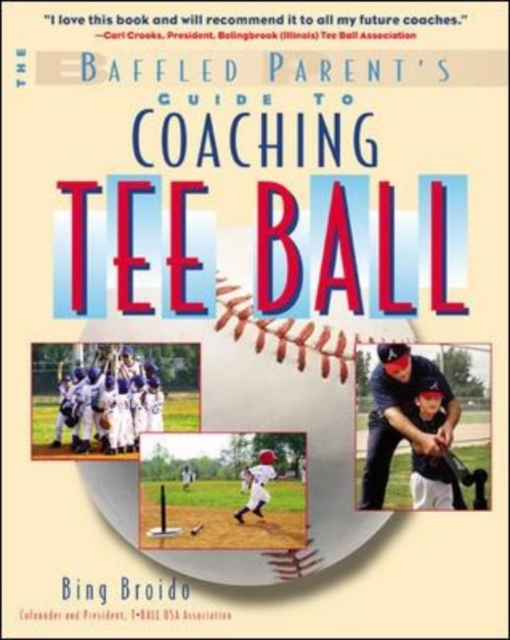
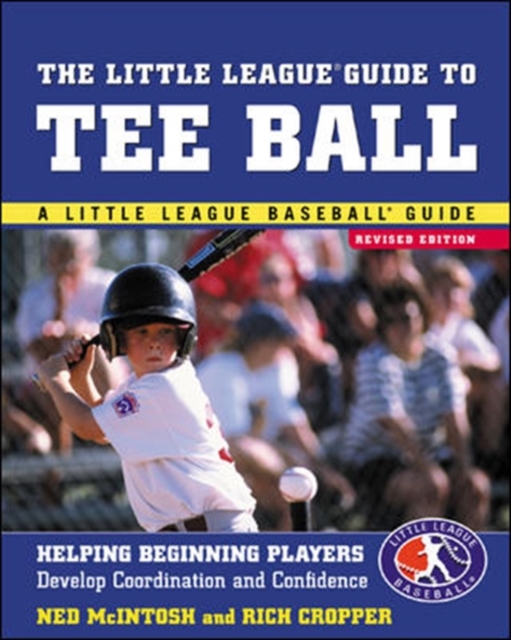
Each spring, Tee-ball introduces millions of boys and girls to "e;America's pastime"e; --and introduces their parents to the joys (and nightmares) of coaching first-time players.
The authoritative sourcebooks for parents, players, and coachesBaseball is a complicated game to learn, particularly for a 9- to 12-year-old's attention span.
The authoritative sourcebooks for parents, players, and coachesBaseball is a complicated game to learn, particularly for a 9- to 12-year-old's attention span.
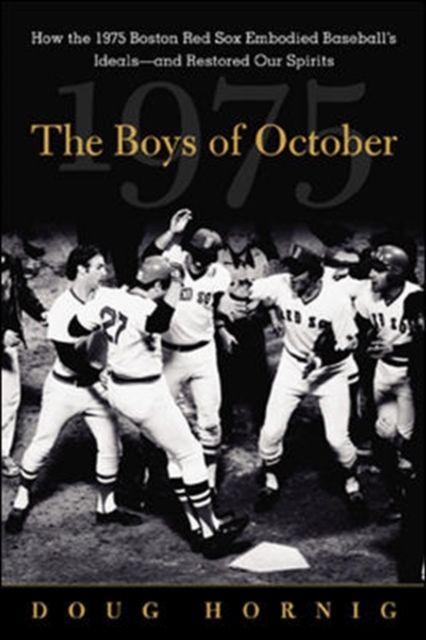
An inspiring look at the heroism and heartbreak of the 1975 World SeriesIn a year when the nation sorely needed a diversion from the harsh news of the day, it arrived in the form of a Fall Classic that would live up to its name and never be forgotten.
All you need to know about Tee Ball from the leading name in children's sportsEndorsed by Little League Baseball , The Little League Guide to Tee Ball covers all the bases for parents as well as coaches.
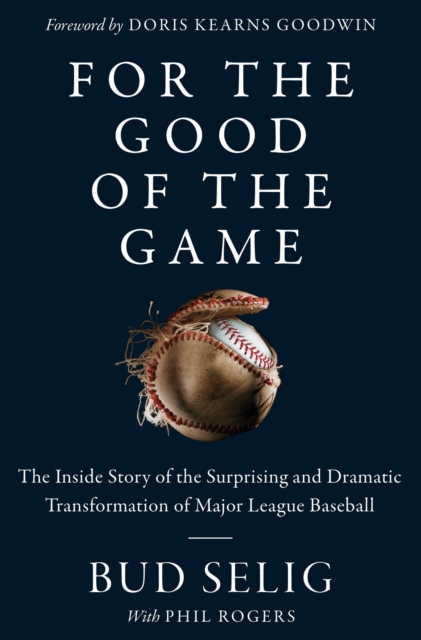
A New York Times bestsellerForeword by Doris Kearns GoodwinThe longtime Commissioner of Major League Baseball provides an unprecedented look inside professional baseball today, focusing on how he helped bring the game into the modern age and revealing his interactions with players, managers, fellow owners, and fans nationwide.