In this New York Times-bestselling guide to success, the nineteen-time All-Star and World Series-winning legend shares his values and principles for the game of life, drawn from lessons he learned on and off the field.
A "e;fascinating and irresistible"e; blend of science and sports that reveals what a baseball (or bat, or player) in motion does-and why (The New York Times Book Review).
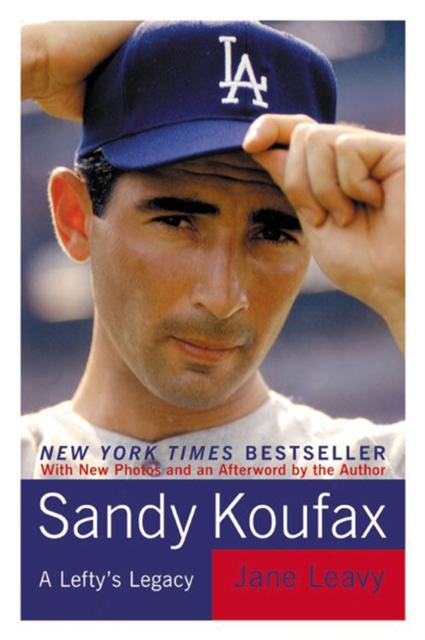
Casey Award Winner: "e;Follows seven Dodgers, including Sandy Koufax, through the 1960s, telling a story about baseball and about larger cultural changes.
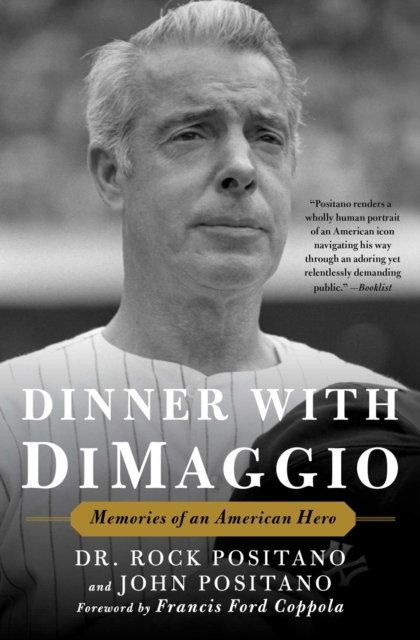
A revealing account of the great Baseball Hall of Famer Joe DiMaggio from the man who knew him best in the last ten years of his life';a rare, intimate portraitthat pries open Joltin' Joe's perpetually buttoned-up privacy' (The New York Times) with stories about the Yankees, Ted Williams, Lou Gehrig, Marilyn Monroe, Frank Sinatra, and other celebrities.
In this highly entertaining and insightful memoir, one of televisions most respected broadcasters interweaves the story of his life and career with lively firsthand tales of some of the most thrilling events and fascinating figures in modern sports.
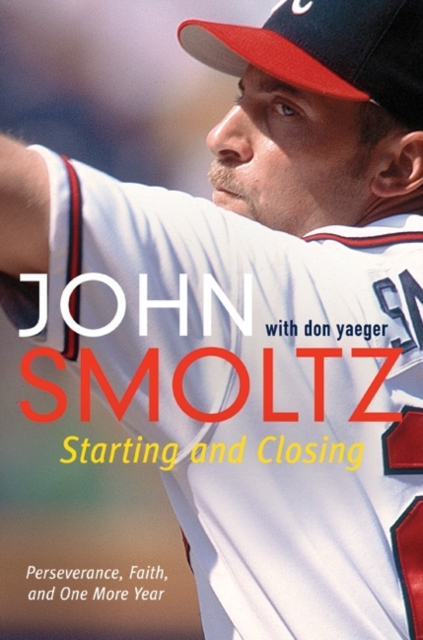
John Smoltz was one of the greatest Major League pitchers of the late twentieth / early twenty-first century-one of only two in baseball history ever to achieve twenty wins and fifty saves in single seasons-and now he shares the candid, no-holds-barred story of his life, his career, and the game he loves in Starting and Closing.
"e;Having covered the Yankees for thirty years, and with access to previously unavailable material, Madden provides a definitive and captivating biography.
Before Jackie Robinson integrated major league baseball in 1947, black and white ballplayers had been playing against one another for decadeseven, on rare occasions, playing with each other.
Fifty-nine in '84 is award-winning journalist Edward Achorn's riveting history of late nineteenth century baseball and the era's most legendary pitcher.
This in-depth biography of the outspoken Yankee slugger is "e;a well-rounded portrait of one of baseball's most celebrated and controversial figures"e; (Kirkus Reviews).
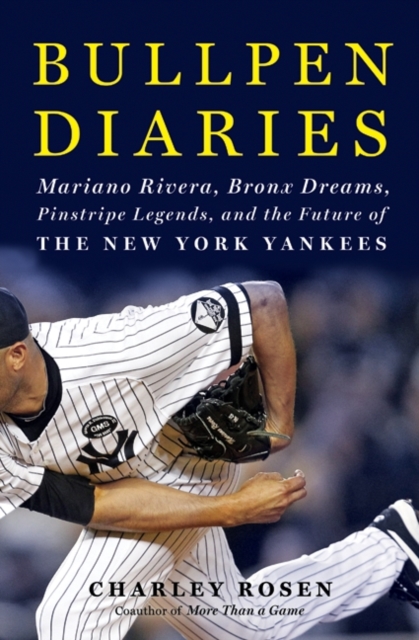
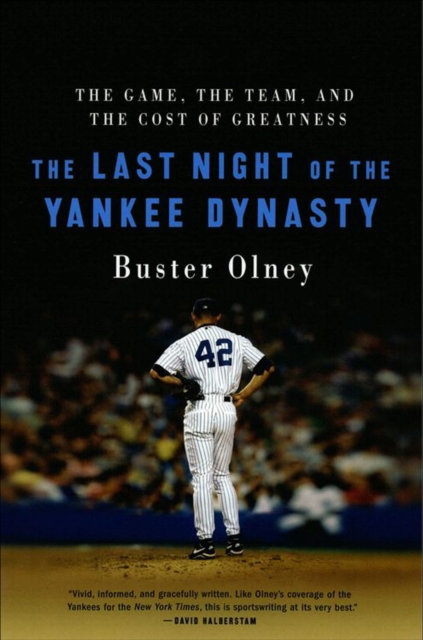
For six extraordinary years around the turn of the millennium, the Yankees were baseball's unstoppable force, with players such as Paul O'Neill, Derek Jeter, and Mariano Rivera.
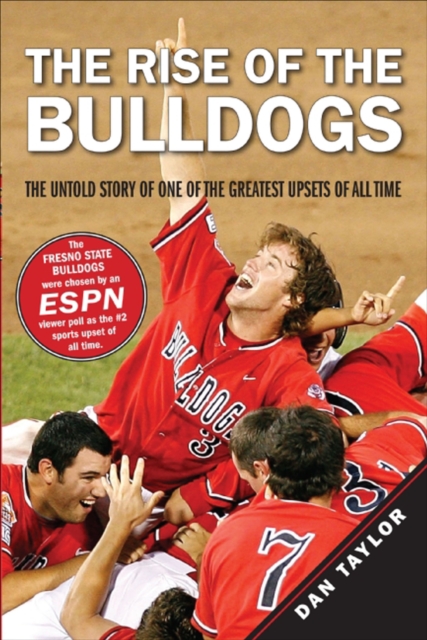
The The Rise of the Bulldogs tells the extraordinary story of the unranked 2008 Fresno State Bulldogs and their remarkable journey from a seemingly lost season to NCAA National Champions.
From the perspective of 2007, the unintentional irony of Chance's boast is manifest-these days, the question is when will the Cubs ever win a game they have to have.
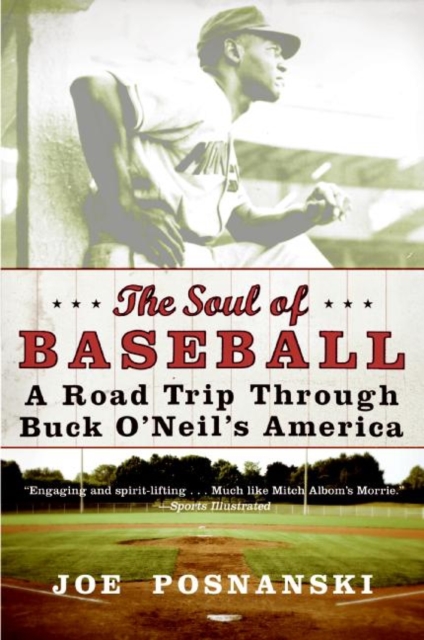
"e;One of the best baseball books in years"e;-a journey with Negro League legend Buck O'Neil by the New York Times-bestselling author of The Baseball 100 (Cleveland Plain Dealer).
Each summer, on the fields of glorious Cape Marlin, off theNew England coast, the nation's best college players gatherto play the most important baseball of their lives.
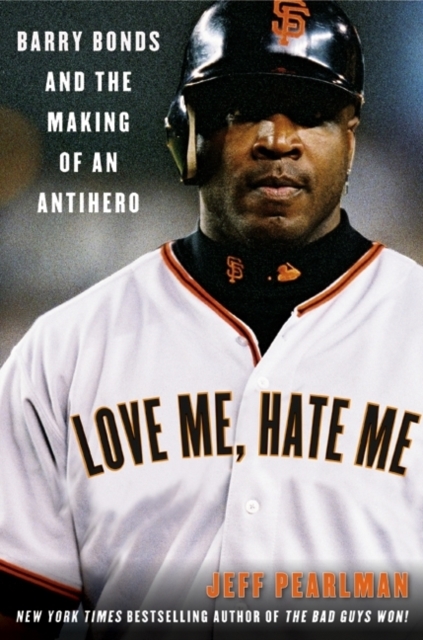
From acclaimed sports writer and bestselling author Jeff Pearlman, a searing and insightful look into the life and career of Barry Bonds, one of the most celebrated, contradictory and controversial sports figures of our timeNo player in the history of baseball has left such an indelible mark on the game as Barry Bonds.
This dramatic account of the record-breaking homer-and what Hank Aaron endured to achieve it-is "e;a story that transcends baseball"e; (Boston Herald).
The story of the changing face of baseball and the inner workings of its finest organizationAfter a hundred "e;cursed"e; years, the Boston Red Sox rose gloriously to baseball domination.
During the 1952 World Series, a Yankee fan trying to watch the game in a Brooklyn bar was told, "e;Why don't you go back where you belong, Yankee lover?