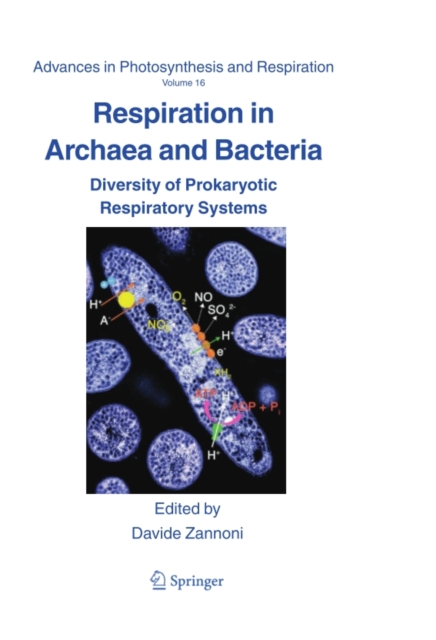
The book summarizes the achievements of the past decade in the biochemistry, bioenergetics, structural and molecular biology of respiratory processes in selected genera of the domain Bacteria along with an extensive coverage of the redox chains of extremophiles belonging to the Archaean domain.
In 2002, the Swedish Metal Information Task Force (MITF) engaged the Environmental Research Group (MFG) to update previous monographs on copper, zinc and major alloying metals (such as chromium, nickel and molybdenum) in society and in the environment.
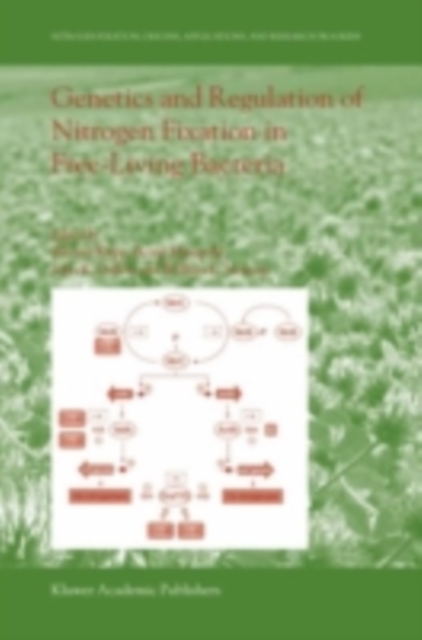
Genetics and Regulation of Nitrogen-Fixing Bacteria This book is the second volume of a seven-volume series, which covers all fields of research related to nitrogen fixation - from basic studies through applied aspects to environmental impacts.
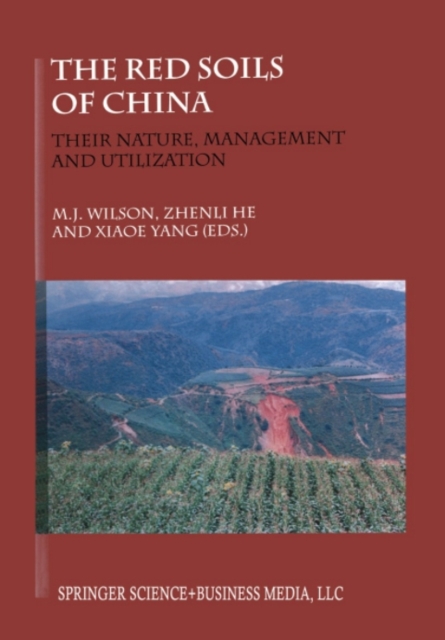
The red soils of China are typical in their chemical, physical and mineralogical characteristics of red soils in other tropical and sub-tropical areas of the world, particularly in South America, Africa and south-east Asia.
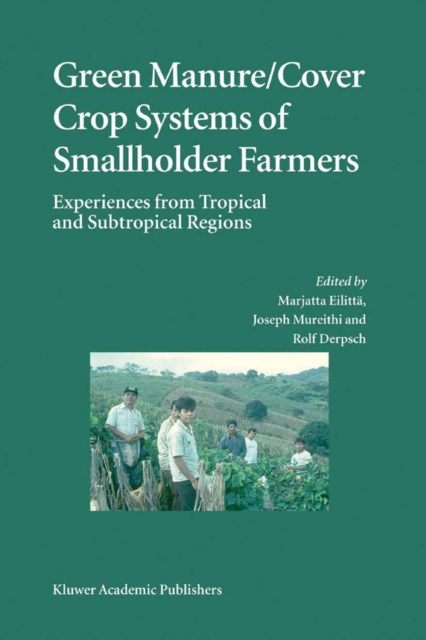
In the 1980s and 1990s, green manure/cover crop (GMCC) systems became a popular agricultural technology in research and development efforts for smallholder tropical and subtropical farmers.
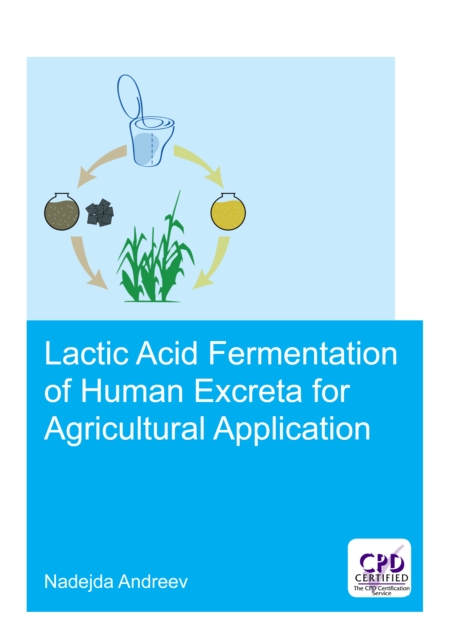
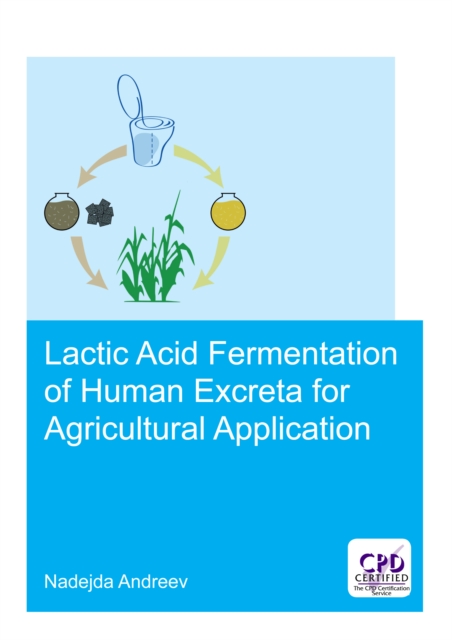
Human excreta is a valuable fertilizer for improving soil quality and crop productivity, with a potential to replace or complement the mineral fertilizers.
Human excreta is a valuable fertilizer for improving soil quality and crop productivity, with a potential to replace or complement the mineral fertilizers.
Global Soil Security: Towards More Science-Society Interfaces contains contributions presented at the 2nd Global Soil Security conference, held 5-6 December 2016 in Paris.
Advances in Soil and Water Conservation provides an in-depth, scholarly treatment of the most important developments and influences shaping soil and water conservation in the last 50 years.
Advances in Soil and Water Conservation provides an in-depth, scholarly treatment of the most important developments and influences shaping soil and water conservation in the last 50 years.
This volume covers such areas in the field of soil salinity and water quality as: origin and distribution of salt-affected soils; management of alkali soils; quality criteria of irrigation water; wastewaters as a source of irrigation; and grasses and trees in the management of salt-affected soils.
This volume covers such areas in the field of soil salinity and water quality as: origin and distribution of salt-affected soils; management of alkali soils; quality criteria of irrigation water; wastewaters as a source of irrigation; and grasses and trees in the management of salt-affected soils.
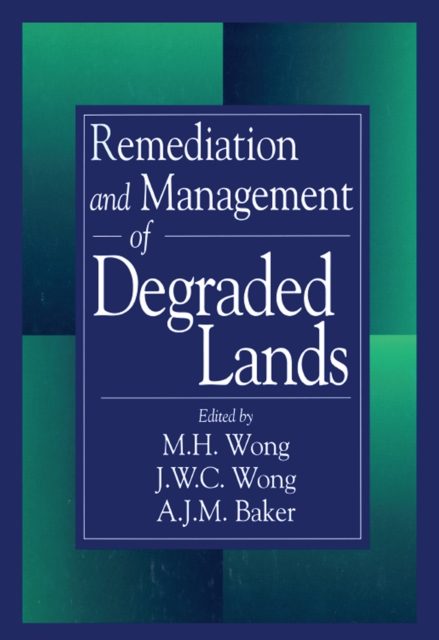
Remediation and Management of Degraded Lands presents the program of the first International Conference on the Remediation and Management of Degraded Lands.
Remediation and Management of Degraded Lands presents the program of the first International Conference on the Remediation and Management of Degraded Lands.
Soils are one of the world's most important resources, and their protection, maintenance, and improvement is critical to the continuance of life on earth.
Soils are one of the world's most important resources, and their protection, maintenance, and improvement is critical to the continuance of life on earth.
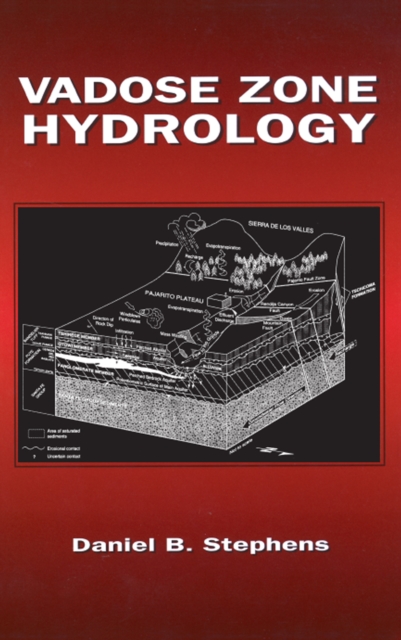
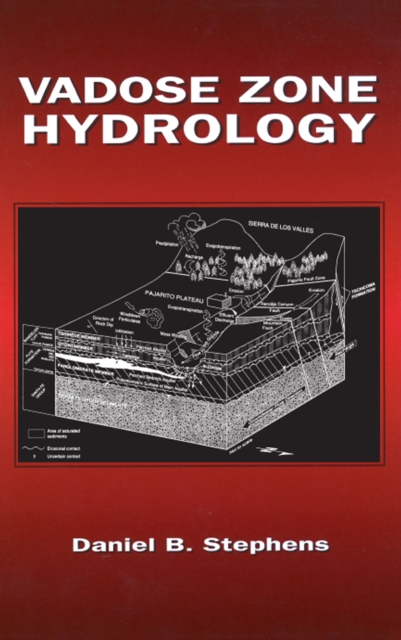
Vadose Zone Hydrology describes the elements of the physical processes most often encountered by hydrogeologists and ground-water engineers in their vadose zone projects.
Vadose Zone Hydrology describes the elements of the physical processes most often encountered by hydrogeologists and ground-water engineers in their vadose zone projects.
In this invaluable book, leading agronomic researchers provide in-depth reviews of present conservation tillage practices in a wide variety of temperate agroecosystems.
In this invaluable book, leading agronomic researchers provide in-depth reviews of present conservation tillage practices in a wide variety of temperate agroecosystems.
Spoil to Soil: Mine Site Rehabilitation and Revegetation presents both fundamental and practical aspects of remediation and revegetation of mine sites.
Soil Biology is a state-of-the art review focusing on the linkage between biological processes that occur in the soil and their impact on soil quality.