Insects, diseases, and weeds cause an almost 30% yield loss per annum in agricultural production, resulting in an increased consumption of pesticides by 20% per annum throughout the world.
This book covers three main types of agricultural systems: the use of robotics, drones (unmanned aerial vehicles), and satellite-guided precision farming methods.
Applied Natural Science: Environmental Issues and Global Perspectives provides the reader with a complete insight into the natural-scientific pattern of the world, covering the most important historical stages of the development of various areas of science, methods of natural-scientific research, general scientific and philosophical concepts, and the fundamental laws of nature.
This new volume in the Innovations and Challenges in Micro Irrigation series covers an array of technologies to estimate evapotranspiration and to evaluate parameters that are needed in the management of micro irrigation, with worldwide applicability to irrigation management in agriculture.
This book presents several pre- and postharvest strategies that have been developed to modify these physiological activities, resulting in increased shelf life.
This volume, Plant Secondary Metabolites: Volume 1: Biological and Therapeutic Significance, presents important information on the curative and therapeutic roles of secondary metabolites that are present in different natural food groups.
This second book in the three-volume Plant Secondary Metabolites covers the stimulation, extraction, and utilization of plant secondary metabolites, which are organic compounds that aid in the growth and development of plants but which are not required for the plant to survive by fighting off herbivores, pests, and pathogens.
This third book in the three-volume Plant Secondary Metabolites examines the relationship between environmental stress and the physiology of plants, leading to stimulation of secondary metabolites.
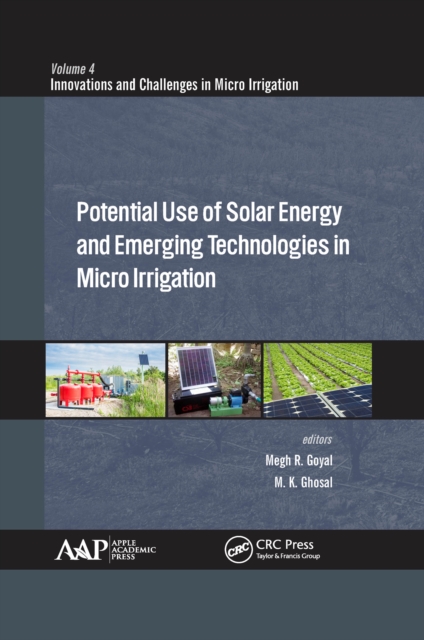
This new book, the fourth volume in the Innovations and Challenges in Micro Irrigation book series, examines the potential of solar energy and other emerging energy technologies in micro irrigation to create sustainable energy sources.
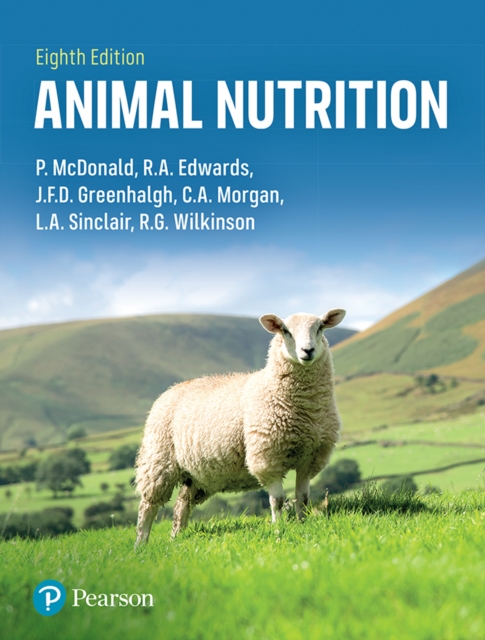
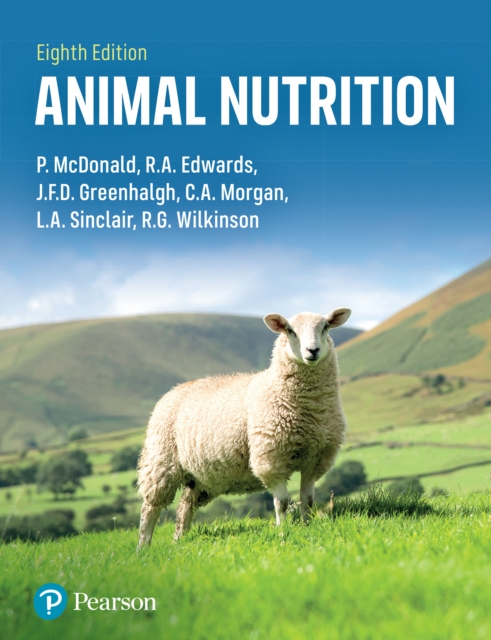
An introduction to the science and practice of animal nutrition This classic, market-leading text is a trusted resource for undergraduates studying Animal Science, Veterinary Science, Agriculture, Biology and Biochemistry.
The latest edition of Animal Nutrition has been updated thoroughly to provide a clear and comprehensive introduction to the science and practice of animal nutrition.
While the importance of food to health and well-being is clear, the specific ways in which food systems contribute to individual and community health are not well understood.
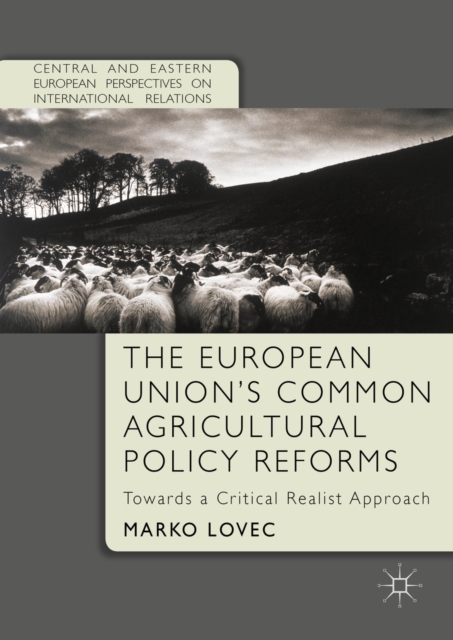
This book engages in the controversies of the European Union's Common Agricultural Policy (CAP) reforms, demonstrating how these are reiterated by mainstream theoretical approaches in the field.
This book proposes measures to promote regional industrial development in East Asia from the perspective of three industries: agriculture, food, and tourism.
The papers in this book study economic development from the perspective of social justice and economic efficiency; exploring the role of land tenure and productivity in Indian agriculture.
This book analyzes the impacts of current and possible future GM crop applications and shows that these technologies can contribute substantially to sustainable agricultural development and food security.
By examining a sector of the economy that was exposed to increased imports more than four decades ago, Crumley illuminates the economic pressures, resistance, and reform that help to shape Russia's agrarian sector today.
This book is a one-stop reference for practitioners and academics in finance, business and economics, providing a holistic reference to the international agriculture business.
Analyzes quantitatively in a comprehensive, consistent, and integrated manner the production structure and productivity of postwar Japanese agriculture for the latter half of the 20th century, more specifically, 1957-97.
Analyses quantitatively in a comprehensive, consistent, and integrated manner the production structure and productivity of post-war Japanese agriculture for the latter half of the twentieth century, more specifically, 1957-97.
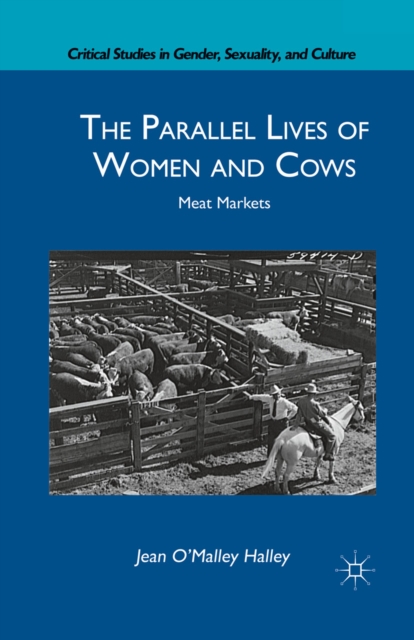
Weaving together a social history of the American beef industry with her own account of growing up in the shadow of her grandfather's cattle business, Halley juxtaposes the two worlds and creates a link between the meat industry and her own experience of the formation of gender and sexuality through family violence.
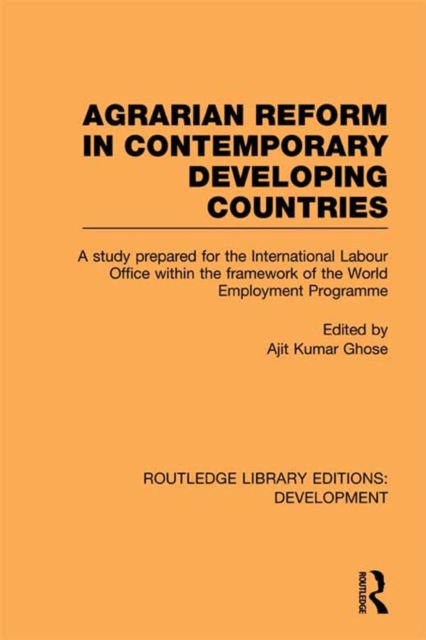
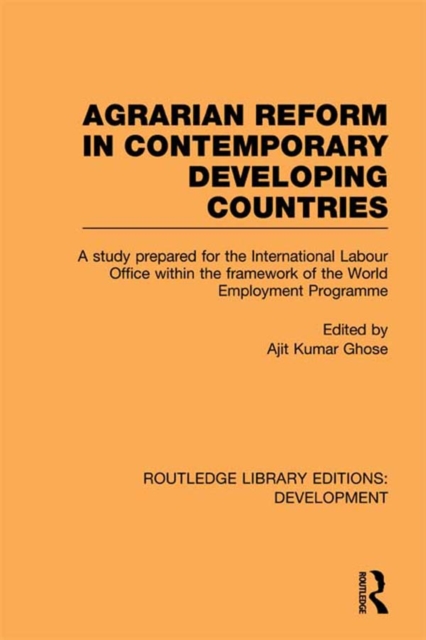
Initially published in 1983, in association with the International Labour Organisation (ILO), this book is about the meaning, relevance and process of agrarian reform in contemporary developing countries.
Initially published in 1983, in association with the International Labour Organisation (ILO), this book is about the meaning, relevance and process of agrarian reform in contemporary developing countries.
While the importance of food to health and well-being is clear, the specific ways in which food systems contribute to individual and community health are not well understood.
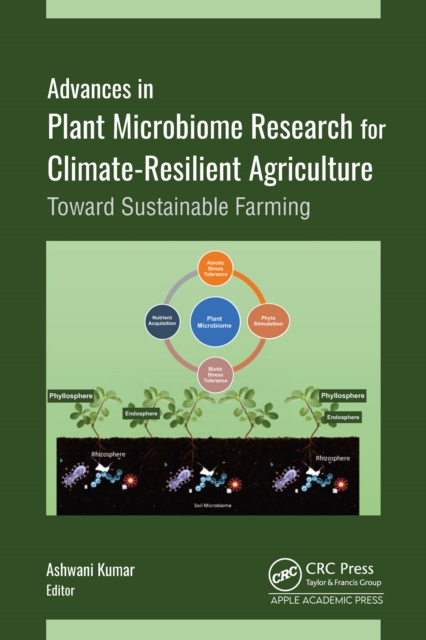
This new book, Advances in Plant Microbiome Research for Climate-Resilient Agriculture: Toward Sustainable Farming, covers important aspects of plant microbiome research through contributions from scientists with the latest information available in this area of research.
This new book throws light on the use of nanoparticles as nanofertifilizers and details their prospective applications in agricultural science, including their use in minimizing the consequences of climate change, enhancing nutrient utilization efficiency, and achieving abiotic stress management.
This is the history of the International Tropical Timber Organization (ITTO); its aims, policies and achievements, through drawing on contemporary records and the author's own wide experience.
This is the history of the International Tropical Timber Organization (ITTO); its aims, policies and achievements, through drawing on contemporary records and the author's own wide experience.
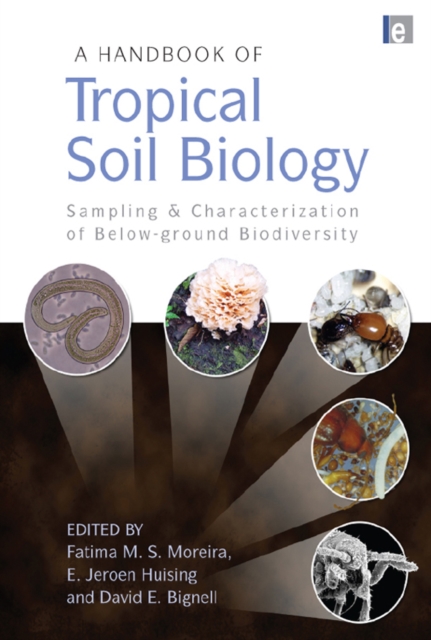
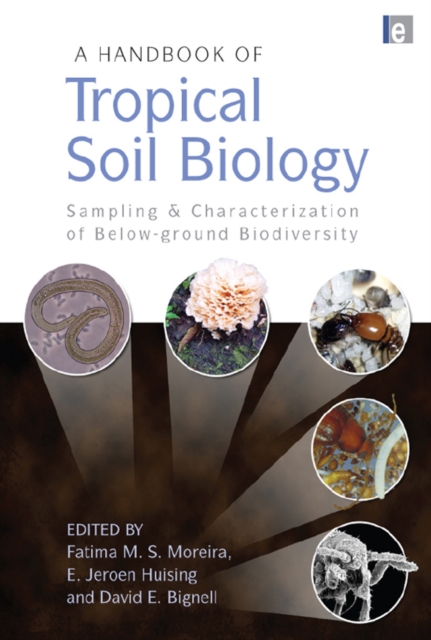
This practical handbook describes sampling and laboratory assessment methods for the biodiversity of a number of key functional groups of soil organisms, including insects, earthworms, nematodes, fungi and bacteria.
This practical handbook describes sampling and laboratory assessment methods for the biodiversity of a number of key functional groups of soil organisms, including insects, earthworms, nematodes, fungi and bacteria.
,This wonderful book demonstrates how rural livelihoods - as well as diets, health and ways of life - are enhanced by the so-called ,neglected and underutilized plant species, which, in the book,s Syrian case study, include such deliciously interesting things as capers, laurel, jujube and figs.