This timely book is a compilation of edited articles by distinguished international scientists discussing global warming, its causes as well as present and future solutions.
This book deals with the gasotransmitters signaling in redox reactions and homeostasis for the adaptation of plants to unfavorable abiotic stress environments.
This book will address the major subsoil physical and chemical constraints and their implications to crop production; Plant growth is often restricted by adverse physical and chemical properties of subsoils yet these limitations are not revealed by testing surface soils and hence their significance in crop management is often overlooked.
The challenges to meet the food requirement of the burgeoning population and stabilized productivity of agriculture lands can only be met by a second green revolution.
Written by international authorities in agronomy, Volume 63 contains five comprehensive reviews covering key contemporary topics on crop and soil sciences.
Written by international authorities in agronomy, Volume 62 contains five comprehensive reviews covering key contemporary topics on crop and soil sciences.
Written by international authorities in agronomy, Volume 61 contains five comprehensive reviews covering key contemporary topics on crop and soil sciences.
This dictionary includes some 9200 terms, each with a definition and often and additional descriptive text in English, the terms being translated in French, German and Spanish.
This book offers a broad and global level description of the current status of wastewater use in agriculture and then brings the readers to various places in the MENA Region and Europe to explain how some countries and regions have addressed the challenges during implementation.
Continuing the international tradition of Advances in Agronomy, Volume 48 highlights crop and soil science including hybrid improvement in tropical maize, pearl millet as food, feed and forage, cotton host plant resistance to insects, and electrochemical techniques applied to soils.
This book is a comprehensive compilation of groundbreaking insights stemming from the esteemed International Conference on Advanced Intelligent Systems for Sustainable Development (AI2SD'2023), hosted at Cadi Ayyad University Morocco.
This book is a comprehensive compilation of groundbreaking insights stemming from the esteemed International Conference on Advanced Intelligent Systems for Sustainable Development (AI2SD'2023), hosted at Cadi Ayyad University Morocco.
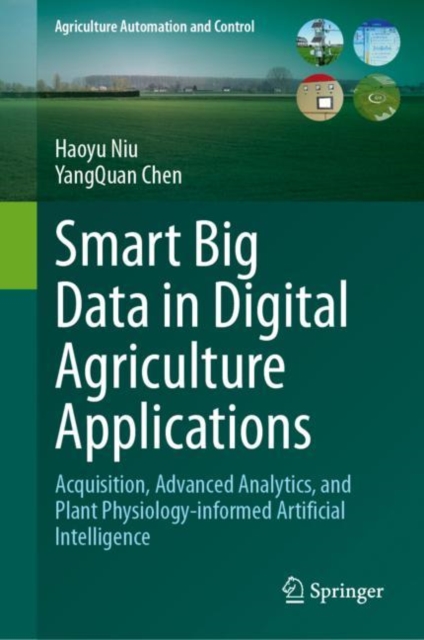
In the dynamic realm of digital agriculture, the integration of big data acquisition platforms has sparked both curiosity and enthusiasm among researchers and agricultural practitioners.
In the dynamic realm of digital agriculture, the integration of big data acquisition platforms has sparked both curiosity and enthusiasm among researchers and agricultural practitioners.
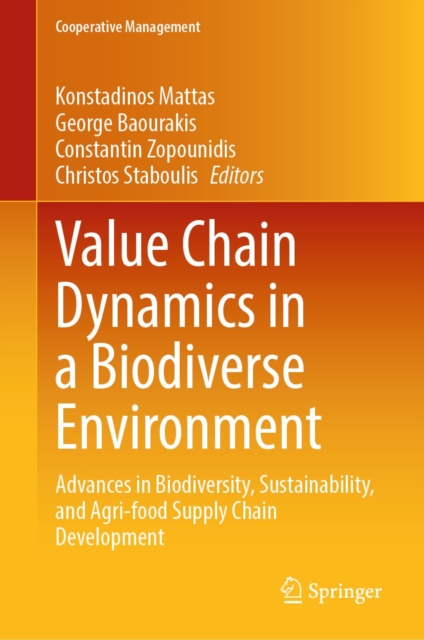
This book offers comprehensive insights into the latest developments in biodiversity, sustainability, and agri-food supply chains, fostering an informed approach to policymaking decisions in the agriculture and agri-food industry within the global economy.
This book offers comprehensive insights into the latest developments in biodiversity, sustainability, and agri-food supply chains, fostering an informed approach to policymaking decisions in the agriculture and agri-food industry within the global economy.
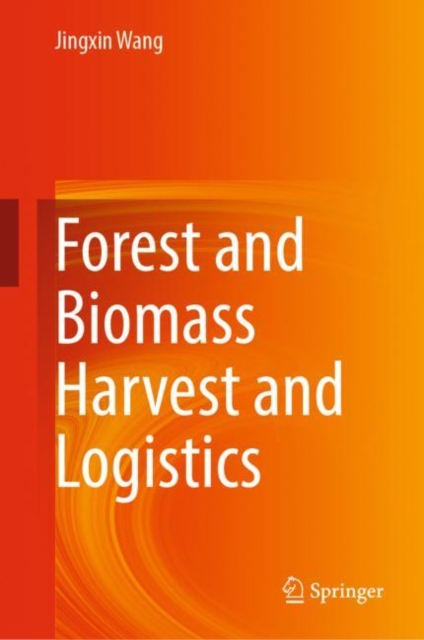
This book explains forest and woody biomass harvest, harvesting machines, systems, logistics, supply chain management, best management practices, harvest scheduling and carbon sequestration.
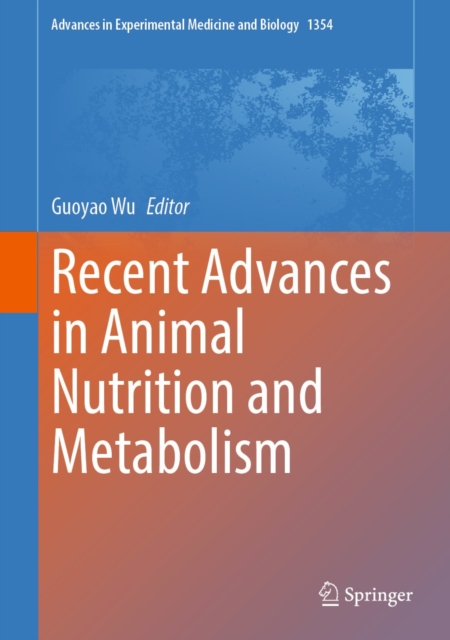
This book covers hot topics in the nutrition and metabolism of terrestrial and aquatic animals, including the interorgan transport and utilization of water, minerals, amino acids, glucose, and fructose; the development of alternatives to in-feed antibiotics for animals (e.
Development of superior crops that have consistent performance in quality and in quantity has not received the same emphasis in the field of genetics and breeding as merited.
This text identifies common mistakes and challenges in food preservation in developing countries, offering solutions which can play a significant role in reducing food waste in these countries.
Presenting the first book to focus on the importance of silicon for plant health and soil productivity and on our current understanding of this element as it relates to agriculture.
The book aim to contribute the latest understandings of physiological, biochemical and molecular bases of the responses of major crop plants to a range of different biomass produced biochar to introduce climate resilience crop varieties which leads to enhanced crop productivity and quality under stressful conditions and also for better utilization of natural resources to ensure food security through modern breeding.
The alkaline calcareous nature, high pH, salinity, heavy metals pollution, and low organic matter content of soils in many parts of the world have diminished the soil fertility and made essential nutrients unavailable to crops.
This book addresses complex problems associated with crop improvement programs, using a wide range of programming solutions, for genomics data handling and sustainable agriculture.
This new volume explores the field of microbial biostimulants, a new and emerging field of plant study that emphasizes the benefit of microbes for plants.