This book applies an economic and environmental perspective to the history of landscape and the rural economy, highlighting their inter-connections through specific case studies.
This book delves into diverse local food systems and critically assesses their ecological and societal benefits and trade-offs, their limits and opportunities for improving sustainability of food production, and framework conditions which either hinder or promote their development.
Traditional methods in synthetic chemistry produce chemical waste and byproducts, yield smaller desired products, and generate toxic chemical substances, but the past two centuries have seen consistent, greener improvements in organic synthesis and transformations.
Using accessible farming practices to meet the growing demands on agriculture is likely to result in more intense competition for natural resources, increased greenhouse gas emissions, and further deforestation and land degradation, which will in turn produce additional stress in the soil-water-plant-animal continuum.
This book focuses on a representative example and one of the world's largest steppe conversions, and provides a detailed overview of the results of the BMBF-funded research project KULUNDA.
This book discusses the latest developments in our understanding of microbial endophytes, their ecology, diversity and potential biotechnological applications.
Agriculture and industry are the two most important economic sectors for various countries around the globe, providing millions of jobs as well as being the main source of income for these countries.
The book covers the latest development in the biosciences field covering key topics in crop improvement including 'omic approaches to improving sustainable crop production, advancement in marker technology, strategies in genetic manipulation, crop quality and sustainability and plant microbe interaction detailing on proven technologies to address critical issue for agricultural sustainability which are beneficial for researchers and students.
In the current era current era of significant innovations, science and technology are powerful tools improving human welfare through prosperity and sustainable development.
This monograph addresses the methodological and empirical issues relevant for the development of sustainable agriculture, with a particular focus on Eastern Europe.
This book profiles various cases that are emerging in addressing global challenges in the context of SDGs for society in the era of climate change and covers case studies of projects being undertaken to tackle biodiversity, food security, climate change, energy and water security.
This thoughtful and provocative book provides a concise, up-to-date presentation of how current and projected future phosphorus scarcity will affect legume growth and their symbiotic nitrogen-fixing capabilities.
The plant species that humans rely upon have an extended family of wild counterparts that are an important source of genetic diversity used to breed productive crops.
Water pollution control has been a top environmental policy priority of the world's most developed countries for decades, and the focus of significant regulation and public and private spending.
This book examines the development of innovative modern methodologies towards augmenting conventional plant breeding, in individual crops, for the production of new crop varieties under the increasingly limiting environmental and cultivation factors to achieve sustainable agricultural production, enhanced food security, in addition to providing raw materials for innovative industrial products and pharmaceuticals.
This book explores the potential benefits and disadvantages of geographical indication (GIs) registration schemes, analyzing the utility of GI registrations for the development and promotion of regional economies, both in national and international markets.
This book combines multidisciplinary studies on the environmental consequences of intensified use of land and water, and the fusion of land to provide food for a growing population.
This book provides an in-depth analysis of the wheat production developments in the Eurasian region and assesses the potential contribution of the region to domestic and international food security.
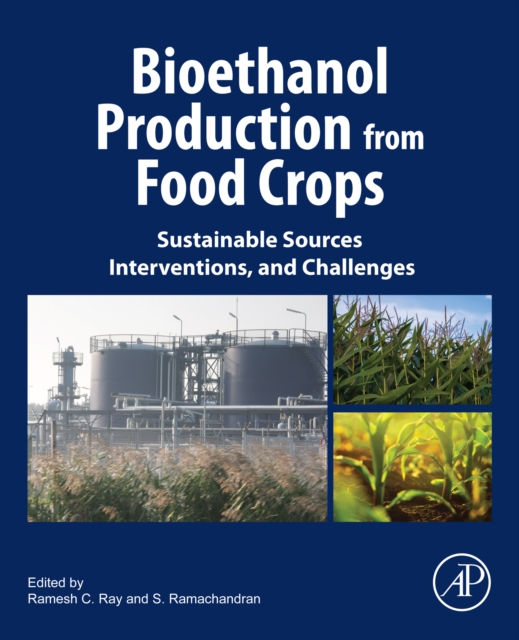
Bioethanol Production from Food Crops: Sustainable Sources, Interventions and Challenges comprehensively covers the global scenario of ethanol production from both food and non-food crops and other sources.
Sweet Potato: Chemistry, Processing, and Nutrition presents foundational information, including identification, analysis, and use of chemical components from sweet potato in a variety of food and nonfood uses.
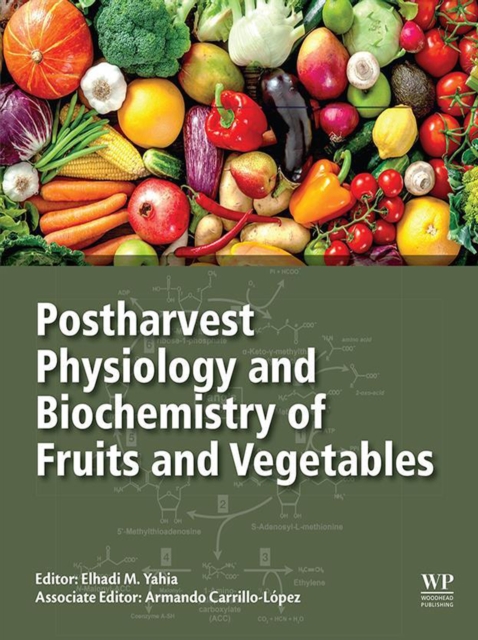
Postharvest Physiology and Biochemistry of Fruits and Vegetables presents an updated, interrelated and sequenced view of the contribution of fruits and vegetables on human health, their aspects of plant metabolism, physical and chemical/compositional changes during the entire fruit development lifecycle, the physiological disorders and biochemical effects of modified/controlled atmospheres, and the biotechnology of horticultural crops.
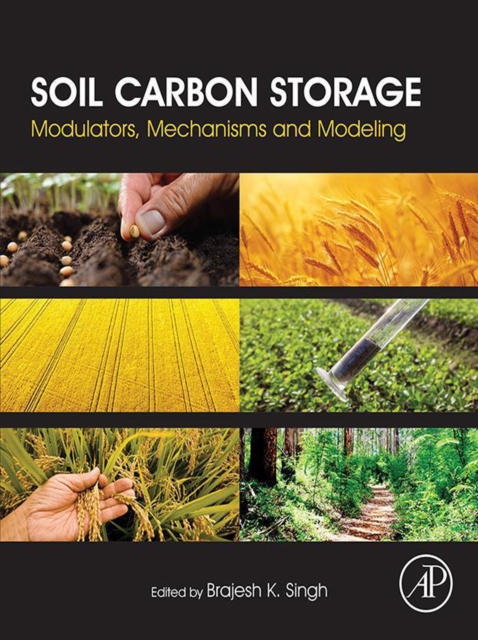
Soil Carbon Storage: Modulators, Mechanisms and Modeling takes a novel approach to the issue of soil carbon storage by considering soil C sequestration as a function of the interaction between biotic (e.
Storage of Grains and Their Products, Fifth Edition, presents the most authoritative reference on the principles and practices of storing and handling grains and their products.
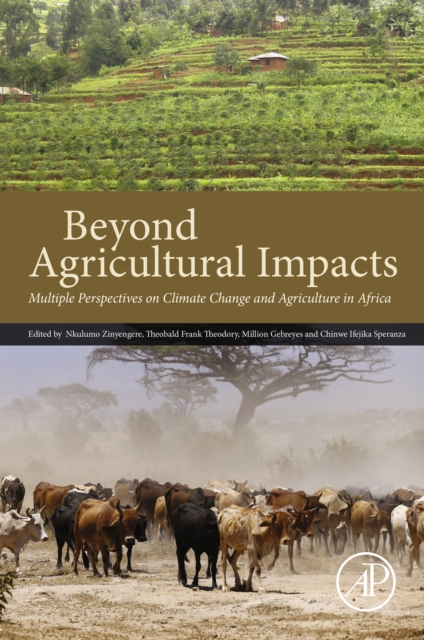
Beyond Agricultural Impacts: Multiple Perspectives on Climate Change in Africa presents the theories and methods commonly applied in climate change assessment from various locations in Africa, also inspiring further research that addresses the broad spectrum of societal impacts that result from altered climate status.
Advances in Agronomy, Volume 145, the latest in a series that is recognized as a leading reference and first-rate source for the latest research in agronomy presents new chapters that focus on A Chinese Model for the Planet, Allelopathic Potential of Sorghum Sorghum Bicolor (L.
Sustainable Food and Agriculture: An Integrated Approach is the first book to look at the imminent threats to sustainable food security through a cross-sectoral lens.
Planning and Evaluation of Irrigation Projects: Methods and Implementation presents the considerations, options and factors necessary for effective implementation of irrigation strategies, going further to provide methods for evaluating the efficiency of systems-in-place for remedial correction as needed.
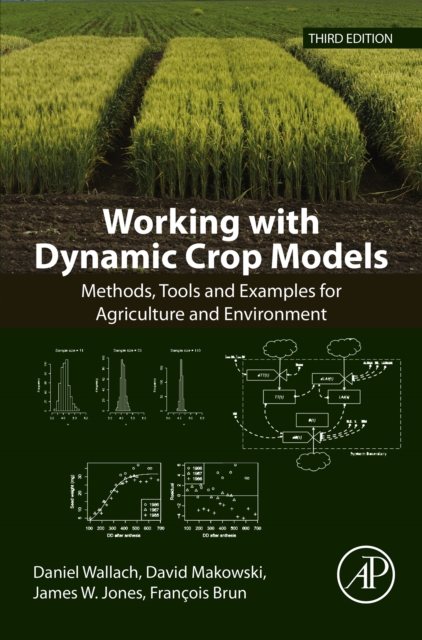
Working with Dynamic Crop Models: Methods, Tools and Examples for Agriculture and Environment, 3e, is a complete guide to working with dynamic system models, with emphasis on models in agronomy and environmental science.
Transgenic Plants, Volume 86, the latest release in the series Advances in Botanical Research, brings together information needed by many teachers, researchers and managers who have to consider biotechnology from a scientific or legal point-of-view.
Agro-Ecosystem Diversity: Impact on Food Security and Environmental Quality presents cutting-edge exploration of developing novel farming systems and introduces landscape ecology to agronomy.
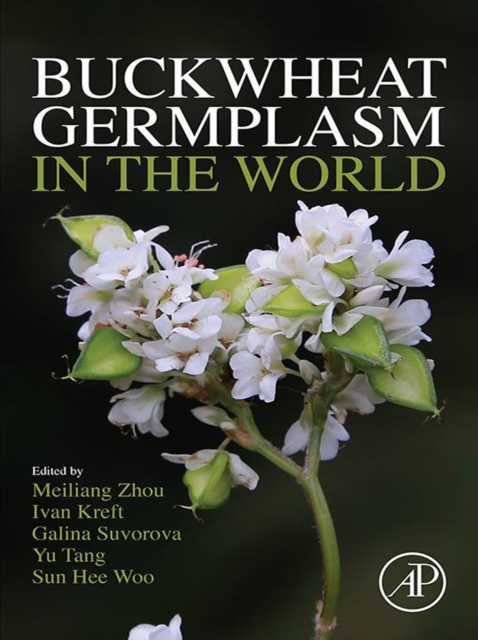
Buckwheat Germplasm in the World offers an overview of this globally important crop, including its general characterization and genetic diversity-particularly in Russia, China, India and Eastern Europe.
Genetic Engineering of Horticultural Crops provides key insights into commercialized crops, their improved productivity, disease and pest resistance, and enhanced nutritional or medicinal benefits.
Advances in Organic Farming: Agronomic Soil Management Practices focuses on the integrated interactions between soil-plant-microbe-environment elements in a functioning ecosystem.
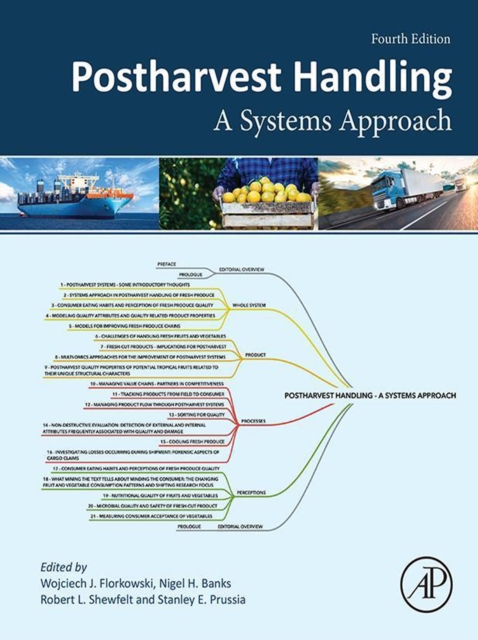
This newly revised fourth edition of Postharvest Handling brings new and updated chapters with new knowledge and applications from postharvest research.
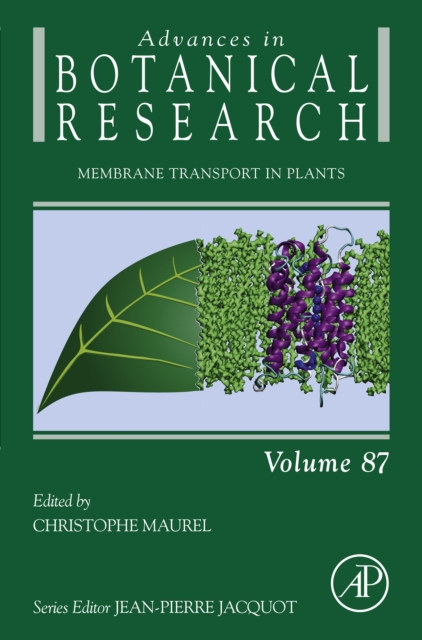
Plant Transporters, Volume 87, the latest release in the Advances in Botanical Research series, brings together the experiences and critical information teachers, researchers and managers must consider from scientific and legal points-of-view as they relate to biotechnology.
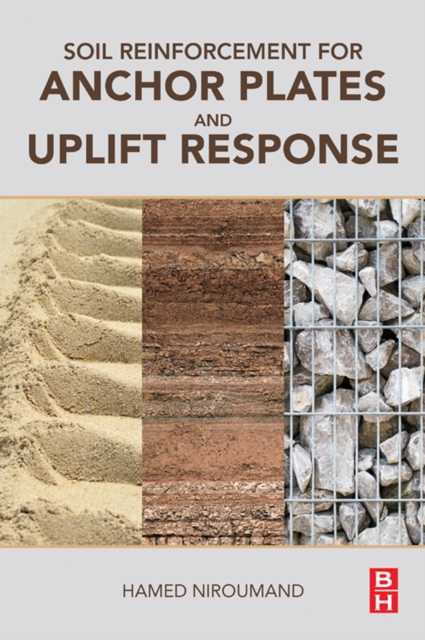
Soil Reinforcement for Anchor Plates and Uplift Response presents a comprehensive and rigorous review of the current knowledge in soil improvement for anchor plates, and is based on original research that includes experimental data on how to enhance uplift response of soil anchor plates by using several soil reinforcement methods.
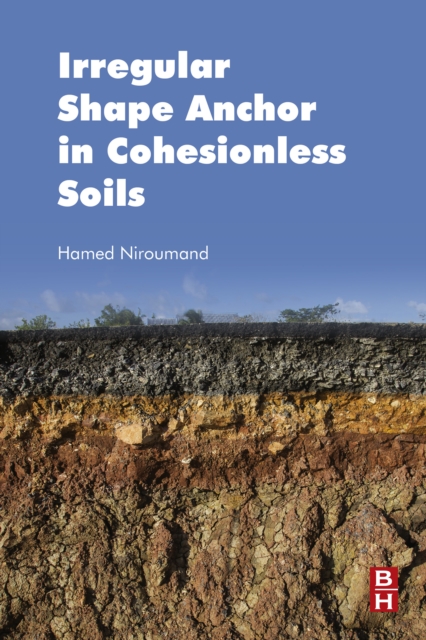
Irregular Shape Anchors in Cohesionless Soils presents a new type of soil anchor that can significantly lower cost and preparation time for application in low cohesion soils.
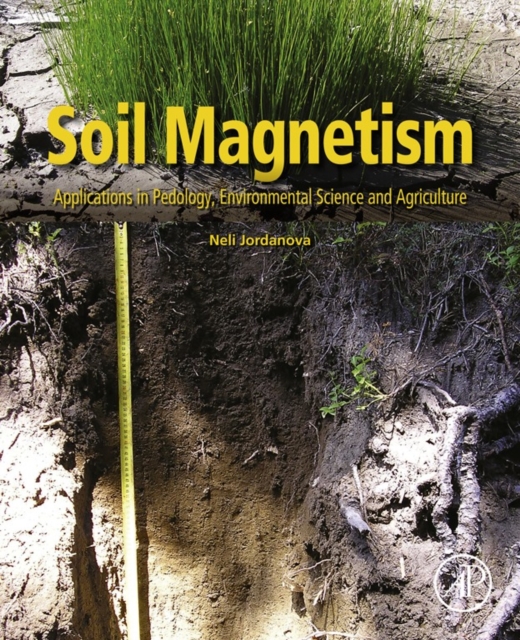
Soil Magnetism: Applications in Pedology, Environmental Science and Agriculture provides a systematic, comparative, and detailed overview of the magnetic characterization of the major soil units and the observed general relationships, possibilities, and perspectives in application of rock magnetic methods in soil science, agriculture, and beyond.