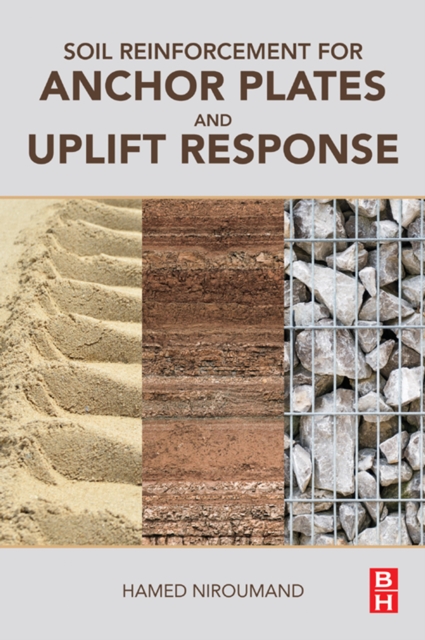
Soil Reinforcement for Anchor Plates and Uplift Response presents a comprehensive and rigorous review of the current knowledge in soil improvement for anchor plates, and is based on original research that includes experimental data on how to enhance uplift response of soil anchor plates by using several soil reinforcement methods.
This second volume on the topic will be extremely useful for the researchers and postgraduate students working on vegetable crops with a special focus on climate change.
This book presents deliberations on molecular and genomic mechanisms underlying the interactions of crop plants to the abiotic stresses caused by heat, cold, drought, flooding, submergence, salinity, acidity, etc.
This book offers an overview of the current knowledge on beta glucanase enzymes derived from actinobacterial source, their structure, functions and industrial applications.
This book presents recent research work on Biosaline Agriculture presented during First International Forum on Biosaline Agriculture in Laayoune, Morocco from May 3rd to May 4th 2019.
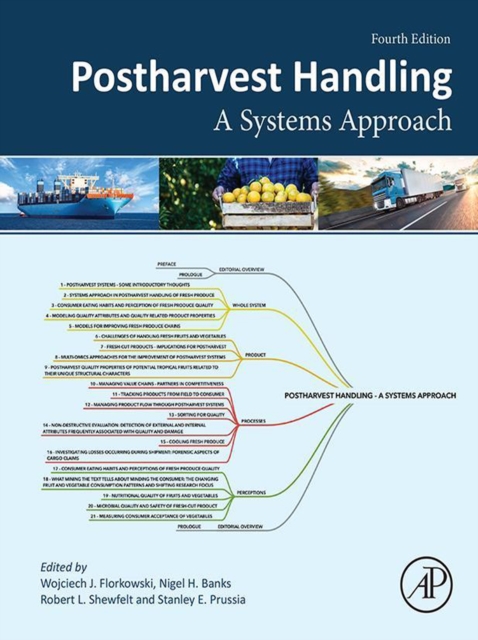
This newly revised fourth edition of Postharvest Handling brings new and updated chapters with new knowledge and applications from postharvest research.
This edited book collates the research done mainly in Africa on vermicomposting and related technologies that can assist African smallholder farmers in making nutrient rich organic fertilizers from their animal and crop residue wastes.
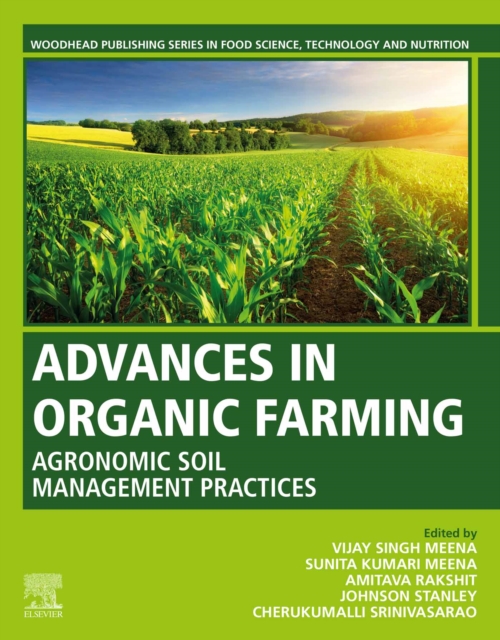
Advances in Organic Farming: Agronomic Soil Management Practices focuses on the integrated interactions between soil-plant-microbe-environment elements in a functioning ecosystem.
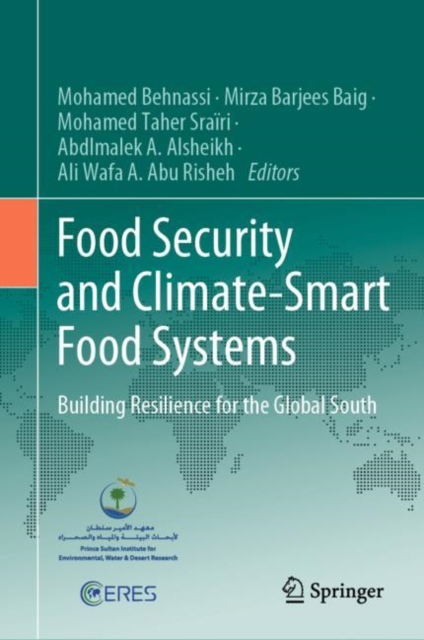
The resilience of food systems and security to emerging challenges and threats, especially in the context of environmental and climate risks and global pandemics such as the Covid-19 crisis, is currently gaining growing importance in research, policy, and practice.
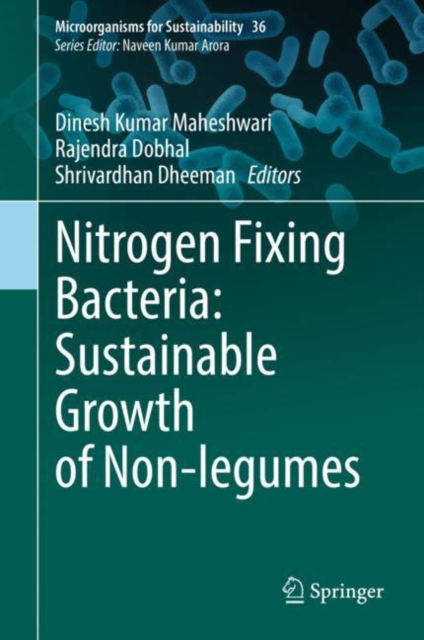
This book covers aspects of biological nitrogen fixation along with the unique signaling and interaction between the diazotrophic bacteria and plants, especially the non-legumes.
Microbiome Stimulants for Crops: Mechanisms and Applications provides the latest developments in the real-world development and application of these crop management alternatives in a cost-effective, yield protective way.
This edited book is a comprehensive compilation highlighting sources of biostimulants, their production, influence on plant growth and development, and regulatory status of plant biostimulants for better understanding and opening new vistas for future research.
This book presents deliberations on molecular and genomic mechanisms underlying the interactions of crop plants to the abiotic stresses caused by heat, cold, drought, flooding, submergence, salinity, acidity, etc.
Faba bean is a species of flowering plant in the Fabaceae family and the fourth most widely grown winter season legume after pea, chickpea, and lentil.
This book provides essential insights into methods and practices of 'Climate-smart Agriculture,' which is driven by the principles of climate resilience and smart resource use in agricultural production.
This book presents a wealth of perspectives on studying the manufacturing end of food processing industries, with a special focus on regions with a low industrial base and multiple missing markets, institutional finance being the most prominent example.
This book discusses various climate smart agro-technologies, their technical and economic feasibility across heterogeneous agro-climatic conditions, assessing farmers' willingness to adopt those technologies, impact of climate smart technology in agricultural production and possible policy and investment opportunities to upscale it.
This book addresses basic and applied aspects of two nexus points of microorganisms in agro-ecosystems, namely their functional role as bio-fertilizers and bio-pesticides.
This book provides a comprehensive overview of key aspects of food insecurity, including definitional and conceptual issues, information systems and data sources, indicators, and policies.
Sorghum is the most important cereal crop grown in the semi-arid tropics (SAT) of Africa, Asia, Australia and Americas for food, feed, fodder and fuel.
In light of the novel corona virus outbreak in December 2019 and its subsequent impact on entire world as a global pandemic, the book attempts to provide integrated risk assessment on Covid -19 like pandemics, as well as to understand the societal, environment and economic impact of the outbreak in various sectors of development.
This publication offers a systemic analysis of sustainability in the food system, taking as its framework the Sustainable Development Goals of the 2030 Agenda of the United Nations.
This book reviews the progresses and achievements made in the past 20 years of research on soil pollution and remediation in China, and presents 50 review and research articles from all over China, including Hong Kong and Taiwan.
This book examines the successful private, public and civil society models of agriculture value chains in India and addresses relevant challenges and opportunities to improve their efficiency and inclusiveness.
Bioethanol Production from Food Crops: Sustainable Sources, Interventions and Challenges comprehensively covers the global scenario of ethanol production from both food and non-food crops and other sources.
This book discusses computer vision, a noncontact as well as a nondestructive technique involving the development of theoretical and algorithmic tools for automatic visual understanding and recognition which finds huge applications in agricultural productions.
This book introduces the engineering application of the discrete element method (DEM), especially the simulation analysis of the typical equipment (scraper conveyor, coal silos, subsoiler) in the coal and agricultural machinery.
This book presents an exhaustive analysis of the trends in the development and use of natural and synthetic polymer systems aimed at sustainable agricultural production.
This book is an outcome of the keynote/lead papers presented by the experts from different disciplines in the Indian Ecological Society International Conference 2016 on "e;Natural Resource Management: Ecological Perspectives"e;, organized at the Sher-e-Kashmir University of Agricultural Sciences and Technology of Jammu, India.
This book highlights the impact of climate change on the soil microbiome and its subsequent effects on plant health, soil-plant dynamics, and the ecosphere.
This book discusses the dynamics and resource management qualities of the peri-urban interface to address climate change consequences, focusing on the peri-urban region of the global city of Bengalaru.
Biochar Application: Essential Soil Microbial Ecology outlines the cutting-edge research on the interactions of complex microbial populations and their functional, structural, and compositional dynamics, as well as the microbial ecology of biochar application to soil, the use of different phyto-chemical analyses, possibilities for future research, and recommendations for climate change policy.
Soil and Environmental Chemistry, Second Edition, presents key aspects of soil chemistry in environmental science, including dose responses, risk characterization, and practical applications of calculations using spreadsheets.
Food systems involve a range of activities concerning food production, processing, distribution, marketing and trade, preparation, consumption and disposal.