Animal biotechnology is a broad umbrella encompassing the polarities of fundamental and applied research including molecular modelling, molecular and quantitative genetics, gene manipulation, development of diagnostics and vaccines and manipulation of tissue or digestion metabolism by growth promoters.
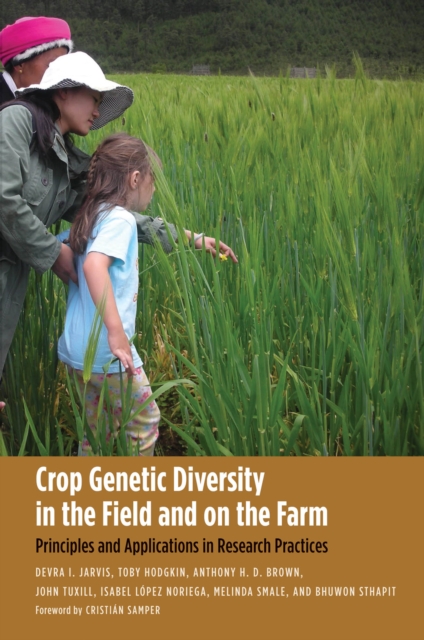
Based on twenty years of global research, this is the first comprehensive reference on crop genetic diversity as it is maintained on farmland around the world.
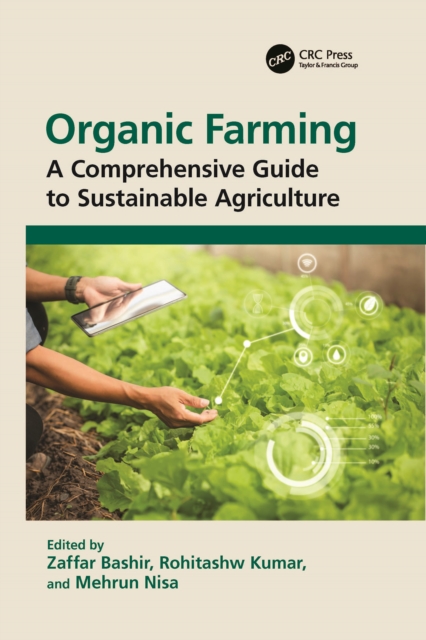
As the demand for healthy and sustainable food options increases, organic farming is becoming a viable alternative to conventional farming practices that traditionally rely heavily on synthetic inputs.
This highly readable and up-to-date history provides an informative critique of the causes and consequences of the modern agricultural revolution, since the agricultural depression of the inter-war period.
The book describes the context within which the Common Agricultural Policy of the European Union has been established, the basic mechanisms of the policy for the main sectors of agricultural production and their adaptation over time in line with changes in the broader world economy; the changes in Eastern Europe, the problems of developing countries and the GATT-WTO Agreement in particular.
In this frank account of events, Sir Richard Packer, former Permanent Secretary at MAFF, details the facts of the BSE outbreak, how government responded to the crisis and how the press contributed to widespread public panic.
With the adoption of a World Bank-sponsored structural adjustment programme in the mid-1980s, Guinea underwent a dramatic change in its economic and agricultural policies.
The impact of both colonial economic policies and Western enterprise on indigenous agriculture in Indonesia has long been a matter of contention among scholars.
The Economics of European Agriculture explains the demand and supply characteristics of agricultural markets, as well as government intervention in agriculture, with an emphasis on the Common Agricultural Policy (CAP).
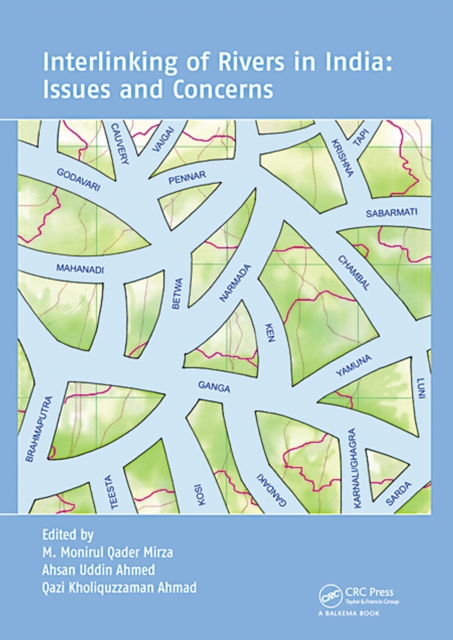
Inter-basin water transfers are complex human interventions on natural systems that can have profound adverse as well as beneficial social, economic and environmental implications.
Recognition of the importance of soil organic matter (SOM) in soil health and quality is a major part of fostering a holistic, preventive approach to agricultural management.
Without proper hydraulic fill and suitable specialised equipment, many major infrastructure projects such as ports, airports, roads, industrial or housing projects could not be realised.
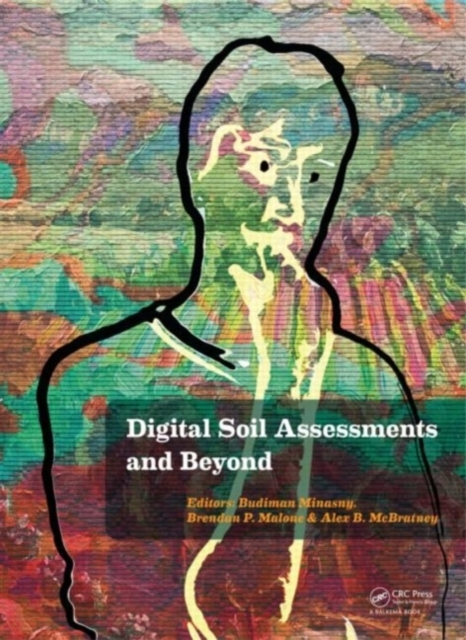
Digital soil assessments and beyond contains papers presented at the 5th Global Workshop on Digital Soil Mapping, held 10-13 April 2012 at the University of Sydney, Australia.
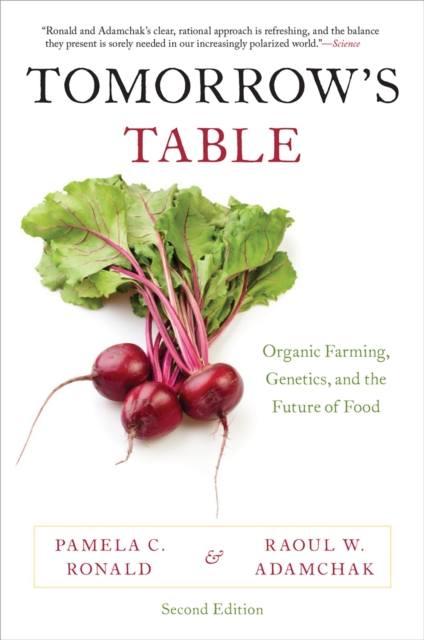
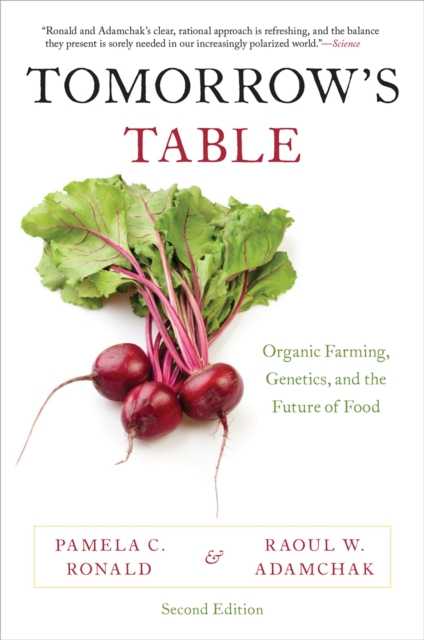
"e;Tomorrow's Table"e; argues that a judicious blend of two important strands of agriculture--genetic engineering and organic farming--is key to helping feed the world's growing population in an ecologically balanced manner.
"e;Tomorrow's Table"e; argues that a judicious blend of two important strands of agriculture--genetic engineering and organic farming--is key to helping feed the world's growing population in an ecologically balanced manner.
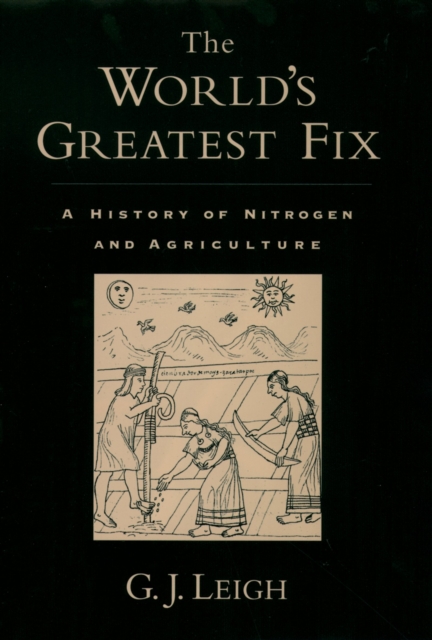
In the tradition of Jared Diamond's Guns, Germs, and Steel, this gives the very early history of how human ingenuity overcame the risk of famine through productive agriculture.
This book, based on research carried out at the Academia Sinica over the past 30 years, explains the basic difference between the variable charge soils of tropical and subtropical regions, and the constant charge soils of temperate regions.
Drawing on the author's extensive and varied research, this book provides readers with a firm grounding in the concepts and issues across several disciplines including economics, nutrition, psychology and public health in the hope of improving the design of food policies in the developed and developing world.
This book covers about 20 grape species that are vitally important in breeding programs and provide information on approximately 150 of the most familiar grape rootstocks in the world.
This book on lupin genomics primarily focuses on the narrow-leafed lupin (NLL), and details the genomic resources that have been developed and how they are currently being used to help advance both fundamental and applied research on NLL in areas ranging from its domestication to plant-microbe interactions and syntenic relationships between NLL and other legume crops.
This volume continues the retrospective analyses of Volumes I and II, but goes beyond that in an attempt to understand how phenolic acids are partitioned in seedling-solution and seedling-microbe-soil-sand culture systems and how phenolic acid effects on seedlings may be related to the actual and/or conditional physicochemical properties (e.
In the tradition of Jared Diamond's Guns, Germs, and Steel, this gives the very early history of how human ingenuity overcame the risk of famine through productive agriculture.