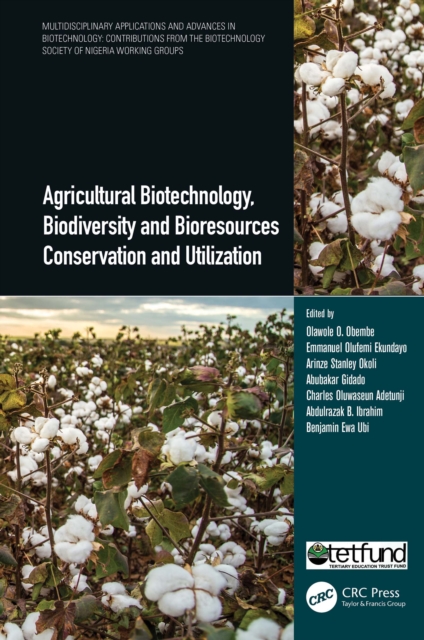
This book covers a range of important topics on crop and animal genetics, breeding and genomics, as well as biodiversity and genetic resources conservation and utilization reflecting three thematic sections of working groups of the Biotechnology Society of Nigeria.
The proposed book aims to understand the mechanism of survival of microorganisms in response to chemical stress in various ecological niches that suffer direct human intervention, more so the agricultural, domestic and hospital settings.
The emergence of nanotechnology and the development of new nano-devices and nanomaterials open up opportunities for novel applications in agriculture and biotechnology.
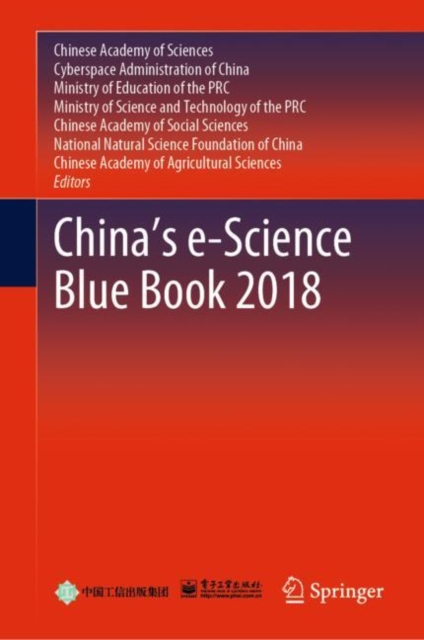
This book is jointly compiled by Chinese Academy of Sciences, Cyberspace Administration of China, Ministry of Education of the People's Republic of China, Ministry of Science and Technology of the People's Republic of China, Chinese Academy of Social Sciences, National Natural Science Foundation of China and Chinese Academy of Agricultural Sciences.
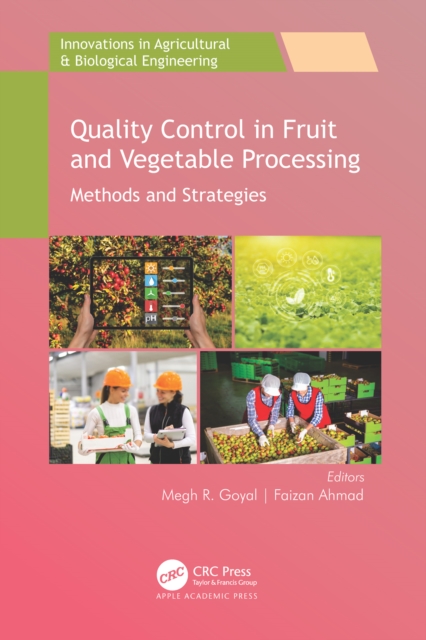
Quality Control in Fruit and Vegetable Processing: Methods and Strategies illustrates the applications of various nonthermal technologies for improving the quality and safety of fruits and vegetables, such as microwave, ultrasound, gamma irradiation, pulsed light, and hurdle technology.
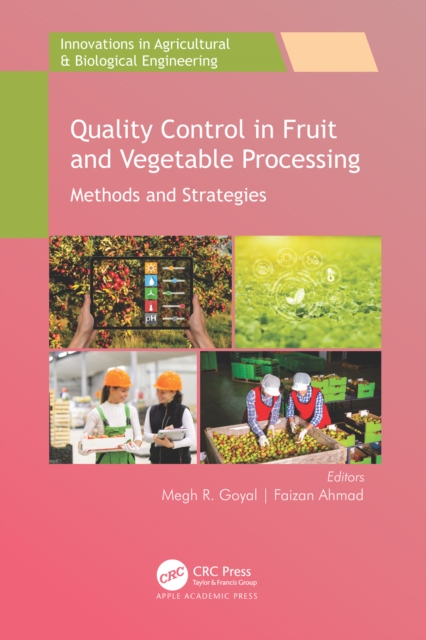
Quality Control in Fruit and Vegetable Processing: Methods and Strategies illustrates the applications of various nonthermal technologies for improving the quality and safety of fruits and vegetables, such as microwave, ultrasound, gamma irradiation, pulsed light, and hurdle technology.
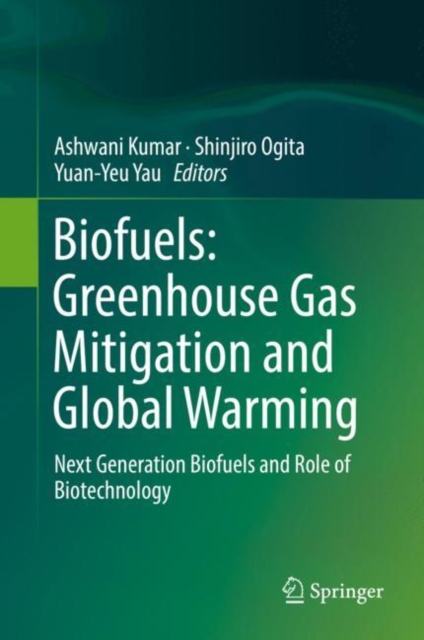
This timely book is a compilation of edited articles by distinguished international scientists discussing global warming, its causes as well as present and future solutions.
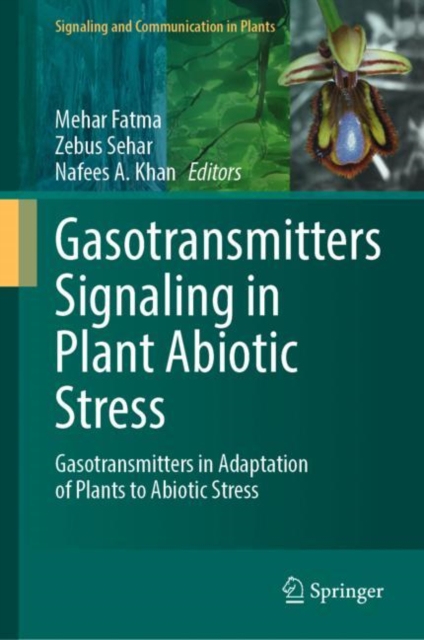
This book deals with the gasotransmitters signaling in redox reactions and homeostasis for the adaptation of plants to unfavorable abiotic stress environments.
This book will address the major subsoil physical and chemical constraints and their implications to crop production; Plant growth is often restricted by adverse physical and chemical properties of subsoils yet these limitations are not revealed by testing surface soils and hence their significance in crop management is often overlooked.
The challenges to meet the food requirement of the burgeoning population and stabilized productivity of agriculture lands can only be met by a second green revolution.
Written by international authorities in agronomy, Volume 63 contains five comprehensive reviews covering key contemporary topics on crop and soil sciences.
Written by international authorities in agronomy, Volume 62 contains five comprehensive reviews covering key contemporary topics on crop and soil sciences.
Written by international authorities in agronomy, Volume 61 contains five comprehensive reviews covering key contemporary topics on crop and soil sciences.
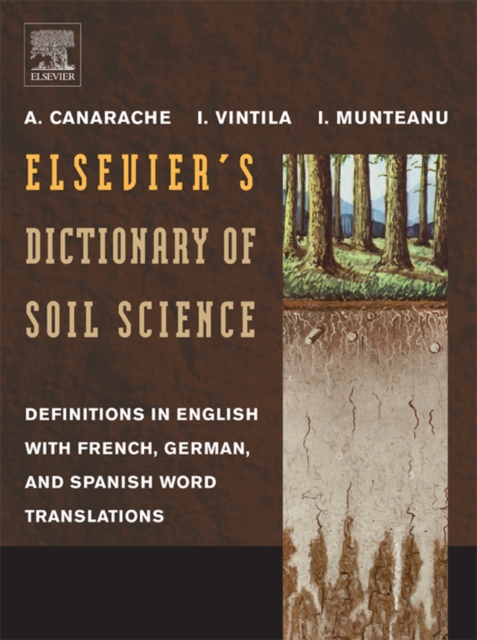
This dictionary includes some 9200 terms, each with a definition and often and additional descriptive text in English, the terms being translated in French, German and Spanish.
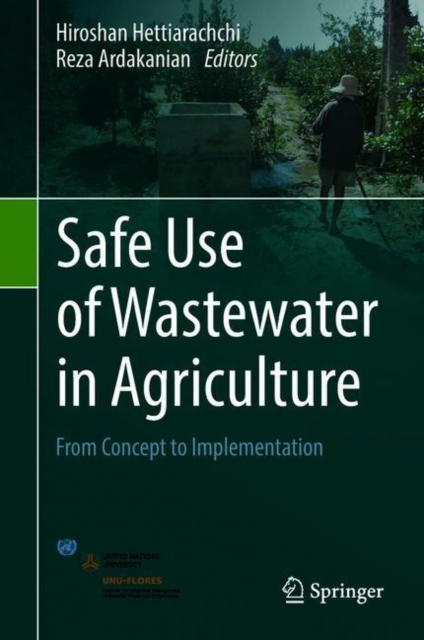
This book offers a broad and global level description of the current status of wastewater use in agriculture and then brings the readers to various places in the MENA Region and Europe to explain how some countries and regions have addressed the challenges during implementation.
Continuing the international tradition of Advances in Agronomy, Volume 48 highlights crop and soil science including hybrid improvement in tropical maize, pearl millet as food, feed and forage, cotton host plant resistance to insects, and electrochemical techniques applied to soils.
Advances in Agronomy increased its publication frequency to three volumes per year in 1993, and will continue this trend as advances in the field dictate.
This book is a comprehensive compilation of groundbreaking insights stemming from the esteemed International Conference on Advanced Intelligent Systems for Sustainable Development (AI2SD'2023), hosted at Cadi Ayyad University Morocco.
This book is a comprehensive compilation of groundbreaking insights stemming from the esteemed International Conference on Advanced Intelligent Systems for Sustainable Development (AI2SD'2023), hosted at Cadi Ayyad University Morocco.
This book is a comprehensive compilation of groundbreaking insights stemming from the esteemed International Conference on Advanced Intelligent Systems for Sustainable Development (AI2SD'2023), hosted at Cadi Ayyad University Morocco.
This book is a comprehensive compilation of groundbreaking insights stemming from the esteemed International Conference on Advanced Intelligent Systems for Sustainable Development (AI2SD'2023), hosted at Cadi Ayyad University Morocco.
In the dynamic realm of digital agriculture, the integration of big data acquisition platforms has sparked both curiosity and enthusiasm among researchers and agricultural practitioners.
In the dynamic realm of digital agriculture, the integration of big data acquisition platforms has sparked both curiosity and enthusiasm among researchers and agricultural practitioners.
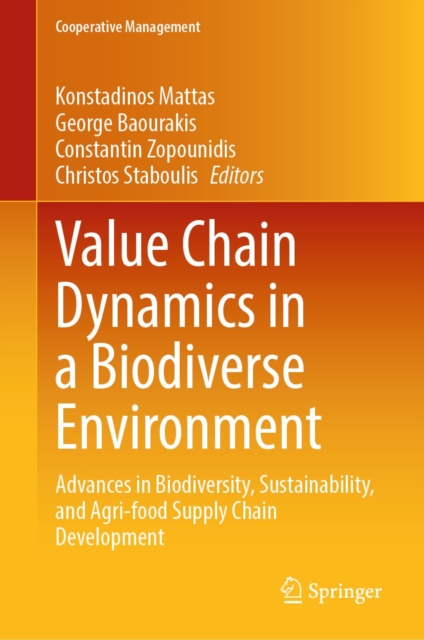
This book offers comprehensive insights into the latest developments in biodiversity, sustainability, and agri-food supply chains, fostering an informed approach to policymaking decisions in the agriculture and agri-food industry within the global economy.
This book offers comprehensive insights into the latest developments in biodiversity, sustainability, and agri-food supply chains, fostering an informed approach to policymaking decisions in the agriculture and agri-food industry within the global economy.