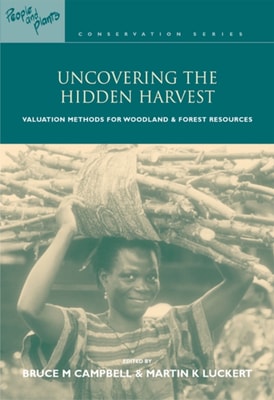
Forests and woodlands provide an enormous range of goods and services to society, from timber and firewood to medicinal plants, watershed protection, destinations for tourists and sacred sites.
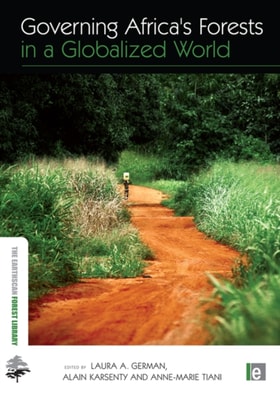
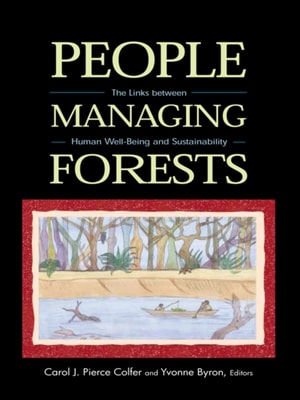
Many countries around the world are engaged in decentralization processes, and most African countries face serious problems with forest governance, from benefits sharing to illegality and sustainable forest management.
Many countries around the world are engaged in decentralization processes, and most African countries face serious problems with forest governance, from benefits sharing to illegality and sustainable forest management.
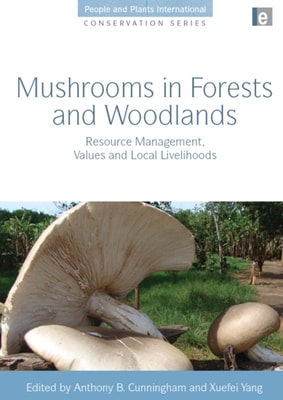
Many mushrooms - or the 'fruits of fungi' - are extremely valuable, wild-gathered products which are utilised for both their medicinal properties and as food.
Many mushrooms - or the 'fruits of fungi' - are extremely valuable, wild-gathered products which are utilised for both their medicinal properties and as food.
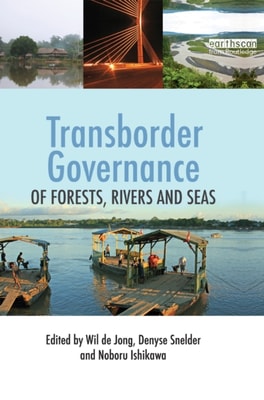
This book provides a novel approach to governance relating to biodiversity and human well-being in complex tropical landscapes, including forests and protected areas.
This book provides a novel approach to governance relating to biodiversity and human well-being in complex tropical landscapes, including forests and protected areas.
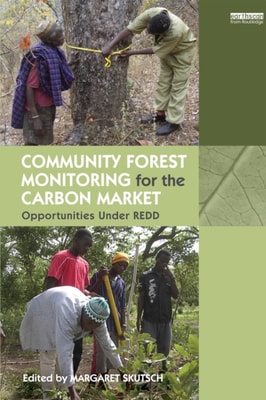
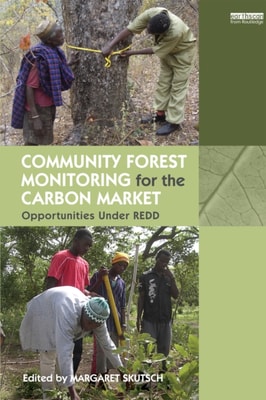
Recent developments in international policy on Reduced Emissions from Deforestation in Developing countries (REDD) open the way for crediting of carbon saved by rural communities through management of the forests in their vicinity.
Recent developments in international policy on Reduced Emissions from Deforestation in Developing countries (REDD) open the way for crediting of carbon saved by rural communities through management of the forests in their vicinity.
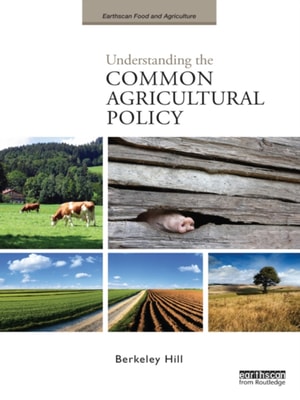
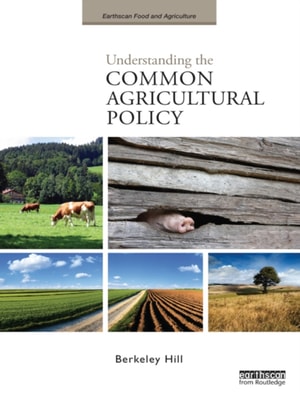
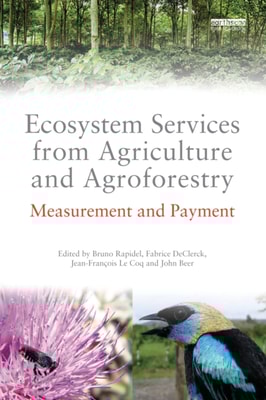
Agricultural systems are no longer evaluated solely on the basis of the food they provide, but also on their capacity to limit impacts on the environment, such as soil conservation, water quality and biodiversity conservation, as well as their contribution to mitigating and adapting to climate change.
Agricultural systems are no longer evaluated solely on the basis of the food they provide, but also on their capacity to limit impacts on the environment, such as soil conservation, water quality and biodiversity conservation, as well as their contribution to mitigating and adapting to climate change.
Ethnobotany, the study of the classification, use and management of plants by people, draws on a range of disciplines, including natural and social sciences, to show how conservation of plants and of local knowledge about them can be achieved.
Ethnobotany, the study of the classification, use and management of plants by people, draws on a range of disciplines, including natural and social sciences, to show how conservation of plants and of local knowledge about them can be achieved.
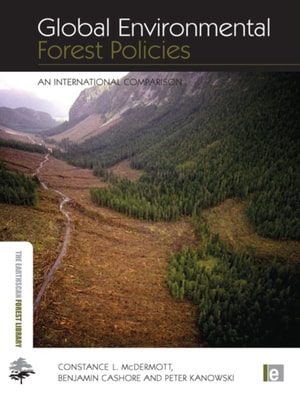
Market globalization and the globalization of environmental concerns have spurred demand for greater international accountability for forest stewardship.
Market globalization and the globalization of environmental concerns have spurred demand for greater international accountability for forest stewardship.
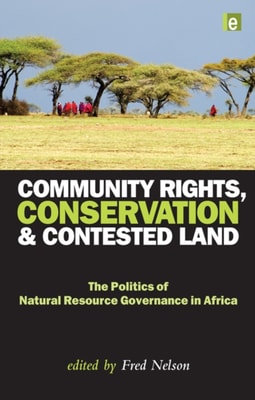
Natural resource governance is central to the outcomes of biodiversity conservation efforts and to patterns of economic development, particularly in resource-dependent rural communities.
Natural resource governance is central to the outcomes of biodiversity conservation efforts and to patterns of economic development, particularly in resource-dependent rural communities.
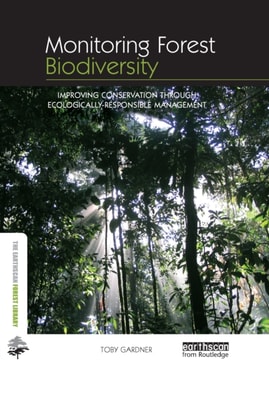
The fate of much of the world's terrestrial biodiversity depends upon our ability to improve the management of forest ecosystems that have already been substantially modified by humans.
The fate of much of the world's terrestrial biodiversity depends upon our ability to improve the management of forest ecosystems that have already been substantially modified by humans.
Modelling is an important tool for understanding the complexity of forest ecosystems and the variety of interactions of ecosystem components, processes and values.
Modelling is an important tool for understanding the complexity of forest ecosystems and the variety of interactions of ecosystem components, processes and values.
The dry forests and woodlands of Sub-Saharan Africa are major ecosystems, with a broad range of strong economic and cultural incentives for keeping them intact.
The dry forests and woodlands of Sub-Saharan Africa are major ecosystems, with a broad range of strong economic and cultural incentives for keeping them intact.
Food is increasingly traded internationally, thereby transforming the organization of food production and consumption globally and influencing most food-related practices.
Food is increasingly traded internationally, thereby transforming the organization of food production and consumption globally and influencing most food-related practices.
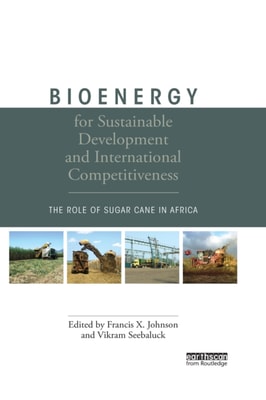
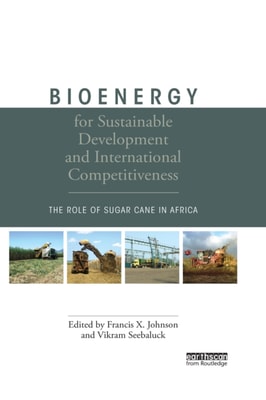
Growing concerns about the impacts of climate change and dependence on fossil fuels have intensified interest in bioenergy from sugar cane and other crops, highlighting important links between energy, environment and development goals.
Growing concerns about the impacts of climate change and dependence on fossil fuels have intensified interest in bioenergy from sugar cane and other crops, highlighting important links between energy, environment and development goals.
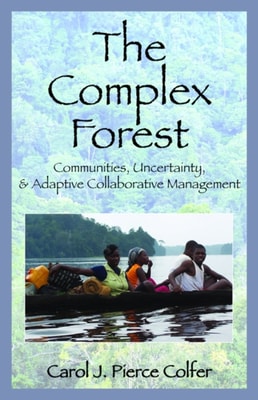
The Complex Forest systematically examines the theory, processes, and early outcomes of a research and management approach called adaptive collaborative management (ACM).
The Complex Forest systematically examines the theory, processes, and early outcomes of a research and management approach called adaptive collaborative management (ACM).
Market-based solutions to environmental problems offer great promise, but require complex public policies that take into account the many institutional factors necessary for the market to work and that guard against the social forces that can derail good public policies.
Market-based solutions to environmental problems offer great promise, but require complex public policies that take into account the many institutional factors necessary for the market to work and that guard against the social forces that can derail good public policies.